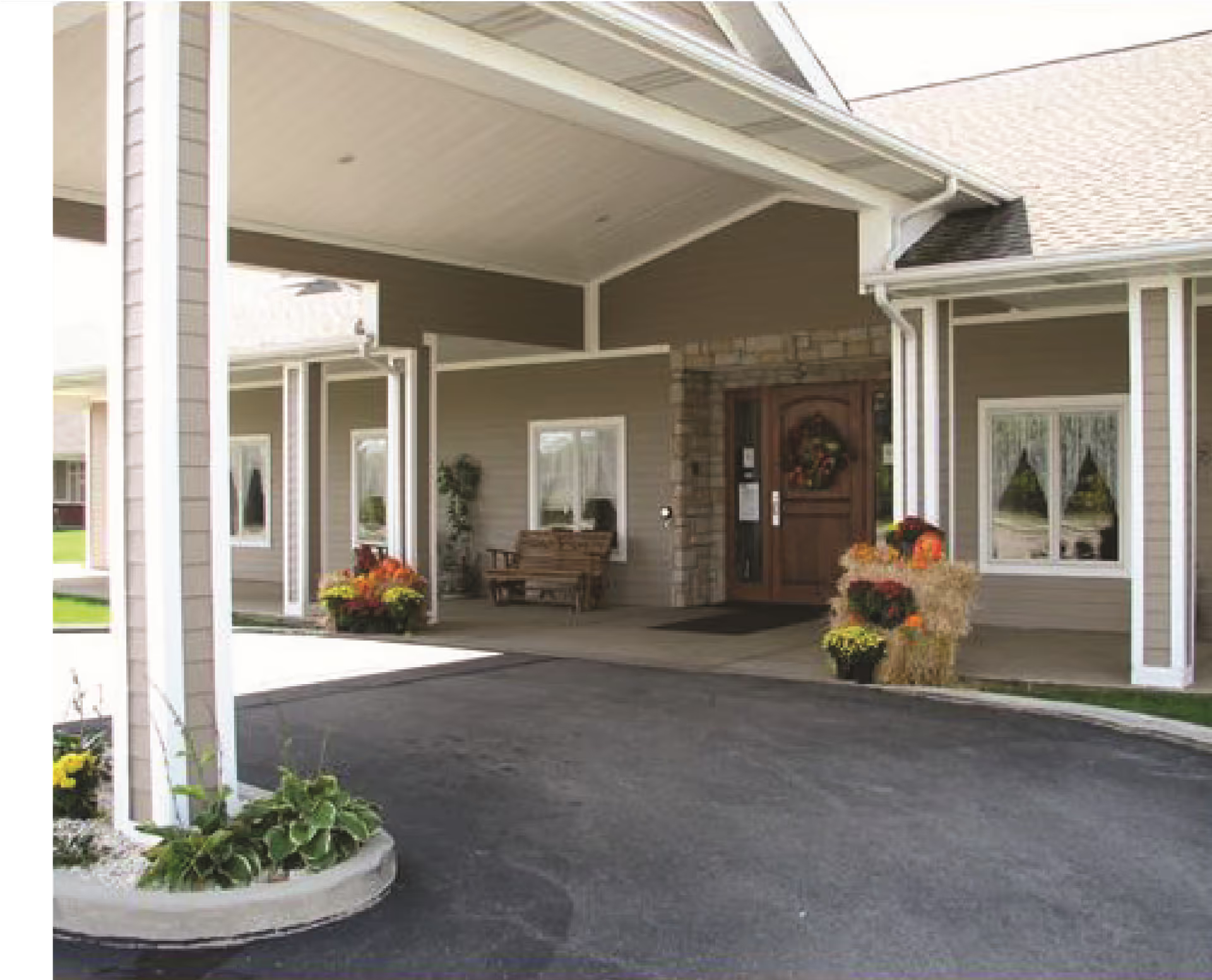
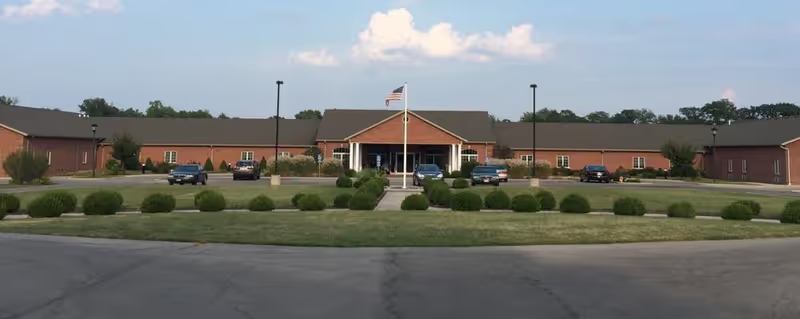
The reviews present a polarized picture of Northcrest Rehab and Nursing Center: many families and patients describe attentive, compassionate care and strong therapy outcomes, while others raise substantive operational concerns. Positive accounts emphasize caring direct-care staff, a therapy team (PT/OT/ST) that supports recovery, an active calendar of social and recreational activities, and family-friendly practices such as window/phone visits and help with family communication. Several reviewers described a warm, community-oriented atmosphere and housekeeping staff who were helpful.
Care quality and staffing are two areas with divergent impressions. Numerous accounts praise individual aides, nurses, and therapists for respectful, gentle interactions and effective rehabilitation work; some family members reported that residents progressed well and felt comfortable returning. However, other reviews describe systemic problems consistent with understaffing: delays in responding to call requests, extended periods without assistance, and inconsistent personal-care routines (including repositioning and incontinence care). Medication administration and timing were also raised as recurring operational concerns, with reports of late doses or missed medications that point to inconsistent medication-management controls.
Dining and activities are generally seen as strengths but with room for personalization. The facility offers a variety of activities (music, bingo, group events) that many residents enjoy and that support social engagement. Meal quality is described positively in multiple accounts, though some residents would like more menu customization and expressed specific dislikes for certain items. Overall, activities and therapy appear to contribute positively to residents’ daily experience.
Facility condition and infection-control issues emerged as notable patterns. Several reviews reported odor concerns and other cleanliness issues in some common areas and rooms; at the same time, housekeeping staff received positive mention from other families. There were also concerns about infection-control practices and sanitation processes that may require administrative attention. A small number of comments referenced temperature-control or HVAC problems and the limitations associated with an older, smaller physical plant.
Management and administrative practices were a recurrent theme. Some reviewers praised engaged administrators and supportive managers, while others described inconsistent leadership, communication breakdowns, lost paperwork, and tensions between agency and in-house staff. Perceived favoritism in assignments and interpersonal conduct issues were cited as affecting staff morale and continuity of care. There is at least one serious, isolated claim involving alleged theft and staff misconduct; such claims merit careful follow-up and verification through facility administration or regulatory channels.
Taken together, the pattern suggests that individual staff members and the therapy program are strengths for prospective residents, but operational reliability is uneven. Families considering Northcrest should weigh positive reports of compassion and rehabilitation success against concerns about staffing consistency, medication processes, cleanliness in some areas, and management stability. Recommended steps for families: review the facility’s recent inspection and enforcement history, ask specific questions about staffing ratios and medication administration protocols, request examples of infection-control procedures, and arrange an in-person or unannounced visit to assess current conditions and staff interactions.