Reviews of Altercare Navarre present a highly polarized picture: many families and residents praise individual caregivers, therapists, and hospice staff for compassion, clinical skill, and an engaging community environment, while other accounts describe operational and clinical gaps that affected care reliability. Positive comments consistently highlight strong rehabilitation therapy (OT/PT), empathetic bedside staff, welcoming common areas, tailored meal options, and activity programs that support social connectedness. Several individual staff members and roles (nurses, CNAs, therapy staff, dialysis and hospice teams) receive repeated commendation for kindness and problem resolution.
At the same time, consistent themes among critical reviews point to systemic issues. Cleanliness and infection-control practices are described as inconsistent, with multiple accounts indicating sanitation concerns and pest-control issues in certain units. Staffing reliability appears uneven: reviewers frequently note understaffing, delayed or absent shift coverage, and particular concerns about night-shift responsiveness. These workforce constraints are associated with delays in attending to call lights, missed or incorrectly administered medications, and inconsistent documentation—operational weaknesses that reviewers link to safety and quality risks.
Clinical process weaknesses described by families include medication-administration errors and documentation gaps, inconsistent incontinence and wound-care management, and variable oversight during higher-acuity events. Several reviews reference regulatory action and program-eligibility consequences tied to compliance shortfalls; such citations suggest that some concerns have been serious enough to attract external review. Conversely, many families reported that prompt issue resolution occurred when concerns were escalated, and some accounts note clear improvements after management changes.
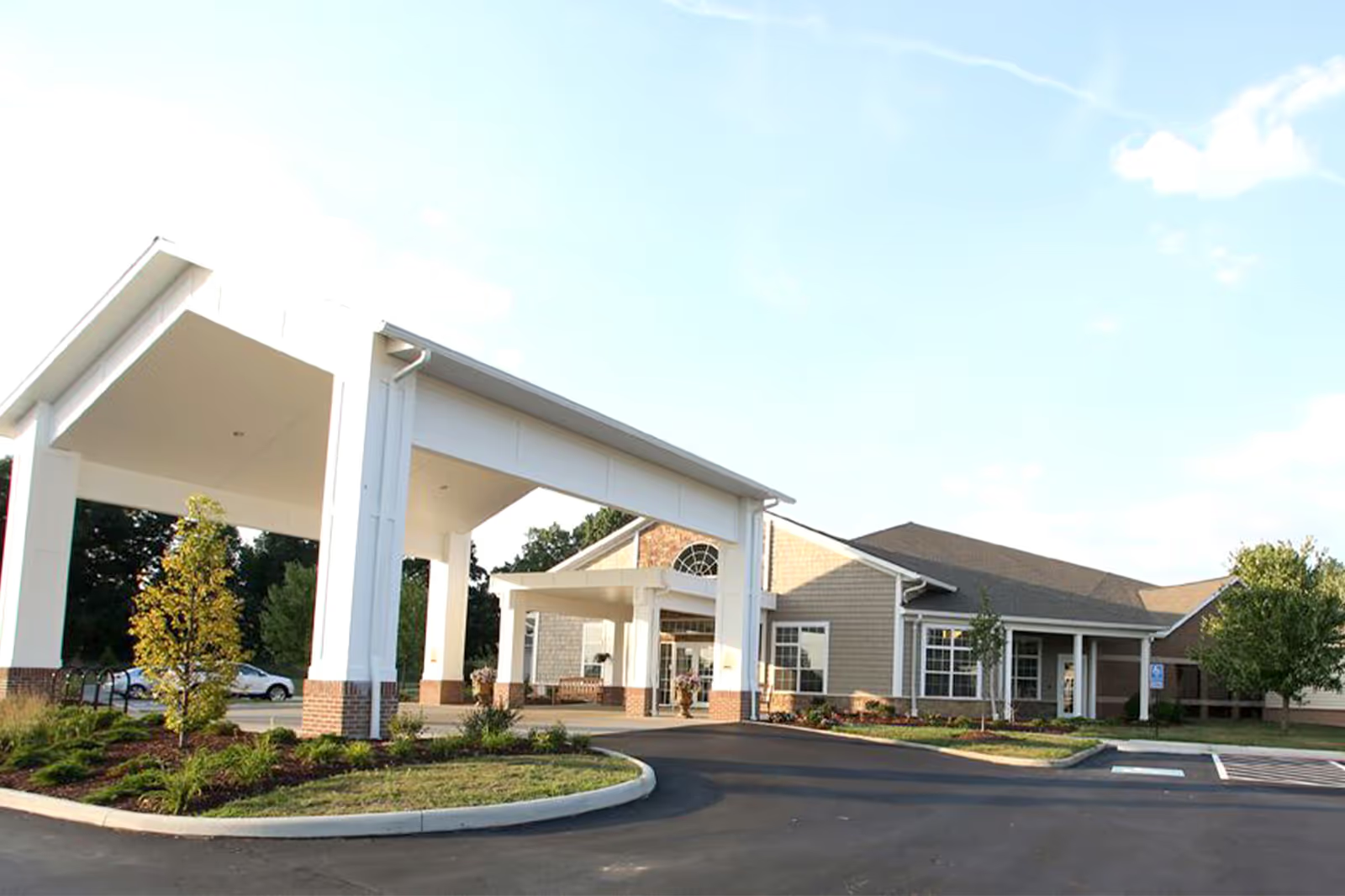
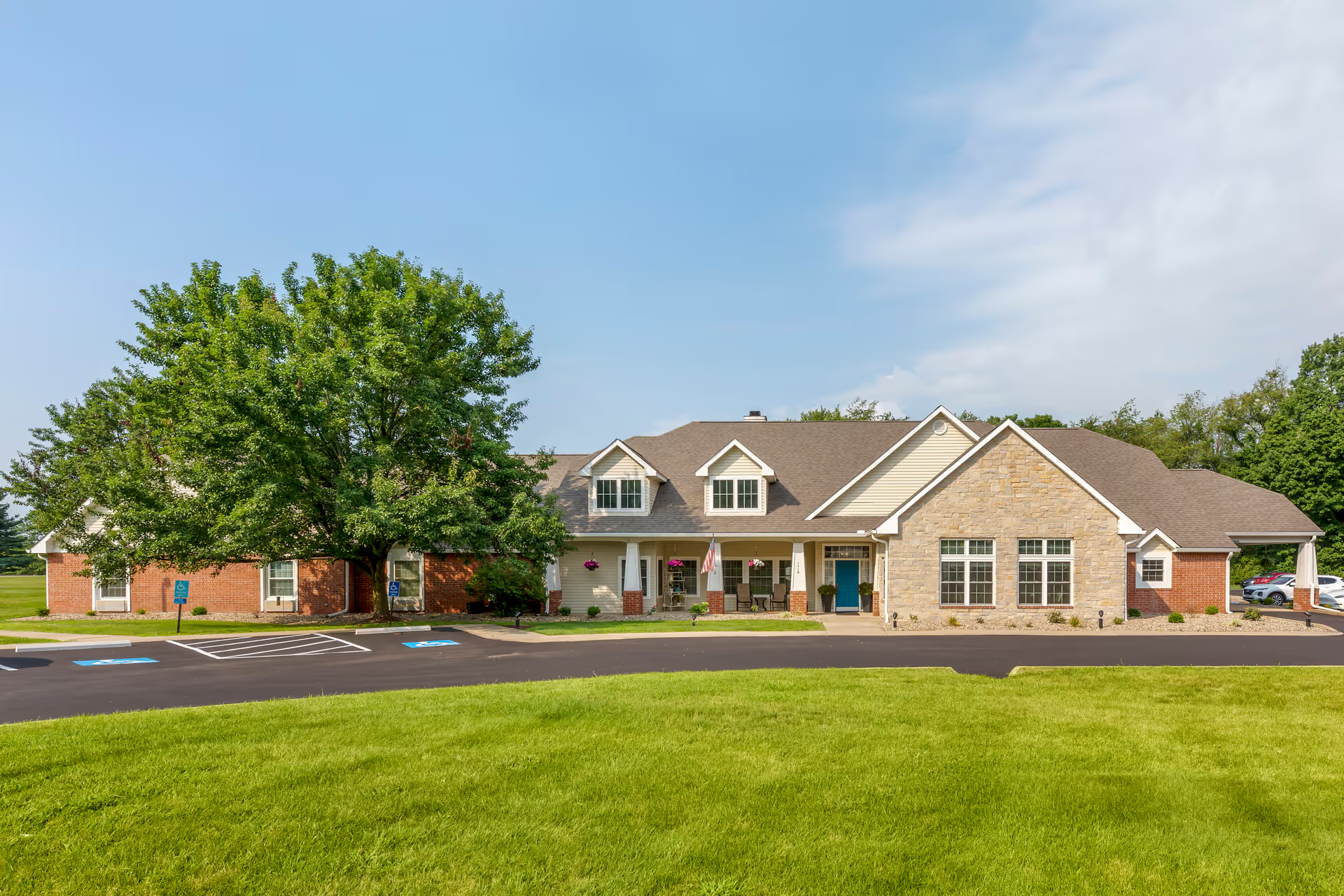
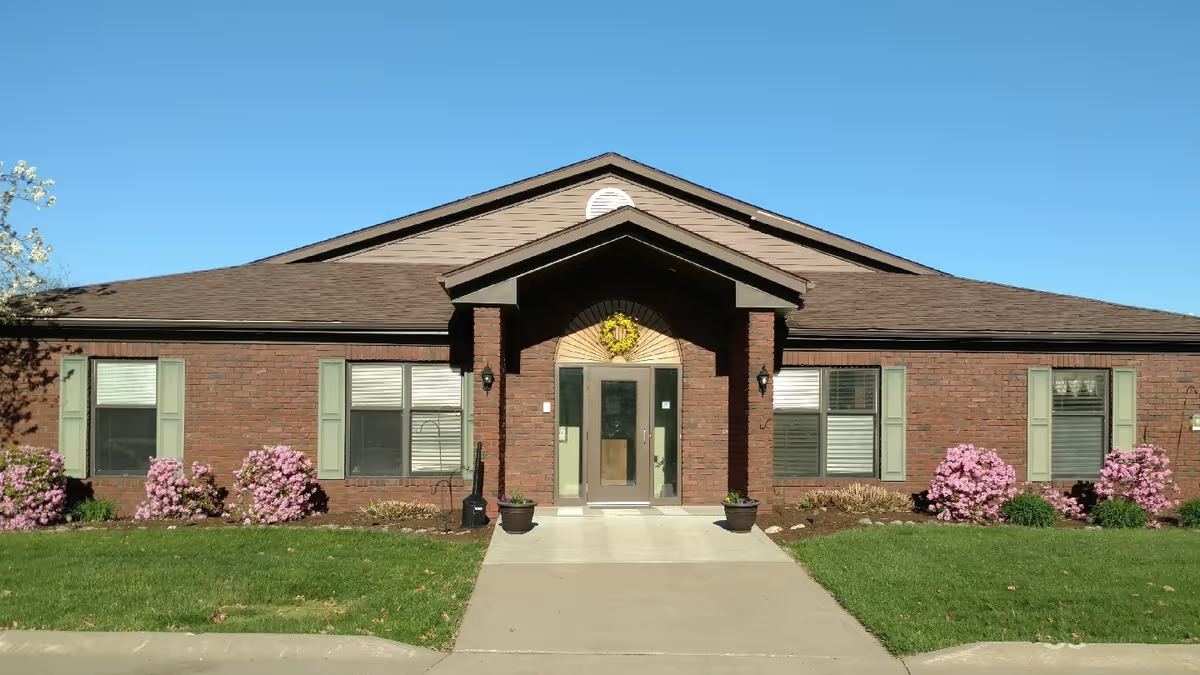
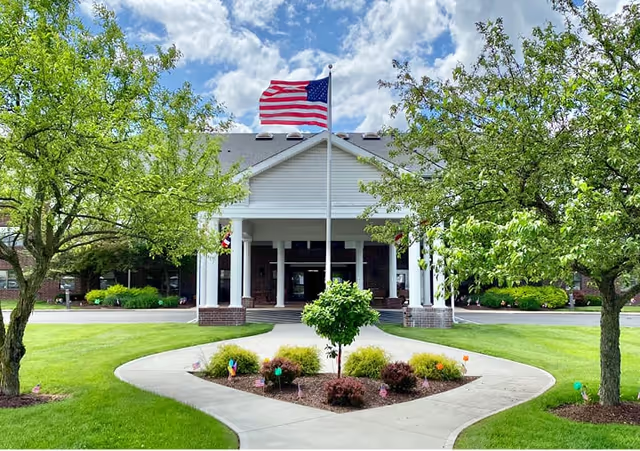
Dining and activities receive mixed feedback: multiple reviewers praise accommodating meals and meaningful activity programming, while other reports describe missed meals, residents kept in rooms instead of brought to dining or activities, and inconsistent meal delivery. Facility condition feedback is likewise mixed: some describe clean, well-kept rooms and pleasant communal areas, while others point to aging furniture, stale air in some areas, parking-lot safety concerns, and localized cleanliness problems.
Management and communication emerge as pivotal factors in the variability of experiences. Families who reported positive outcomes cited helpful administrators and case coordinators who communicated and intervened; negative accounts emphasize poor follow-up, inconsistent family communication, and staff defensiveness. A number of reviews indicate that improvements followed management changes or after families advocated for care transfers.
For prospective residents and families, the salient pattern is one of strong individual caregivers and clinical programs coexisting with operational vulnerabilities that can affect consistency of care. Asking targeted questions about recent regulatory history, staffing ratios by shift, infection-control procedures, medication-safety protocols, laundry and personal-item handling, and how night coverage is supervised may help clarify current performance. Visiting at different times of day and speaking directly with therapy, nursing leadership, and recent family contacts can provide a clearer sense of whether the facility’s strengths are reliably delivered.