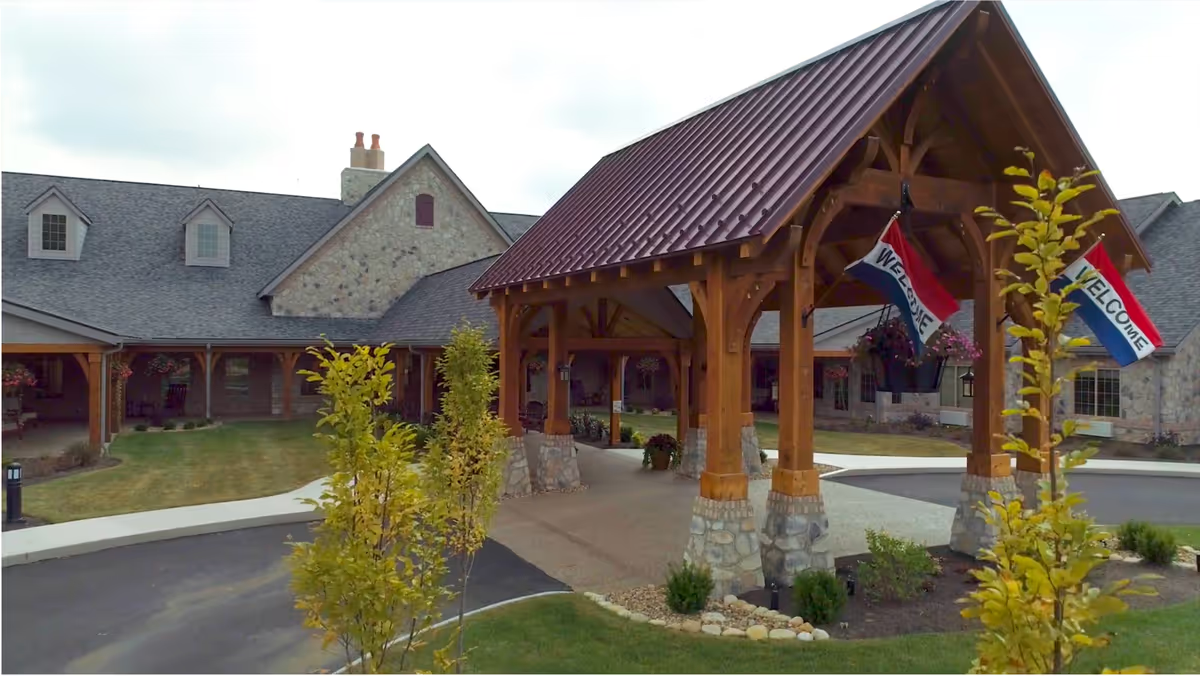
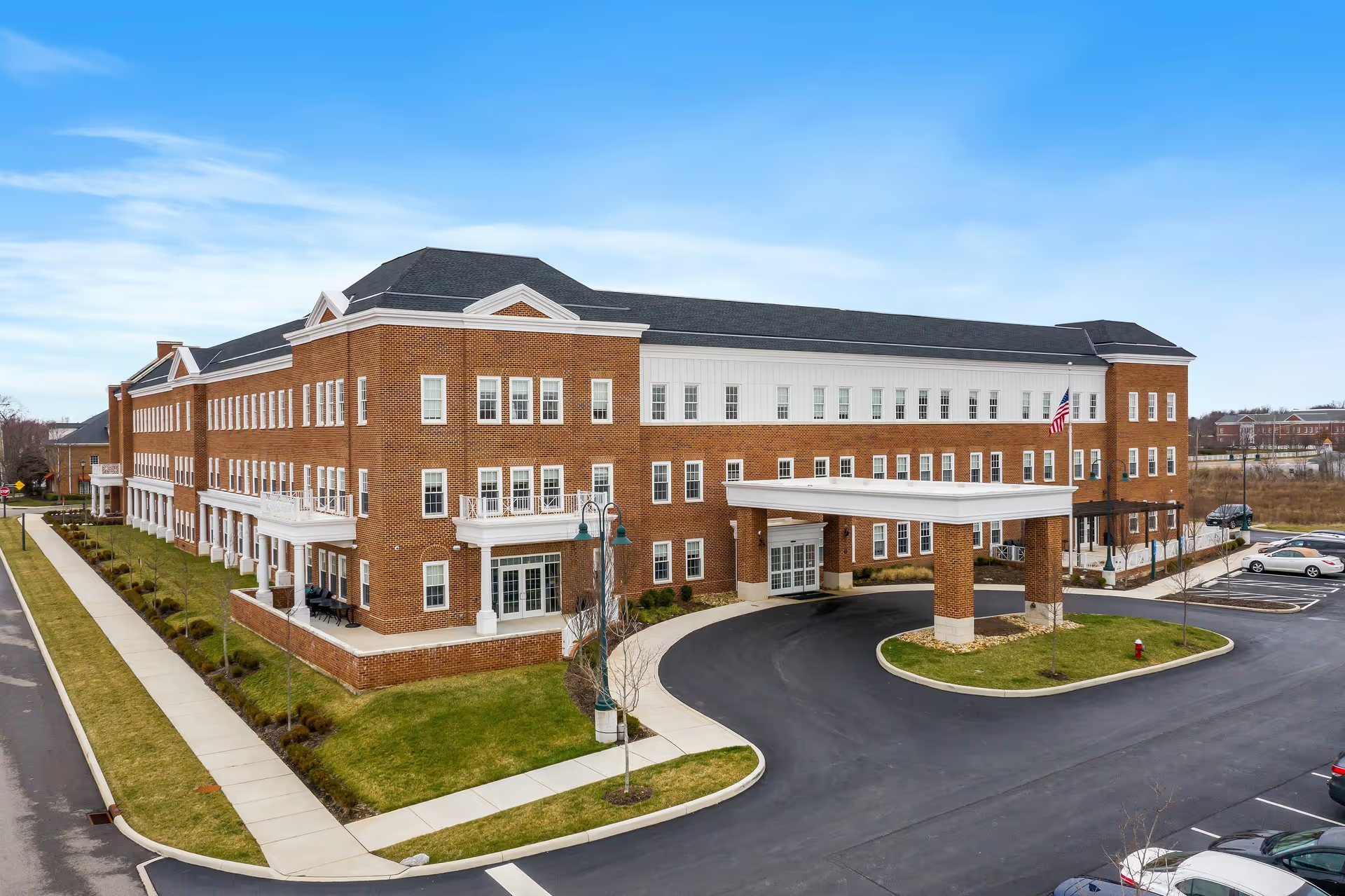
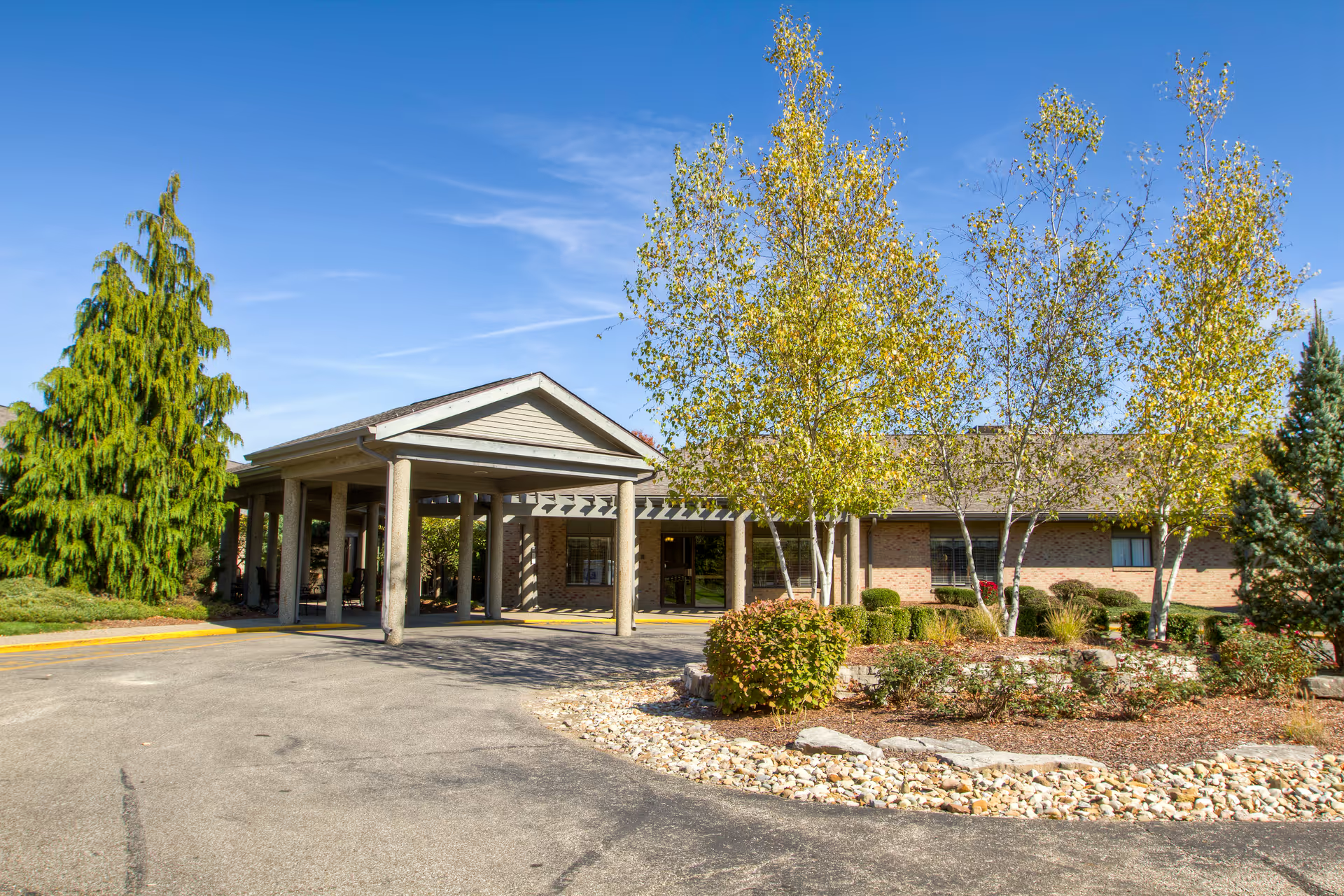
Feedback about Altercare Newark South is notably mixed, with a set of explicitly positive themes alongside precise operational concerns. Many families emphasize compassionate, attentive caregivers, an engaged therapy team, and a clean, welcoming physical environment; others describe gaps in basic operational consistency that affected clinical care and resident comfort.
Care quality presents a split pattern. Positive accounts highlight competent, goal-driven physical/occupational therapy and staff who go above and beyond for residents, producing measurable rehabilitation outcomes and peace of mind for some families. Conversely, other accounts describe delays in routine care (long waits for assistance and delayed therapy initiation after admission), medication-administration errors or lapses, inconsistent wound and dietary management, and instances where lift/transfer technique or supervision contributed to resident discomfort or falls. These contrastive reports suggest variability in clinical practice and the need to confirm individual care-plan execution on admission.
Staff and culture receive generally favorable comments about friendliness, professionalism, and accessibility of leadership; the Executive Director is frequently credited as responsive and visible. At the same time, reviewers note variability in staff conduct and communication tone, particularly at night, and indicate staffing turnover as a factor in inconsistent care experiences. Families should evaluate current staffing ratios, night-shift supervision, and staff continuity when considering placement.
Dining and daily living impressions are mixed. Several reviewers appreciated pleasant common dining and social areas, occasional off-site outings and mobile food options, and a home-like atmosphere. Others raised concerns about meal quality, dietary decision-making that did not align with family preferences, and basic sanitation/odor-control issues in certain areas. These observations point to inconsistent food-service execution and environmental maintenance across the facility.
Activities and amenities are frequently cited as strengths: scheduled events (music, bingo, DJs), communal living spaces, and transportation for errands contribute to resident engagement. Limitations noted include restricted outdoor access or fewer activity options for some residents, and the availability of private rooms—double-occupancy is common—may influence resident preference for privacy.
Facility and management patterns show both assets and deficits. The building’s small size and navigable layout are seen as positive for personalized attention; the facility’s AHCA Bronze recognition and Medicare/Medicaid participation are additional positives. However, operational weaknesses include inconsistent follow-through by administration on family commitments, variable sanitation/odor-control in parts of the building, and at least one serious allegation concerning theft/financial misconduct. Together with examples of inadequate nighttime supervision and transfer-safety gaps, these issues warrant targeted inquiry.
Overall, the reviews are polarized: numerous families report high satisfaction with care quality, cleanliness, leadership visibility, and activities, while other families report concrete operational failures that materially affected resident safety, comfort, or medication management. Prospective residents and families should ask targeted questions during tours and admissions about staffing levels and turnover, medication-administration policies, wound-care and dietary protocols, lift and transfer training, supervision of residents at night and during outings, private-room availability, recent survey/inspection findings, and how the facility documents and follows up on family concerns.