Overall impression Flint Ridge Nursing and Rehabilitation presents a mixed but instructive profile. Many families and former residents describe positive clinical outcomes, particularly in short-term rehabilitation and physical therapy, and they emphasize compassionate, attentive staff and a clean, bright facility environment. At the same time, reviews reveal recurring operational challenges that can affect quality and consistency of care. Prospective residents should weigh the facility’s strengths in rehabilitation and engagement against variability in staffing and oversight.
Care quality and clinical operations Clinically, the facility is capable of managing complex medical needs — reviewers cite wound care, IV and central/PICC line management, catheter and G-tube care, and successful stroke and post-operative rehabilitation leading to functional improvement. Several accounts praise coordinated communication among the director of nursing, therapists, nurses, and aides. However, there are consistent concerns about staffing levels and continuity: high patient-to-nurse ratios, frequent use of agency staff (particularly on weekends), and unit managers stepping into direct care. These staffing patterns are associated in some accounts with delays in responsiveness to resident calls, inconsistent bathing and incontinence-care schedules, and variable oversight of high-acuity patients. A small number of accounts describe clinical lapses that required hospital transfer; while not representative of the overall experience, they underscore the operational risk when staffing or supervision is stretched.
Staff, culture, and administration Staff behavior and culture show a pronounced split. Many reviewers commend specific employees (nurses, therapists, social-care staff, receptionists) for kindness, empathy, and helpful admission support. Activity staff and therapy teams receive frequent praise for fostering engagement and progress. Conversely, other reviewers cite inconsistent professionalism, delays in attending to requests, and limited administrative visibility into day-to-day clinical issues. Admissions and some administrators are described as helpful and communicative, yet families also note occasions when leadership is less involved and weekend supervision is limited. Agency staffing coordination and occasional payroll/scheduling problems for agency personnel were also mentioned, indicating room for operational improvement.
Dining, activities, and social life Activities are a clear strength: reviewers highlight a robust schedule (holiday events, Bible study/faith-based programs, social gatherings, and special celebrations) that supports socialization and morale. Several long-term residents describe strong friendships and maintained independence. Dining quality appears variable: while some find meals acceptable, others describe inconsistent food quality and the absence of preferred dining formats (notably a requested drive-through style option). Families should ask about current dining menus and accommodations for special diets during tours.
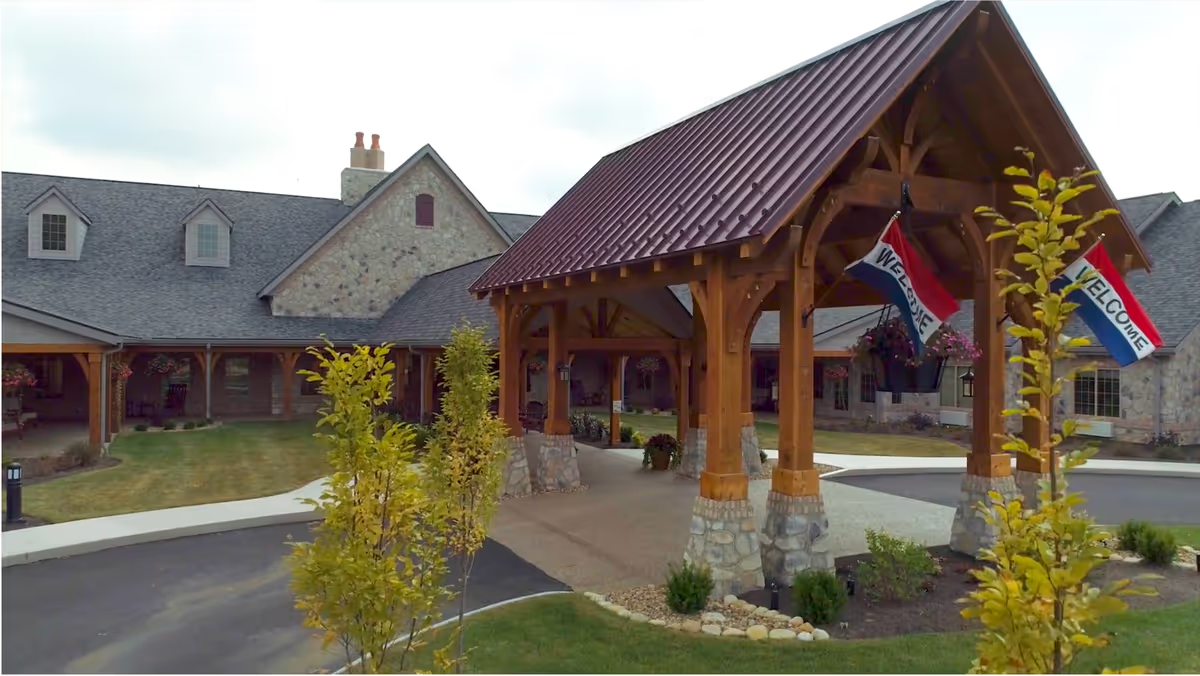
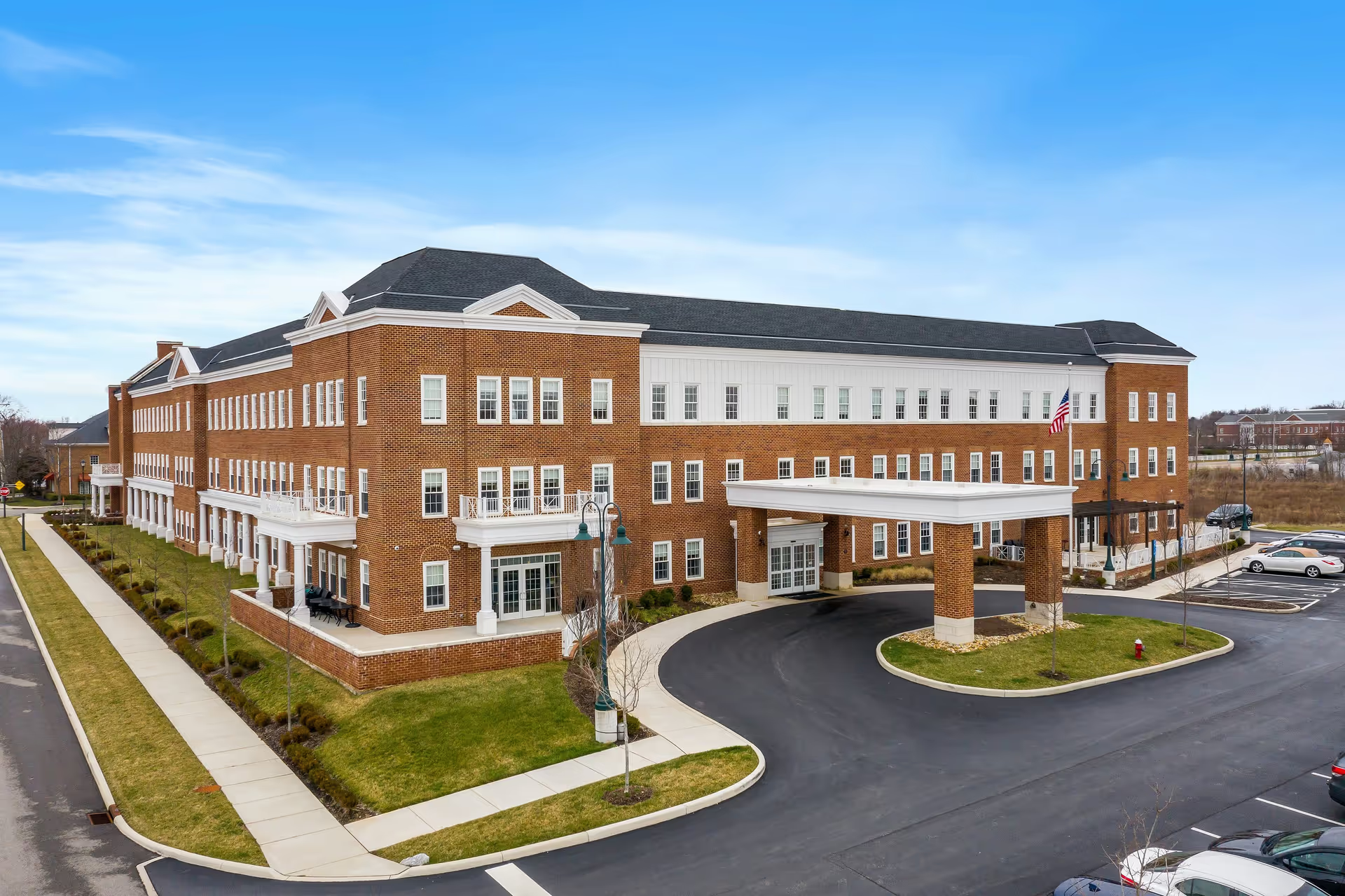
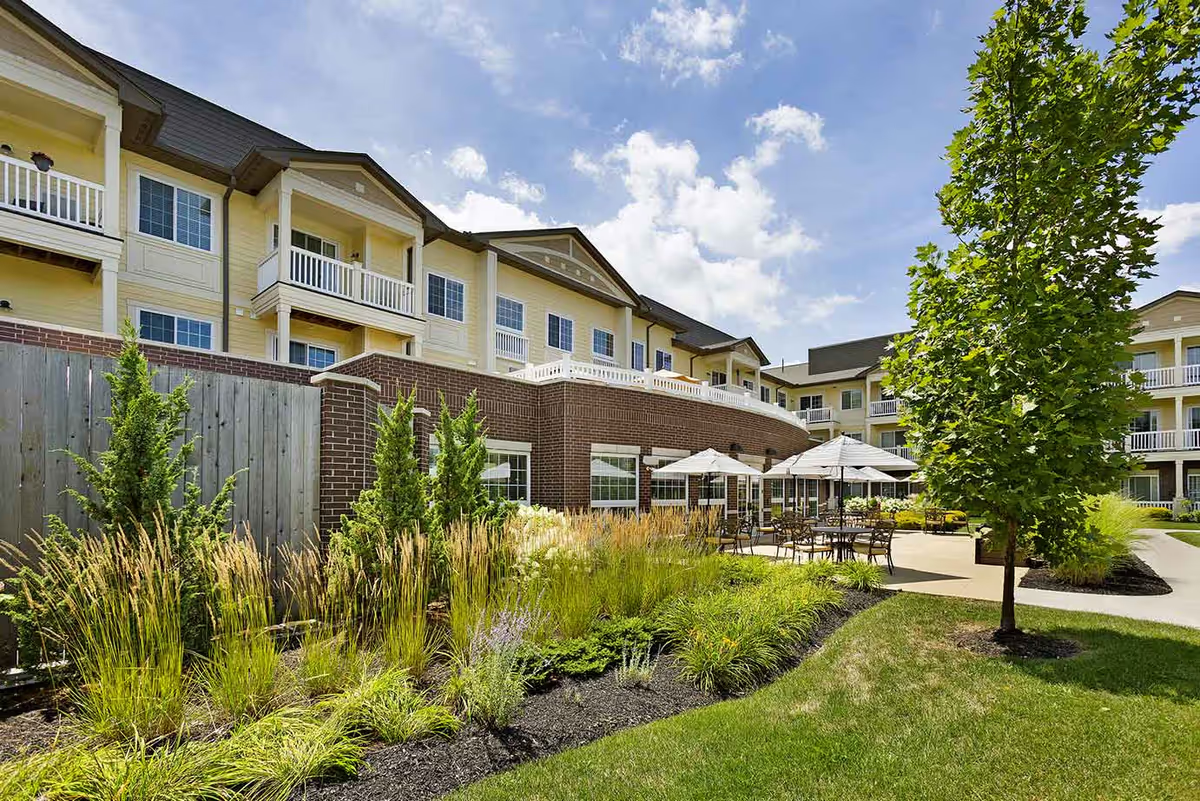
Facilities and safety The facility is frequently described as clean, bright, and well-maintained, with comfortable, functional apartments. Positive notes include cheerful common areas and effective housekeeping. Nonetheless, operational safety and sanitation issues are raised in a subset of accounts: sanitation concerns in some restrooms, missing bed-safety features (such as rails) that contribute to fall-risk perceptions, and occasional inconsistencies in equipment availability. Prospective residents should verify room safety features and restroom maintenance during visits.
Costs and value Cost is a recurring practical consideration; one reviewer cited a high monthly price point. When assessing value, families should balance the facility’s rehabilitation strengths, staff compassion, and activity program against the potential for inconsistent staffing continuity, weekend supervisory gaps, and variability in ancillary services.
Notable patterns and recommendations for families A clear pattern emerges linking positive experiences with stable staffing, good therapy access, and engaged unit-level staff, while negative experiences tend to coincide with high agency use, weekends, and periods of lower administrative visibility. For prospective residents and families: ask about current staffing ratios, frequency of agency nurse coverage, weekend clinical supervision, therapy schedules, restroom maintenance routines, safety features in rooms, and policies on family involvement. Confirm cost and what services are included to align expectations with value.
Summary assessment Flint Ridge offers strong rehabilitative capabilities, a lively activities program, and many examples of compassionate, effective caregiving. However, variability in staffing continuity, responsiveness, and some operational areas (sanitation in specific locations, safety equipment, dining consistency) creates uneven experiences. These facility-level patterns are actionable: targeted questions and on-site inspection can help families determine whether current operational conditions match their needs and expectations.