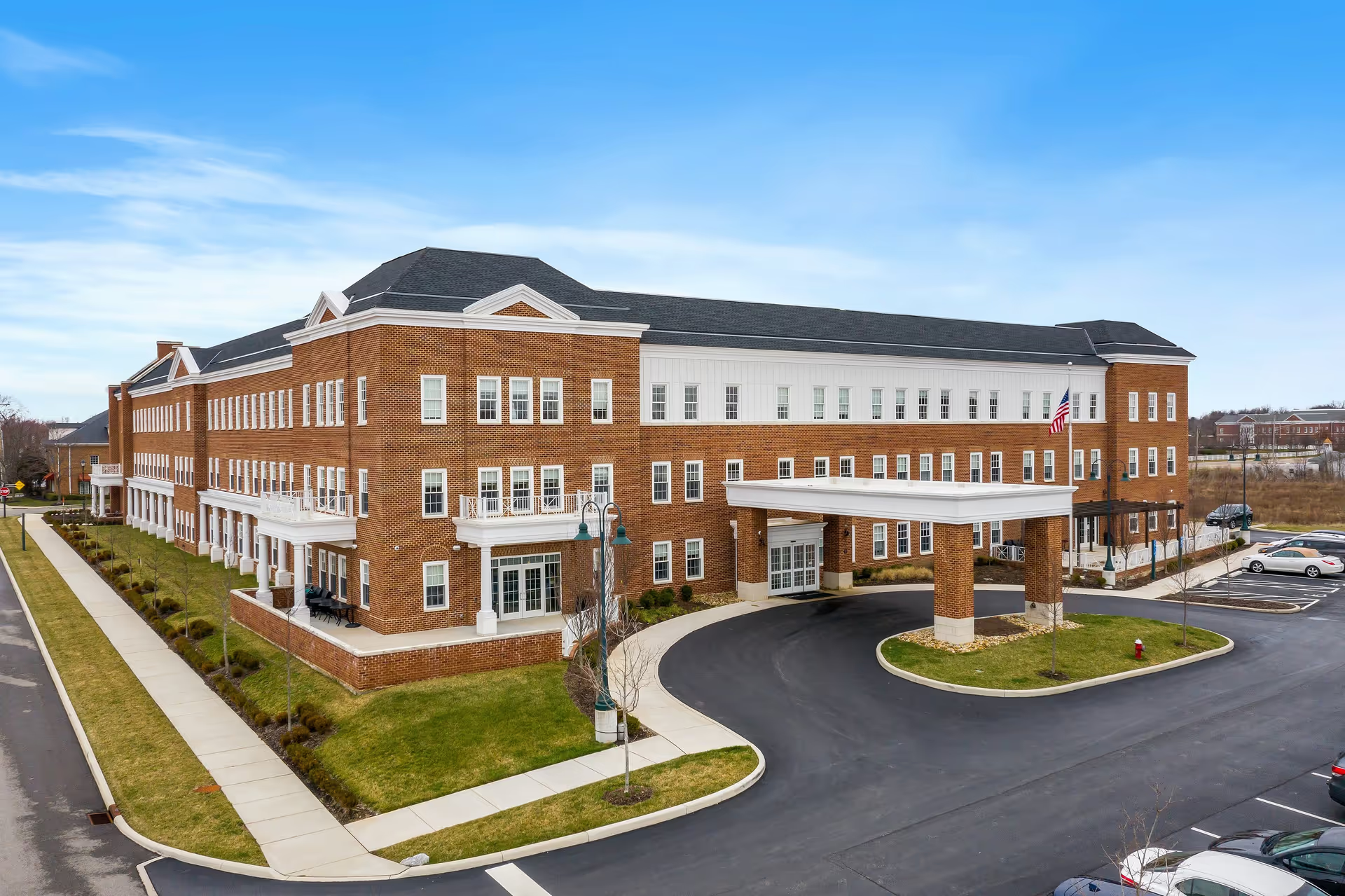
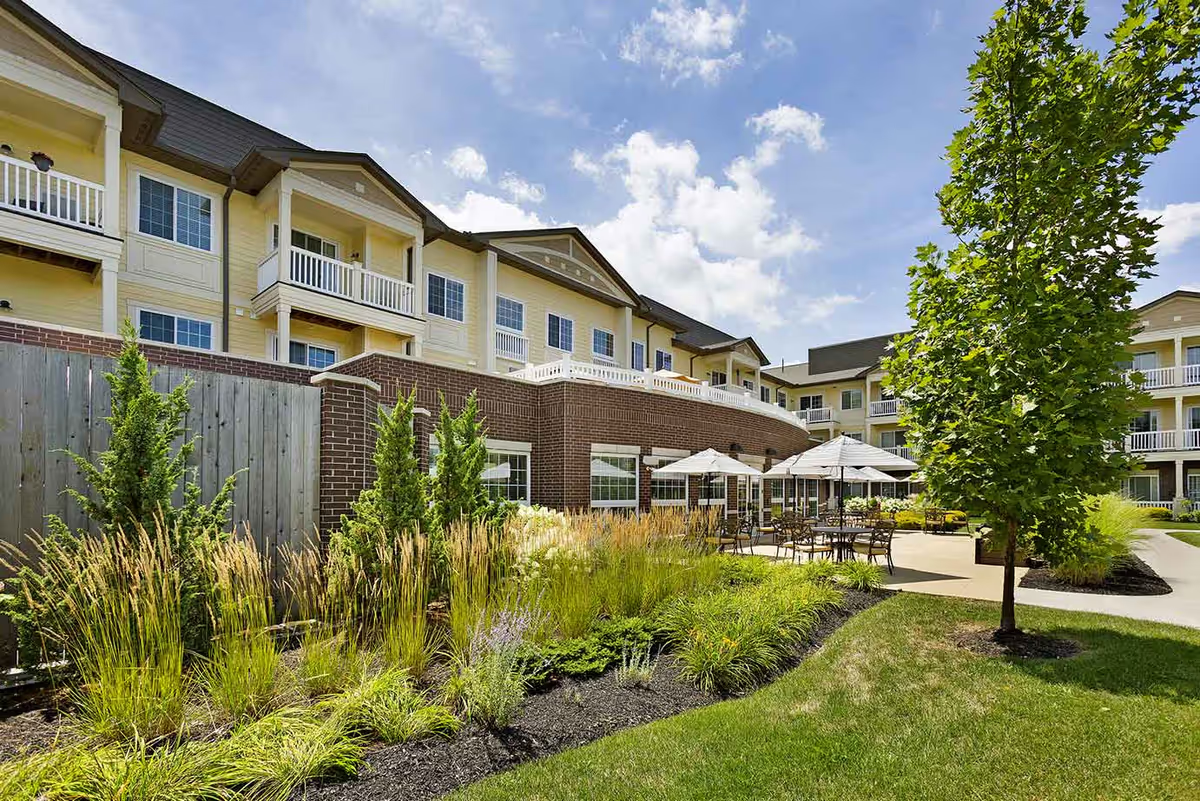
The reviews for Newark Rehabilitation present a divided picture: many families and residents praise the facility’s rehabilitative services and the compassion of direct-care staff, while a substantial set of operational and clinical concerns recurs across other accounts. The facility’s physical and occupational therapy programs are a clear strength in numerous accounts — therapists are described as dedicated, motivating, and effective, and therapy outcomes and successful discharges are cited frequently. Activities programming is also noted as engaging, with organized games and events that support socialization and recovery.
Clinical care beyond therapy appears inconsistent. Multiple reviewers describe delays in medication administration and pain control, missed or delayed dressing changes and wound care, and episodic lapses in timely response to call lights. These process issues have clinical implications: families report falls, unmet care needs at night, and cases where discharge paperwork or medication reconciliation was incomplete. In contrast to the strong therapy services, nursing continuity and some clinical routines (medication timing, wound-care scheduling) are areas of concern.
Staff characteristics are a mixed finding. Many reviewers emphasize kindness, respect, and individualized attention from aides, nurses, and therapists; the facility is described by some as having a family-like team culture and staff who stay late or go above and beyond. At the same time, chronic understaffing — especially on nights and weekends — and frequent turnover are cited as underlying contributors to delayed responses, inconsistent care practices, and variable staff communication. Several accounts also describe difficulties reaching management or physicians in a timely way.
Dining and activities receive mixed feedback. Some families appreciate menu variety, dietary consultation on admission, and pleasant dining experiences; others describe unsatisfactory meal quality or limited meal execution. Activities offerings and therapy-linked social programs are generally viewed positively and are considered a meaningful component of the rehabilitation experience.
Facility condition and infection control are likewise inconsistent across reports. Positive descriptions of clean, comfortable surroundings coexist with reports of sanitation issues, odor concerns, maintenance deficits (courtyard upkeep, ceiling and parking-lot problems), and pest-control concerns. Multiple reviewers raised infection-control issues, including mask noncompliance and outbreak management concerns, which prospective families should consider in their evaluation.
Management and oversight show signs of recent change. Several reviews note improvement under new ownership or administration and praise responsive leadership in some cases; however, other reviews report that management can be difficult to reach and that name changes have not eliminated prior care concerns. Discharge planning and medication reconciliation are specific operational areas flagged for improvement.
Notable patterns: 1) a consistent distinction between strong rehabilitative therapy and uneven nursing/clinical care; 2) understaffing and turnover as a common root cause for delays and communication gaps; and 3) polarized experiences with facility cleanliness, maintenance, and infection control. Prospective residents and families would benefit from targeted questions during a tour: current staffing levels and nurse-to-patient ratios (especially nights/weekends), medication-administration protocols and pain-management timing, wound-care procedures and oversight, infection-control policies and recent outbreak history, processes for discharge medication reconciliation, and examples of recent maintenance or improvement projects. These focused inquiries can help clarify whether the facility’s strengths align with an individual resident’s clinical and safety needs.