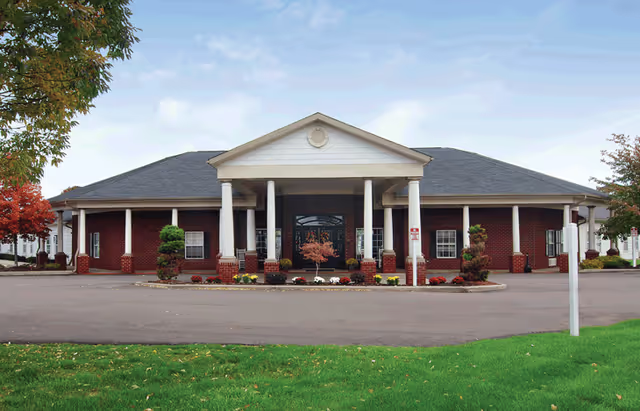
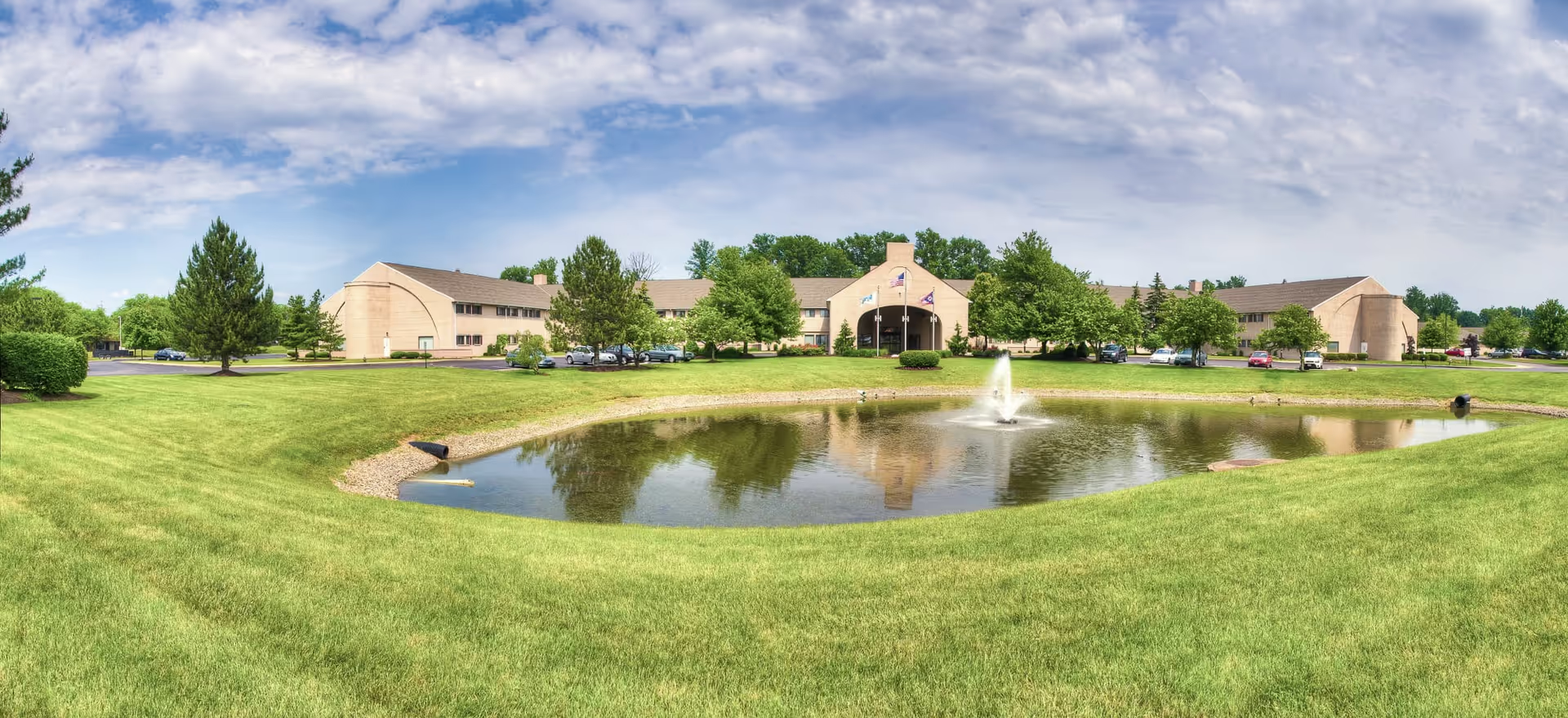
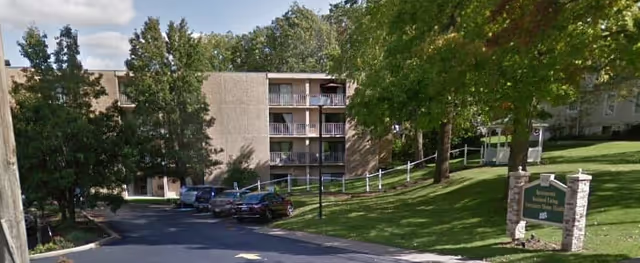
Twilight Gardens elicits strongly mixed impressions. Many families and residents praise individual caregivers, therapy staff, and certain leaders: described strengths include compassionate nursing and aides, knowledgeable respiratory therapists, a responsive admissions director, and on-site rehabilitative services. Several accounts highlight the facility’s ability to manage higher-acuity needs (ventilator and tube-feeding capability) and note a welcoming communal atmosphere where residents form friendships. When present, effective family communication and prompt responses to call lights were viewed positively.
Counterbalancing those positives are recurring operational concerns. Staffing constraints are a dominant theme; reviewers note staff appearing stretched thin, variability in continuity of care across shifts, and delays during shift change and after-hours periods. Those patterns are tied to reports of delayed medication administration, slower lab/result turnaround, and inconsistency in therapy frequency and intensity. Several reviews describe significant clinical complications—including pressure ulcers and catheter-related infections—that families associate with gaps in wound and infection-prevention oversight and clinical-incident response.
Housekeeping and dining are areas of notable variability. Some families describe clean, well-maintained common spaces and attentive room care, while others report sanitation and housekeeping inconsistencies in resident rooms and bathrooms. Meal quality and service consistency were also inconsistent: some meals are acceptable but others are described as unappetizing or poorly served. Ongoing construction and related noise were mentioned as a source of disruption.
Administrative processes and family engagement show a similar split. Positive examples of helpful, compassionate staff and good family communication exist alongside repeated comments about poor administrative responsiveness, billing and discharge coordination difficulties, redirected calls, and unclear visitor guidance. There are also remarks about personal-property handling and missing items, which point to inventory-control gaps. A small number of serious individual allegations have led families to reference regulatory review or investigation; these appear isolated but important to verify directly with the facility.
For prospective residents and families, the pattern suggests strong, person-level caregiving and clinical capabilities in some units but operational vulnerabilities in staffing, medication and wound-care processes, sanitation consistency, and administrative responsiveness. Those evaluating the facility should ask specific, current questions about staffing ratios and handoff procedures, wound- and infection-prevention protocols, medication administration safeguards, housekeeping schedules, meal-service routines, and the facility’s process for communicating clinical incidents and discharge/billing timelines. Visiting in person and speaking with on-duty clinical leadership can help assess whether the positive caregiving examples are representative of the current operating conditions.