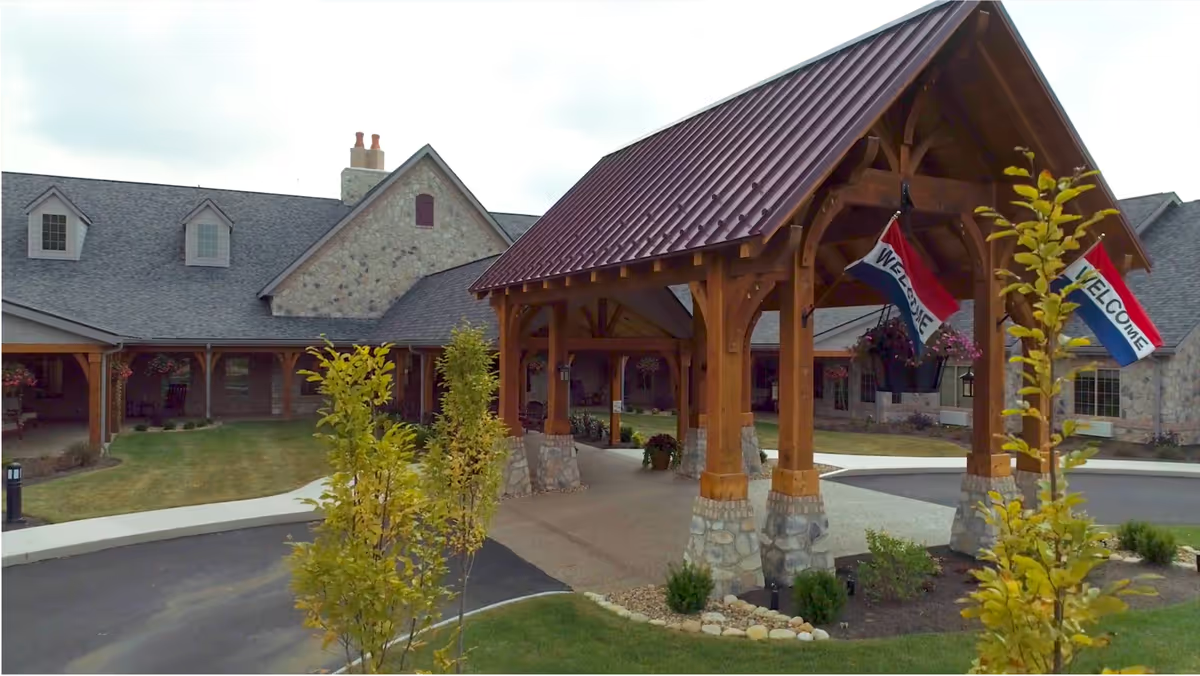
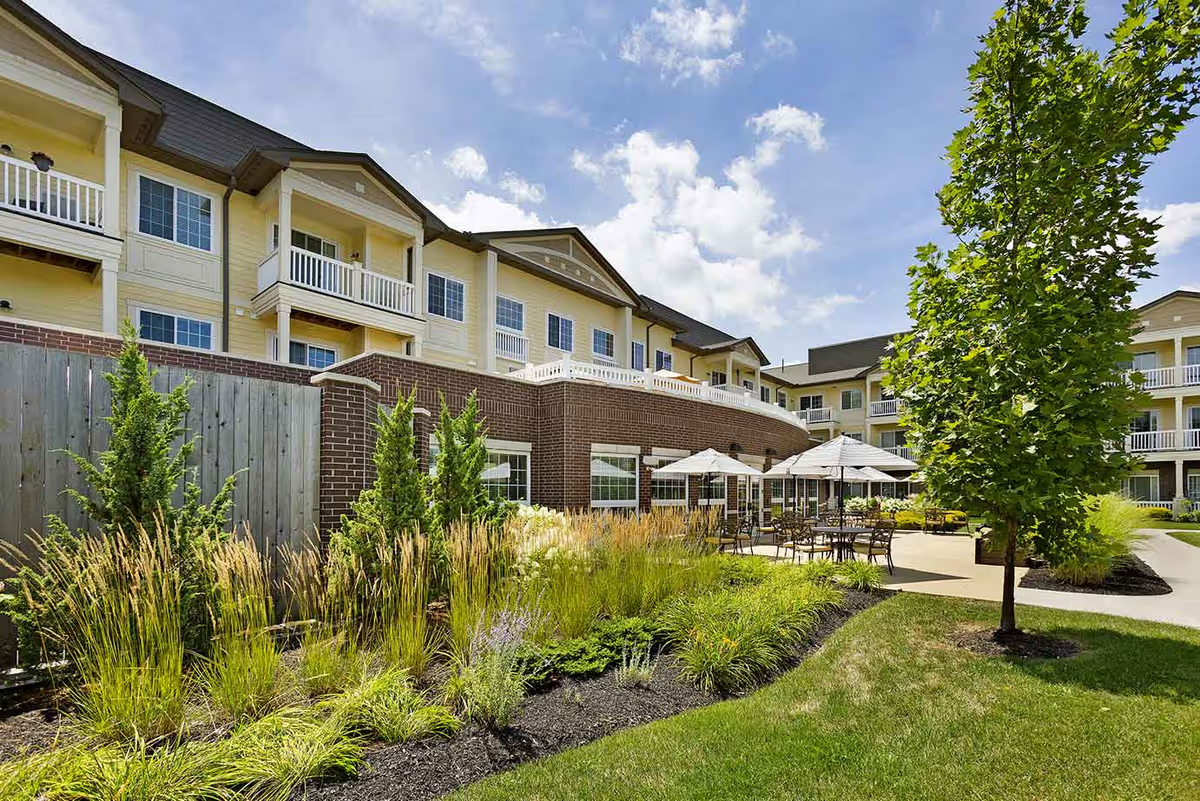
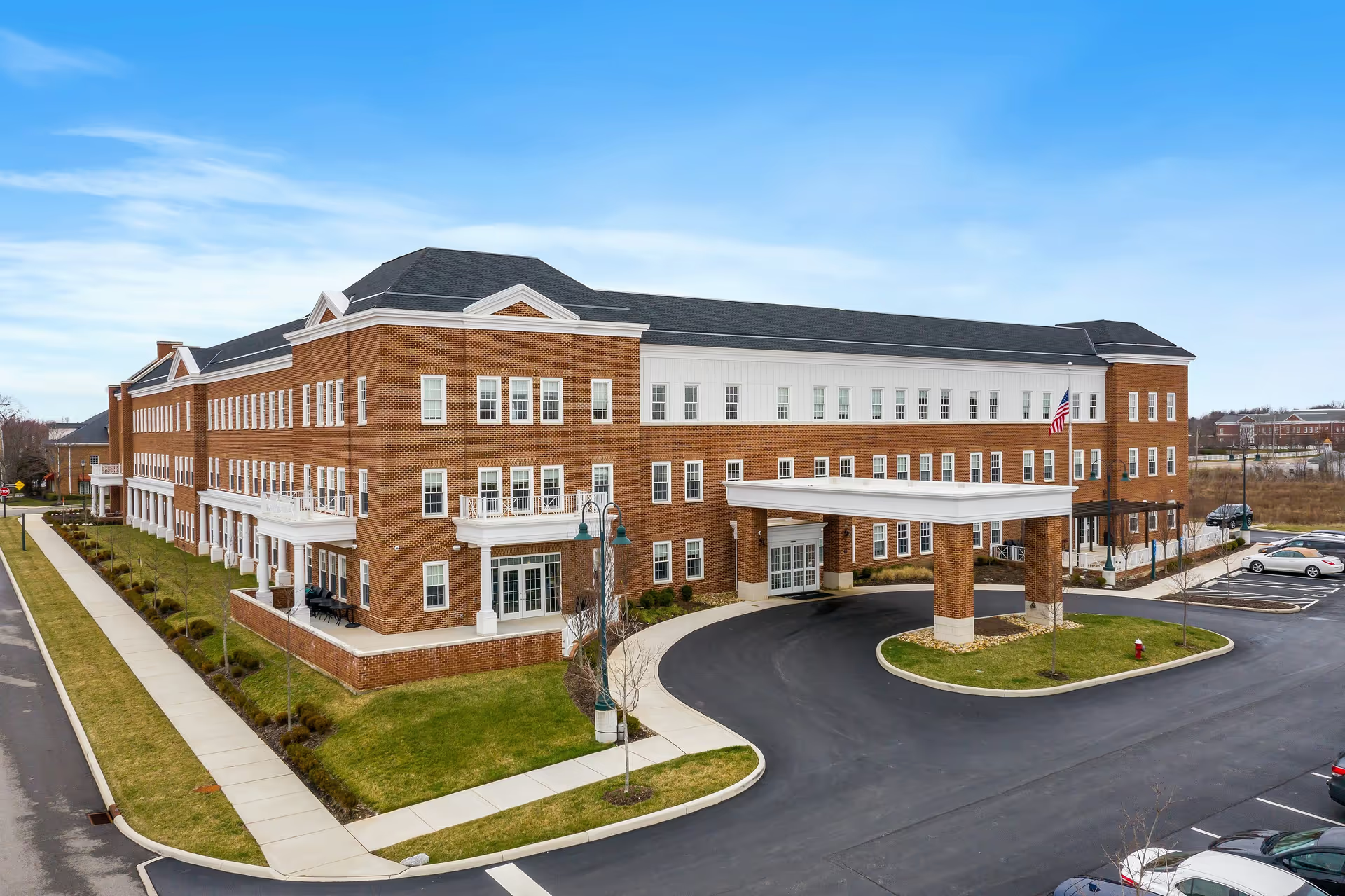
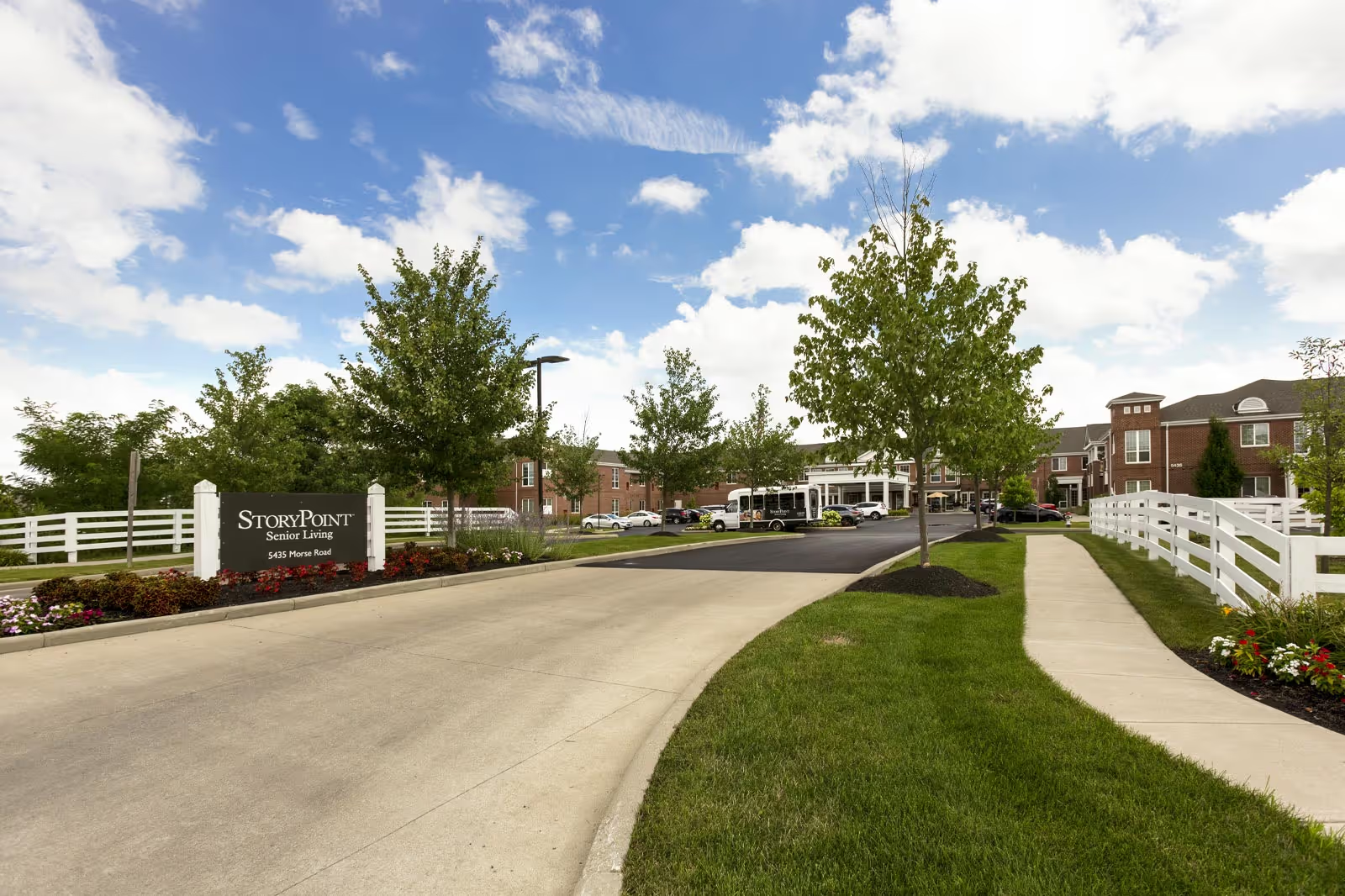
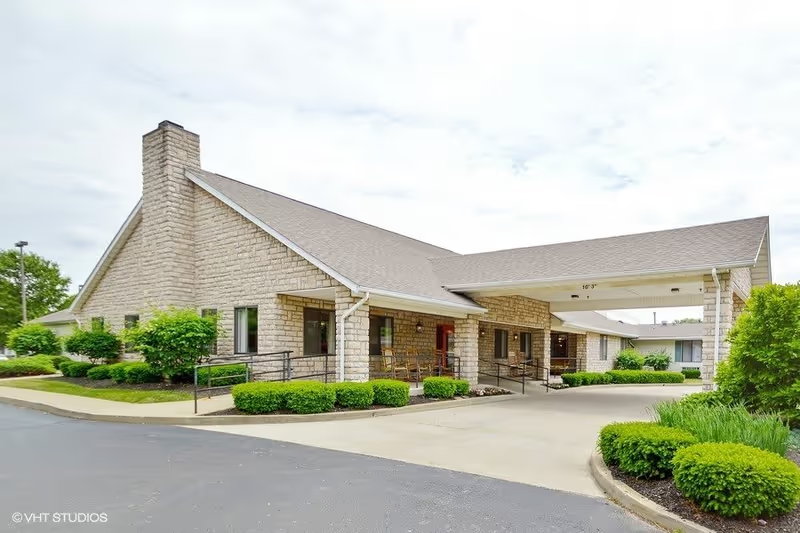
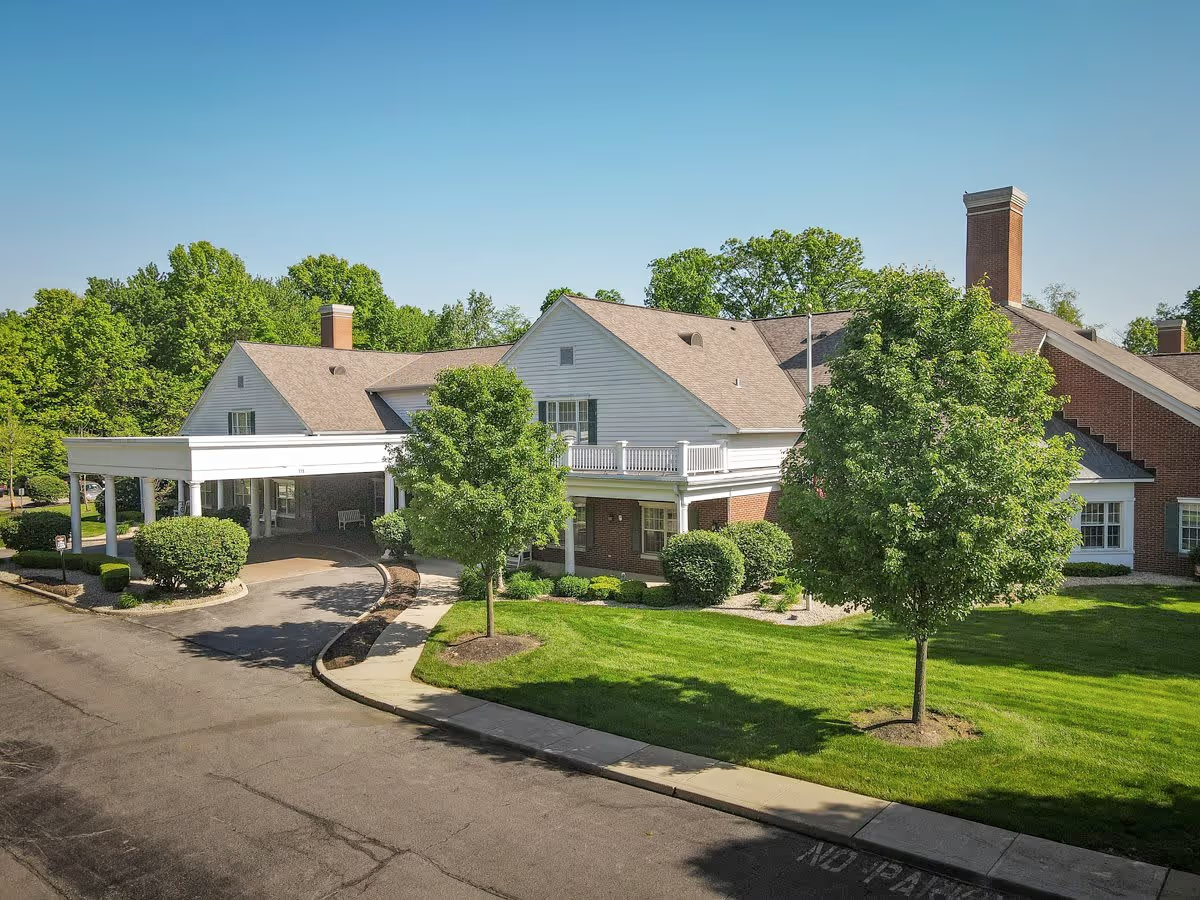
Pataskala Oaks Care Center elicits strongly mixed impressions. Many families and staff describe warm, compassionate caregiving: nurses, aides, and therapists are frequently characterized as attentive, knowledgeable, and willing to go beyond routine duties to meet resident needs. The facility also receives consistent praise for a clean, well-maintained interior, a welcoming, family-like culture, active daily programming, and an engaged kitchen and dining team that provides ample portions. Several families reported positive short-term rehabilitation progress under the facility’s PT/OT staff.
At the same time, a range of operational weaknesses appears across accounts. Responsiveness to call bells and timely bedside attention is inconsistent; some families describe prompt responses while others describe delays. Clinical coverage shows variability — therapists may be contract-based rather than continuously on site, and reviewers flagged limited availability of certain specialists and therapy options (notably cardiovascular-conditioning offerings). The facility layout and limited private-room inventory were also noted as constraints for residents needing more intensive skilled care or privacy.
Housekeeping, laundry, and infection-prevention practices represent another area of divergence. Although many describe rooms and common areas as clean, others describe intermittent sanitation and odor concerns in public spaces, floor-cleaning lapses, laundry mix-ups, and policy gaps around staff working while ill. These operational lapses tie into family-reported deficiencies in communication: caregivers and family members described uneven frequency and quality of health updates, delays in administrative responses, and occasional restrictions on resident contact or phone access that complicated family involvement.
Dining receives mixed assessments: the kitchen staff is often seen as friendly and generous, but meal and beverage quality and taste are inconsistent and portion sizes may not suit every resident. Rehabilitation outcomes vary by individual; some residents benefit from effective therapy programs, while others perceive limited progression or insufficient therapy intensity.
A few reviews raise serious concerns about resident safety management and staff conduct, including allegations of staff theft and questions about management of high-risk individuals within the facility. These are significant issues that families and prospective residents should discuss directly with leadership and verify through facility policies and regulatory records.
Overall, Pataskala Oaks presents clear strengths in staff engagement, warmth, and facility upkeep that many find reassuring. However, variability in responsiveness, clinical coverage, housekeeping consistency, communication, and certain safety and administrative practices suggests prospective residents and families should ask targeted questions during tours: staffing levels and on-site specialty coverage, call-bell response times, infection-control and sick-staff policies, laundry and valuables procedures, private-room availability, and the facility’s approach to family communication and management of high-risk residents. Visiting during different times of day and requesting recent inspection or compliance records will help prospective families evaluate how well the facility’s operational practices match its positive caregiving reputation.