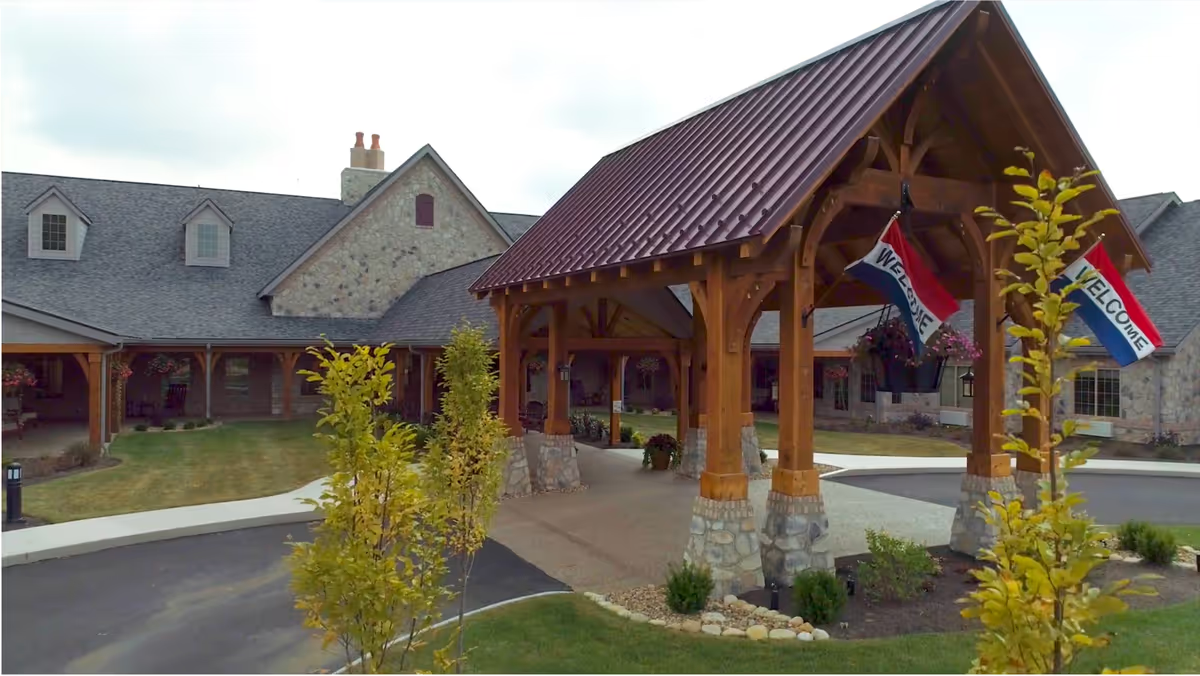
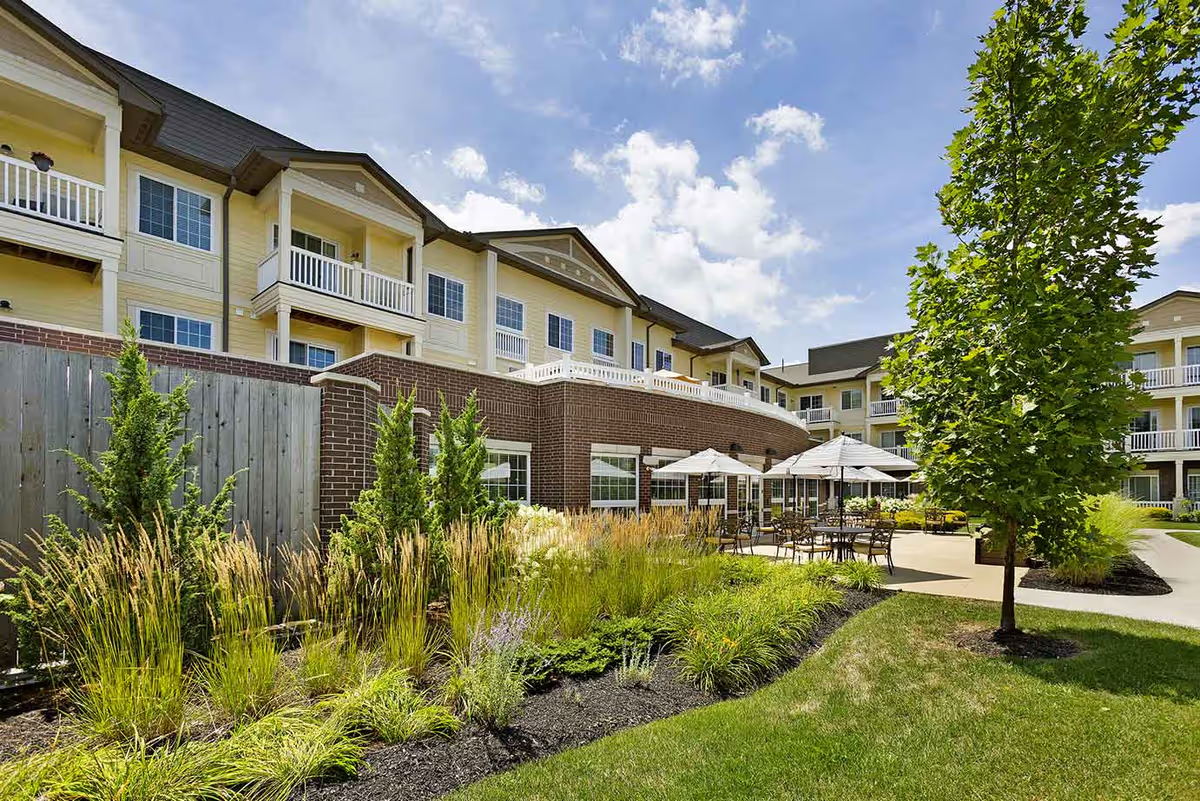
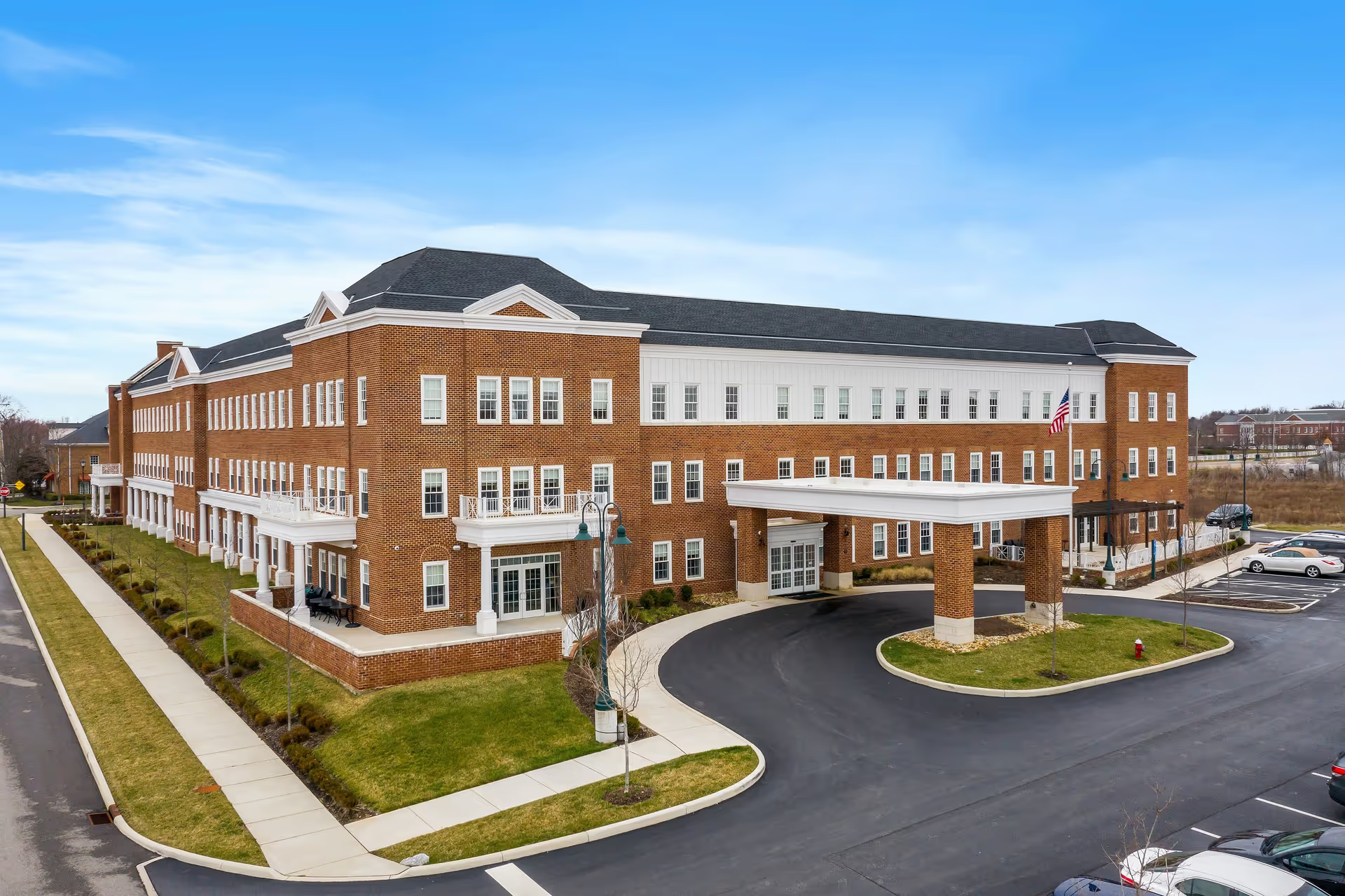
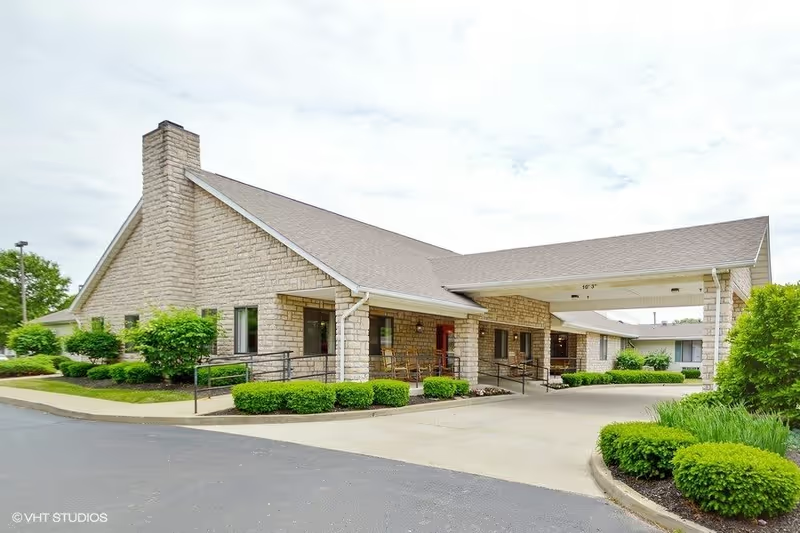
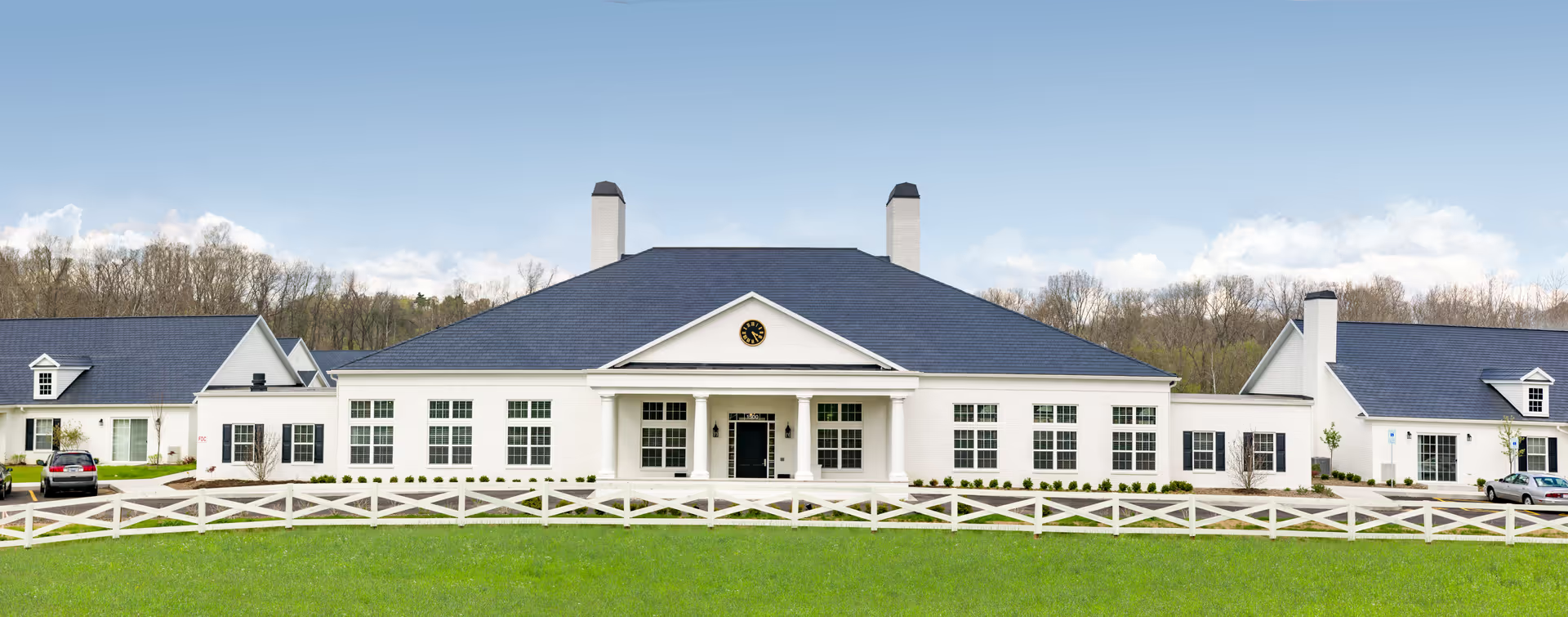
Tuscany Gardens elicits strongly polarized impressions. Many families and patients praise the facility's rehabilitation services, noting excellent physical, occupational and speech therapy programs and well-laid-out post-stroke recovery plans. A substantial number of comments describe compassionate, attentive nursing and aide staff who facilitate prompt issue resolution and supportive discharge planning. The facility's interior appearance, private rooms with en-suite bathrooms, overall cleanliness, and a homelike atmosphere are repeatedly highlighted as strengths.
Care quality and staffing present a mixed picture. Several reviewers describe top-notch rehabilitative outcomes and proactive clinical communication (for example, timely medication-change notifications). At the same time, recurring themes include inconsistent staffing levels, frequent nurse turnover, and slow response to call lights. These operational inconsistencies are associated with delayed clinical responsiveness for some residents, and a few accounts raise broader concerns about monitoring and end-of-life communication. There are also specific concerns about transfer and ambulation practices that prospective families should clarify with clinicians.
Dining and activities are similarly variable. Many residents receive individualized meal plans and report positive interactions with kitchen staff, while others find food preparation bland or constrained by dietary restrictions. Activities offerings include a range of events and therapy-animal visits; however, participation levels and scheduling effectiveness appear inconsistent across the resident population. Prospective residents should ask about typical activity calendars and accommodations for individual interests.
Facility upkeep and infection-control performance are generally praised, but a number of comments note sanitation and odor issues in particular areas and observed lapses in hand hygiene or infection-control practices. Given the mixed observations, on-site inspection of common areas and resident rooms, and direct discussion of housekeeping schedules and infection-prevention protocols, are advisable.
Management and administrative experiences vary. Positive interactions with helpful admissions staff and certain administrators are reported, as are helpful billing and case-management support. Conversely, some families experienced long admission waits, miscommunication about bed availability, and back-office delays. There are also isolated reports of inconsistent leadership visibility and communication tone from supervisory personnel.
In summary, Tuscany Gardens offers notable strengths in rehabilitation, many instances of compassionate bedside care, a clean and welcoming physical environment, and individualized meal and therapy planning. These positives coexist with operational weaknesses that include variable staffing, intermittent communication gaps, inconsistent activity engagement, and localized sanitation or infection-control concerns. Prospective residents and families would benefit from in-person observation of care routines, direct questions about staffing patterns and transfer protocols, clarification of admissions and billing processes, and review of the facility's infection-prevention practices before making a decision.