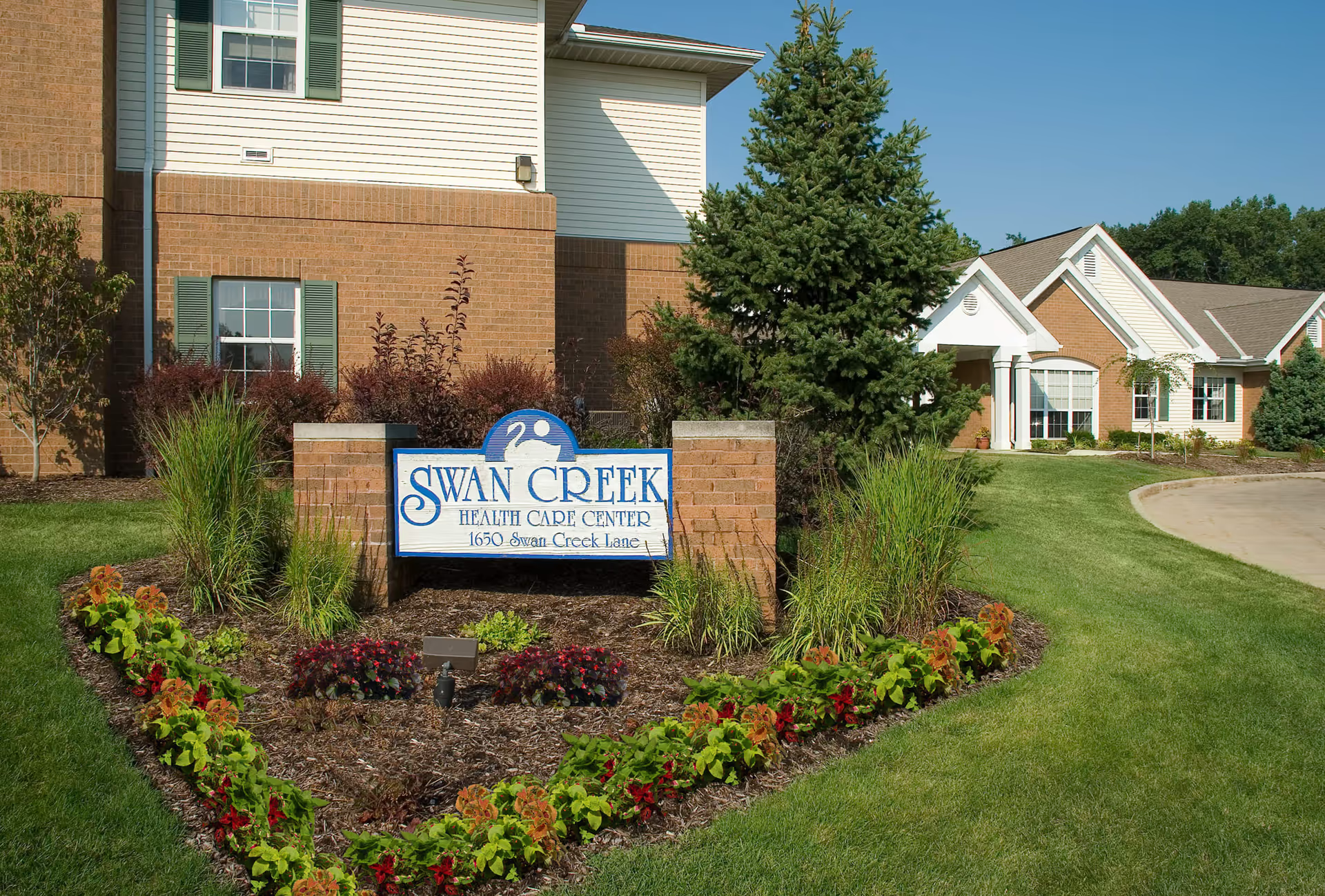
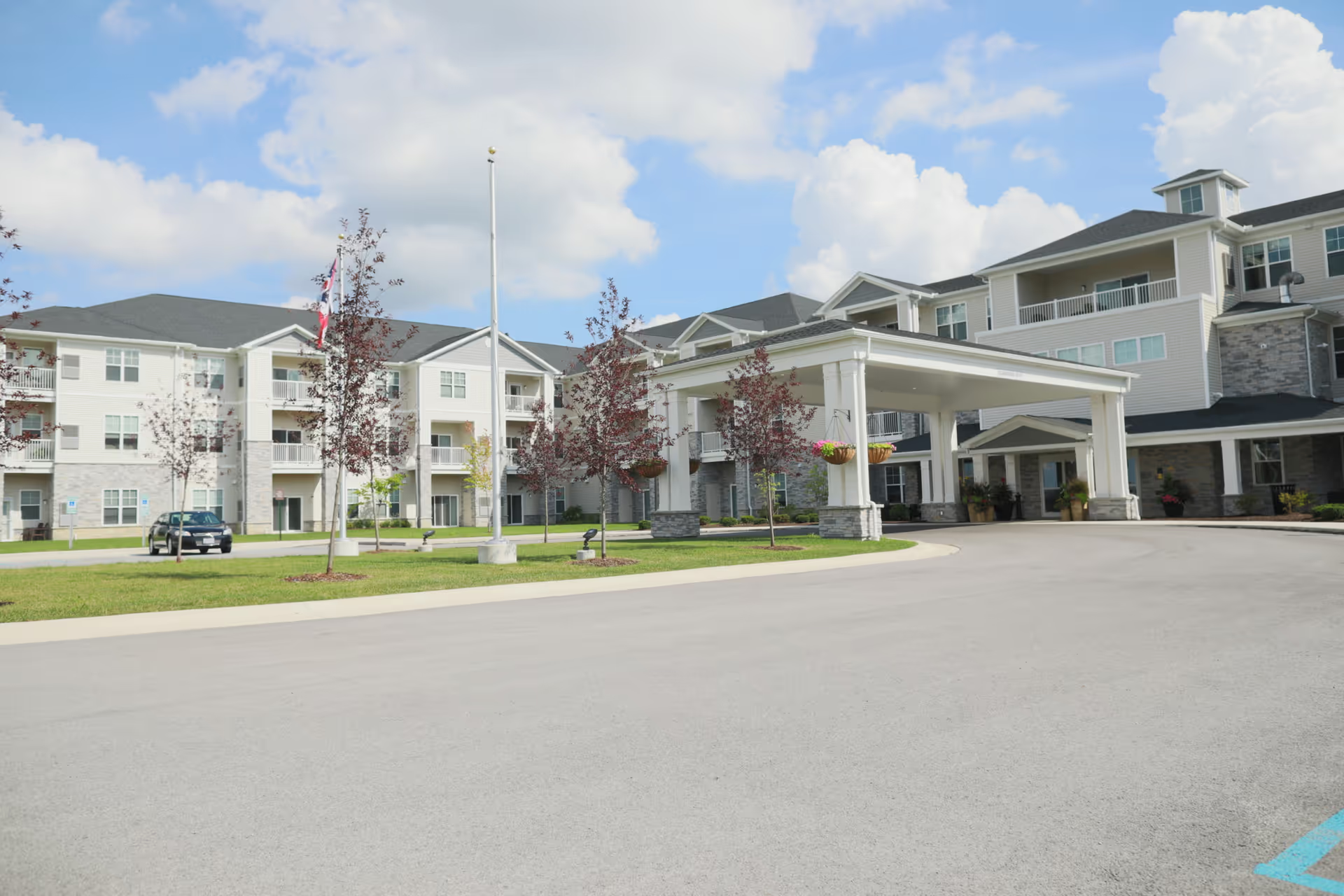
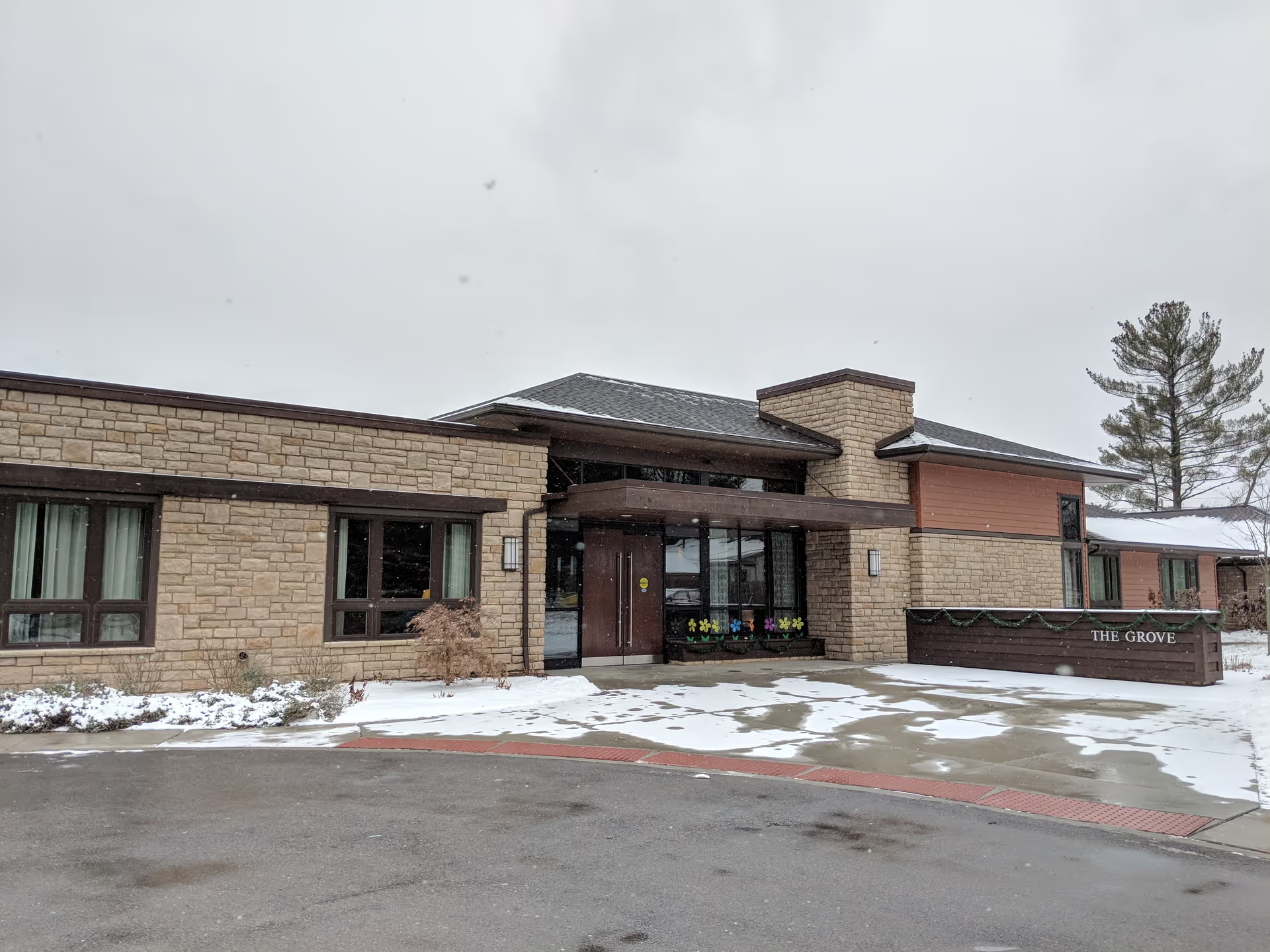
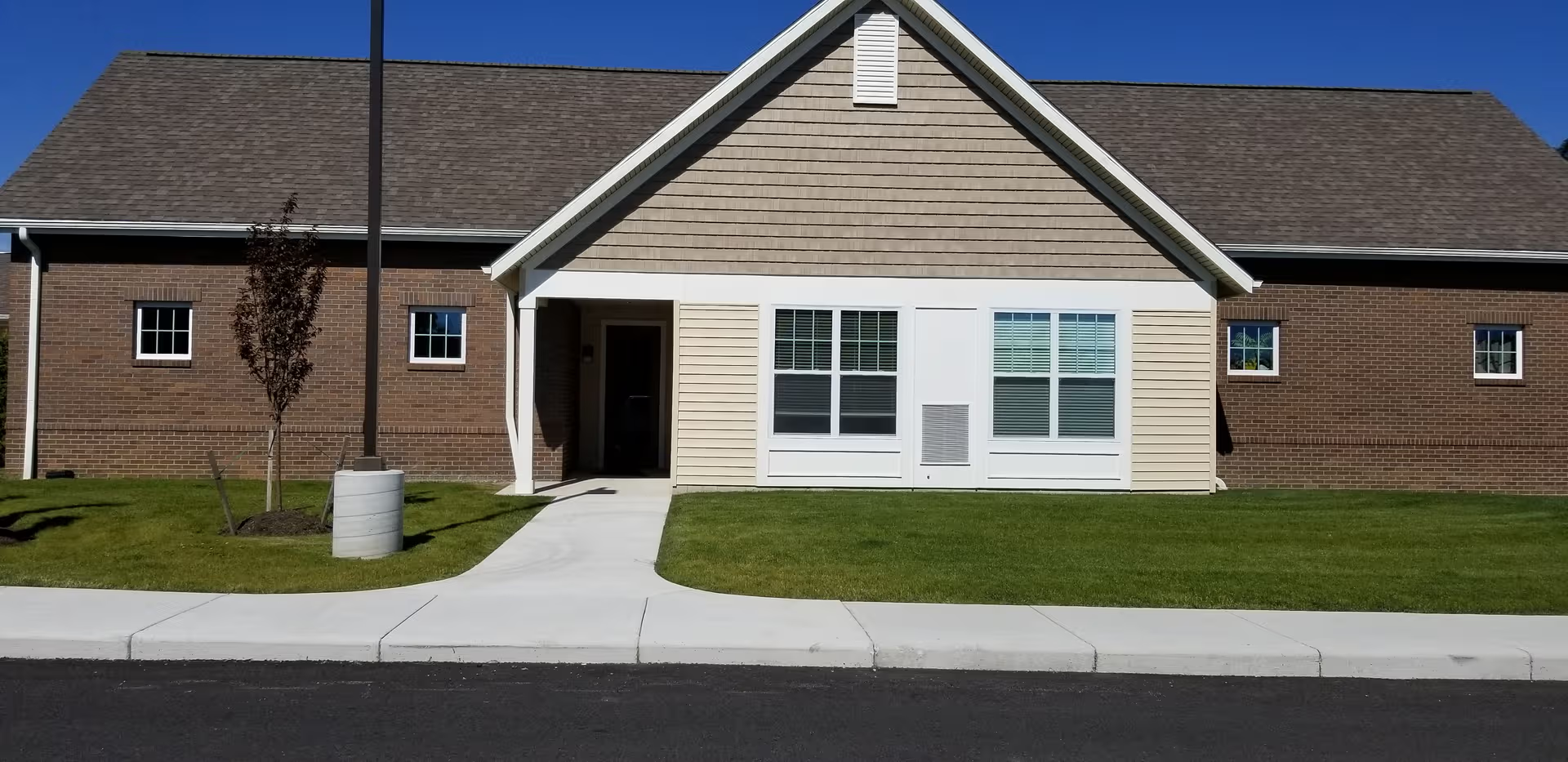
The reviews present a mixed but patternable view of care at this facility. On one hand, many accounts describe strong clinical rehabilitation services, attentive therapy staff, and compassionate frontline caregivers; these reviews highlight effective PT/OT/ST programming, goal-focused plans, an engaged social worker (named frequently), and reliable housekeeping and laundry operations. Those positive reports describe a clean, welcoming interior and a staff culture that can be supportive and skilled, particularly for memory-care and short-term rehab stays.
Conversely, the feedback also identifies recurring operational weaknesses that affect safety and day-to-day quality of life. Medication management and pharmacy coordination emerge as a recurring concern, with examples of late or missed doses and challenges getting prescriptions called in. Linked to staffing issues, reviewers describe delayed responses to call bells and limited availability of aides and nurses at critical times. Several comments point to inconsistent personal-care routines (including delays in attending to toileting needs) and to lapses in wound follow-up and transfer safety that have contributed to falls or deteriorating wounds for some residents.
Dining and nutrition show clear variability. Some families praise accommodating meal service and helpful staff, while others indicate meals that do not meet special-diet needs (for example, diabetes management or texture-modified diets) and repetitive or unsuitable selections for residents with dentition issues. Laundry and housekeeping are frequently commended, yet there are also specific instances of belongings being misplaced or laundered improperly, pointing to weaknesses in property-management workflows.
Facility condition and management practices are similarly mixed. Several reviewers describe a clean, well-maintained environment and positive leadership, whereas others cite areas of the building with maintenance or sanitation concerns and describe problematic administrative behaviors — including poor communication about therapy documentation, missed paperwork deadlines, insurance coordination issues, and troubling interactions around care planning. A few accounts suggest improvements following ownership or leadership changes, indicating variability over time.
Taken together, the pattern indicates that resident experience may depend heavily on unit staffing, individual teams, and timing. Strengths center on therapy, social work support, and frontline caregivers who are invested in patient progress. Weaknesses cluster around medication and clinical-administration controls, staffing responsiveness, meal accommodations, personal-property management, and consistent maintenance. Prospective residents and families would be advised to ask specific, verifiable questions about medication administration protocols, staffing ratios and response times, dietary accommodations, wound-care and fall-prevention procedures, belongings handling, and emergency/readiness policies during tours and admission discussions.