Reviews of Solivita of Echo Manor are highly polarized: many families describe excellent rehabilitation outcomes, compassionate caregivers, and effective therapy-led transitions home, while other accounts describe significant operational and clinical concerns. Strengths commonly cited include dedicated nursing and aide staff, strong physical and occupational therapy services, effective wound-vac care in some cases, active social programming (bingo, chapel, activities), and some renovated, pleasant campus areas.
Care quality appears inconsistent across stays. Several accounts highlight rapid functional improvement and high-quality rehab and wound care that enabled timely discharge. Conversely, a number of reviews raise serious clinical concerns: delayed medication administration, pharmacy and scheduling delays, lapses in pressure-wound prevention and management, infection-related complications, and inconsistent emergency-response practices. There are also recurring observations about gaps in end-of-life care knowledge and confusion around advance-directive distinctions, which families identified as a source of distress.
Staff behavior and capacity are a central theme. Many reviewers praise individual staff members for compassion, clear family communication, and going above and beyond. At the same time, staffing shortages and turnover are frequently linked to long wait times for assistance, limited aide availability, and variable staff conduct — including concerns about tone and responsiveness. Several reviewers described an overwhelmed administrative team and uneven follow-through on requests, which appears to magnify front-line coverage issues.
Dining and activities show mixed results. The facility offers social engagement and activities that families value, and some reviewers note timely and customizable meal service. However, there are consistent complaints about meal quality, small or inconsistent portions, cold or incomplete trays, dining-room oversight problems, and families providing supplemental food when necessary.
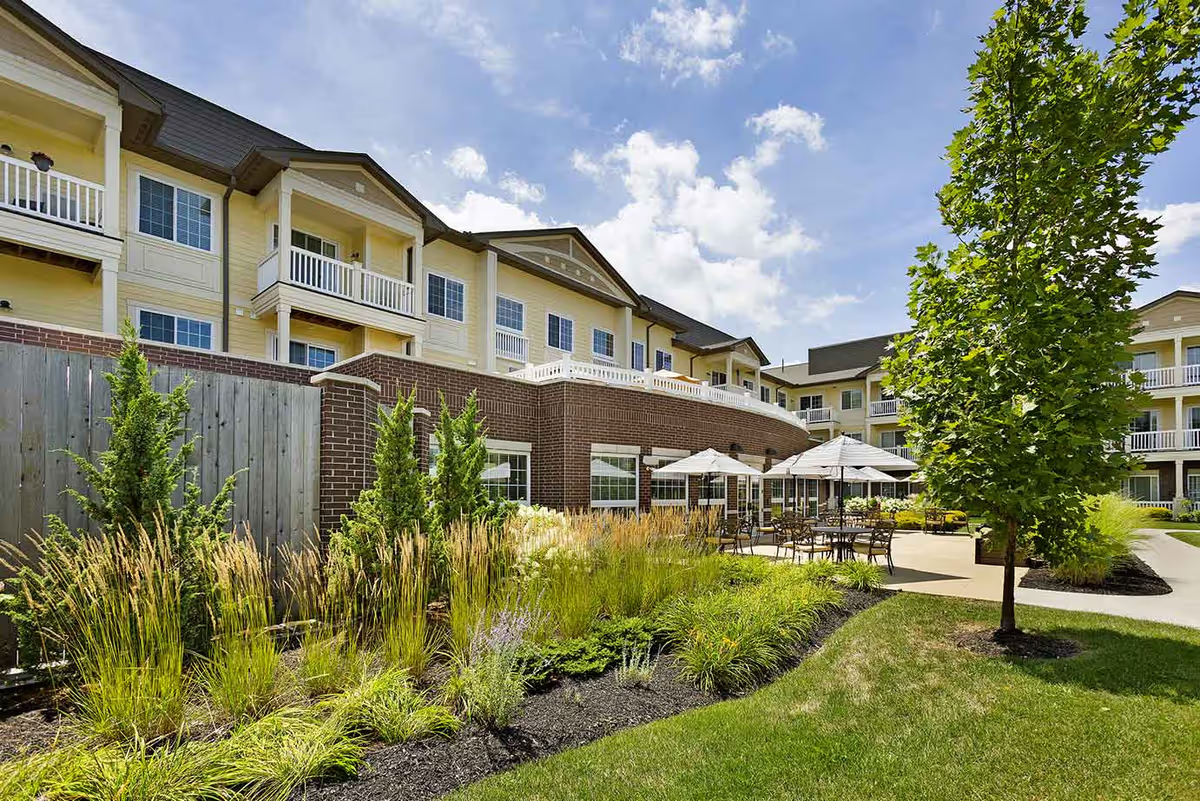
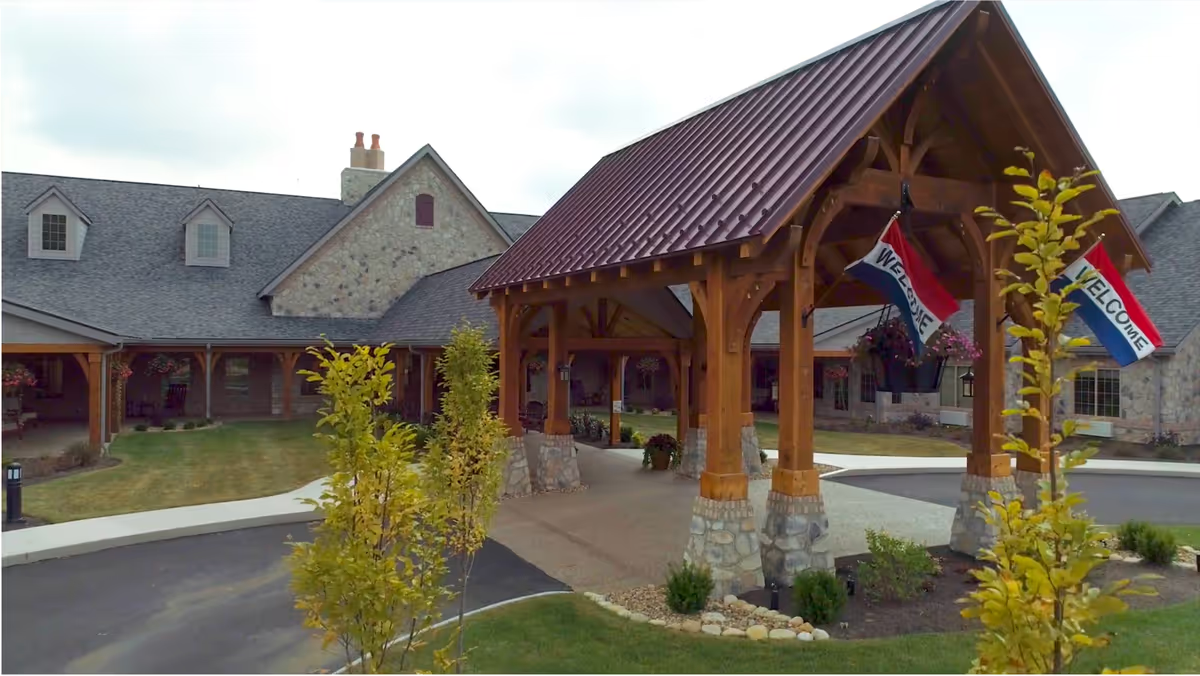
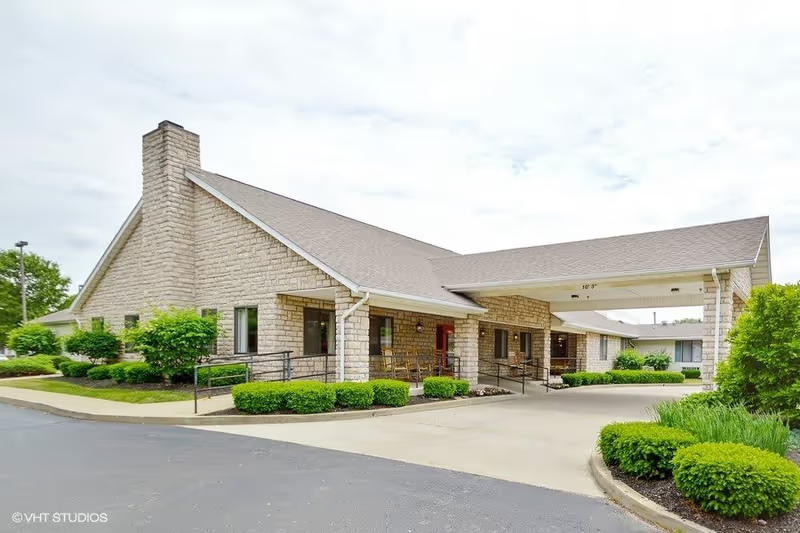
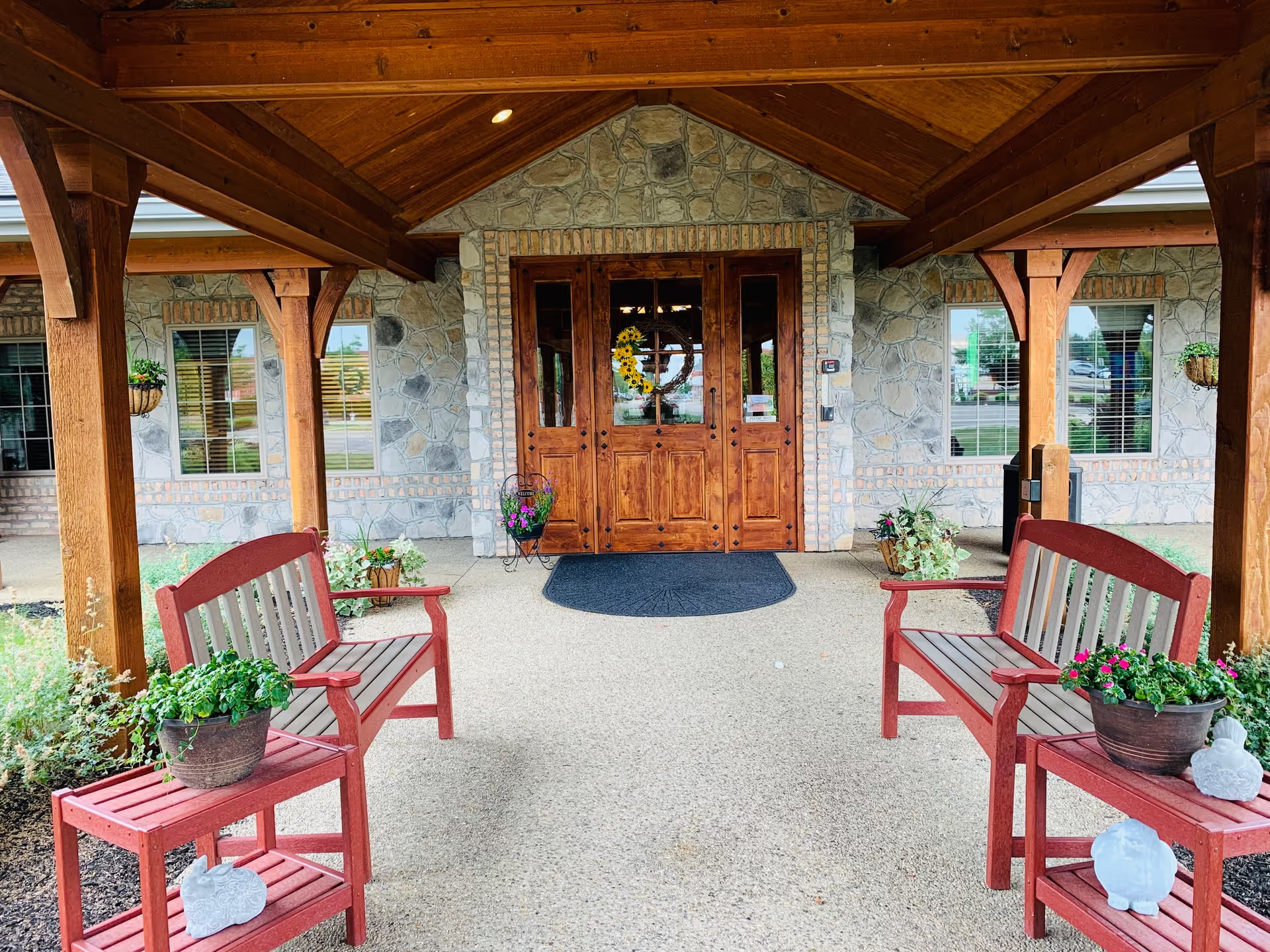
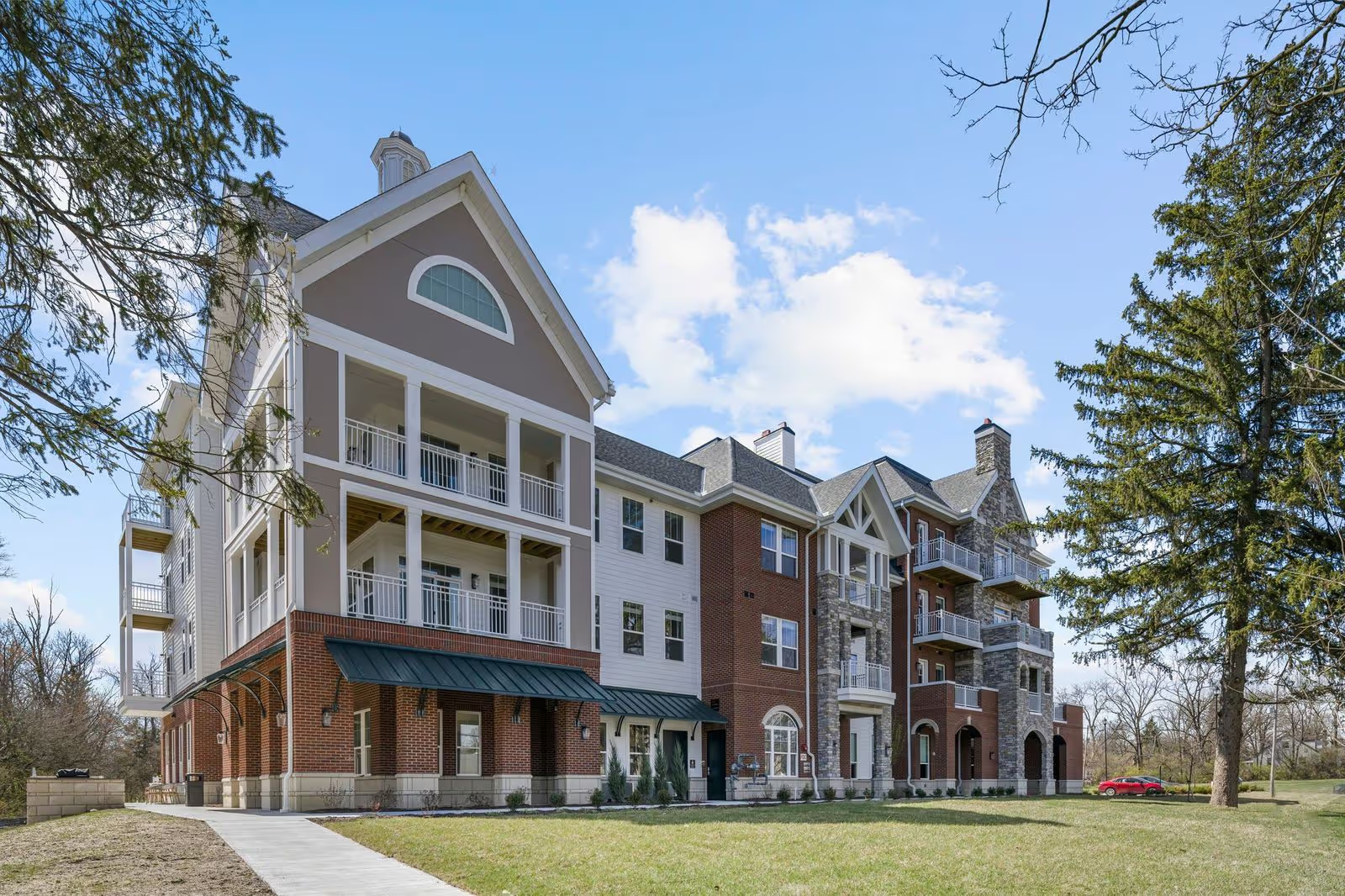
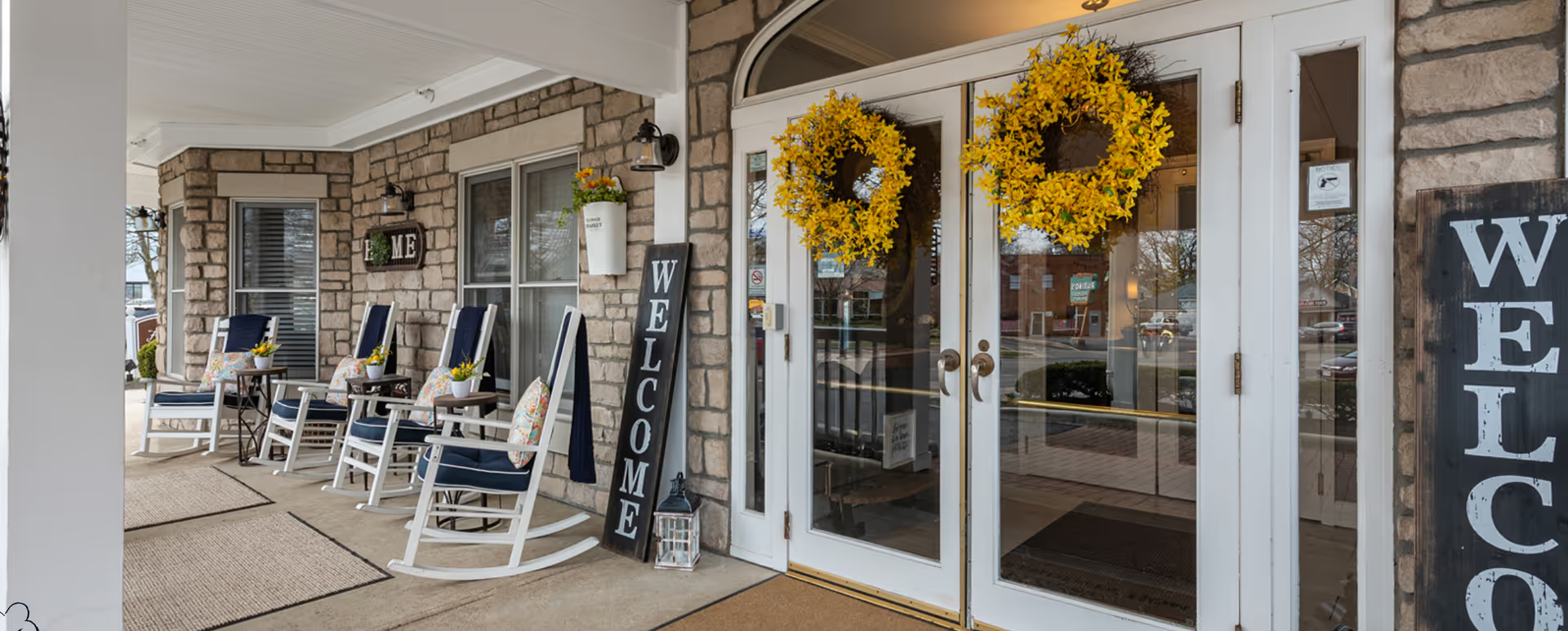
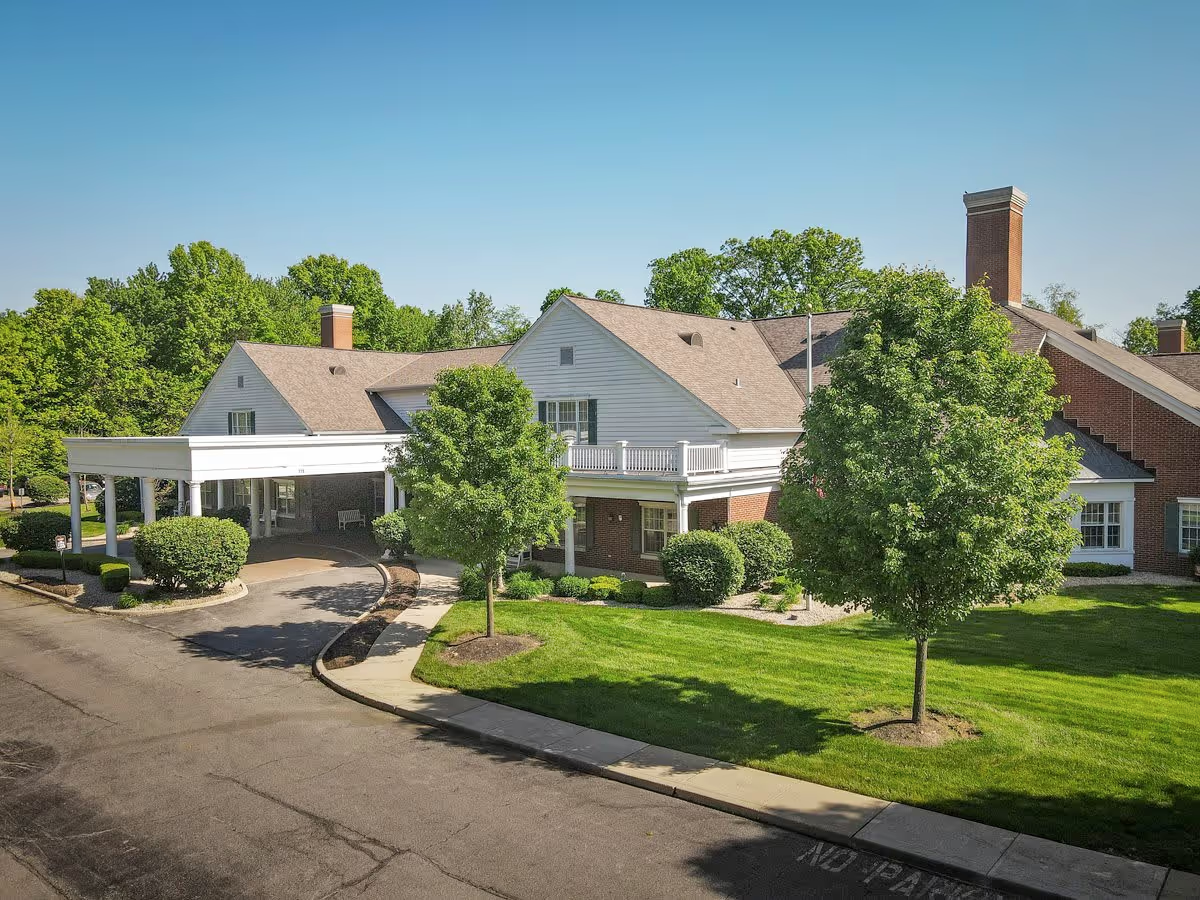
Facility environment and safety are similarly mixed. Some areas are described as clean, remodeled, and well maintained with a pleasant wooded setting. Other accounts cite sanitation issues, pest-control concerns, limited bathroom access, and safety-system failures such as nonfunctional bed alarms and transfer-safety gaps. Room layout and privacy are also a common operational issue, with some residents in small or shared rooms that feel crowded.
Administrative and operational weaknesses recur in reviews: billing and paperwork errors, lengthy admission and discharge processing, difficulty arranging external medical appointments, and inconsistent communication with families. A small number of reviews include allegations of missing belongings and serious adverse outcomes; these reinforce the broader patterns around communication, care-plan adherence, and incident response.
For prospective residents and families: arrange a focused tour that includes the therapy gym, a typical patient room, the dining area during meal service, and an inspection of alarm systems. Ask for current staffing ratios by shift, examples of recent rehab-success metrics, wound-care protocols, infection-control and pest-control policies, medication-administration procedures, advance-directive handling, and typical timelines for administrative tasks such as billing and medical-appointment coordination. Speak with current family contacts and request documentation of staff training, incident-response procedures, and outcomes relevant to your loved one’s needs to help set expectations and identify where the facility’s strengths align with required care priorities.