Overall impression: Wesley Ridge is viewed primarily as a resident‑focused community with notable strengths in clinical care, staffing continuity, and social programming. Many accounts praise the compassionate nature of nurses, aides, and therapists; a number of long‑tenured employees and specific memory‑care training are cited as contributors to personalized attention and a smooth hospice transition when needed. Families and residents commonly describe the care team as engaged, responsive in clinical matters, and effective in rehabilitation work.
Care and clinical operations: Clinical capabilities and caregiving are frequently described as a core strength. The community offers an active rehab/therapy program and a clinical short‑term rehab floor; physical therapists receive positive mentions for their engagement. That said, medication timeliness and order processing are recurring operational concerns—several notes describe delays or slower medication administration. Staffing variability, particularly on weekends when temporary staff are used, contributes to uneven experiences in clinical responsiveness.
Staff and management: Staff warmth, compassion, and longevity are consistent positives across accounts. At the same time, there are operational weaknesses related to scheduling, management, and front‑desk conduct. Some families identify issues with customer‑service tone, restrictive or inconsistently enforced visitor/entry interactions, and occasional mismanagement of staff schedules. Communication clarity is also a concern in some instances, attributed to accent or clarity challenges, which can affect family interactions and coordination of care.
Dining, activities, and housekeeping: The dining program is frequently described as home‑style with an extensive and varied menu; special events such as ice‑cream socials and themed meals are mentioned as well. Activities are broad and active—examples include games, chair exercise, book club, bingo, music, shopping trips, family nights, and gardening opportunities. Housekeeping and linen service receive many positive remarks, though there are isolated notes of inconsistent cleaning quality in some areas.
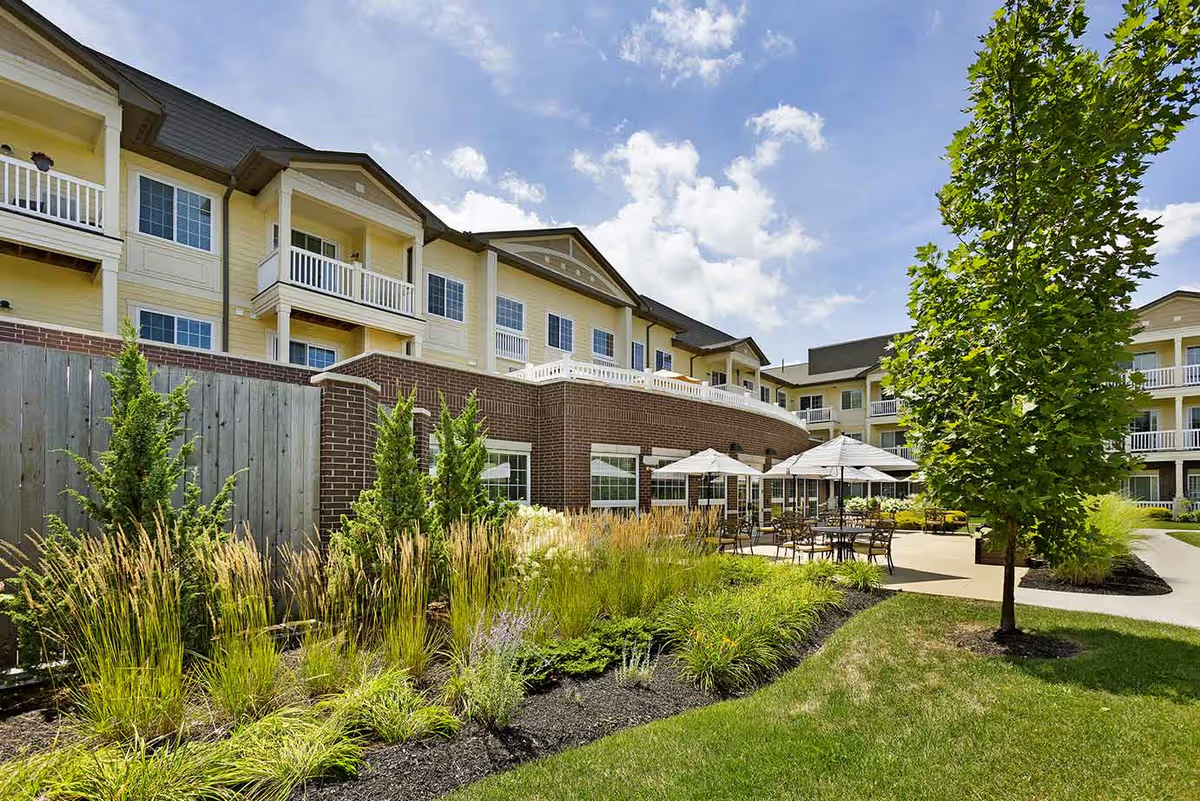
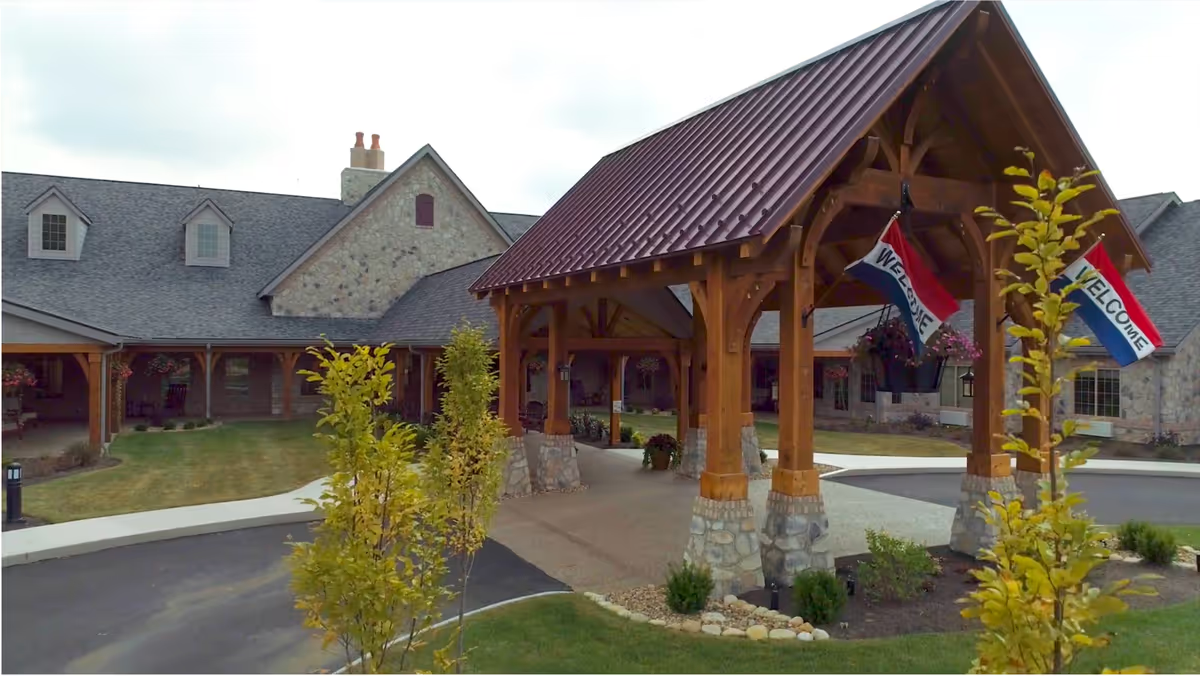
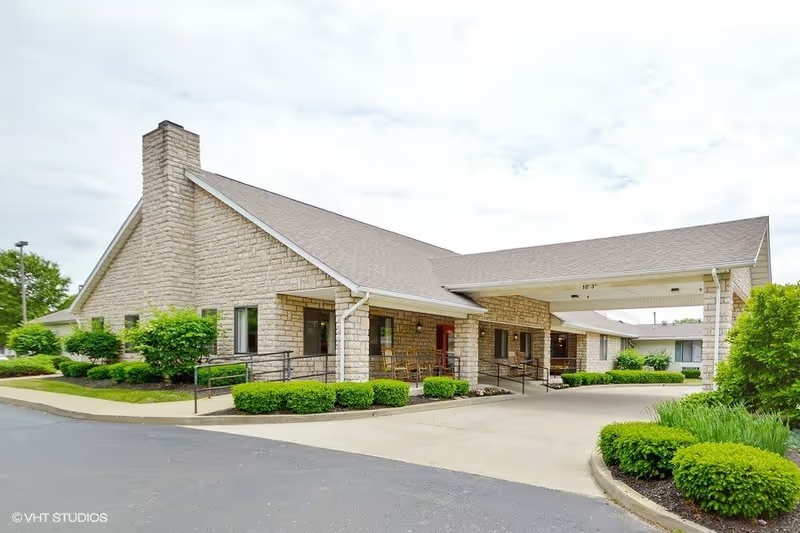
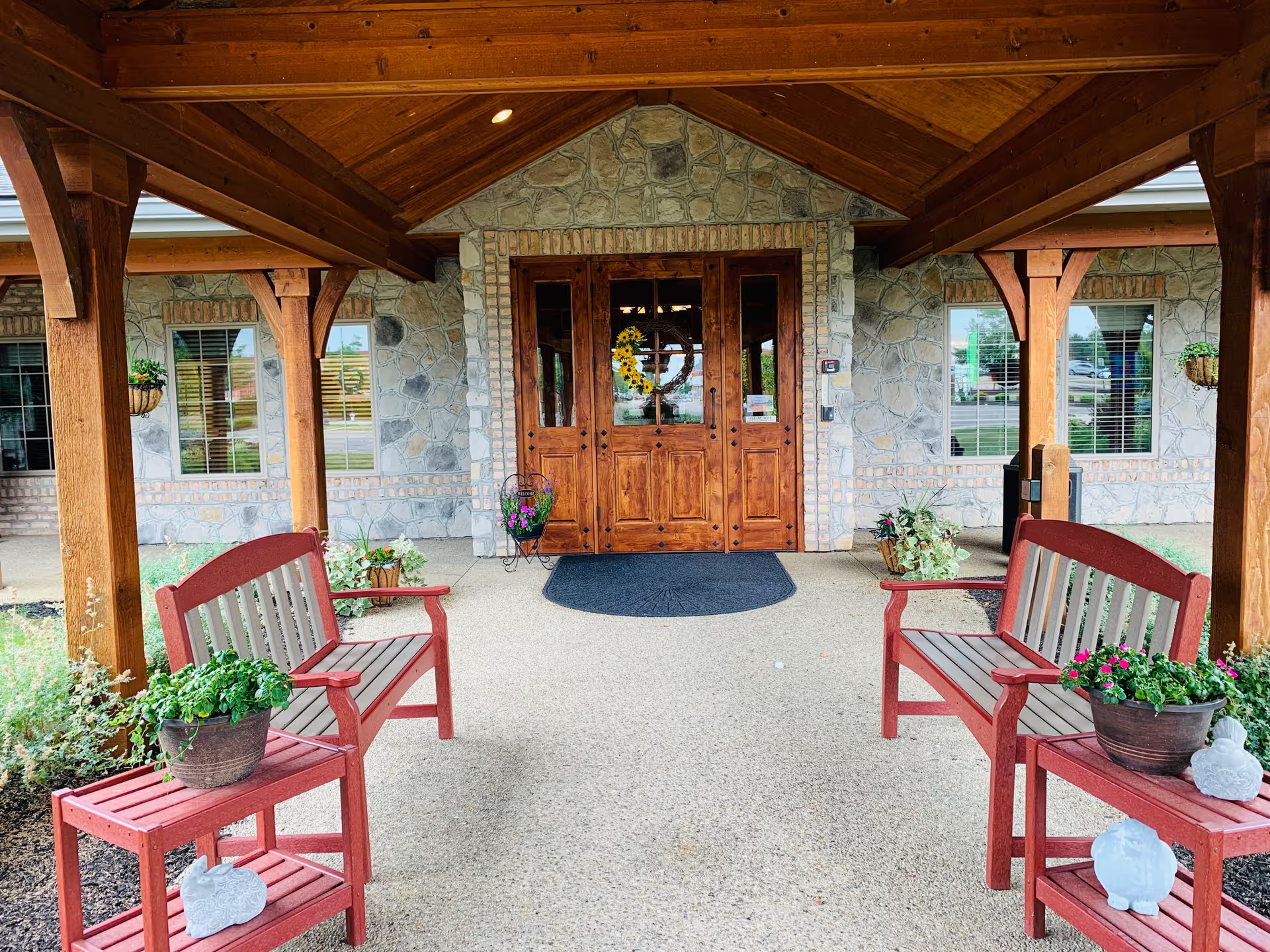
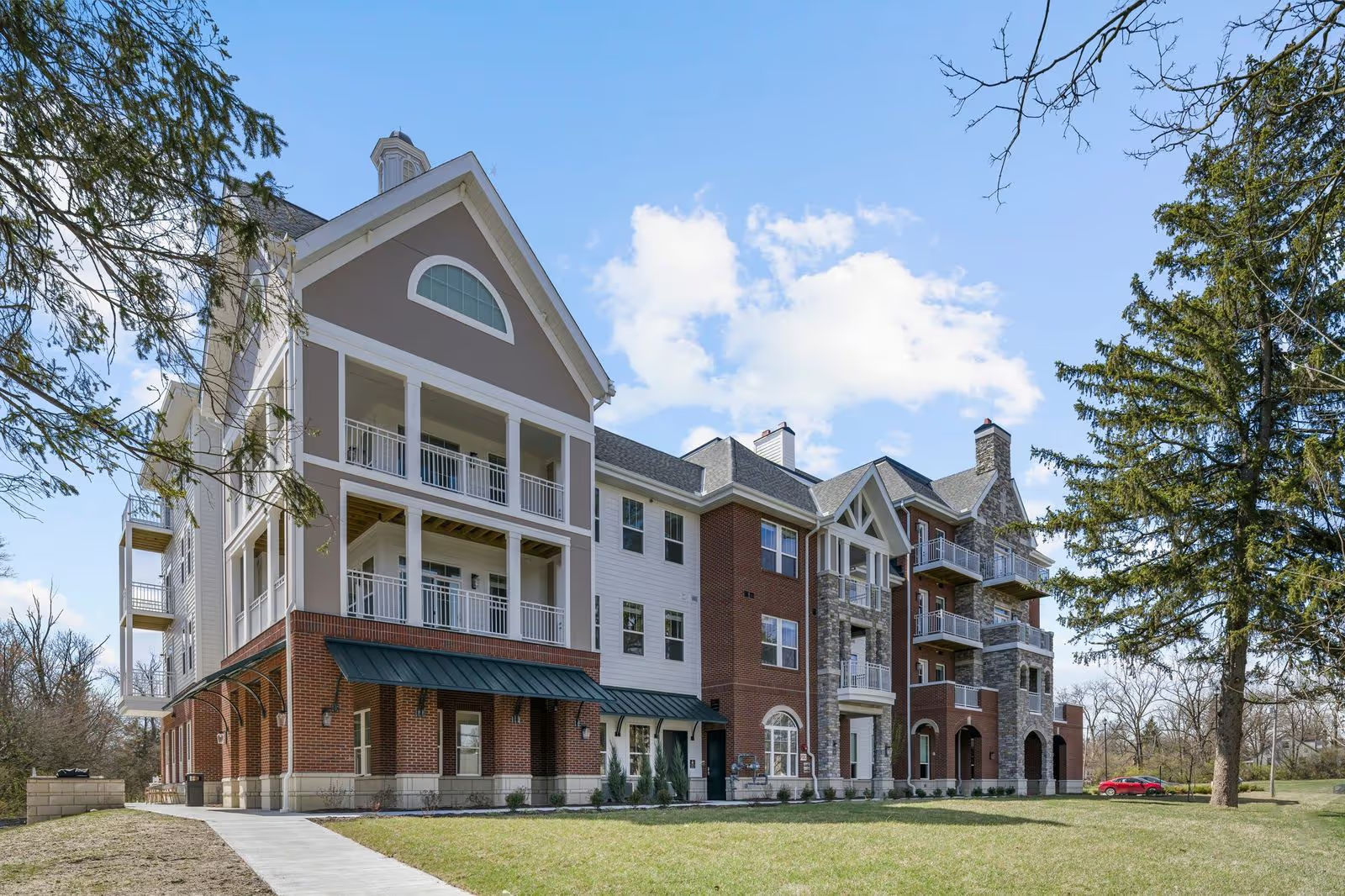
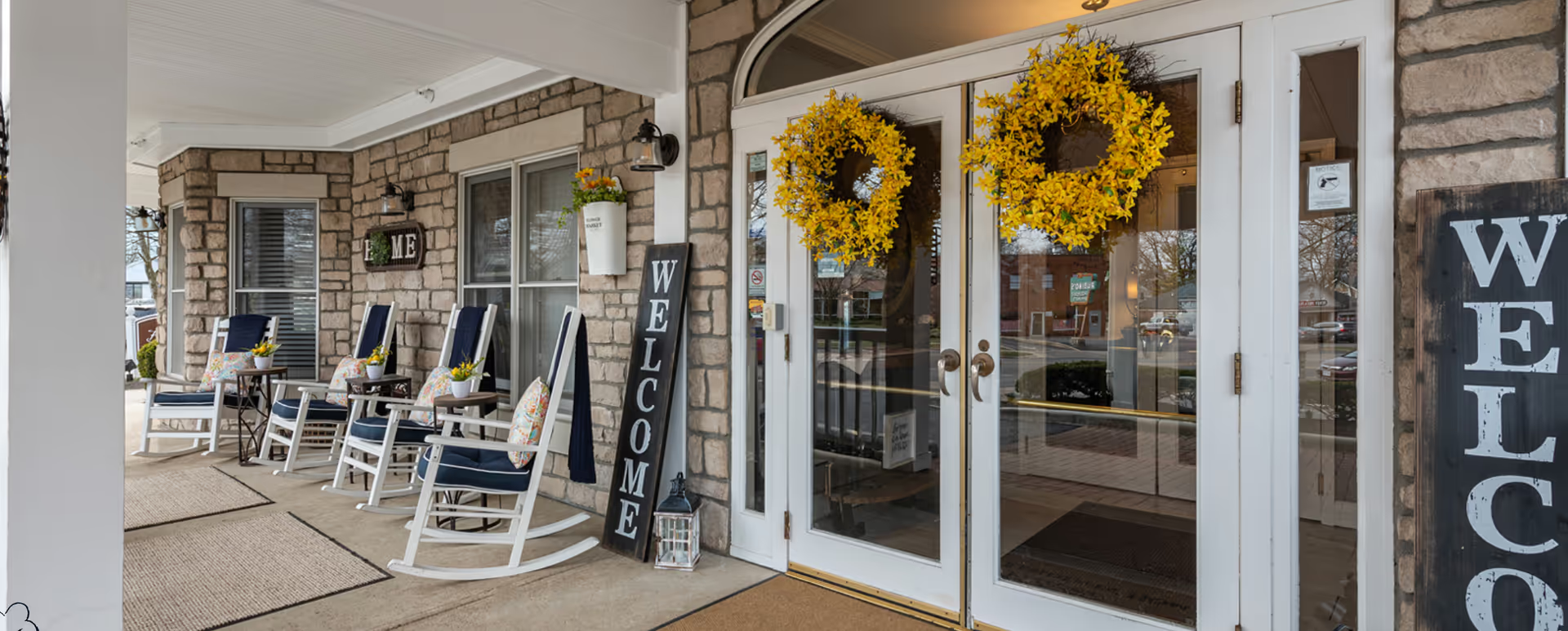
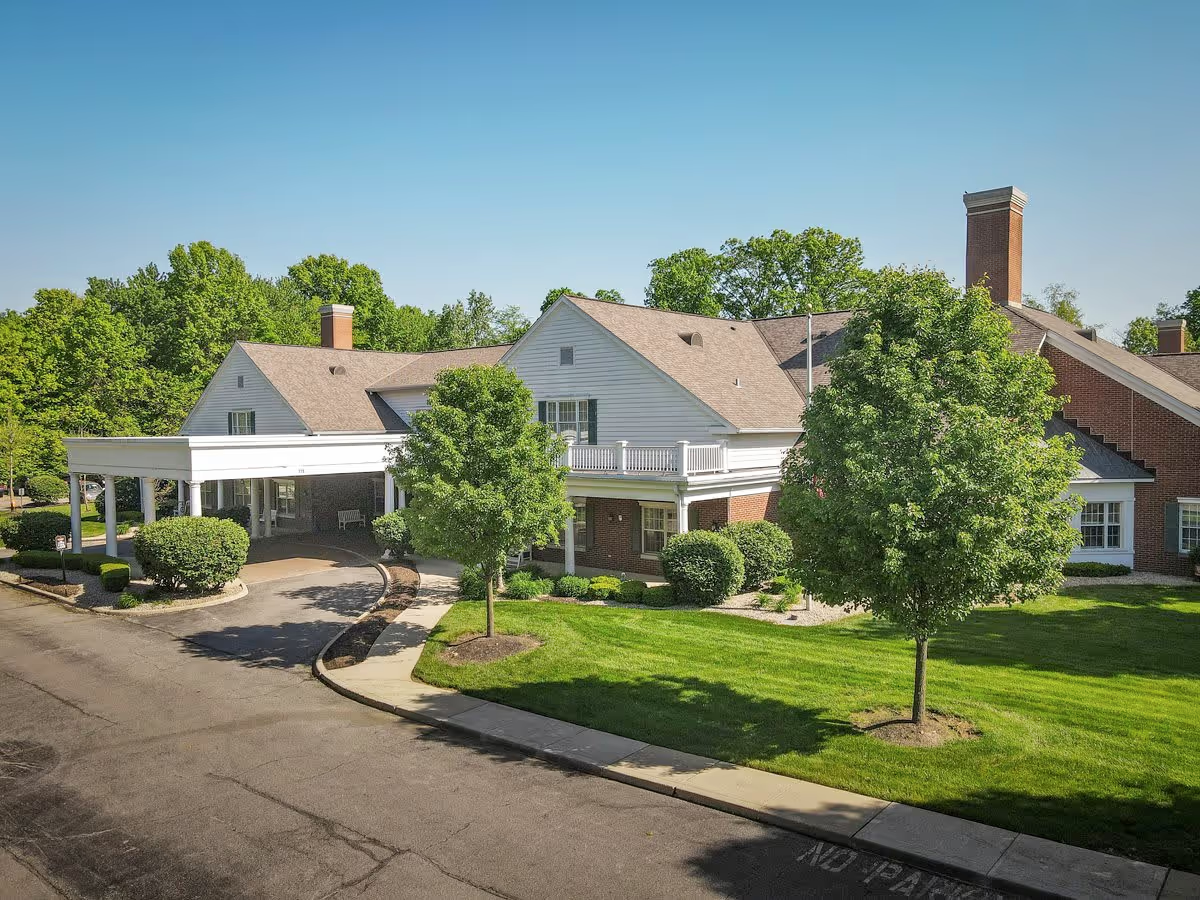
Facilities and physical environment: The campus and grounds are generally regarded as attractive and well maintained, with garden areas and outdoor planting opportunities and on‑site amenities such as a pool and a multi‑story independent‑living building. Independent‑living two‑bedroom condos are described as spacious, while other sections of the community include smaller, older apartments that feel less bright or more confining. Availability is constrained: demand is high, units are often booked, and waiting lists (including year‑long waits for some condo units) are noted.
Patterns to consider: Prospective residents and families can expect strong interpersonal care, active programming, and a community with substantial clinical and hospice capabilities. Key operational tradeoffs include potential delays in medication administration, variability in weekend staffing and maintenance responsiveness, occasional cleanliness inconsistencies, and customer‑service or communication issues at reception. Availability and cost are also important practical considerations: high demand, waiting lists, and elevated pricing were consistently mentioned as limiting factors when planning a move.
Bottom line: Wesley Ridge offers a high level of resident engagement, clinical and rehabilitative services, and a robust activity program in an attractive setting. Those prioritizing continuity of caregiving, active programming, and an on‑site therapy infrastructure may find it an excellent match. Families should, however, evaluate timing and budget considerations, confirm expected medication and staffing practices (particularly on weekends), and discuss visitation/entry procedures and specific unit floor plans to ensure the chosen apartment aligns with expectations.