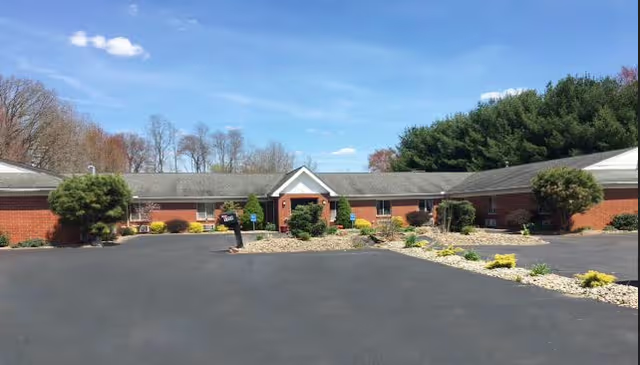
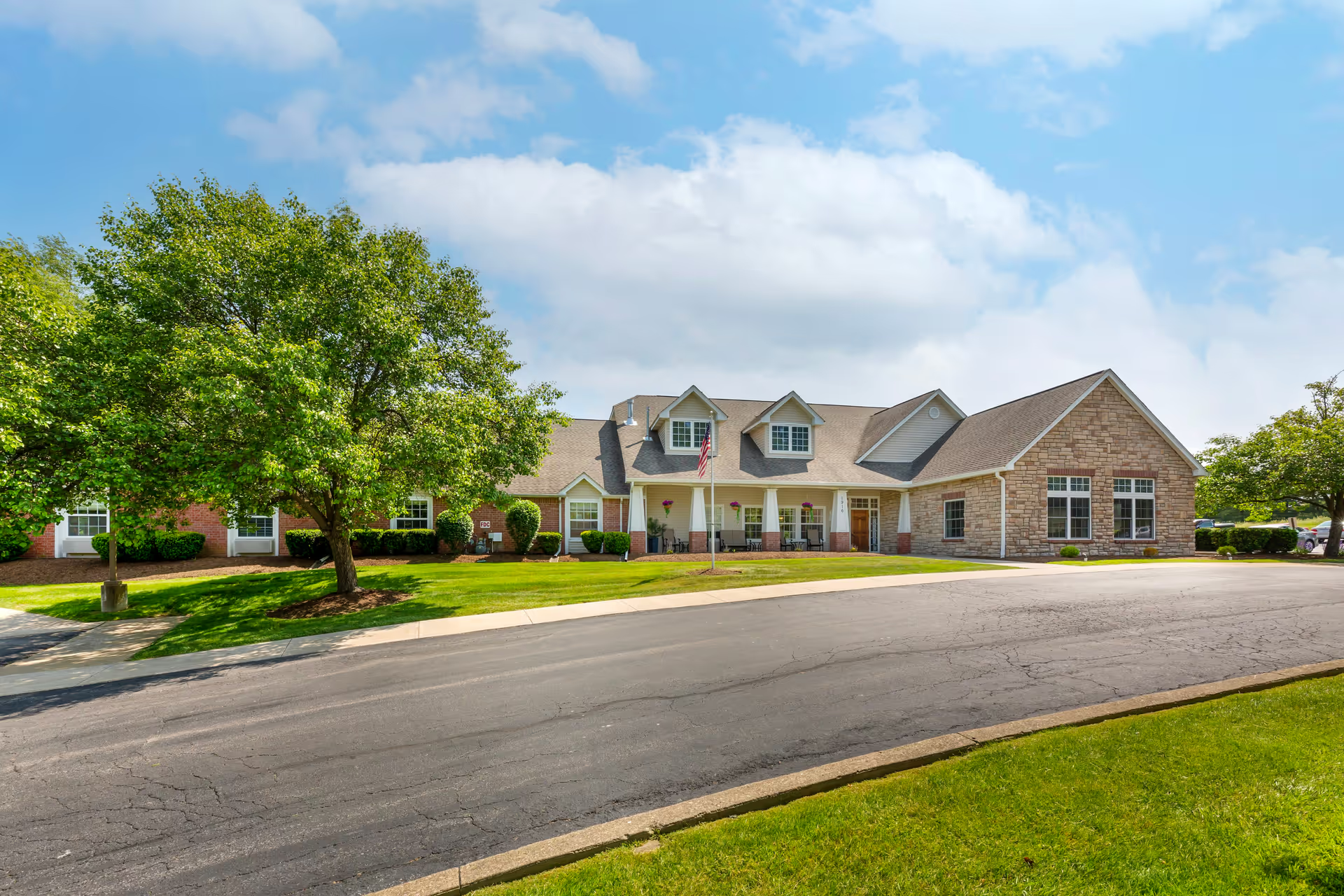
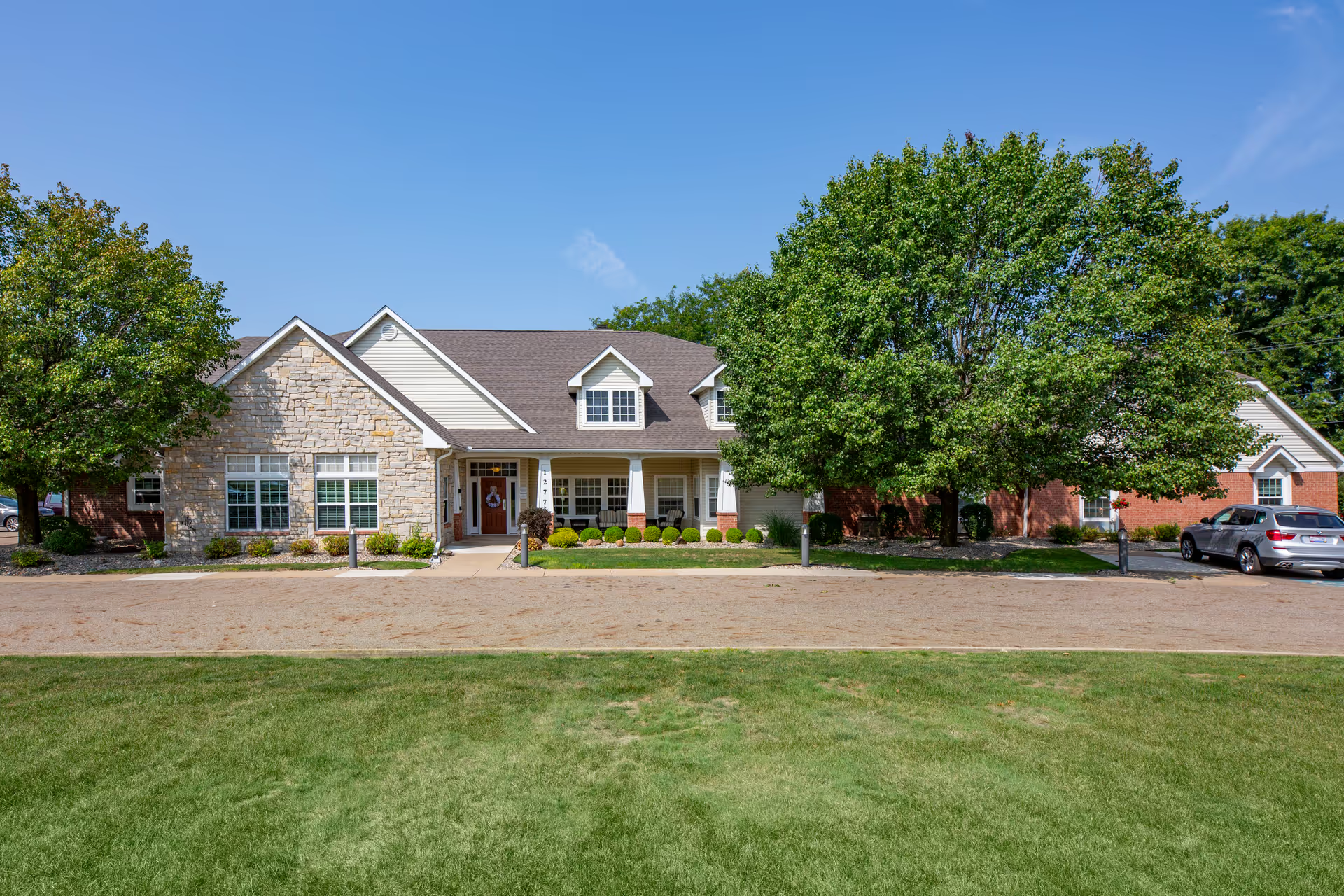
Reviews of Auburn Skilled Nursing and Rehabilitation describe a facility with notable strengths in rehabilitation, resident rapport, and certain aspects of the physical environment, alongside recurring operational weaknesses. Many families and visitors praise the therapy program — daily sessions, a therapy room, and visible strength gains were cited — and attribute successful transitions home to the rehabilitation team. Repeated comments about compassionate, family-like nursing staff and friendly interactions suggest a core of committed caregivers. Several reviewers described clean rooms, pleasant common areas, and onsite amenities such as a salon and recreational programming (bingo), contributing to a positive day-to-day experience for some residents.
At the same time, a pattern of operational inconsistency emerges across the reviews. Staffing levels and responsiveness are uneven: reviewers describe both prompt, attentive care and occasions of delayed assistance. Communication with families and administrative staff is a frequent concern — examples include dismissive tones, poor follow-through on admission promises, and insufficient updates after clinical events. Transportation services and driver training were specifically called out as inadequate in some accounts, presenting a safety and coordination risk for off-site appointments.
Clinical-quality concerns are mixed. While many families reported good nursing care and compassionate attention, other accounts raise issues with wound-care management and delays in obtaining timely medical evaluation in acute situations. These contrasting impressions suggest variability in clinical oversight and incident response. Reviewers also noted both excellent sanitation and cleanliness and, conversely, sanitation concerns in other areas, indicating inconsistency in environmental standards across the facility.
Dining and daily living present another mixed picture. Some reviews describe balanced-looking meals and adequate dining services, while others report limited meal availability and dissatisfaction with food quality. Activity offerings and social programming were generally viewed positively, supporting resident engagement and social needs.
Management and policy enforcement appear uneven. Several reviewers reported unclear or inconsistently enforced rules (including campus policy clarity), and there are claims raising concerns about staff conduct and property controls; one review referenced alleged theft. Admissions communication and placement commitments were also inconsistently handled according to reviewer accounts, which may affect families coordinating transitions.
Recommendation: Prospective residents and families should weigh the facility's strong rehabilitation services and pockets of highly attentive care against the variability in staffing, communication, clinical incident response, and environmental consistency. When evaluating this facility in person, ask for current staffing ratios, wound-care and incident-response protocols, transportation policies and driver training, meal schedules and menu samples, examples of activity programming, and documentation of property-safeguarding practices. Direct conversations with therapy staff, nursing leadership, and recent family references can help clarify whether the facility's strengths are consistently applied to a given unit or resident population.