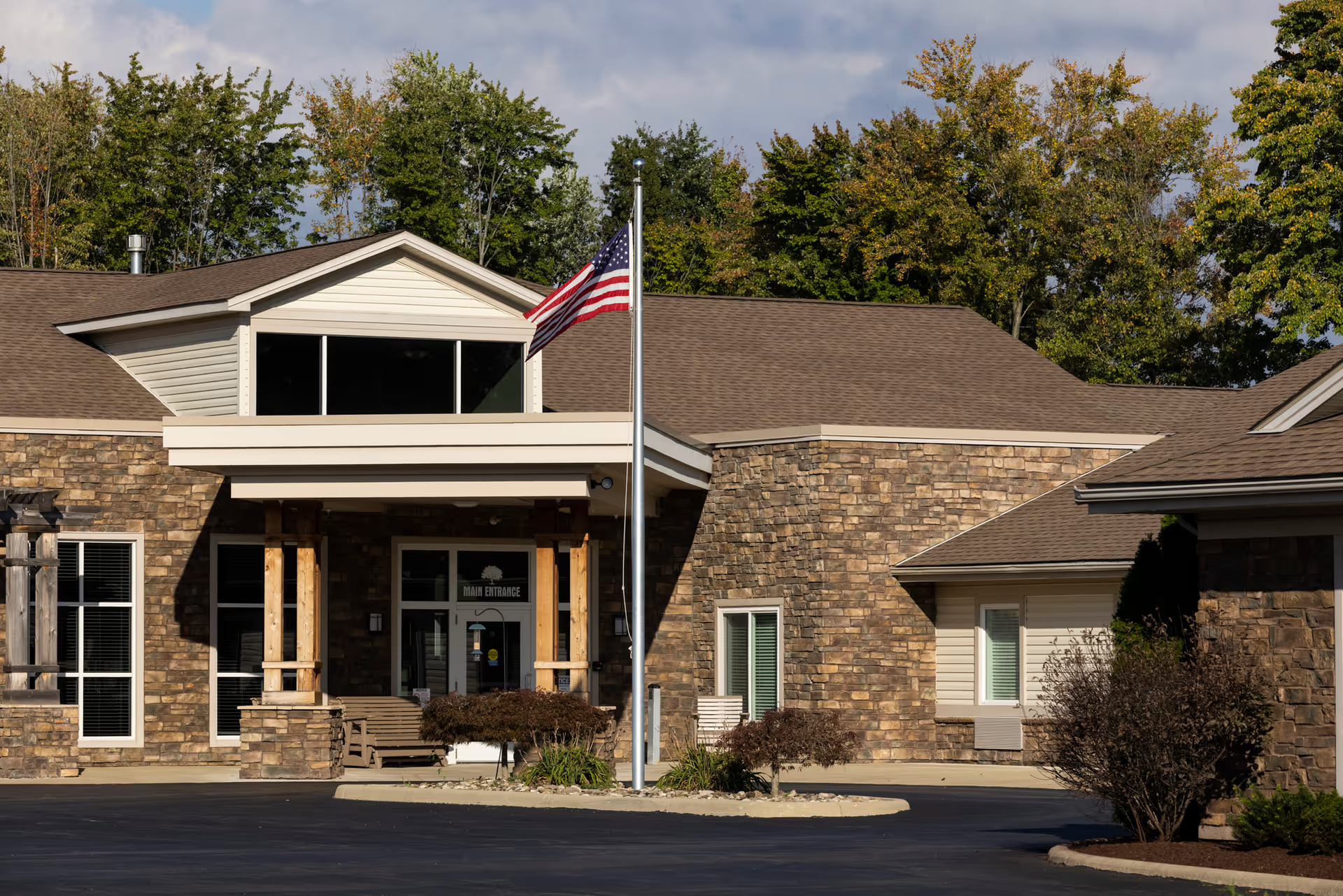
Brookdale Austintown presents as a small, specialized memory-care community that many families find comforting and individualized. Strengths repeatedly noted include a warm, family-like atmosphere, staff with dementia-specific knowledge, and a staffing model that can support one-to-one attention. Nursing and direct-care aides are frequently described as attentive and compassionate; reviewers commonly highlight individualized care plans, personalized meals, and frequent social programming tailored to residents with Alzheimer’s disease and related dementias.
Dining and activities are apparent focal points. The community has a chef-prepared dining program with several positive comments about fresh meals and garden-sourced produce, and many families praise a broad slate of activities — from structured group events and entertainers to gardening, pool access, and specialty events. Amenities such as bright renovations, private and spacious room options, courtyards, and secure locked-access memory-care units contribute to a comfortable, home-like environment for residents.
At the same time, recurring operational concerns appear across reviews and warrant attention. Staffing instability and turnover are cited as factors that affect continuity of care, overnight coverage, and activity consistency. Several families describe management and communication gaps that make it difficult to resolve issues quickly; billing transparency and fee structures (including admission/service fees and medication-related penalties) are also areas of concern for prospective residents budgeting care. Sanitation and maintenance are unevenly reported — with specific references to cleanliness issues, outdoor-patio maintenance, and pest-control concerns — indicating that facility hygiene and preventive maintenance practices may vary by unit or period.
Clinical and safety-related patterns include reports of incontinence-care delays, laundry delivery problems, variable medication/pharmacy coordination, and concerns about fall-prevention practices. There is at least one account of a serious staff-conduct incident that raised questions about rehiring and oversight; this has translated into a broader perceived need for stronger staff-conduct governance and incident-response transparency. Additionally, the facility’s payer mix and access policies can be confusing: while some residents noted acceptance of Medicaid eventually, others characterize the community as primarily private-pay with high costs, so financial-readiness and contractual clarity should be confirmed during tour and admission discussions.
In summary, Brookdale Austintown is often described as an effective, compassionate memory-care community with strong programming, good dining, and a home-like environment — particularly valued by families seeking specialized Alzheimer’s care. Prospective residents and families should weigh those strengths against operational variability: verify current staffing levels and turnover, review recent sanitation and pest-control records, clarify billing and Medicaid policies, and ask about incident-response procedures and medication-management protocols before admission. Doing so will help align expectations with the community’s observed strengths and areas needing improvement.