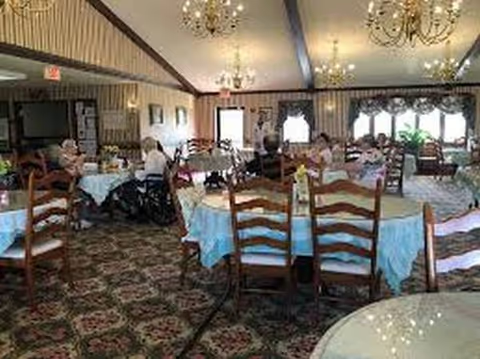
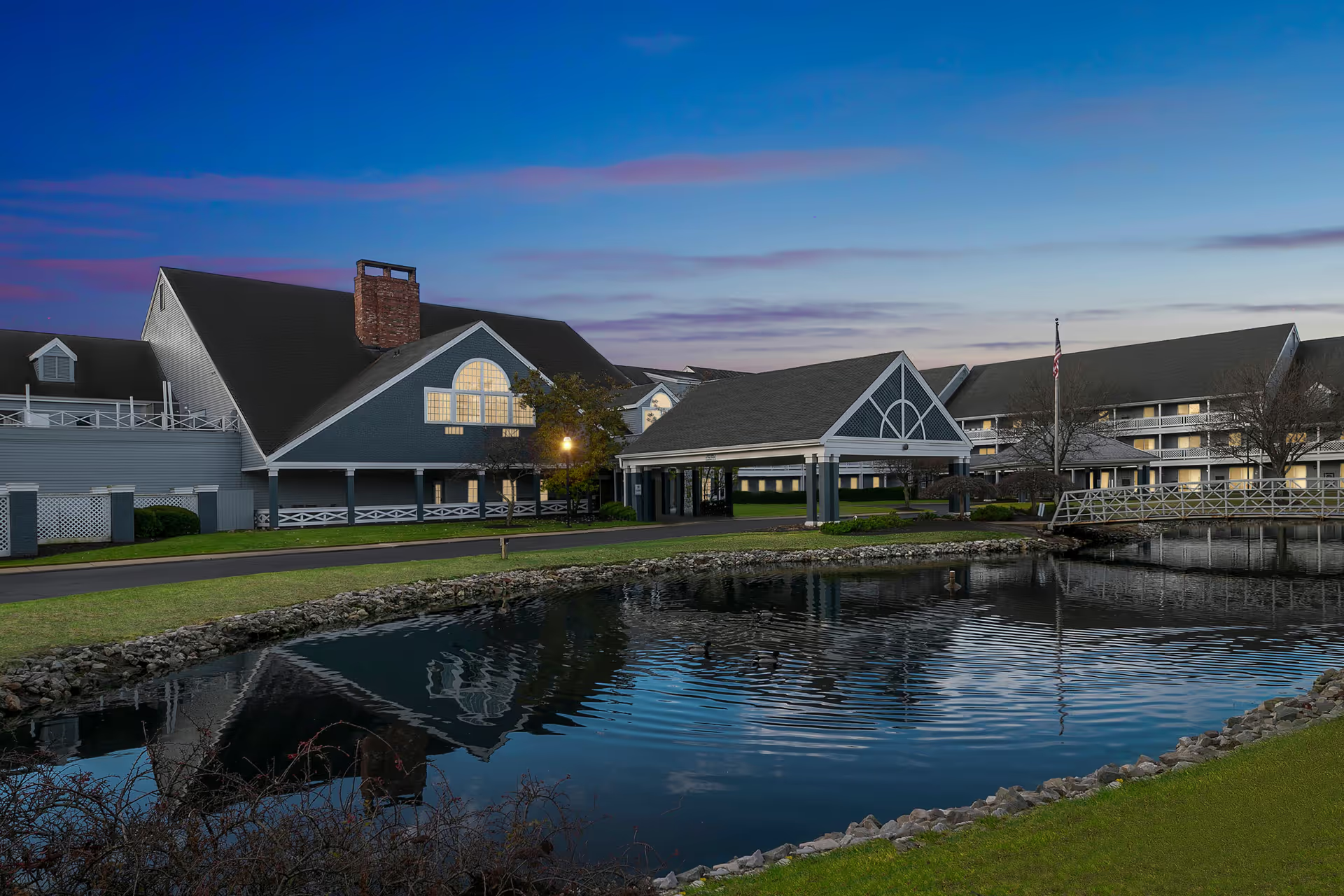
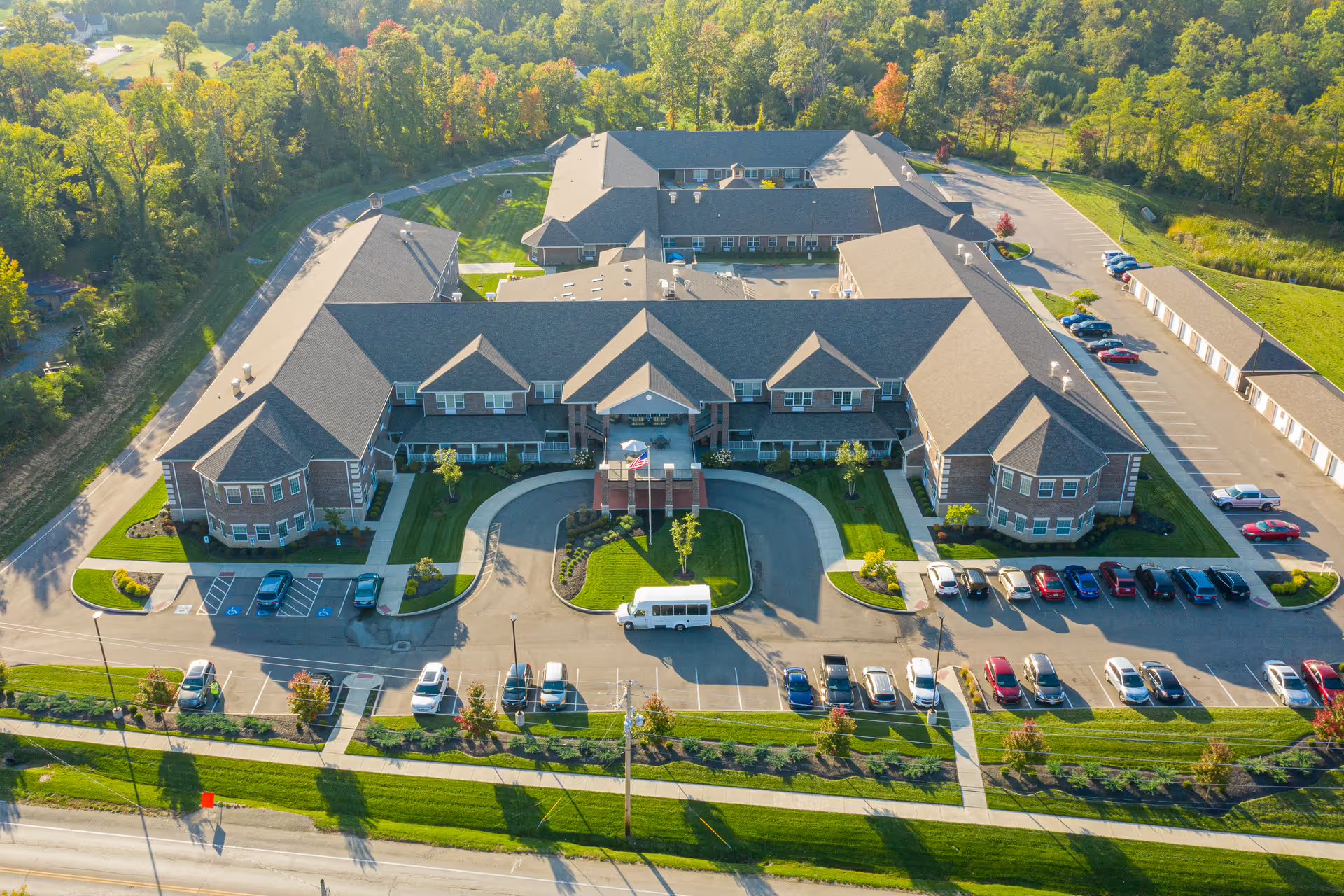
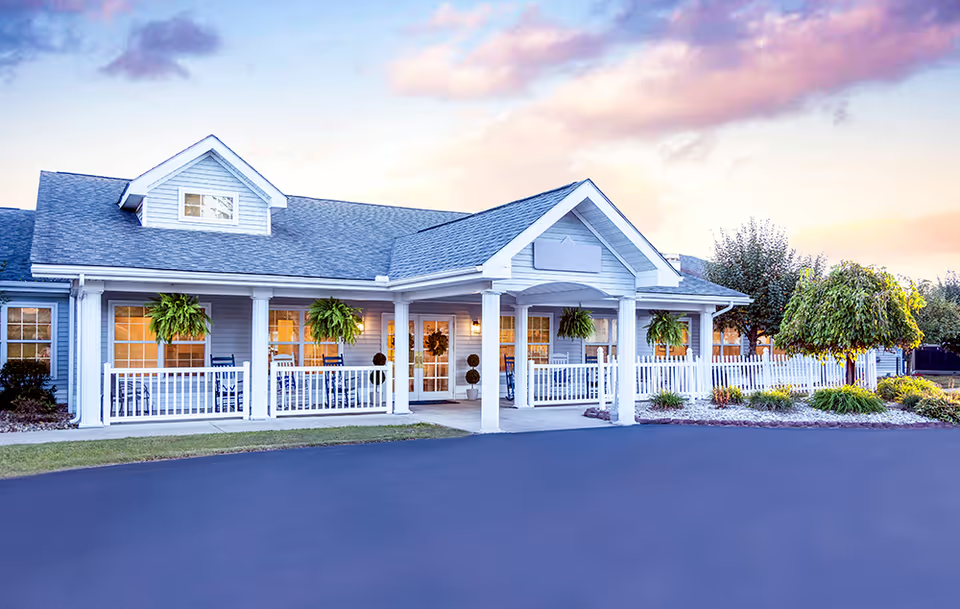
Reviews describe a facility with clear strengths in person-centered touchpoints and rehabilitative services alongside operational shortcomings that affect some families' experiences. Many accounts highlight compassionate, attentive nurses and aides who provide hands-on help, grooming and social outings, and a rehabilitation focus supported by competent physical and speech therapy teams. Common positive notes include a clean environment, an active programming calendar (including a Sunday Christian service), generally well-liked meals, and instances of staff going beyond routine duties to support residents and families.
At the same time, recurring operational concerns appear across reviews. Families describe inconsistent communication and difficulty reaching staff—particularly on weekends or after hours—which contributes to long wait times and frustration. Several comments indicate delays in responding to clinical incidents and gaps in supervision or monitoring; these imply opportunities to strengthen incident-response protocols and shift oversight practices. Medication-management issues and infection-control lapses were also raised, suggesting a need for tighter clinical safeguards and quality-monitoring processes.
Staffing and conduct are described inconsistently: reviewers praise dedicated long-term caregivers and tireless aides, yet some note short staffing, variable performance across shifts, and concerns about the tone or professionalism of certain staff members. These mixed observations point to variability in staff behavior and coverage that may affect resident experience depending on time of day or unit staffing. Therapy services are often singled out positively for skill and effort, but there are also reports of uneven rehabilitation outcomes and limited follow-through on individualized therapy goals.
Administrative and ancillary-service issues appear as additional themes. Families noted delays in obtaining dentures or other prosthetic items, and at least one unresolved billing issue was described as prolonged. These items suggest potential process weaknesses in ancillary coordination and financial administration. Overall, the facility shows strengths in direct care, rehabilitation, and maintaining a clean, social environment, while operational areas such as communication, supervision, medication safety, staffing consistency, and administrative responsiveness would benefit from targeted improvement.
For prospective residents and families evaluating this facility, it may be helpful to ask about current staffing ratios and weekend coverage, incident-response procedures, medication-safety protocols, timelines for ancillary services (for example dental or prosthetic needs), and how billing or administrative disputes are handled. Observing shift changes, reviewing therapy goals and progress measurement, and speaking with the director of nursing or administration about recent corrective actions can provide additional clarity about how the facility is addressing the concerns reflected in these reviews.