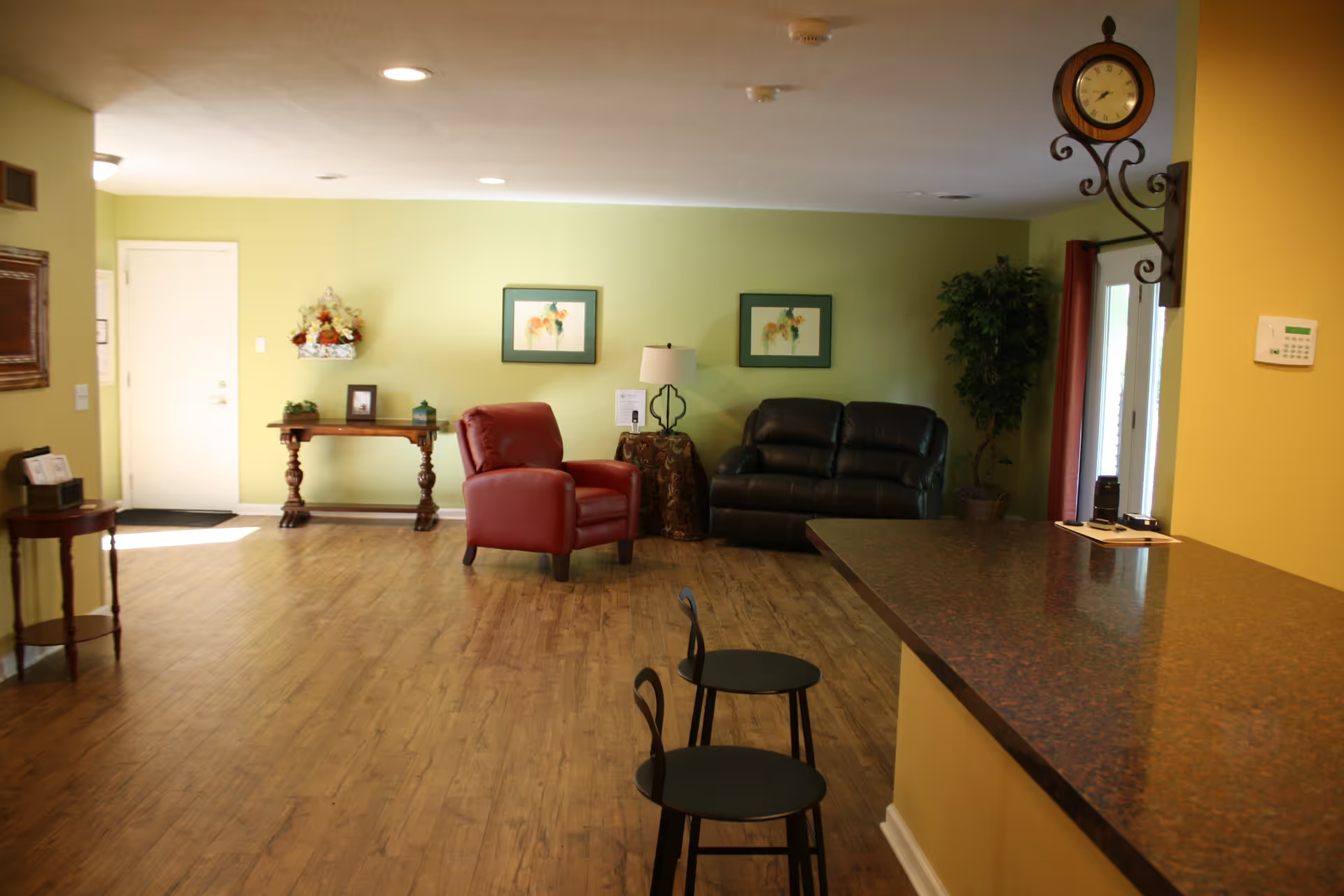
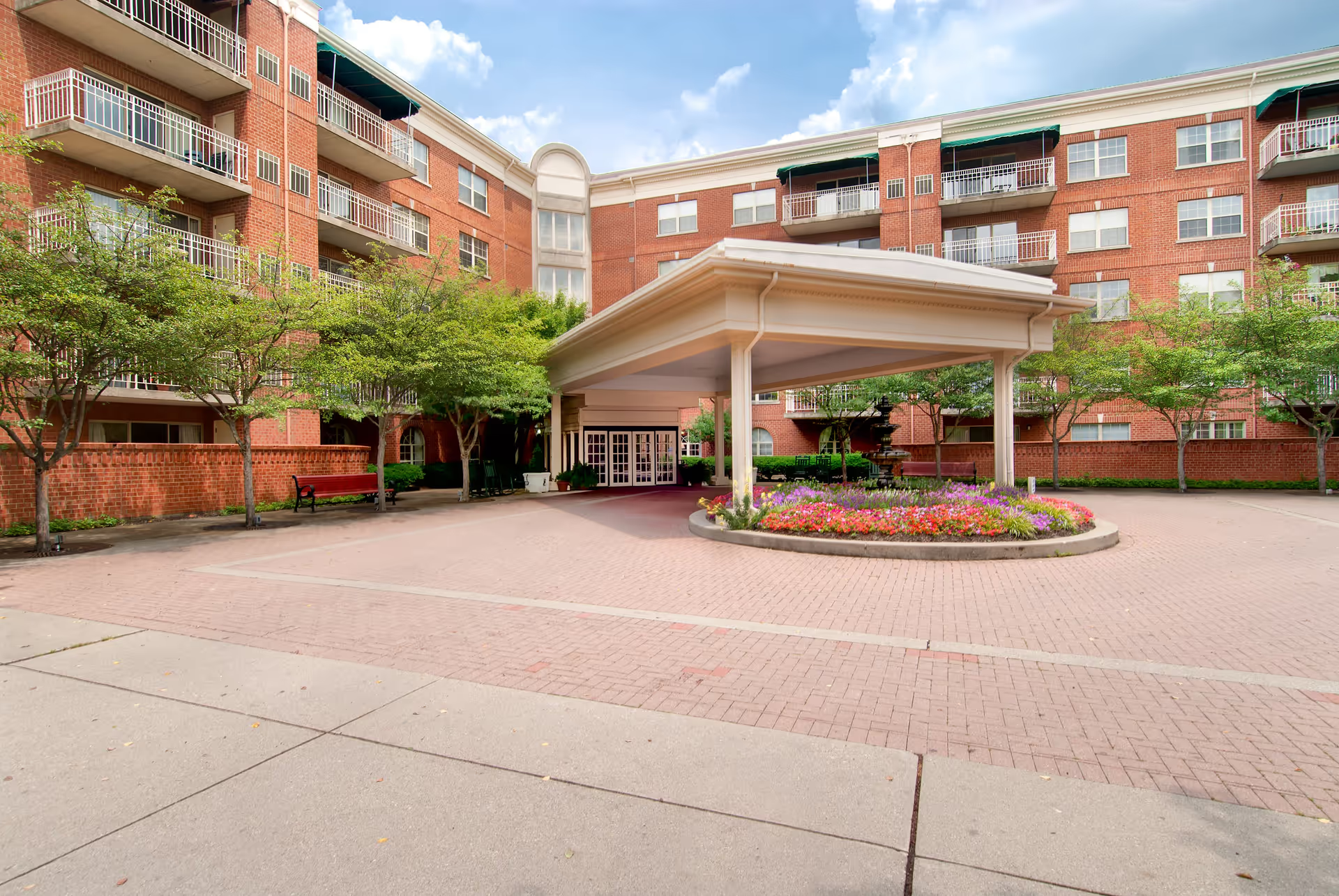
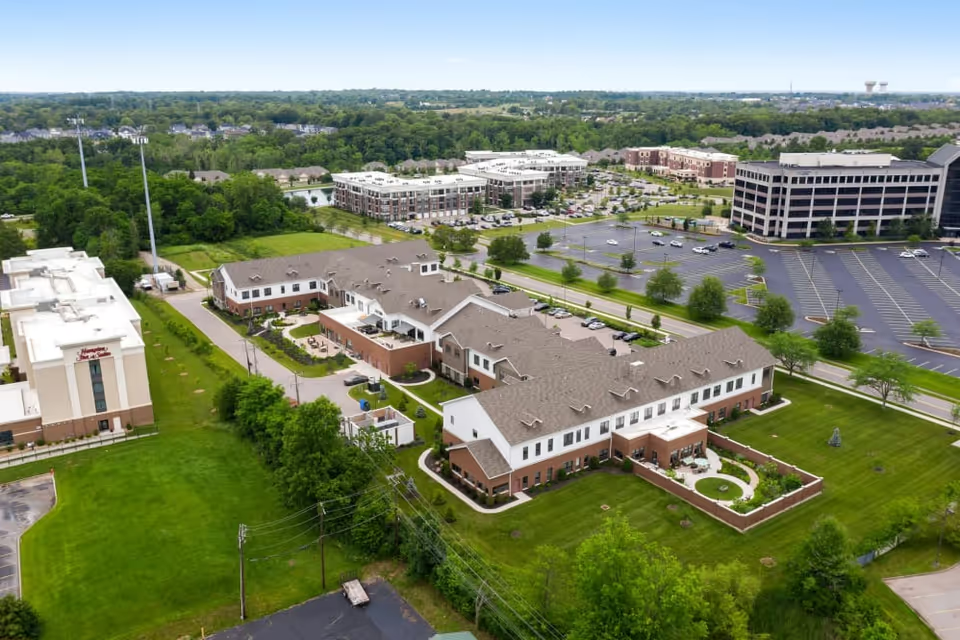
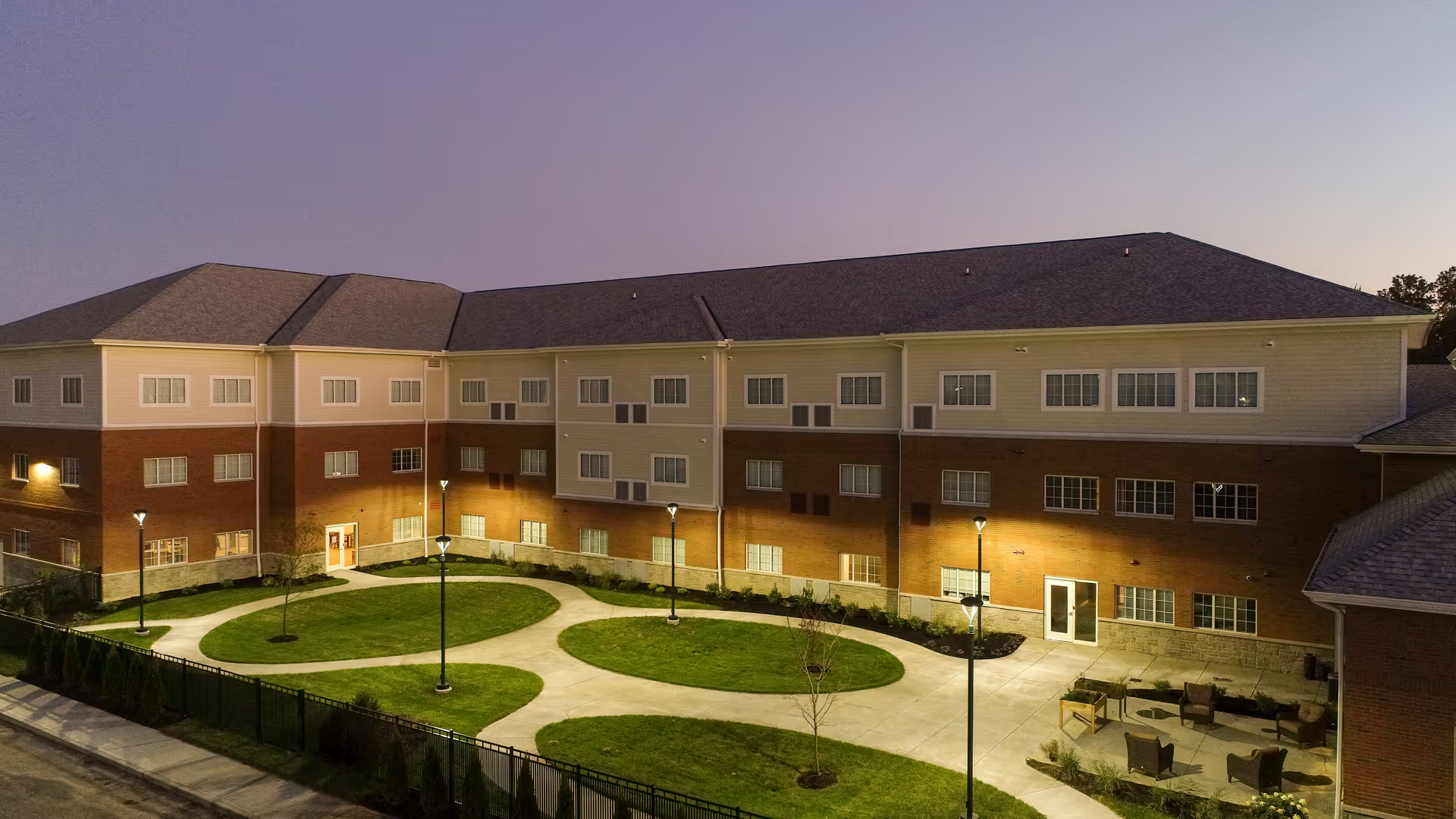
Overall impression Magnolia Springs Loveland is consistently described as a well-appointed, attractive community with a strong emphasis on resident comfort and social engagement. Many families and visitors praise the facility’s physical environment, communal amenities (salon, movie theater, gym, library), and convenient location. The culture is often characterized as family-like: staff-member interactions are described as warm, personable, and attentive, and leadership presence during COVID and special events drew positive comments.
Care quality and staff The dominant theme is positive: staff are frequently described as compassionate, familiar with residents, and willing to go beyond basic duties. On-site clinical supports and therapy services (physical, occupational, speech) are noted as effective in improving mobility and maintaining function for some residents. Memory-care programming receives repeated praise for structured activities and dementia-trained staff, contributing to reduced isolation for many residents. At the same time, reviewers identify operational weaknesses that affect care consistency. There are recurring concerns about staffing levels, reliance on agency caregivers, and uneven coverage during busy shifts; those factors are reported to reduce continuity of care and create variability in day-to-day responsiveness. A subset of families expressed concerns about clinical-incident follow-through and timeliness of family notification after adverse events.
Dining and nutrition Dining quality is frequently highlighted as a strength—many reviewers compare meals to restaurant standards and describe a varied menu with appealing presentations. The kitchen team and occasional chef introductions were cited as positives. However, there is also feedback about inconsistency in meal flavor and timing (occasional blandness, saltiness, or delayed meal delivery), and a few families felt that some diet-specific needs (for example, dialysis-safe menus) required closer attention.
Activities and social life The activities program is broadly regarded as robust and creative, with an extensive calendar of group and individualized options (games, musical events, themed visits, outdoor activities). Staff creativity in tailoring events (special outings, customized activities) is noted as a strong point. A few reviewers felt programming skewed toward certain demographics or social interests and identified a need for more intellectually stimulating or dementia-appropriate offerings for higher-functioning residents who seek additional cognitive engagement.
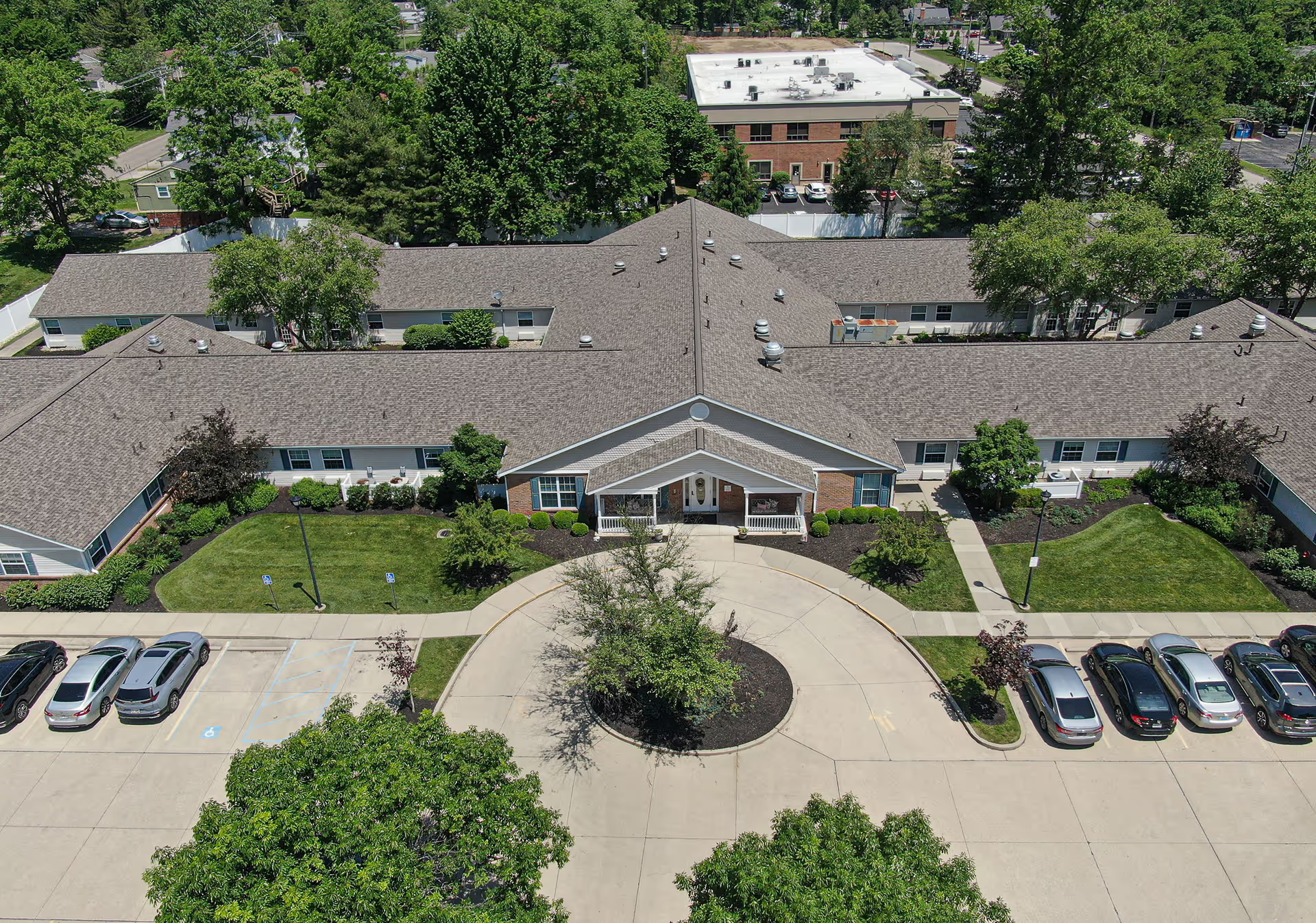
Facilities and operations The physical plant receives consistent praise for design, cleanliness of common areas, and well-maintained grounds. Housekeeping and laundry services are often mentioned positively, but there are isolated sanitation concerns in some resident rooms and inconsistencies in room cleaning and linen handling that families raised. Property-management issues—items misplaced or delayed return of belongings—are another operational theme. Administrative areas also showed variability: some families praised visible, communicative leadership and smooth admissions, while others experienced billing errors, unfriendly front-office interactions, or slower follow-up on requests.
Notable patterns and guidance for families The overall pattern is one of high resident satisfaction driven by interpersonal caregiving and strong programming, tempered by operational variability tied to staffing and coordination. Prospective residents and families who prioritize compassionate staff, social engagement, and on-site therapy will likely find Magnolia Springs Loveland appealing. Families whose primary concerns are strict clinical oversight, uninterrupted continuity of caregiver assignment, or highly consistent housekeeping/dietary services should ask targeted questions during a tour: inquire about typical staffing ratios, use of agency staff, incident-notification protocols, diet-management processes, and examples of how the community addresses lapses when they occur. A focused conversation with leadership about transition plans for memory-care director changes and mechanisms for safeguarding resident belongings may help set expectations and identify any recent operational improvements.