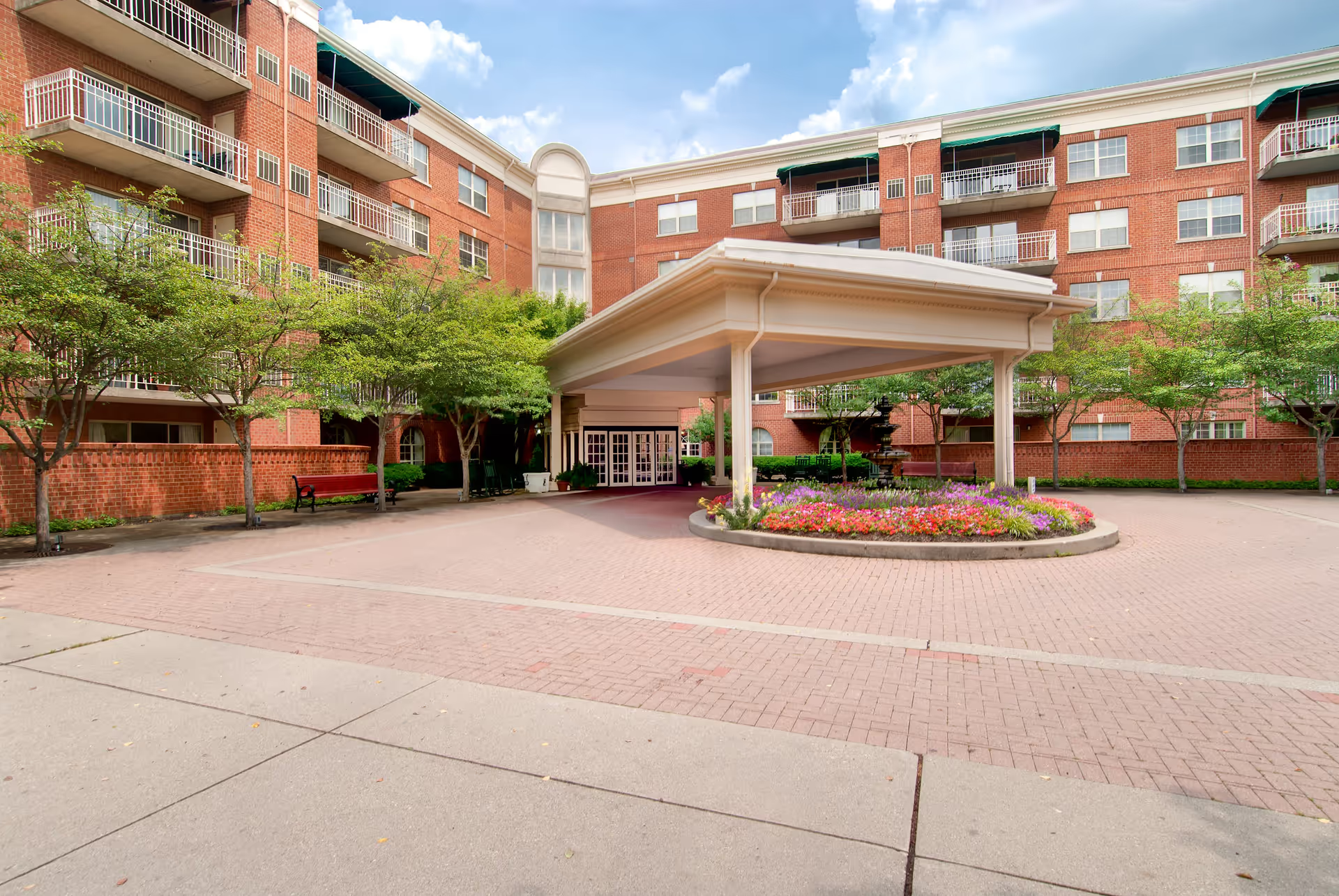
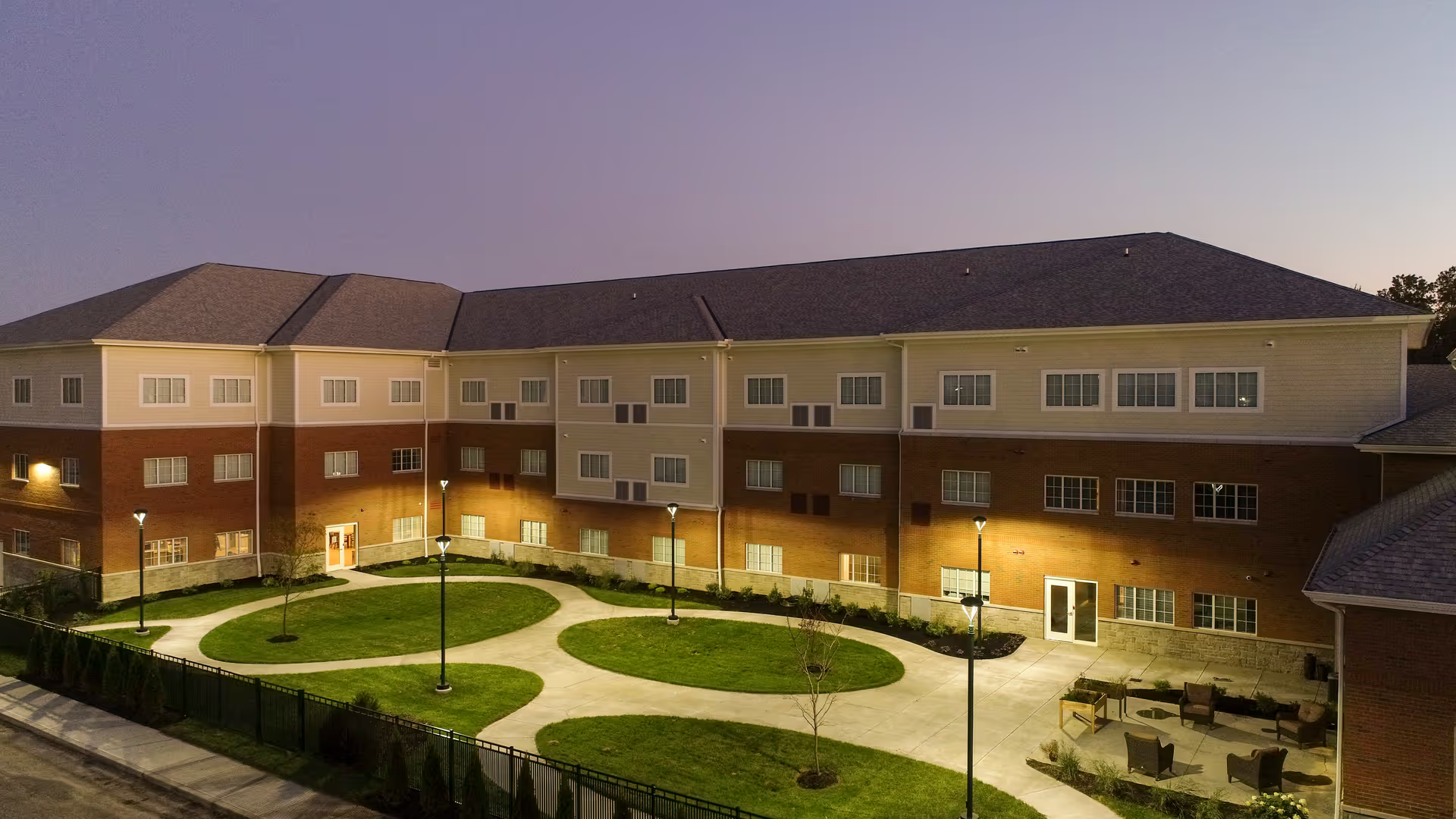
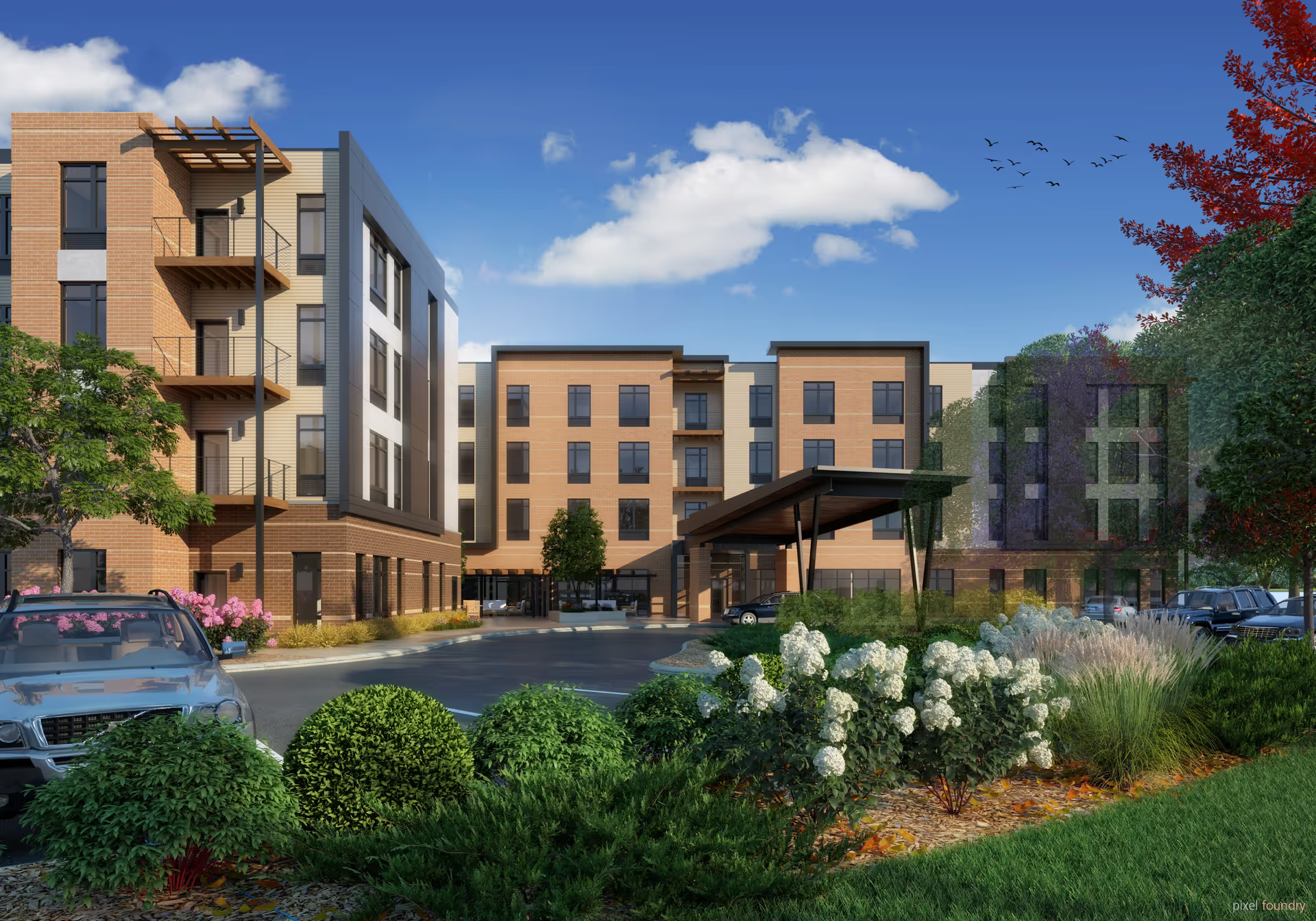
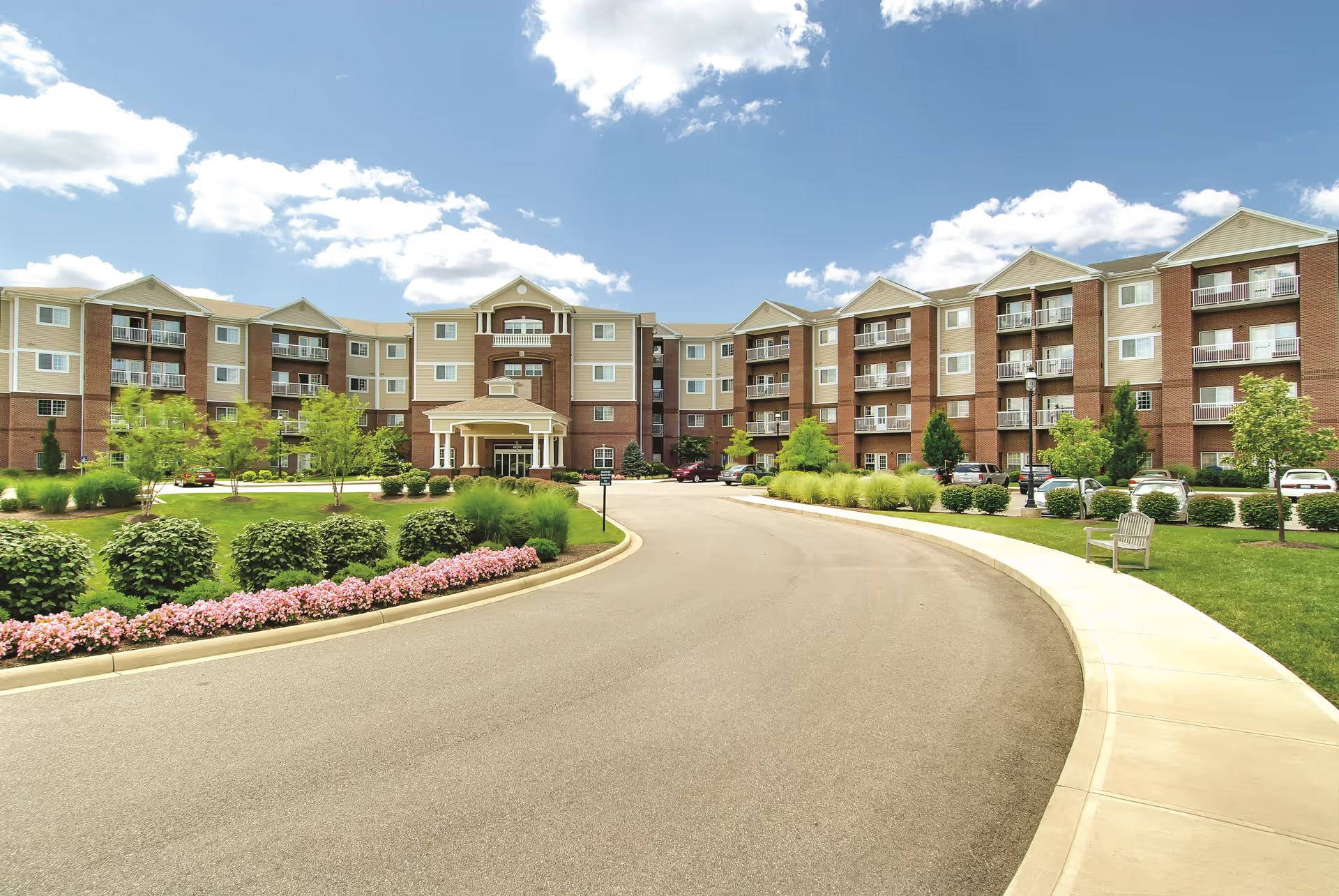
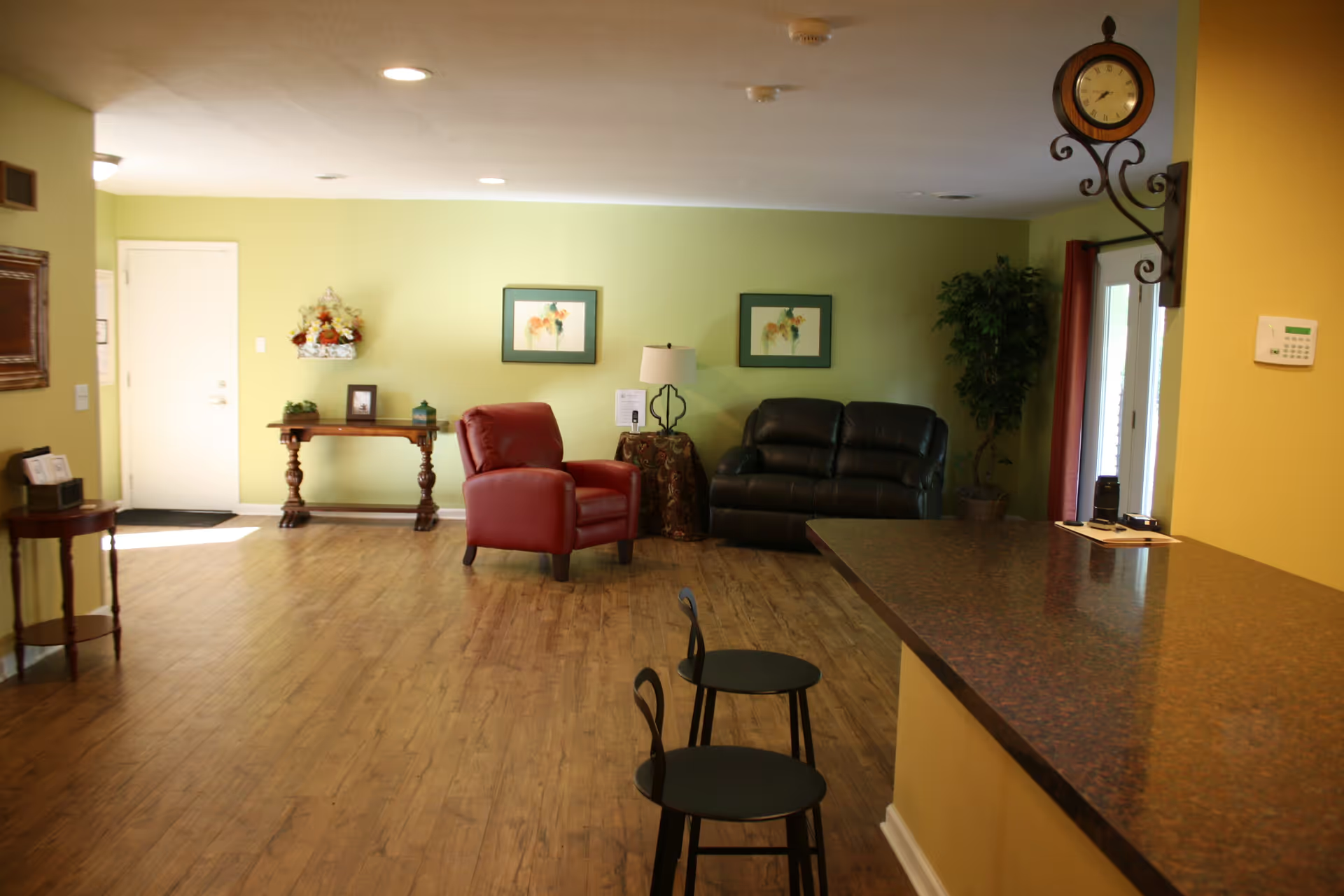
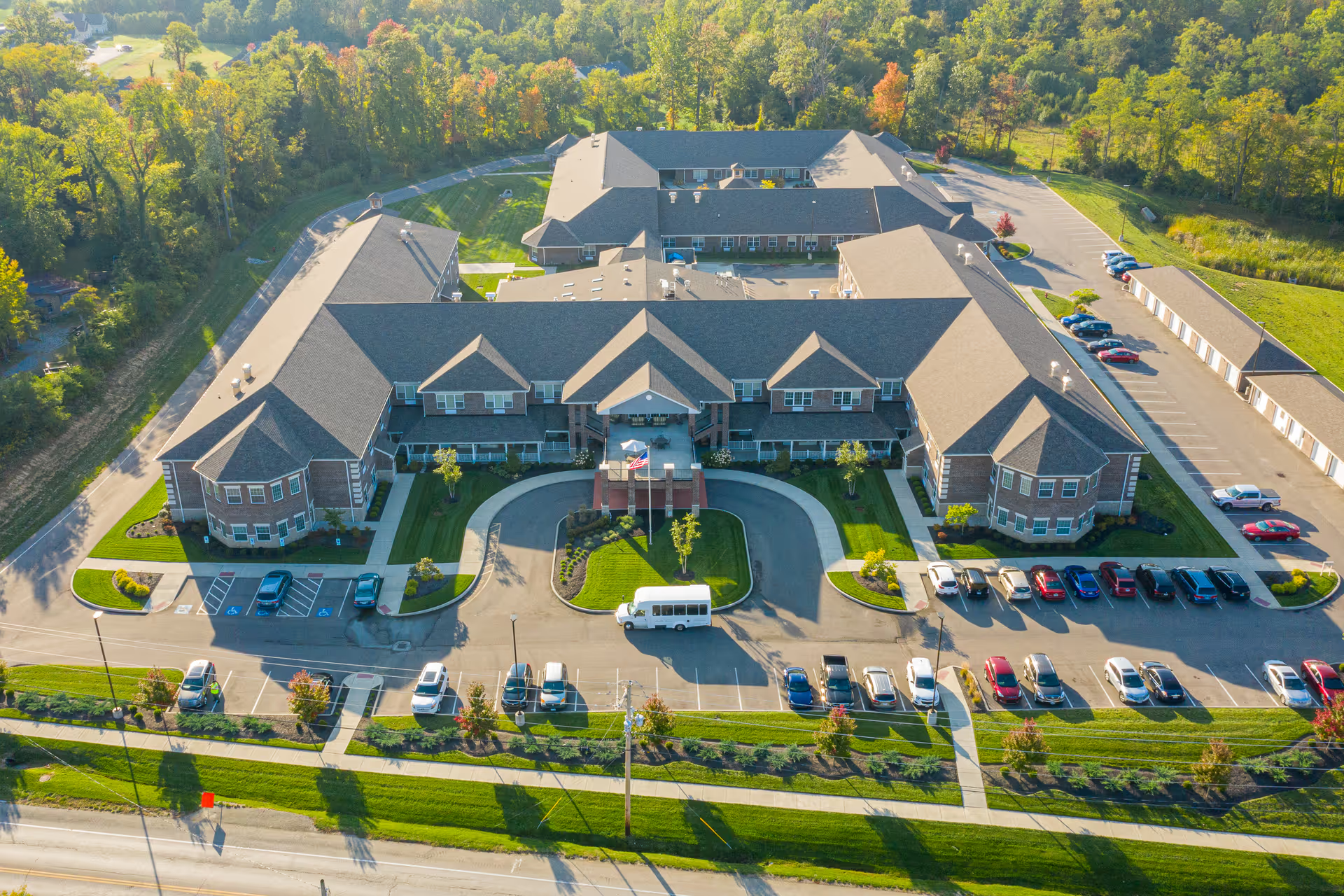
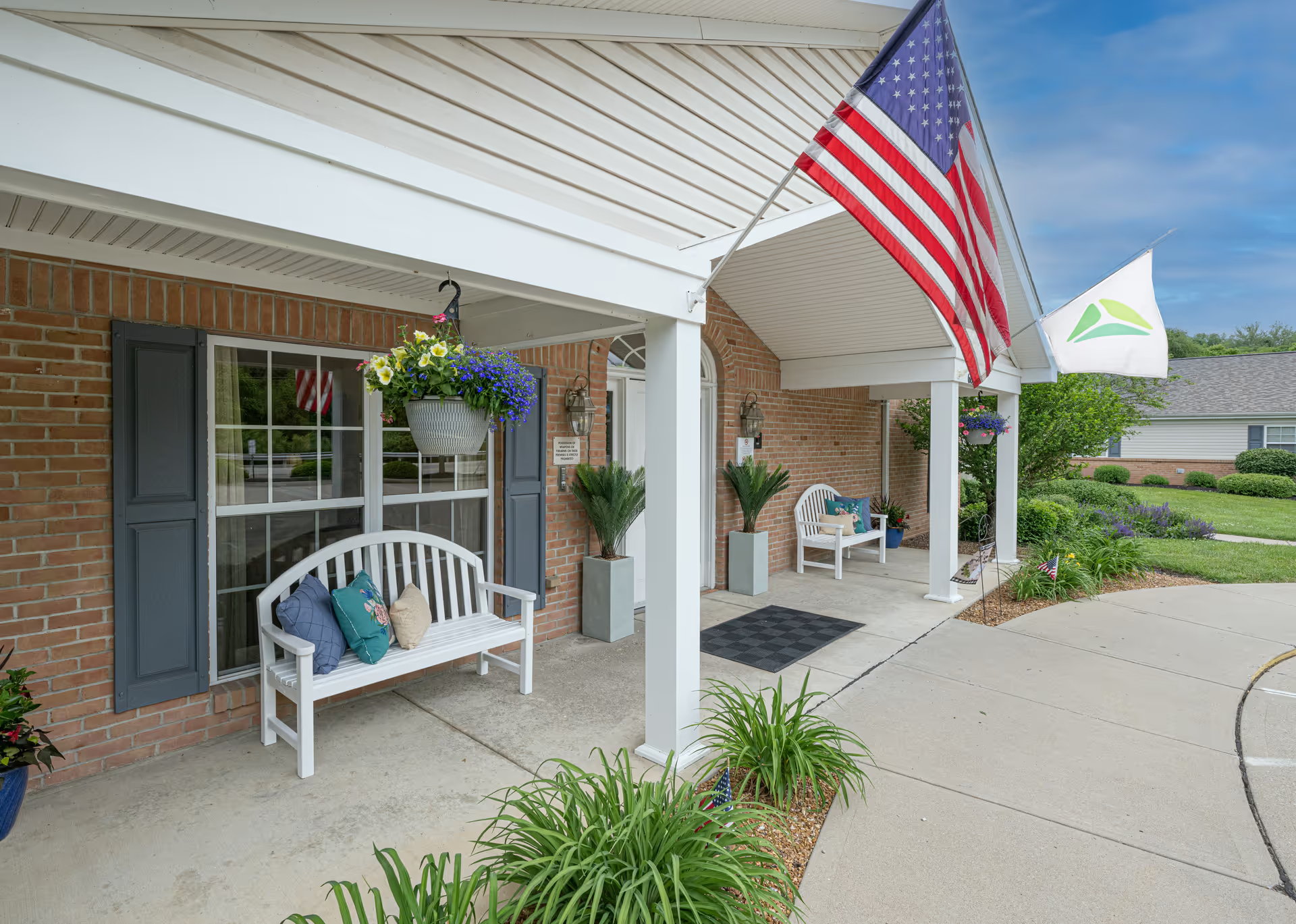
Overall impression: Arden Courts of Kenwood is presented across reviews as a memory-care–focused community with many strengths in daily programming, a warm atmosphere, and facility upkeep. Families and visitors commonly describe the environment as home-like, bright in areas with natural sunlight, and consistently clean. The community’s dementia-specialized design, gated outdoor spaces, and multiple communal areas support safe mobility and social engagement for residents.
Care quality and staff: The caregiving team and leadership receive frequent praise for compassion, dementia-specific training, and individualized attention. Reviewers often note that frontline aides, activity staff, and nurses develop rapport with residents, use name-based interactions, and provide meaningful daily engagement. Leadership and administrative staff are repeatedly described as accessible and communicative, which contributes to a family-like culture. Positive operational examples include prompt assistance during acute events and coordinated end-of-life support.
Clinical and safety patterns: Despite many positive comments about staff, there are recurrent concerns about medication management and clinical documentation. Examples include medication-administration inconsistencies and instances where physician intervention was required after documentation or dosing errors. Related operational weaknesses include inconsistent incident reporting and occasional gaps in follow-through after clinical events. These patterns indicate families should review medication-administration protocols, error-reporting processes, and on-shift clinical oversight when evaluating the community.
Staffing and responsiveness: Staffing levels and timeliness of personal-care responses are a notable area of variability. Several comments point to understaffing, delayed buzzer responses, and periods when staff availability felt limited. These factors can affect personal-care tasks (for example, grooming schedules) and perceived responsiveness. Prospective families should ask about current staffing ratios, peak-hour coverage, and average response times during a tour.
Dining and activities: Activity programming is a strong point: reviewers highlight purposeful life stations, music, craft groups, religious services, coffee clubs, and meaningful cognitive activities tailored to memory-care residents. Food quality is a mixed area—some families praise the dining experience as excellent, while others describe meals as mediocre. Confirming sample menus and observing a mealtime can help set expectations.
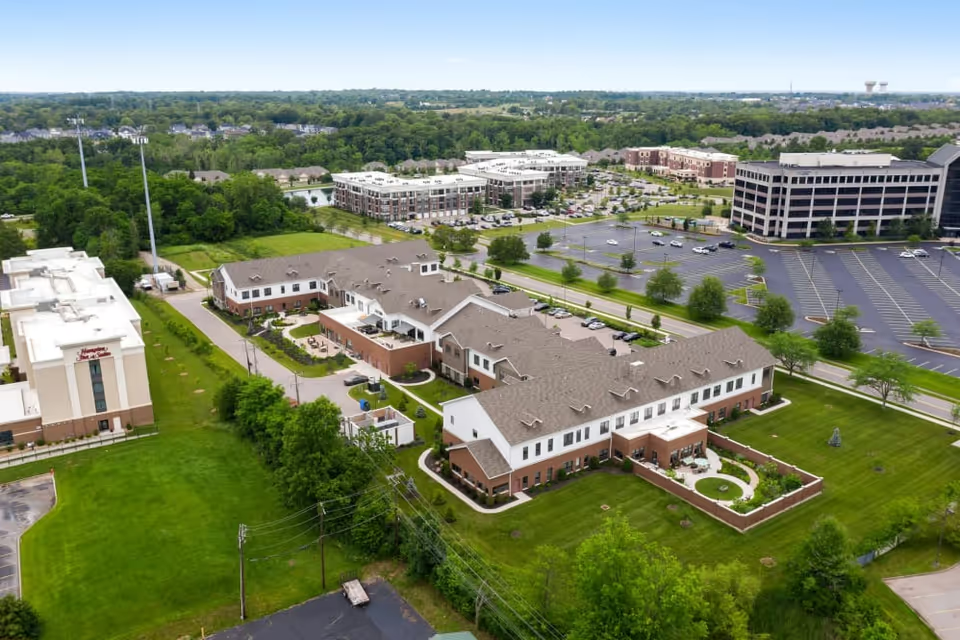
Facilities and logistics: The physical plant is described as well-maintained and clean, with secure outdoor walking areas, trails, and a gated courtyard. Room sizes are variable; several reviewers noted that private rooms can be small and may not easily accommodate larger mobility equipment or multiple pieces of furniture. Other practical considerations mentioned include limited parking and occasional constraints on admitting higher-acuity residents.
Management and patterns to watch: Leadership is often a strength, with specific administrators singled out for positive engagement; however, there are also comments pointing to inconsistent administrative follow-through and, in a few cases, concerns about admissions handling and transparency. Given this mixed pattern, families should request clarification on incident-reporting practices, admission criteria for higher-acuity needs, medication-audit procedures, and how the community addresses staffing shortfalls.
Overall recommendation guidance: Arden Courts of Kenwood appears to offer strong dementia-focused programming, a caring staff culture, and well-kept common areas that many families find reassuring. At the same time, recurring operational themes—medication-management consistency, staffing variability, room sizing, and dining consistency—are important to vet during a visit. Practical questions for a tour include demonstration of medication-administration protocols, current staffing ratios and on-call physician access, average call-response times, typical room dimensions, sample menus, and examples of incident reporting and corrective-action follow-through.