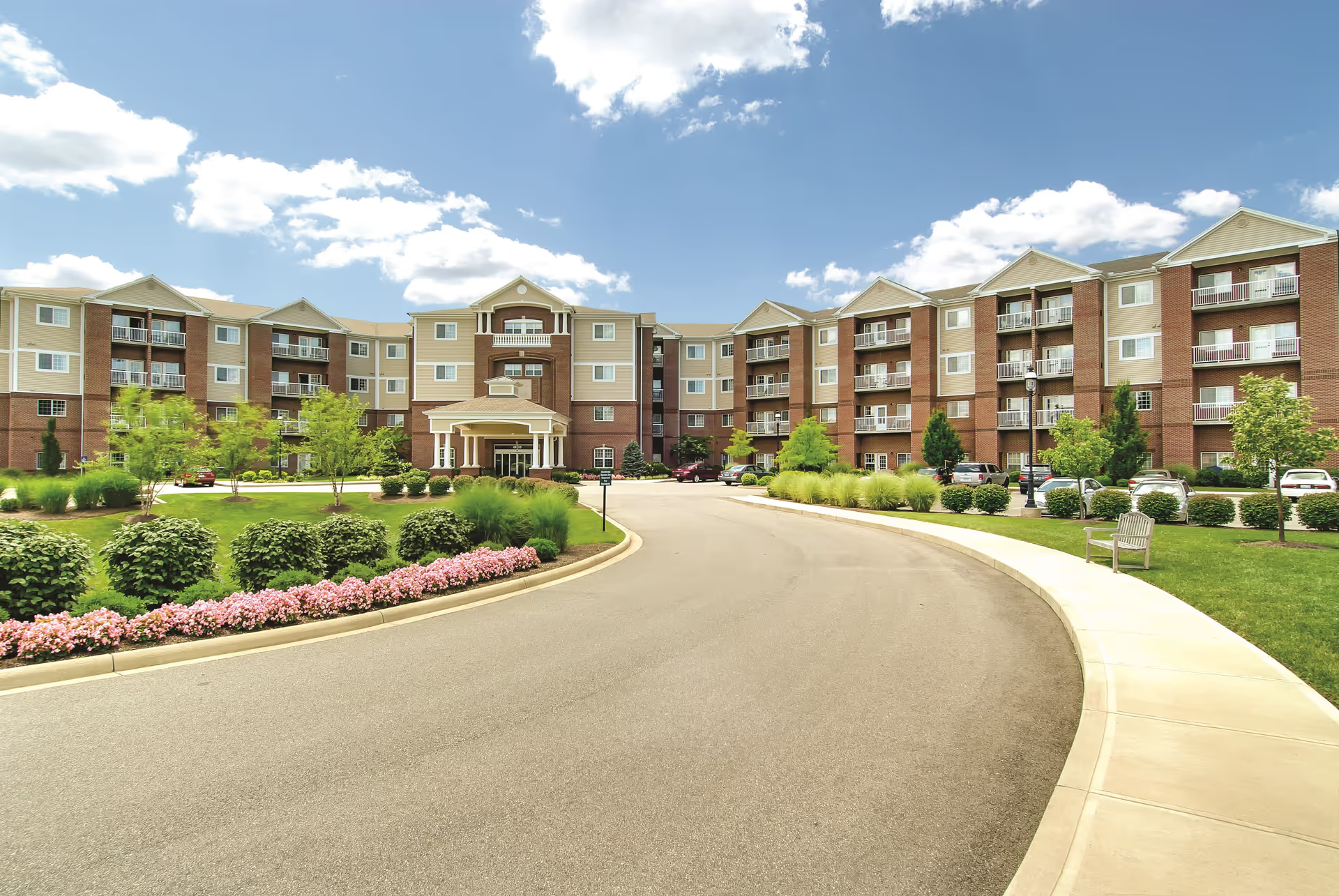
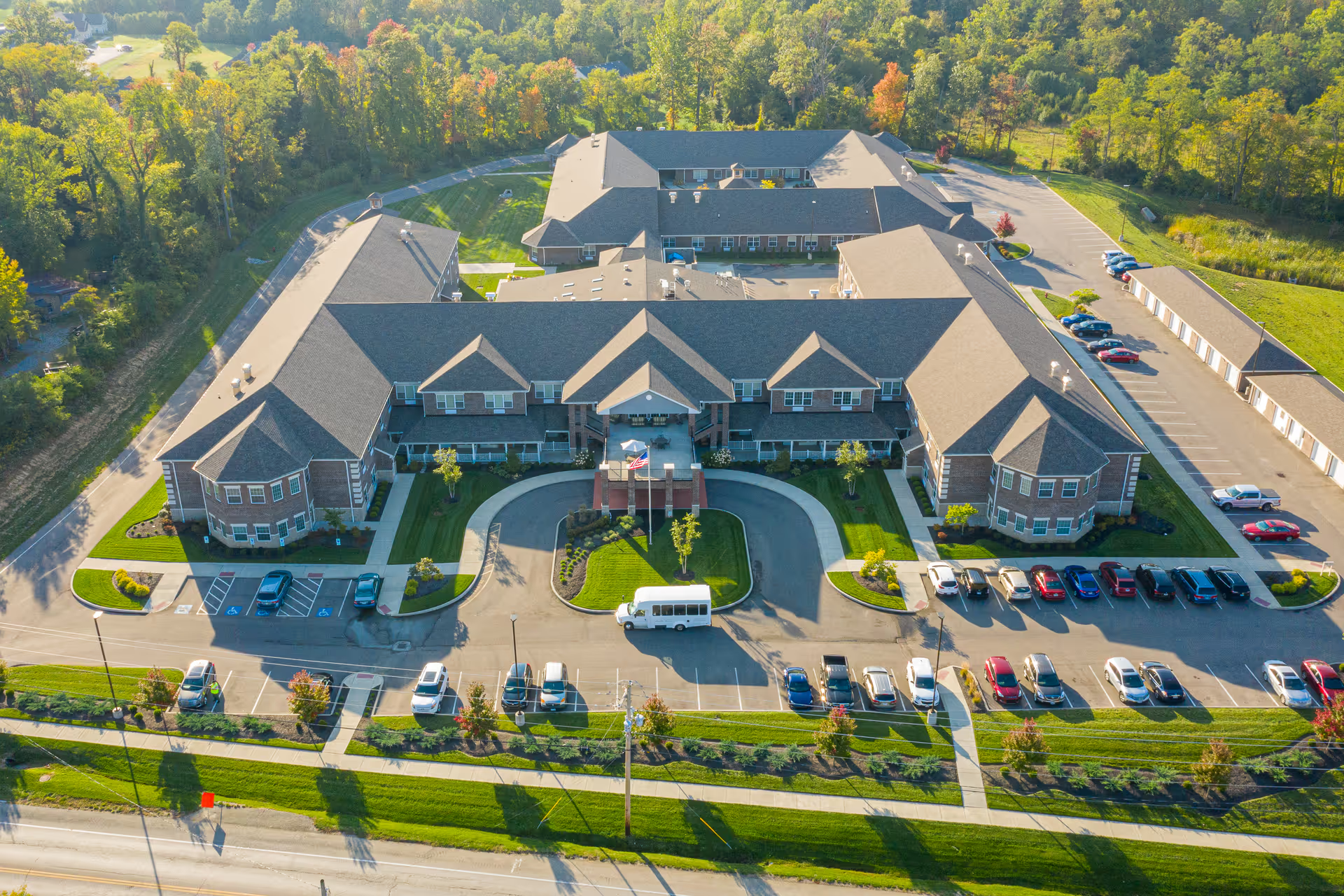
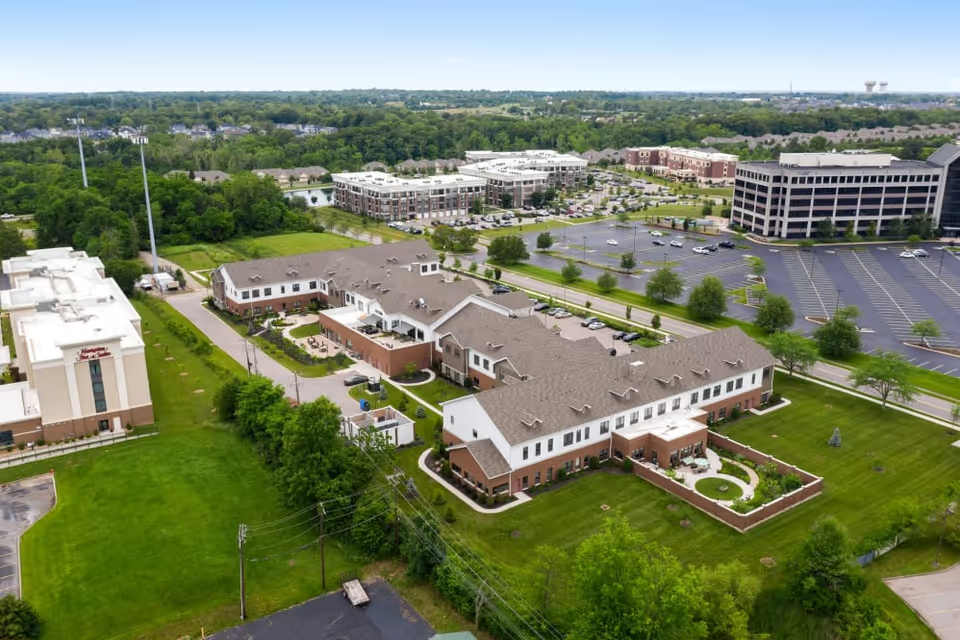
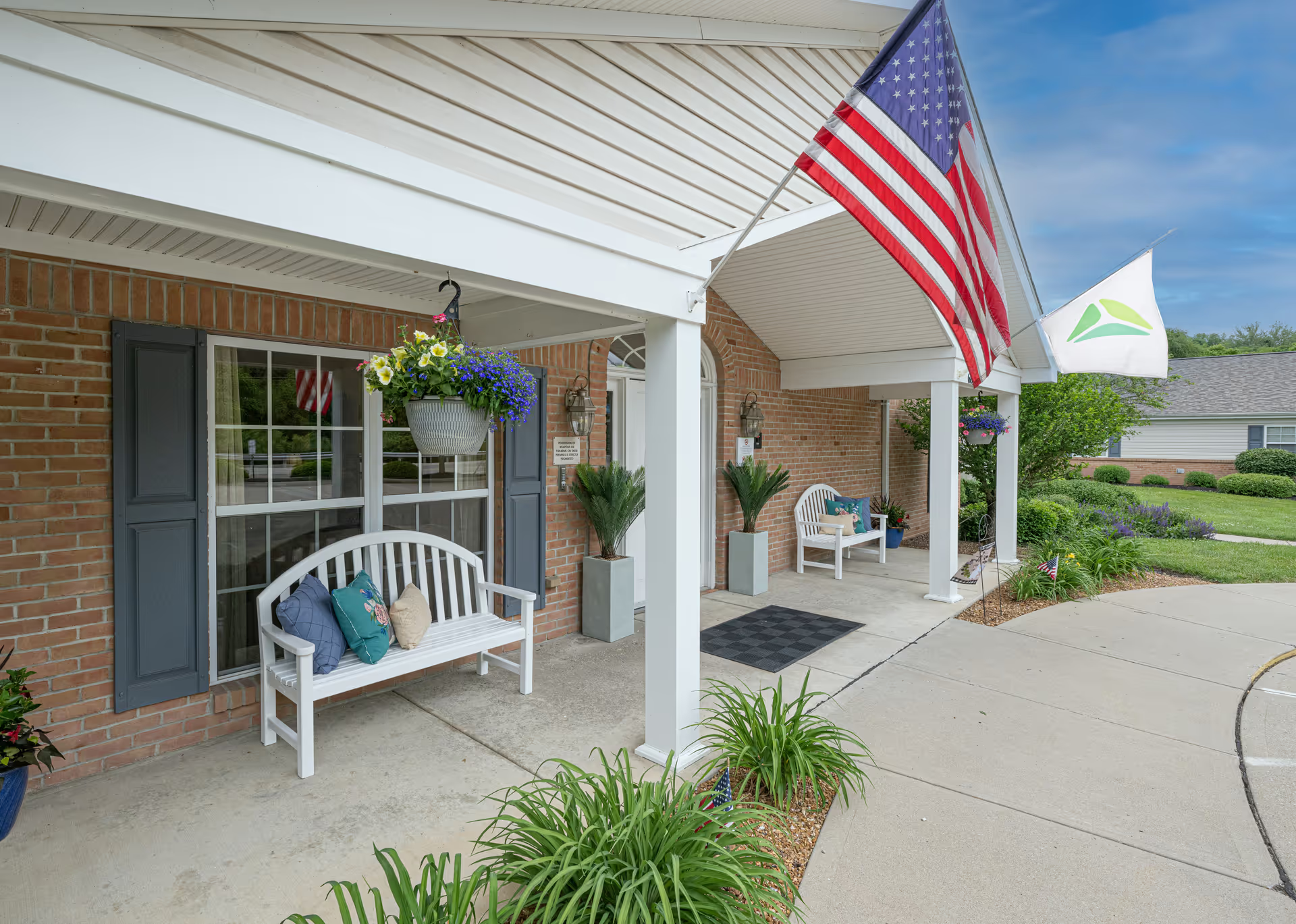
The Seasons is generally presented as a well-equipped, attractive retirement community with notable strengths in staff compassion, therapy services, dining, and social programming. Many reviewers praised the interpersonal qualities of frontline caregivers, the competence of the therapy/rehab team, and the presence of attentive nursing and social-work support. Short-term rehab and skilled nursing services receive comparatively strong endorsements for clinical outcomes and professional care. Independent living residents frequently cite spacious apartments, pleasant grounds, and an active social scene as major positives.
Staff and direct care are recurrent strengths: reviewers describe warm, helpful reception and move-in experiences, responsive maintenance, and hardworking housekeeping. Programming staff and activity leaders are often singled out as enthusiastic and creative, and the facility offers abundant events, gardening opportunities, and communal spaces that support resident engagement. The dining program earns high marks from many for restaurant-style meals, menu variety, and a chef-driven service model, contributing to a resort-like atmosphere in portions of the community.
However, the reviews also reveal operational inconsistencies that prospective residents and families should investigate. There are repeated concerns about variability in assisted-living staffing levels and visibility, slow responses to call lights in some units, and gaps in medication administration and oversight. These issues have been described as more pronounced in assisted-living contexts versus independent living and skilled nursing, suggesting inconsistent staffing/training across care levels. Safety and access-control practices (for example, unsecured doors) and underlit circulation areas were also noted as areas needing attention.
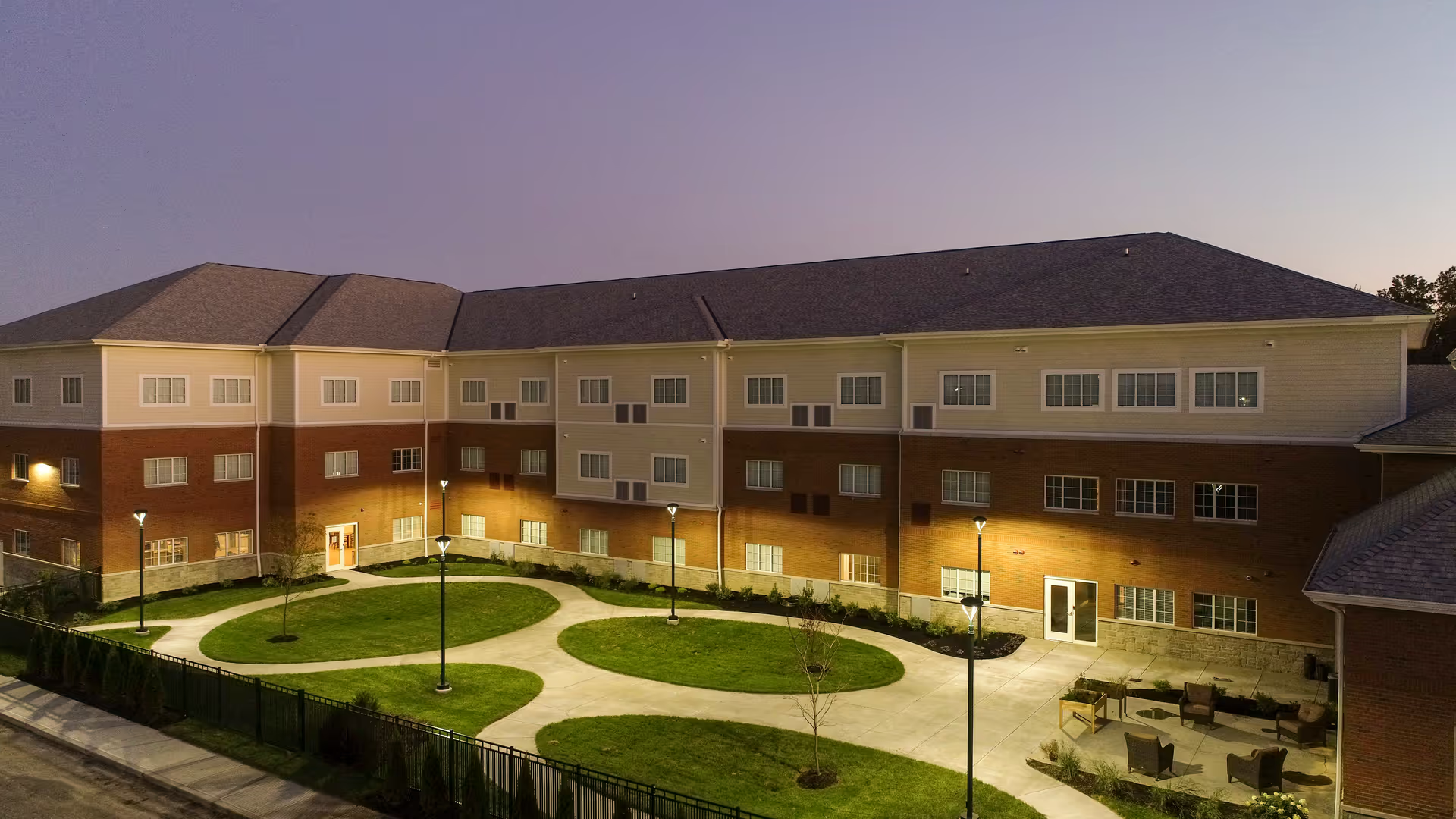
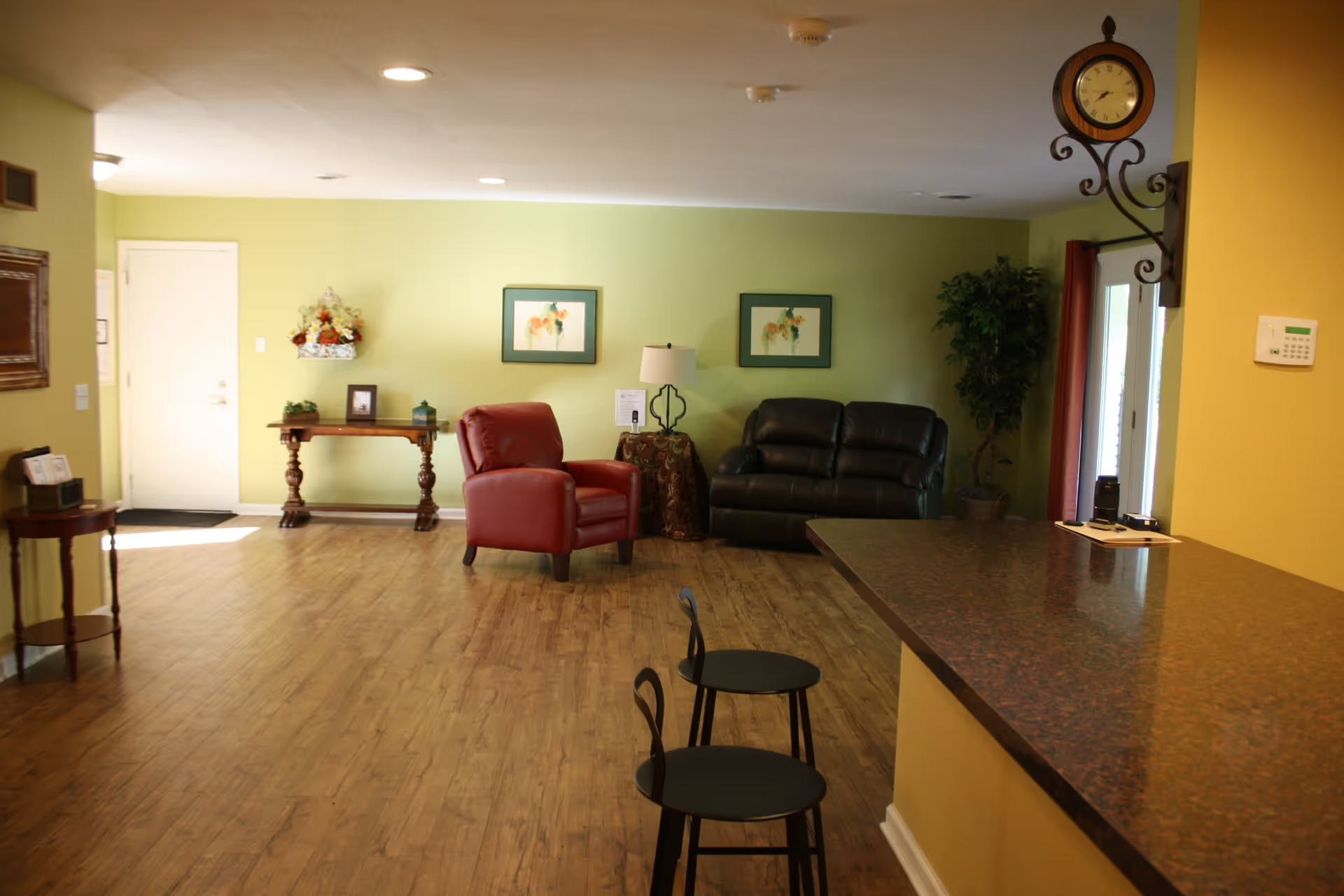
Dining impressions are mixed: while many praise gourmet offerings and plentiful entrée choices, others described periods of poor meal quality, service interruptions (notably during pandemic-related restrictions), and rising guest/meal fees. Facility appearance and upkeep are generally regarded as good at the community level, with attractive common spaces and well-kept grounds; nevertheless, some unit-level maintenance and sanitation concerns were reported, including water stains, carpet and paint needs, and localized cleanliness issues.
Management and administrative patterns emerged as another important theme. Positive accounts cite helpful intake staff and a generally smooth move-in process, but several reviewers reported unclear pricing, non-refundable community fees, unexpected billing increases, and unmet sales promises. Families recommended asking detailed questions about fee structure, refundability, what is included in the monthly rate, and policies for residents who exhaust savings or change care levels.
Bottom line: The Seasons appears to be a strong option for independent living residents and for short-term rehab or skilled nursing needs, particularly where therapy and an active lifestyle are priorities. For families considering assisted living or higher-dependency care, it would be prudent to confirm current staffing levels, medication-administration protocols, safety procedures, and written pricing disclosures before committing. Requested documentation and in-person observation of assisted-living routines, medication rounds, and emergency response times are advisable to confirm operational consistency.