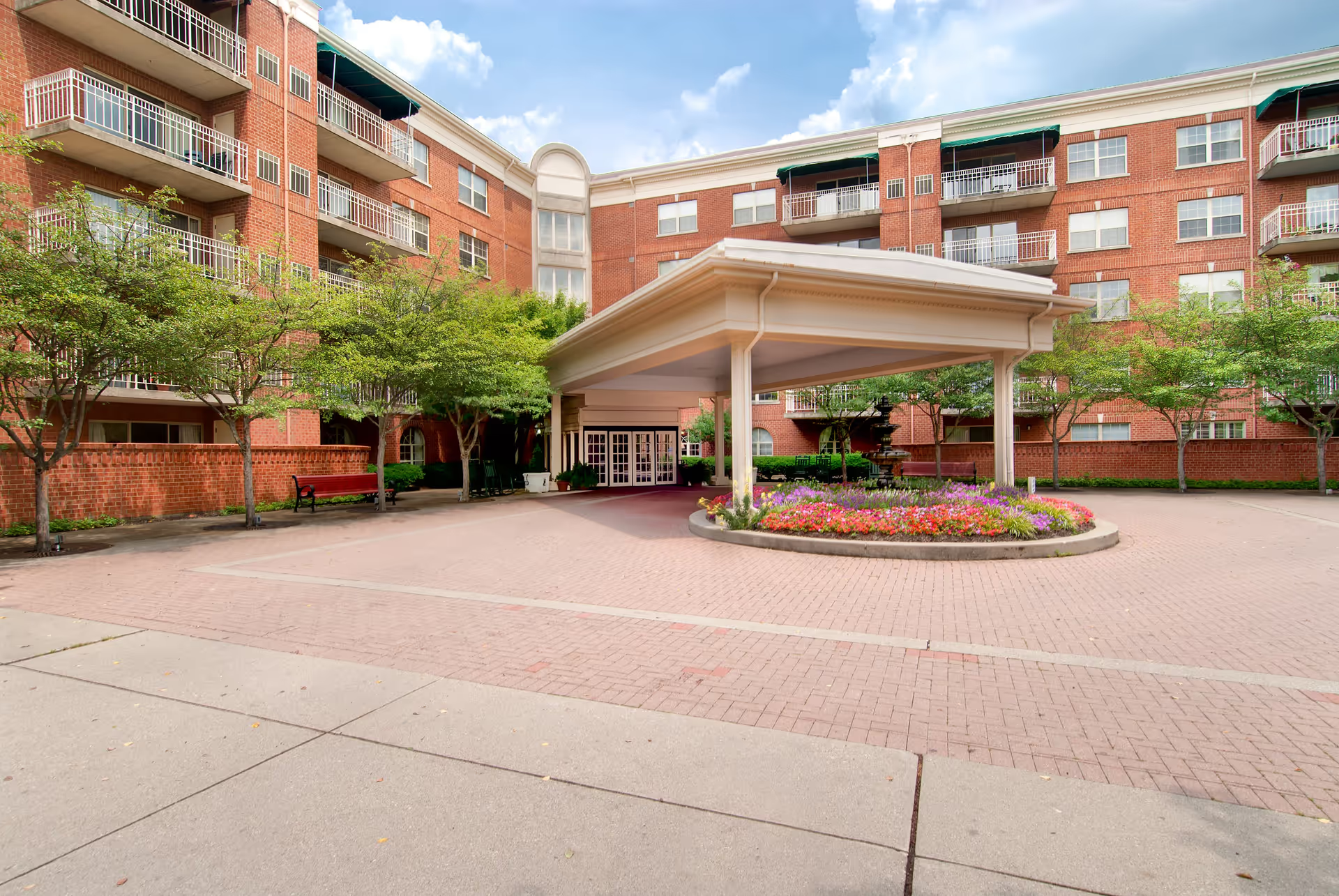
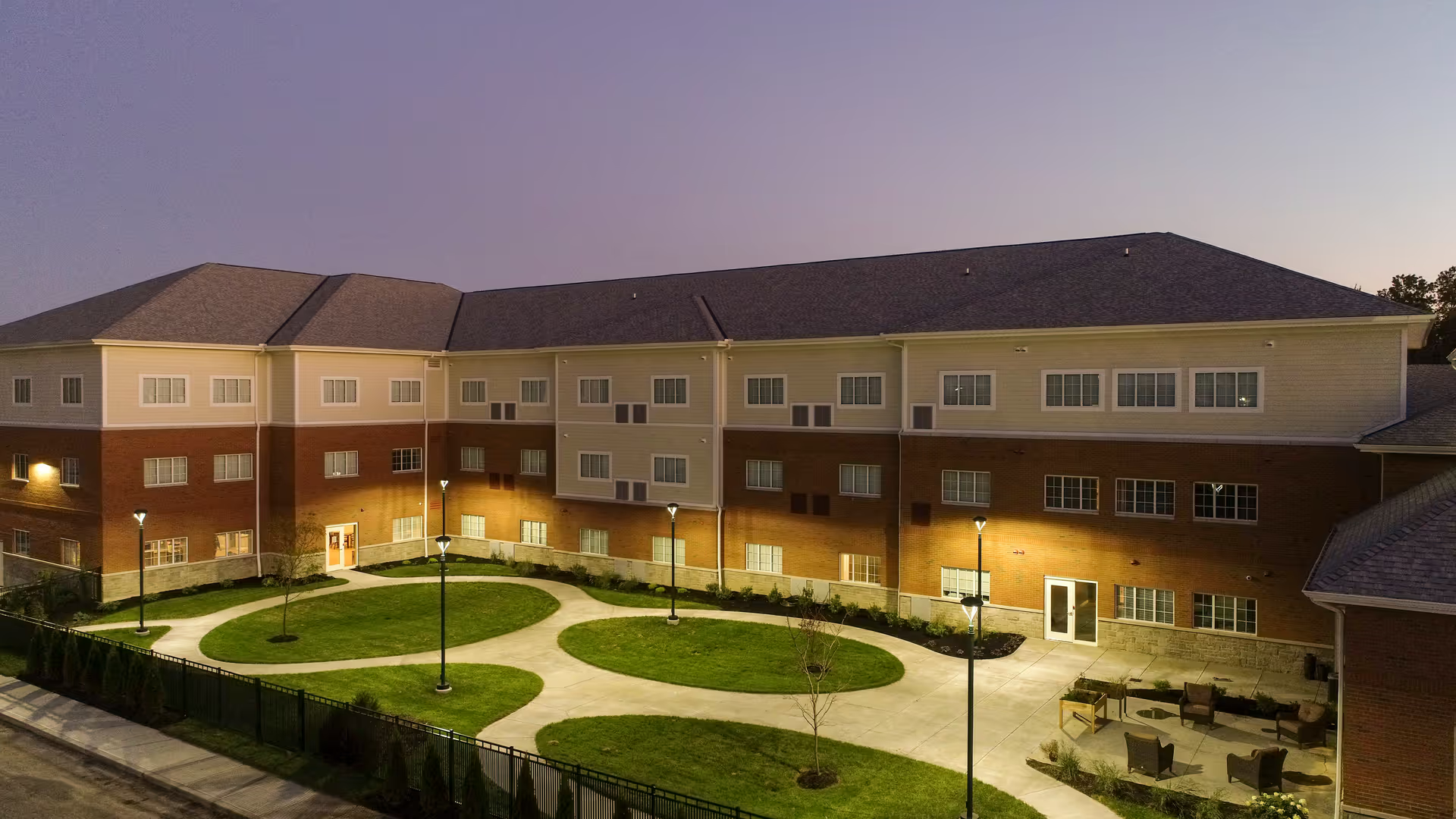
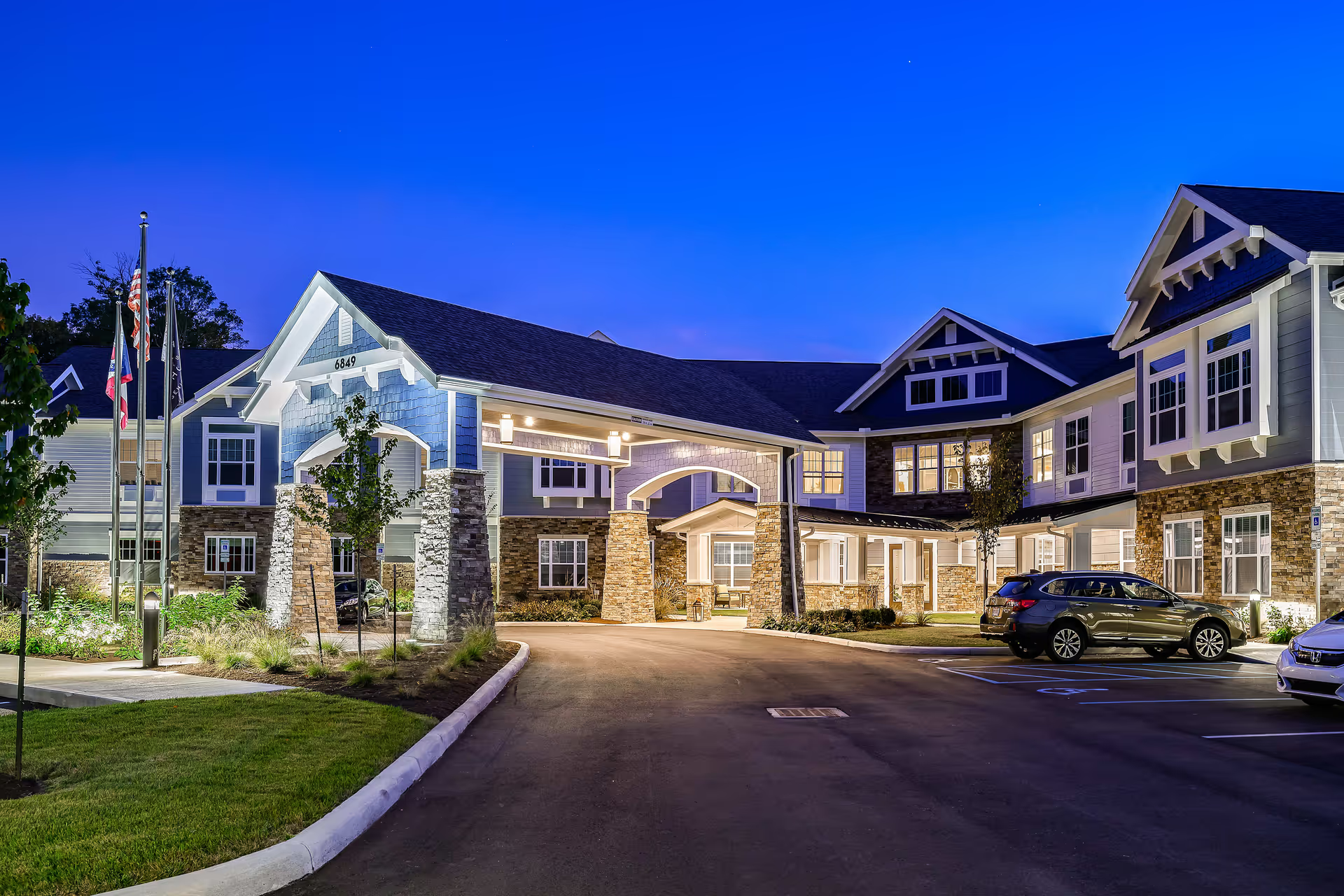
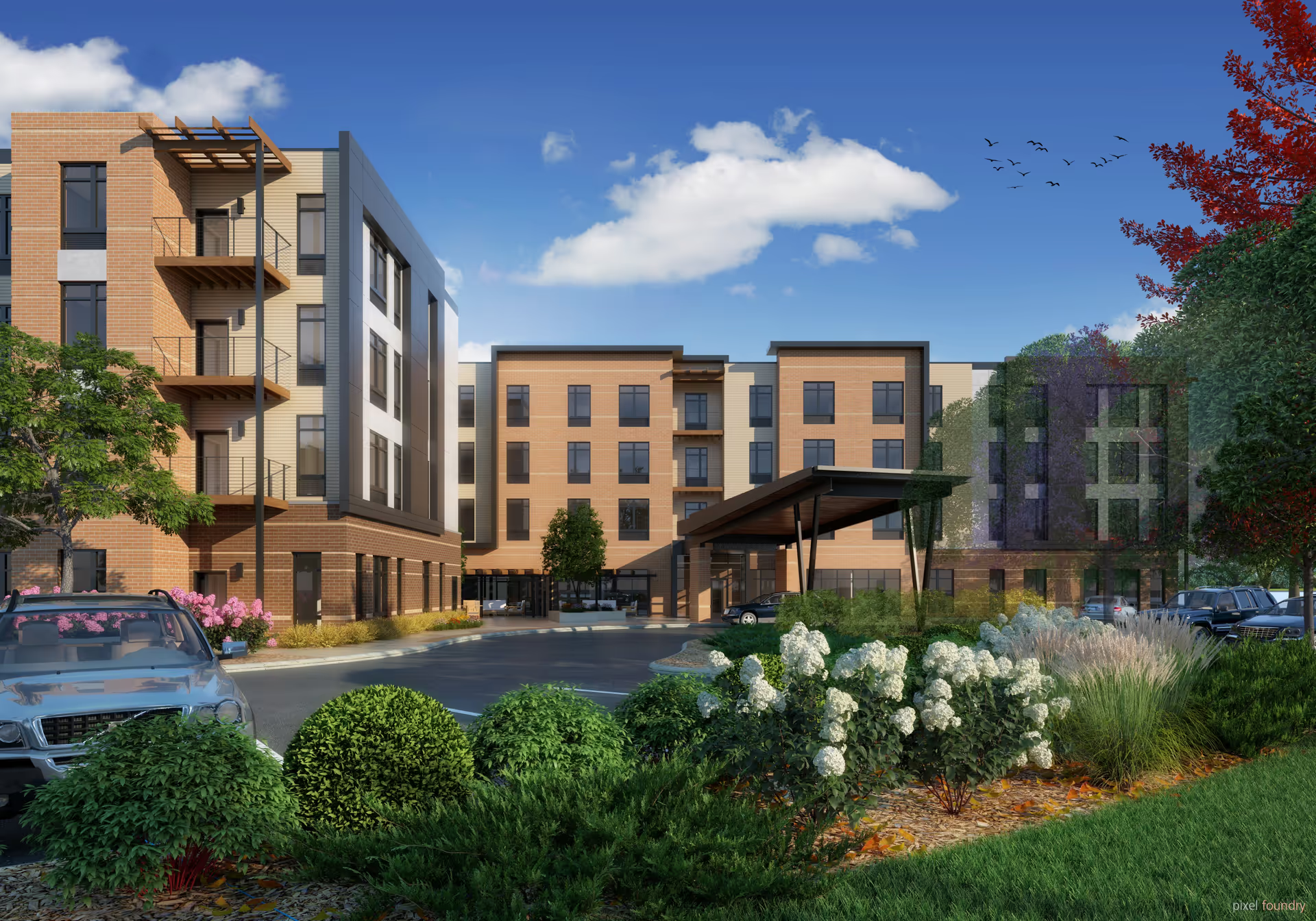
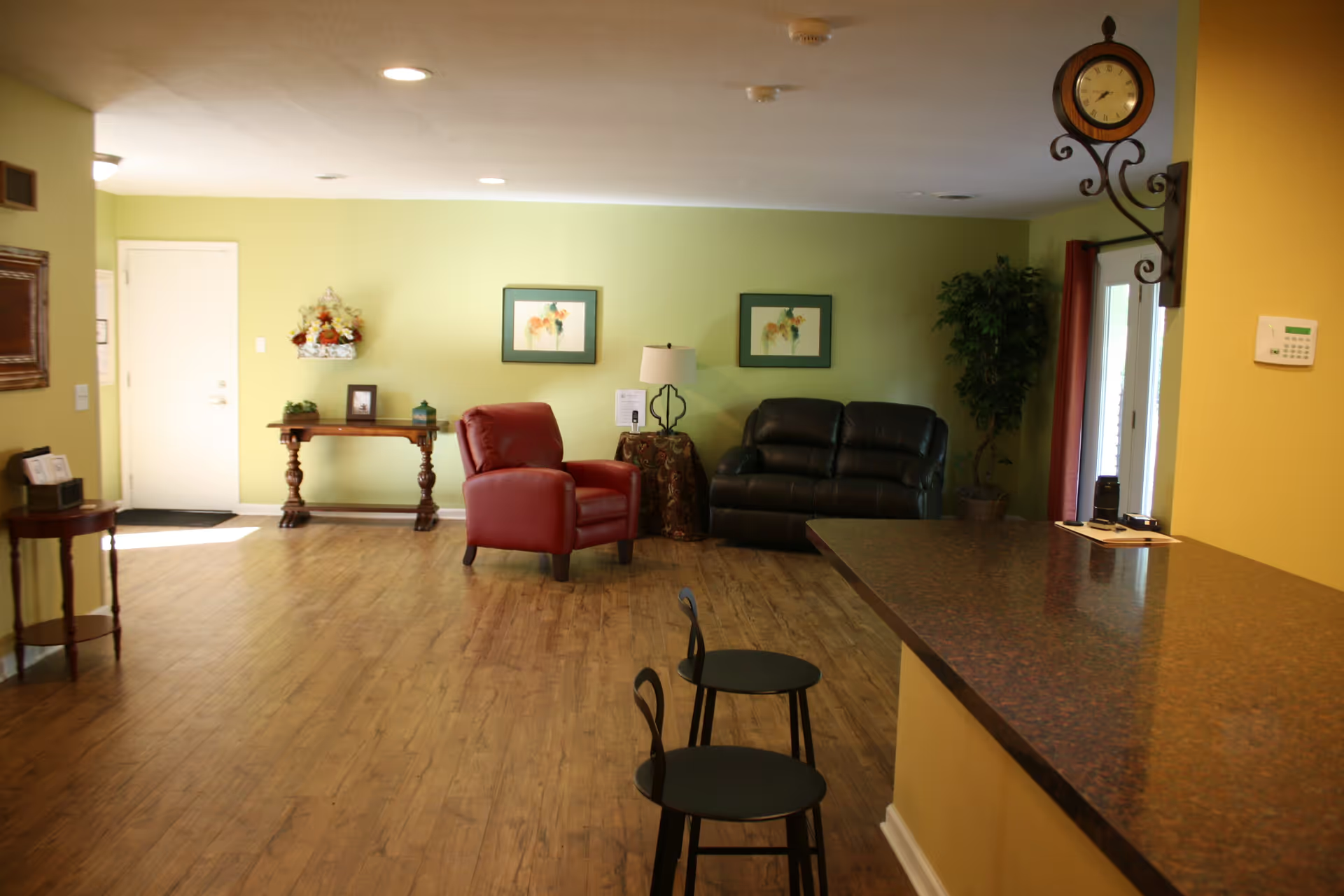
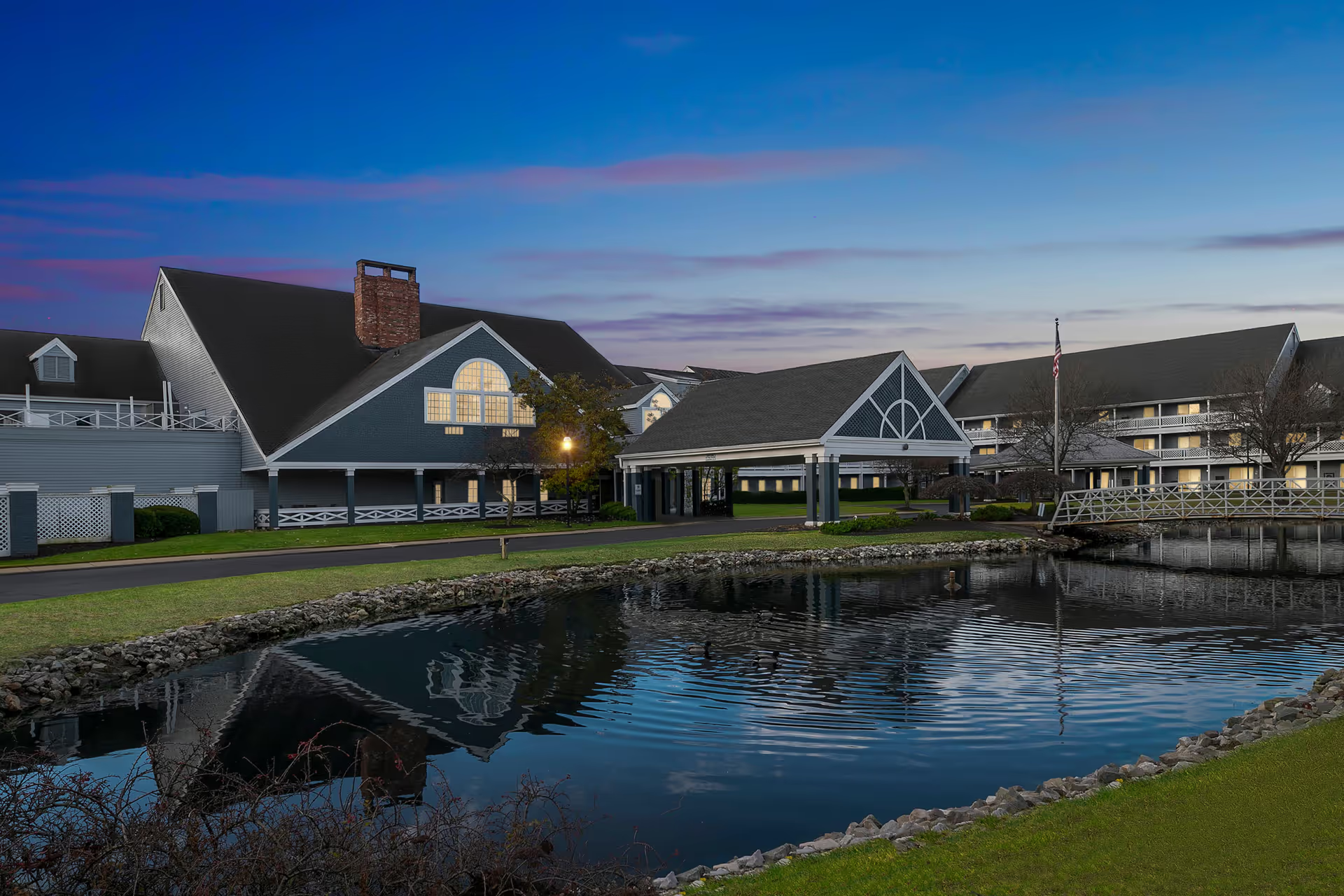
Barrington of Oakley is a newer, well‑appointed senior living community with a broad set of campus amenities and a strong activity program. Many reviewers praise the physical plant — bright, updated apartments (many with balconies and in‑unit washers/dryers), an elegant dining room, theater, salon, fitness area and on‑site therapy/rehab services. The community offers structured social opportunities (ambassador programs, happy hours, live music, outings and themed events) that many residents and families find engaging and supportive of social wellbeing.
Care quality descriptions are mixed. Numerous accounts highlight empathetic, dedicated aides, nurses and care staff who build rapport, provide companionship and know residents by name. At the same time, a recurring pattern of operational weaknesses appears: variable staffing levels (notably overnight), uneven training for dementia and higher‑acuity needs, and documented lapses in medication administration and care documentation. These patterns have translated into delayed or missed assistance for residents with higher dependency, concerns about medication handling and inconsistencies in daily care plans and follow‑up.
Dining and food service are another area of divergence. The facility offers restaurant‑style dining and a range of entrée choices and special events that reviewers enjoyed. However, several accounts describe inconsistent meal execution — small portions at times, out‑of‑stock items, rushed service, and failures in meal pre‑ordering — creating an uneven dining experience across days and shifts.
Operational and management practices are described variably. Positive reports cite responsive move‑in support, long‑tenured staff, and effective programming. Negative reports identify gaps in leadership responsiveness, inconsistent housekeeping/maintenance follow‑through, weak incident reporting, and limits to transparency (including documented issues with care logs and family communication). There are also serious individual allegations concerning personal‑property security; families should treat these as important points for verification during a tour.
Memory care is provided on a secure floor within the same elevator system as other levels, reflecting an integrated model rather than a completely separate campus. Some families appreciate the integration and social opportunities; others express concern that the layout and staff training do not meet all dementia‑specific expectations. The community provides in‑house nursing and therapy but reviewers indicate it is not a full skilled‑nursing facility, which is an important distinction for residents who may require high‑level medical care.
In sum, Barrington of Oakley offers substantial physical amenities, an active social calendar, and many examples of warm, person‑centered caregiving. Prospective residents and families should, however, clarify operational details during tours: confirm staffing ratios by shift (including nights), review medication‑administration policies and recent audit findings, ask about housekeeping and maintenance schedules, evaluate dining menus and meal‑ordering processes, and discuss security/property controls and incident‑reporting practices. Those steps will help determine whether the community’s strong amenities and activity programming align with the level of clinical oversight and consistency a given resident requires.