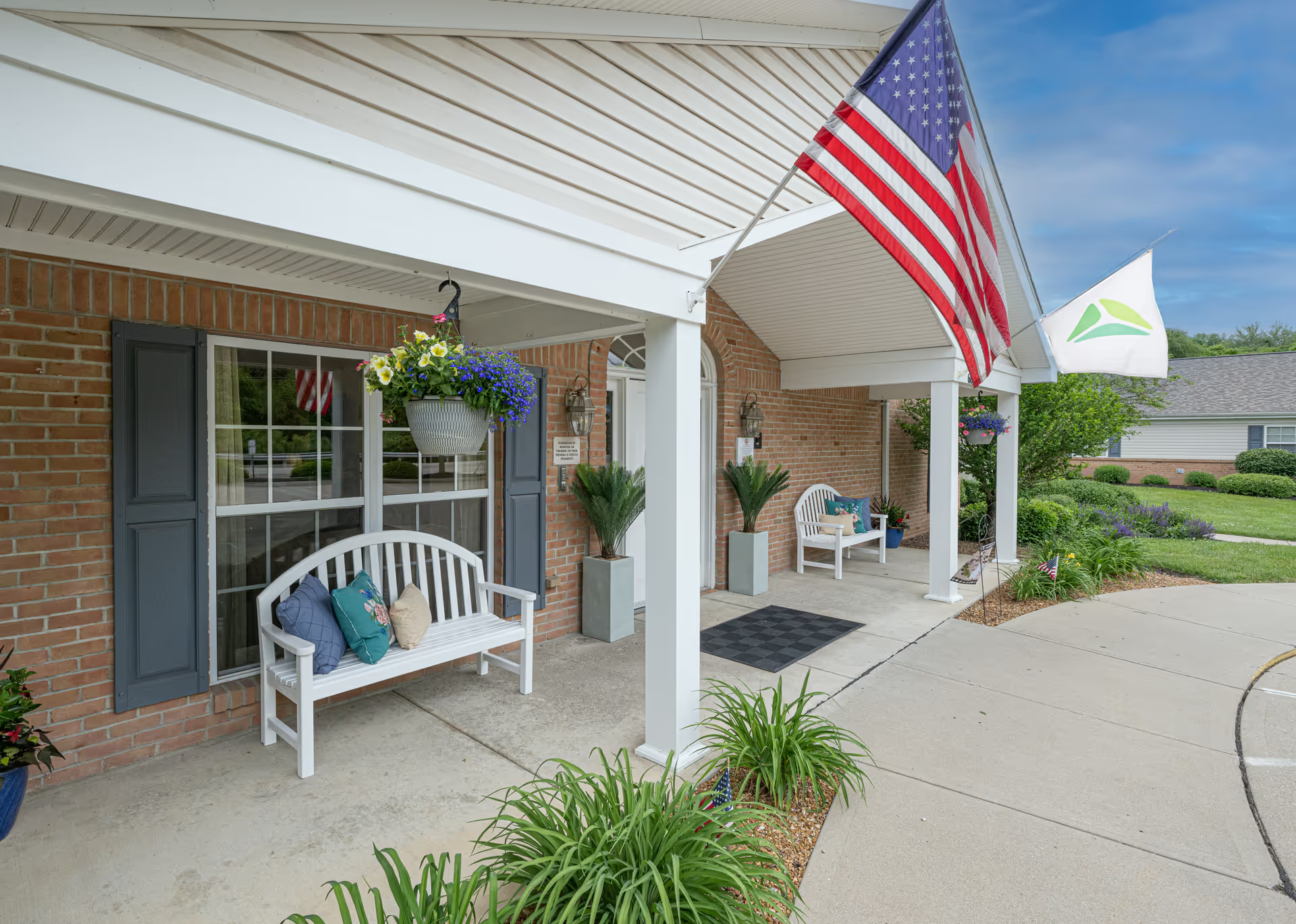
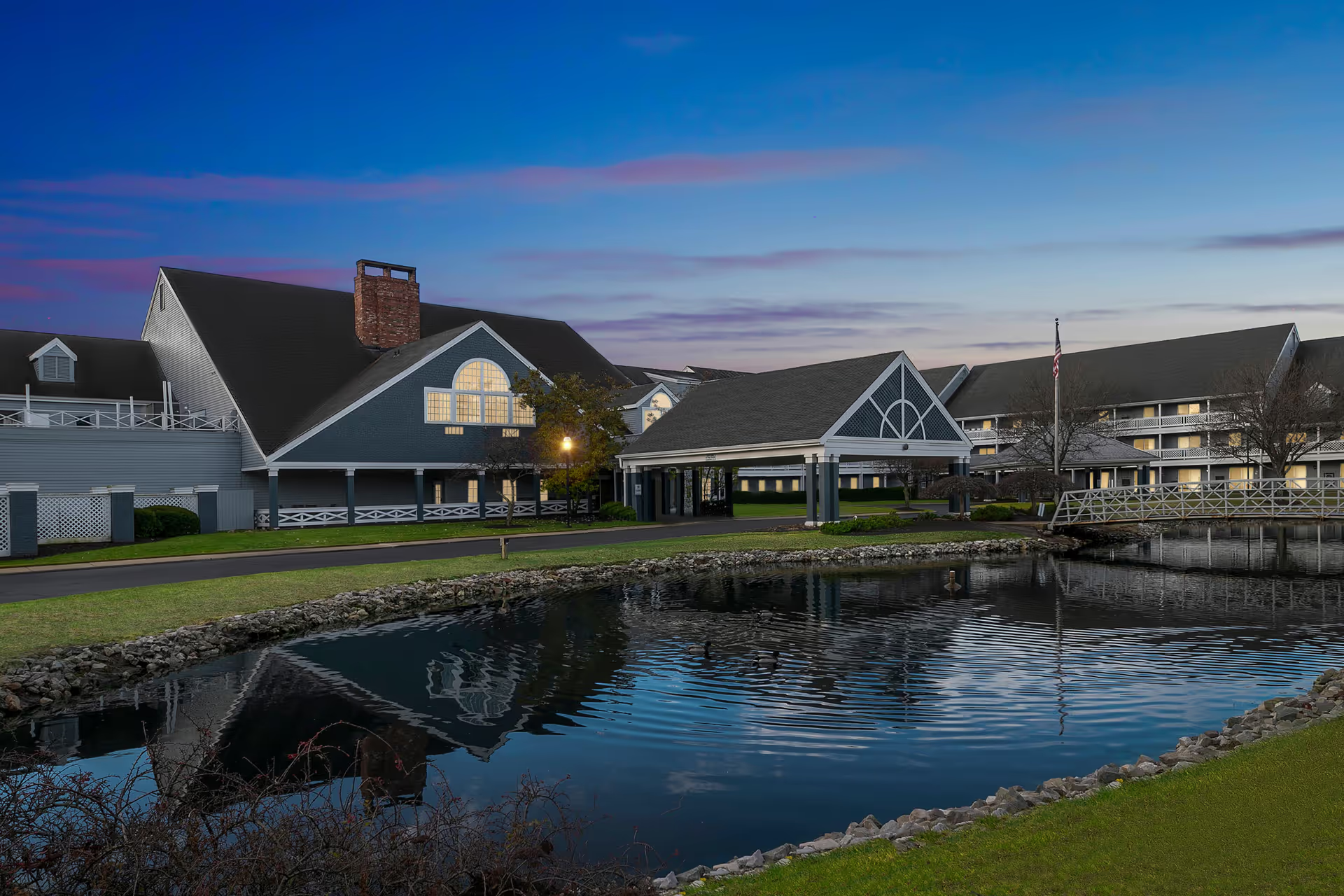
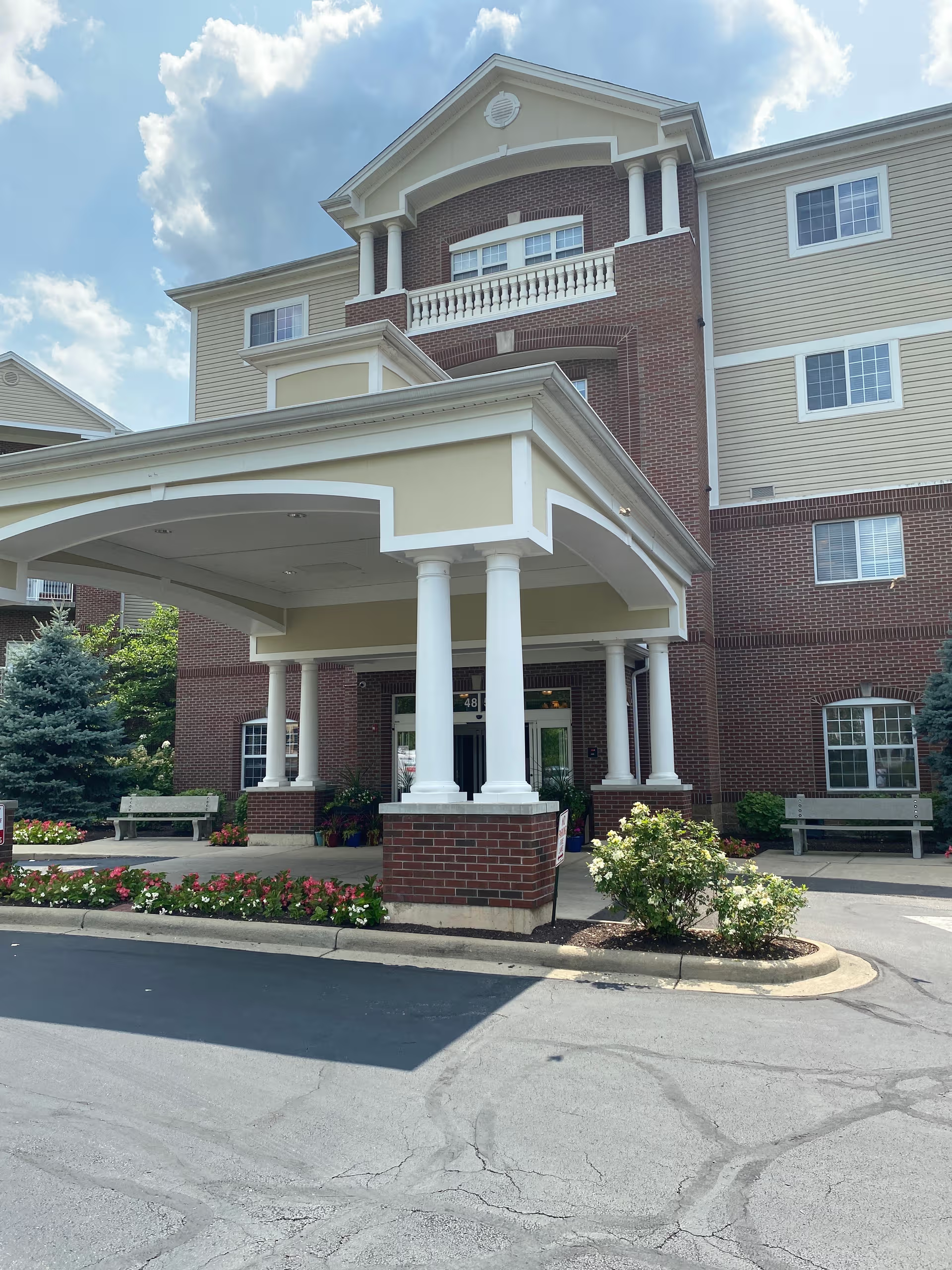
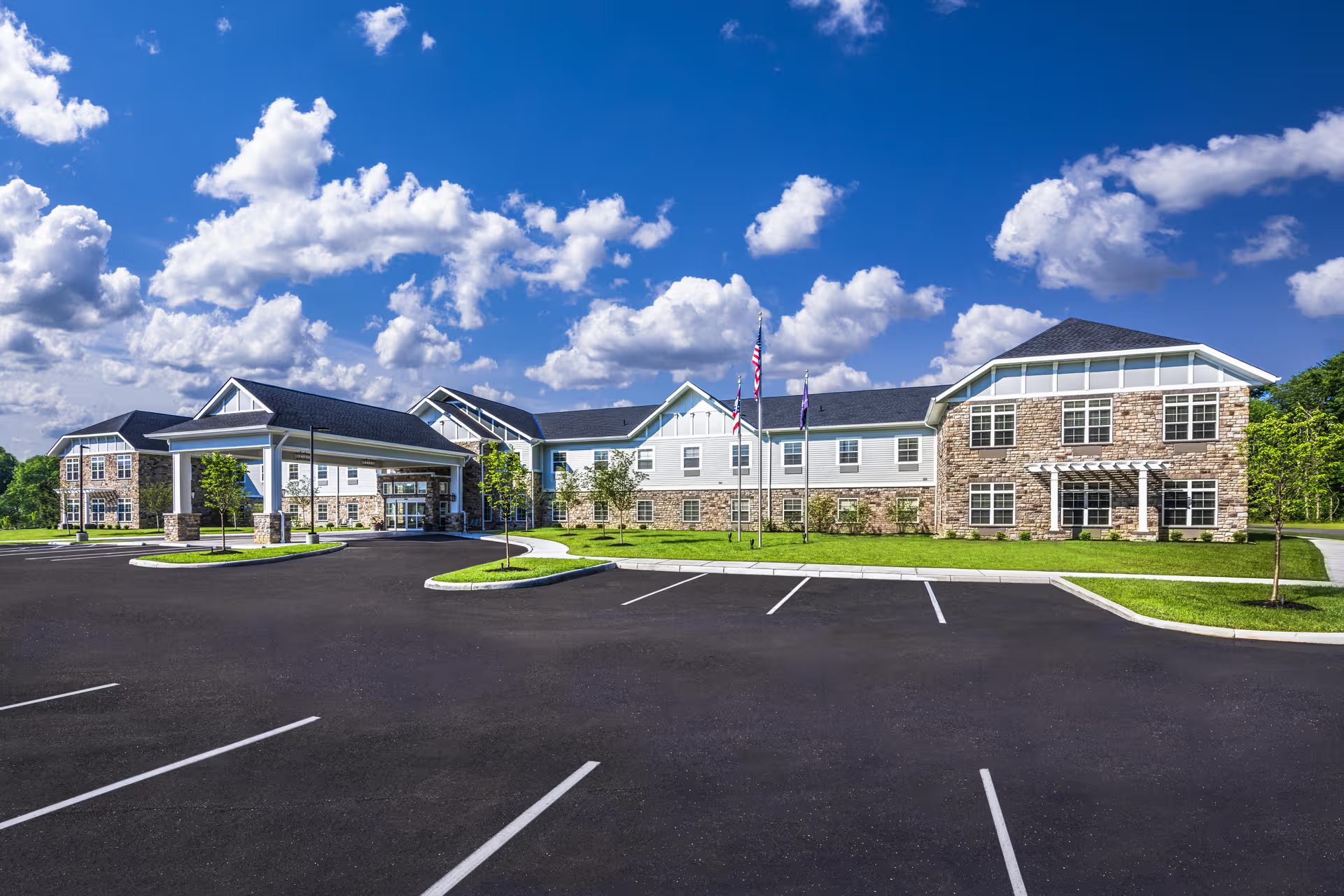
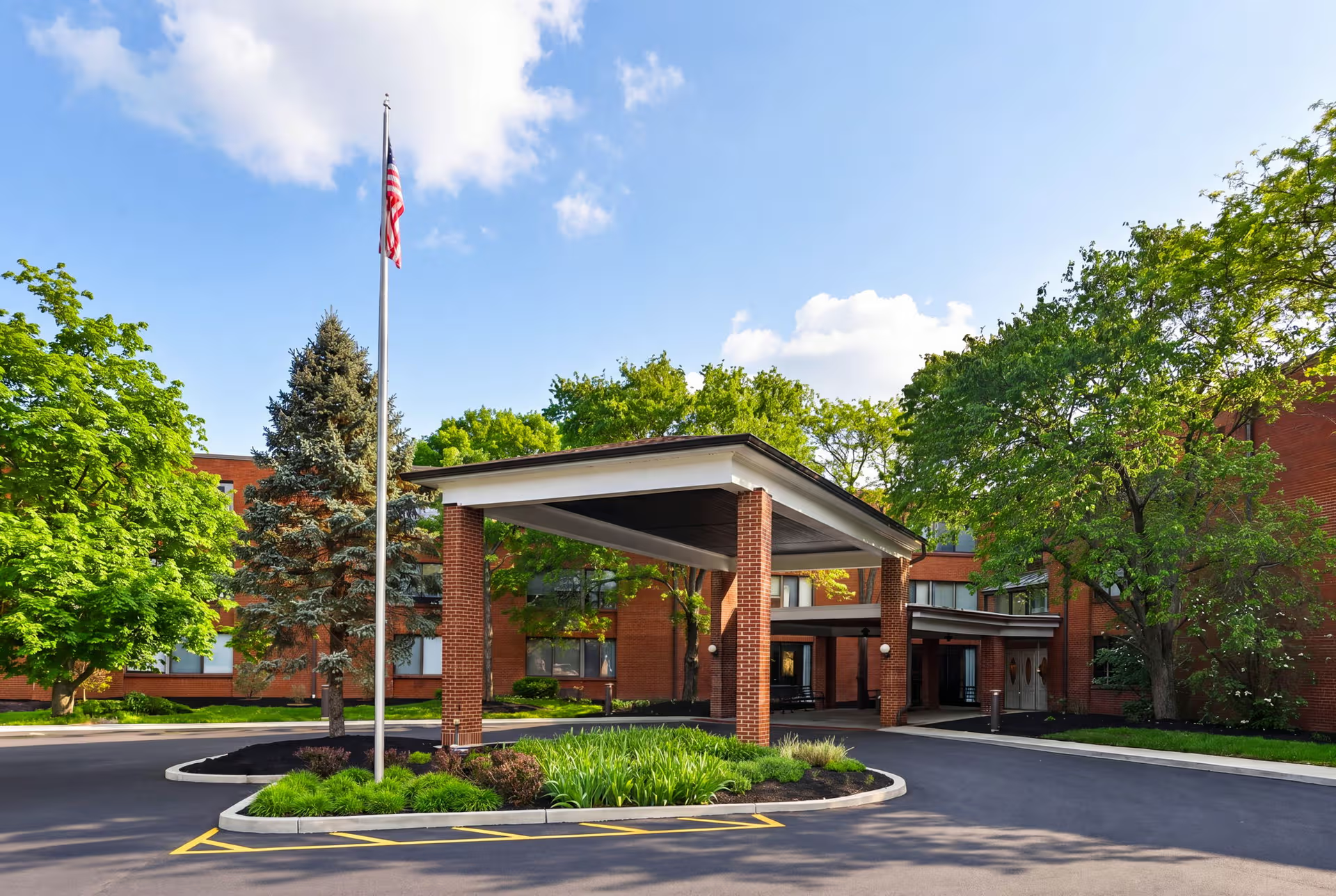
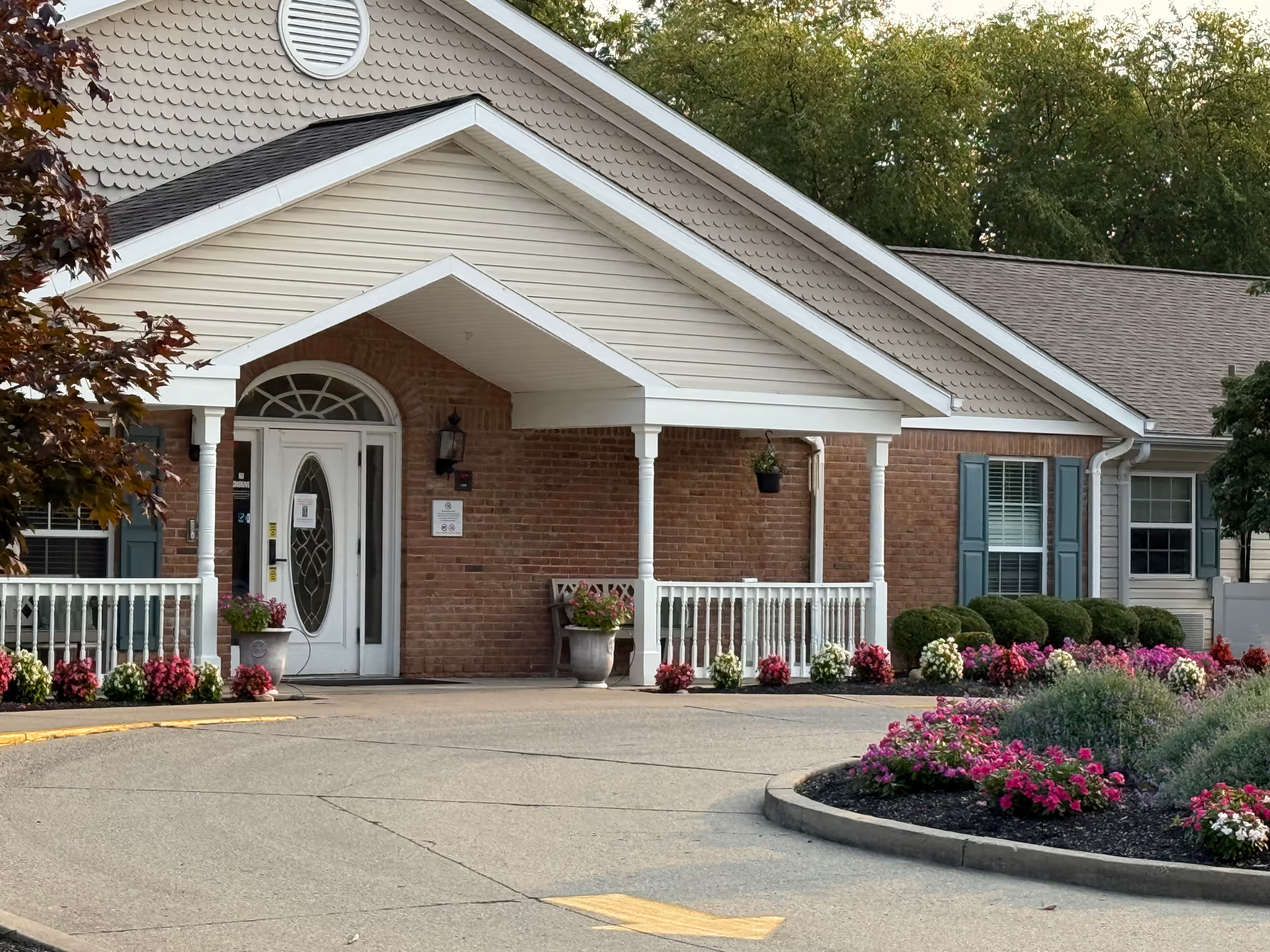
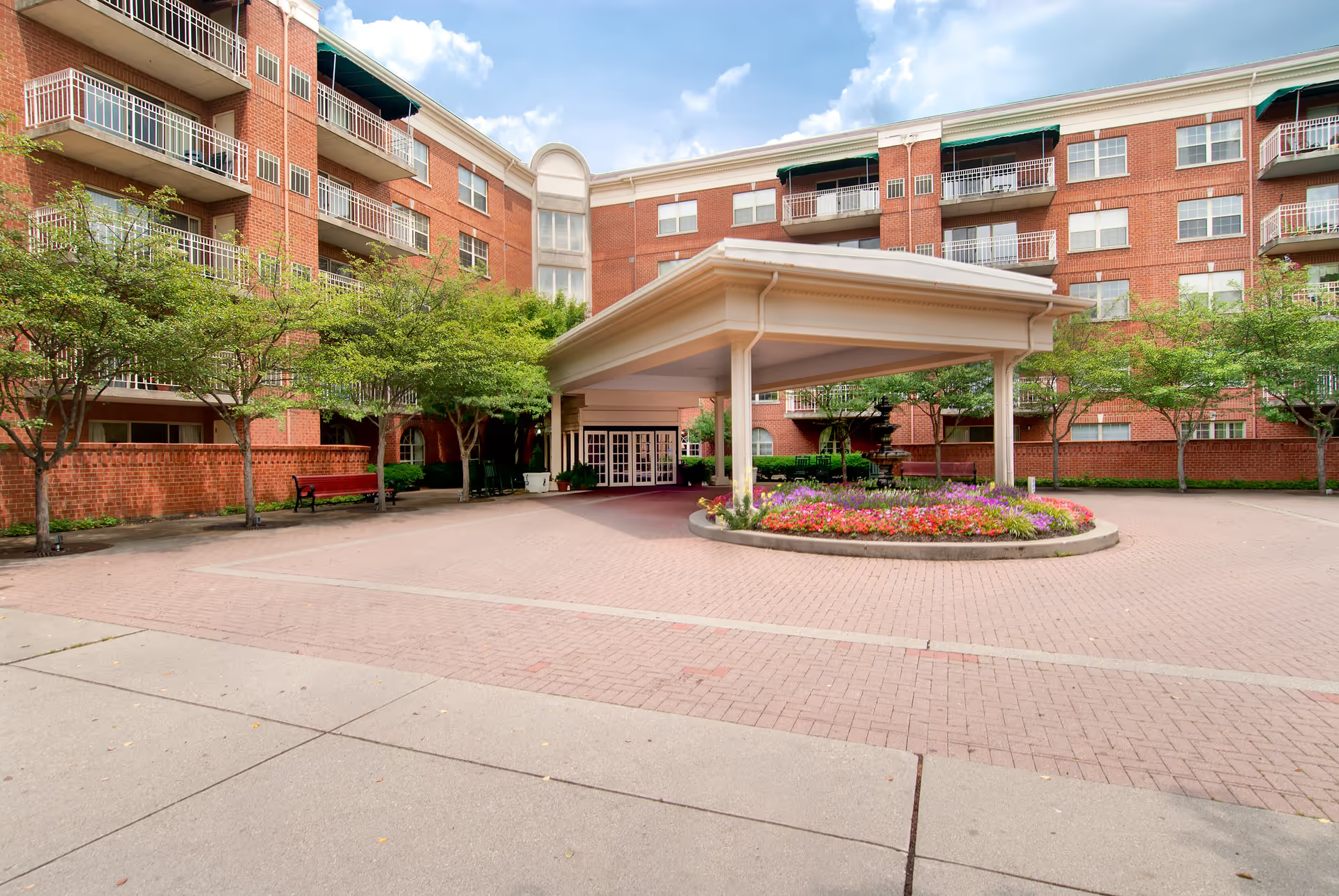
The Ashton at Anderson presents as a modern, well-appointed senior living community with many facility-level strengths alongside notable operational inconsistencies. Physical attributes draw frequent praise: the building is described as bright, newly furnished, and well maintained with a range of on-site amenities (theater, salon, exercise room, library, arts-and-crafts center, courtyard/putting green). Apartment options such as studios and one-bedrooms, as well as communal spaces and landscaping, contribute to a positive first impression for prospective residents and families.
Care and staffing elicit mixed but specific impressions. A substantial portion of feedback highlights compassionate, attentive caregiving and strong transition support — staff who coordinate transportation, assist with move-in logistics, and provide hospice and end-of-life support are frequently commended. Several reviewers name clinical leaders positively and describe nursing staff who are timely with medications and communicative about atypical clinical issues. Counterbalancing those accounts are recurring operational concerns: inconsistent staffing levels (especially overnight and on weekends), slower responsiveness at times, and instances of medication- and diagnosis-related errors. These patterns translate into family-level recommendations to remain closely involved in oversight, particularly for residents with higher clinical needs.
Dining and activities are areas of both strength and variability. The community markets restaurant-style dining with varied menus and social dining opportunities; many residents enjoy the food, themed meals, classes, outings (grocery trips, museums), and an active entertainment calendar. However, reviewers also note fluctuations in portion sizes, occasional price increases without clear communication, and intermittent declines in menu consistency. Activity programming is broad — cinema showings, classes, and outings are available — yet some residents experience gaps in engagement, either due to scheduling changes, staffing constraints, or post‑Covid reductions in group programming.
Management and administrative practices show a split picture. Leadership and specific staff (executive and nurse directors) receive praise for creating a welcoming environment and handling individual concerns effectively. At the same time, there are repeated complaints about billing transparency, unexpected fee increases, extra or unclear charges at move-in, and perceived reductions in offerings after ownership changes. Communication gaps are reported in areas such as fee notices, follow‑up on family concerns, and phone accessibility. There are also localized maintenance and room‑finish issues noted (thermostat function, drawer operation, staining in caulking, intermittent TV problems) that suggest unevenness in operational upkeep.
Overall, The Ashton at Anderson is viewed by many as an attractive, amenity-rich community with strong interpersonal staff strengths and a robust activity/dining framework. The principal cautions for prospective residents and families are operational and procedural: verify staffing patterns for the specific level of care needed (especially memory care and overnight support), review billing and fee documentation carefully before move-in, and ask about recent ownership changes and their effects on services. For those prioritizing facility quality, social dining, and active programming, the community often meets expectations; for residents with higher clinical or memory-care needs, closer scrutiny of staffing consistency and clinical processes is advisable.