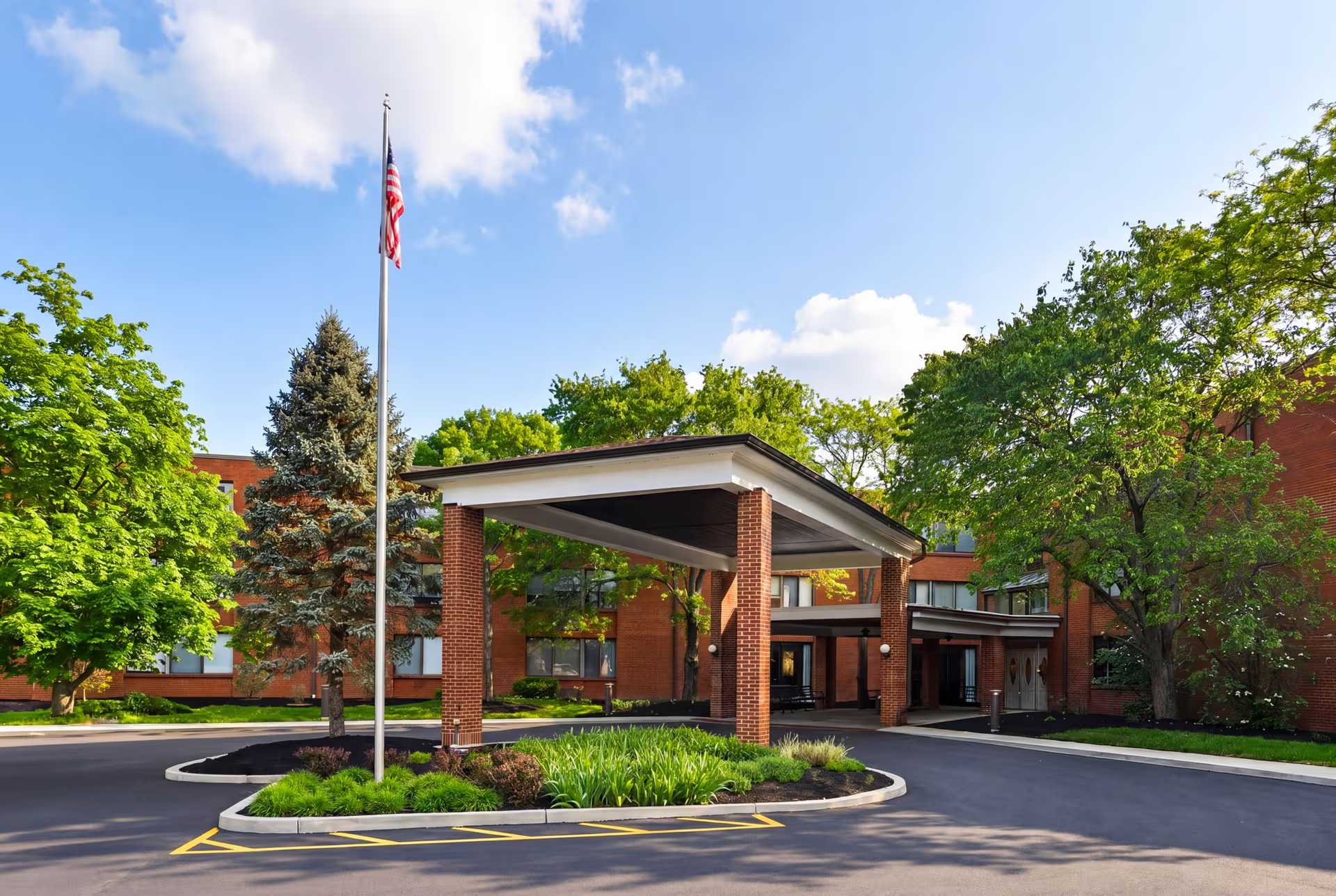
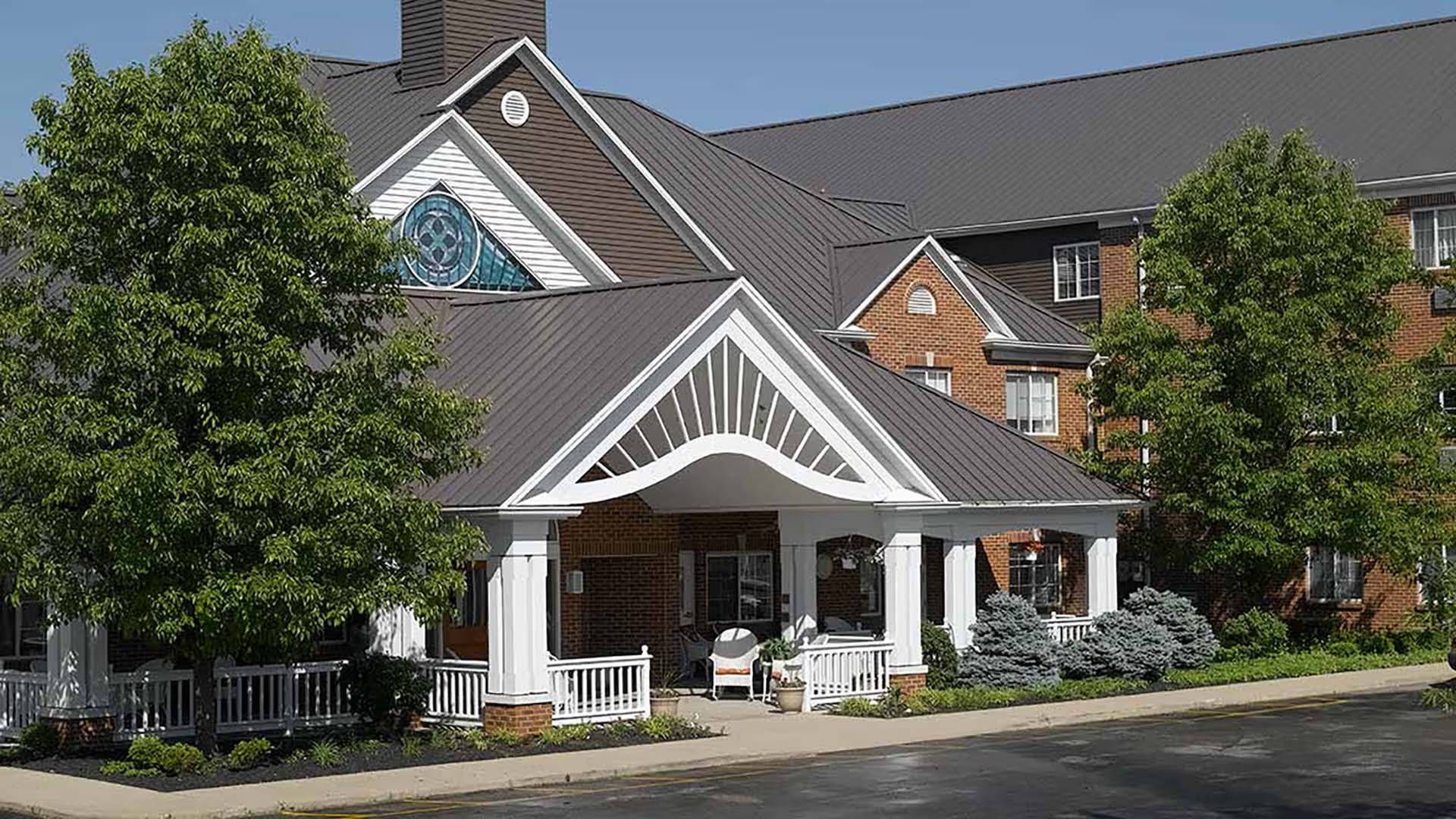
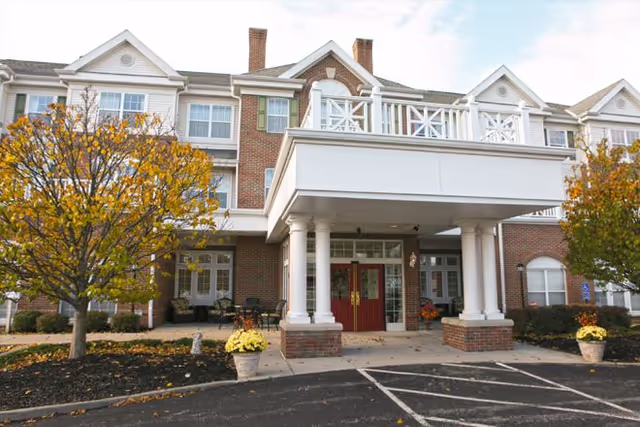
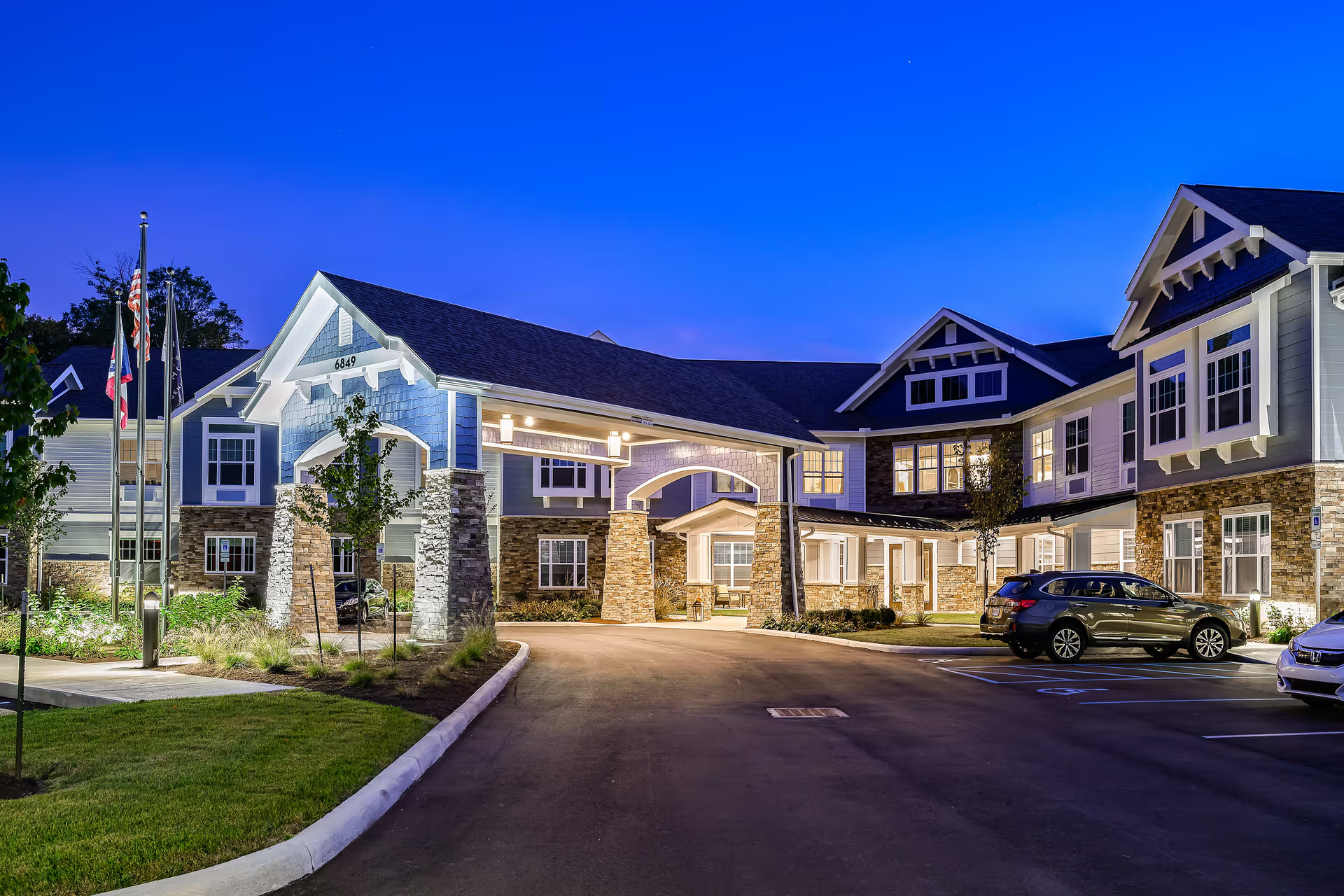
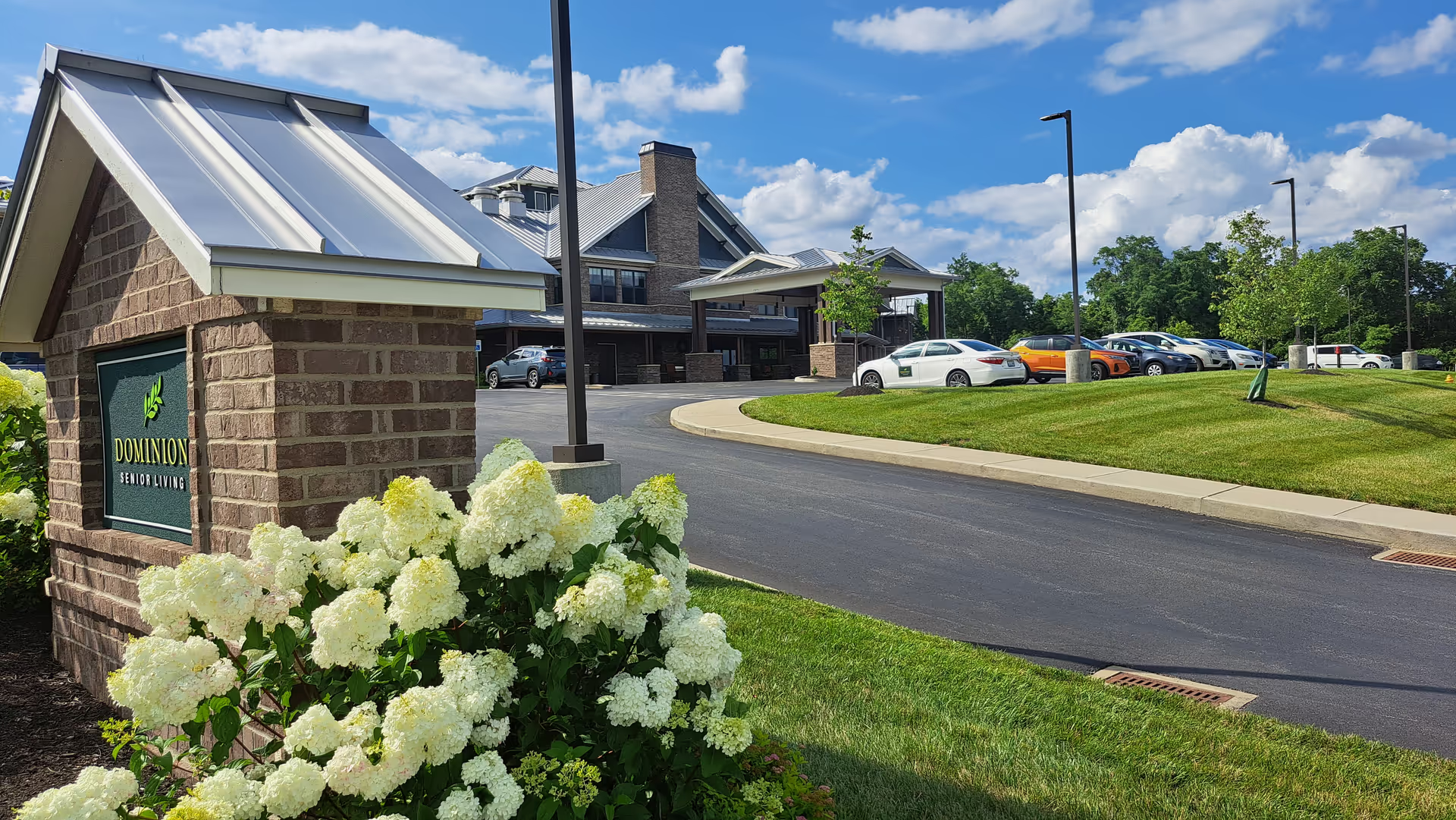
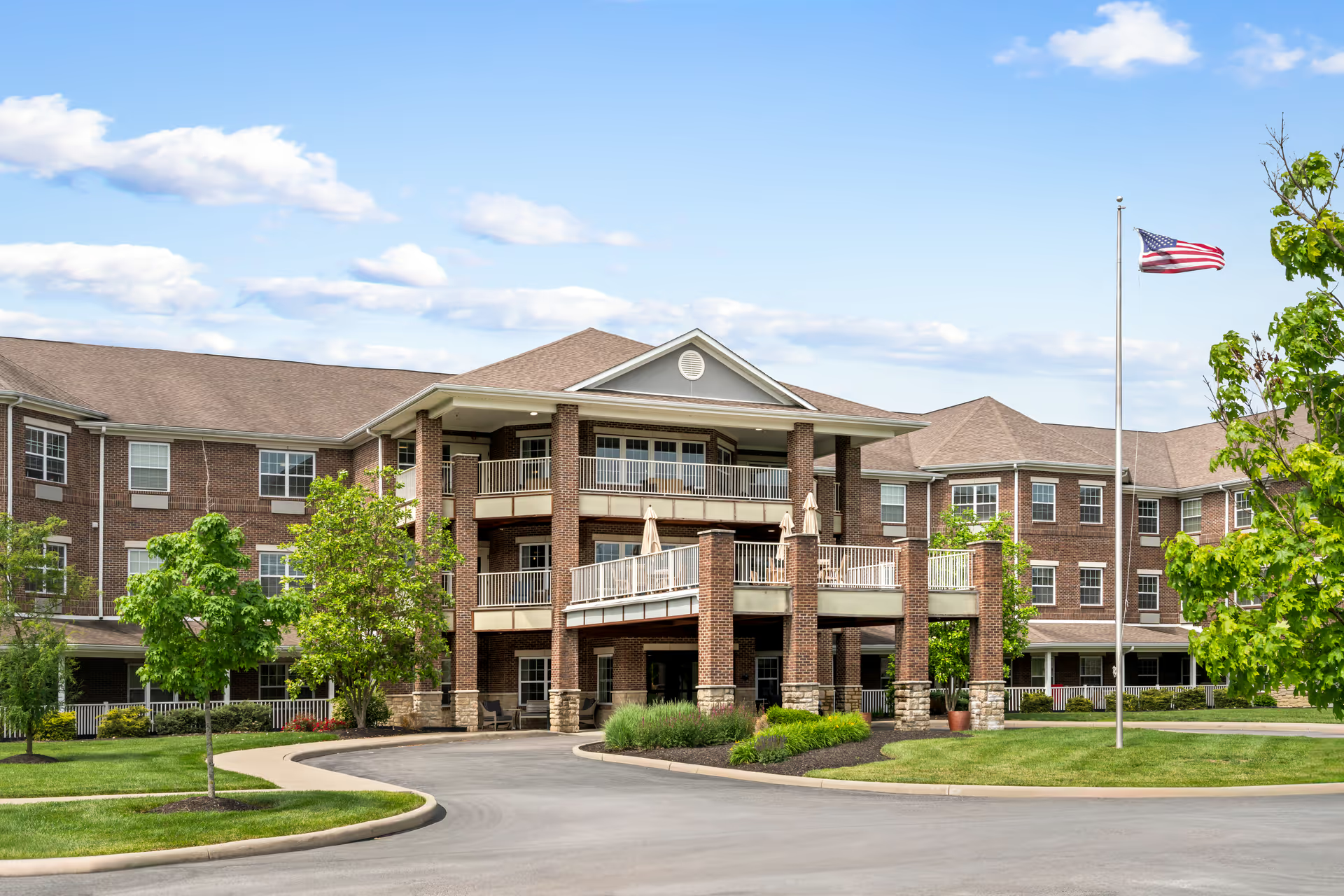
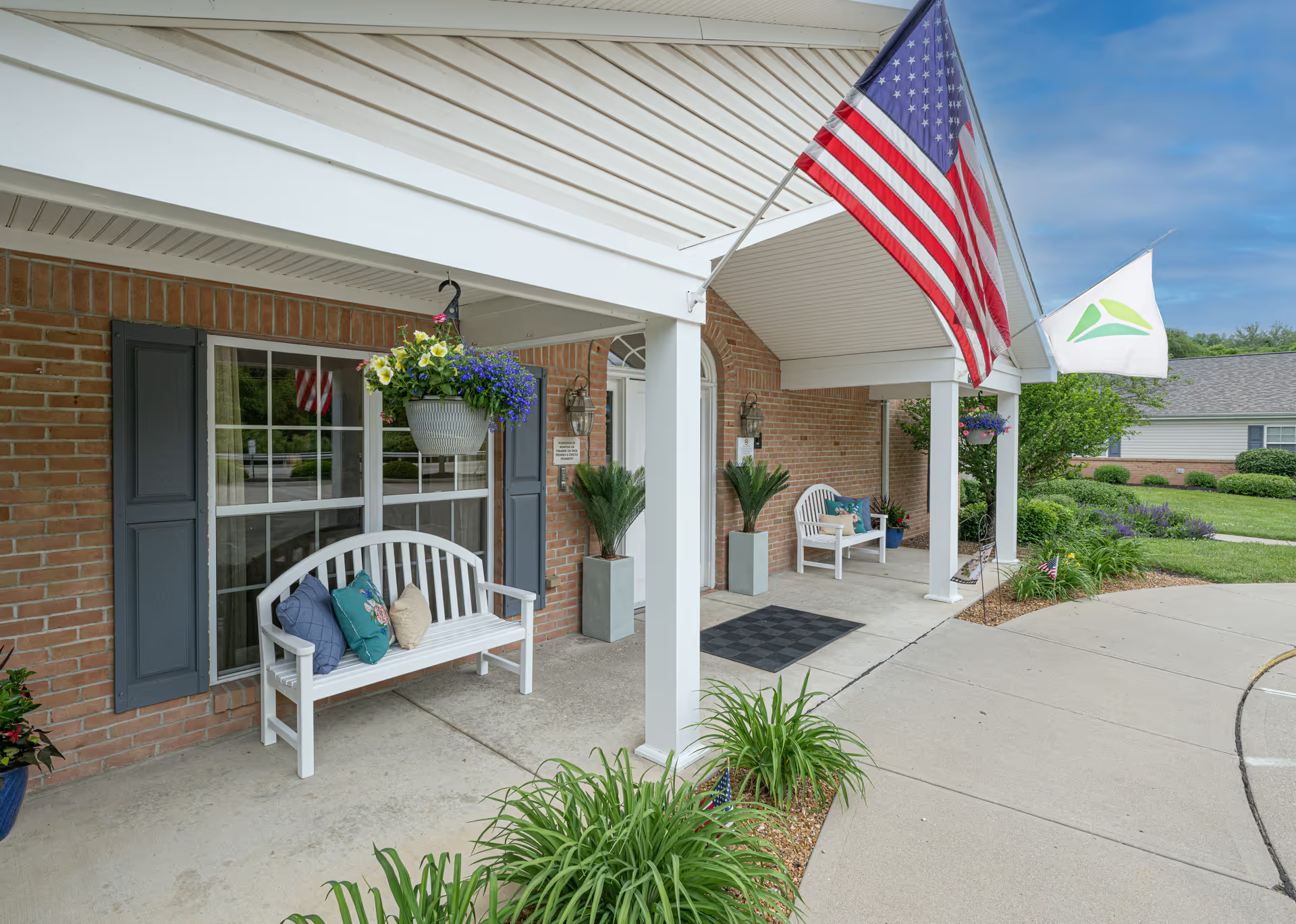
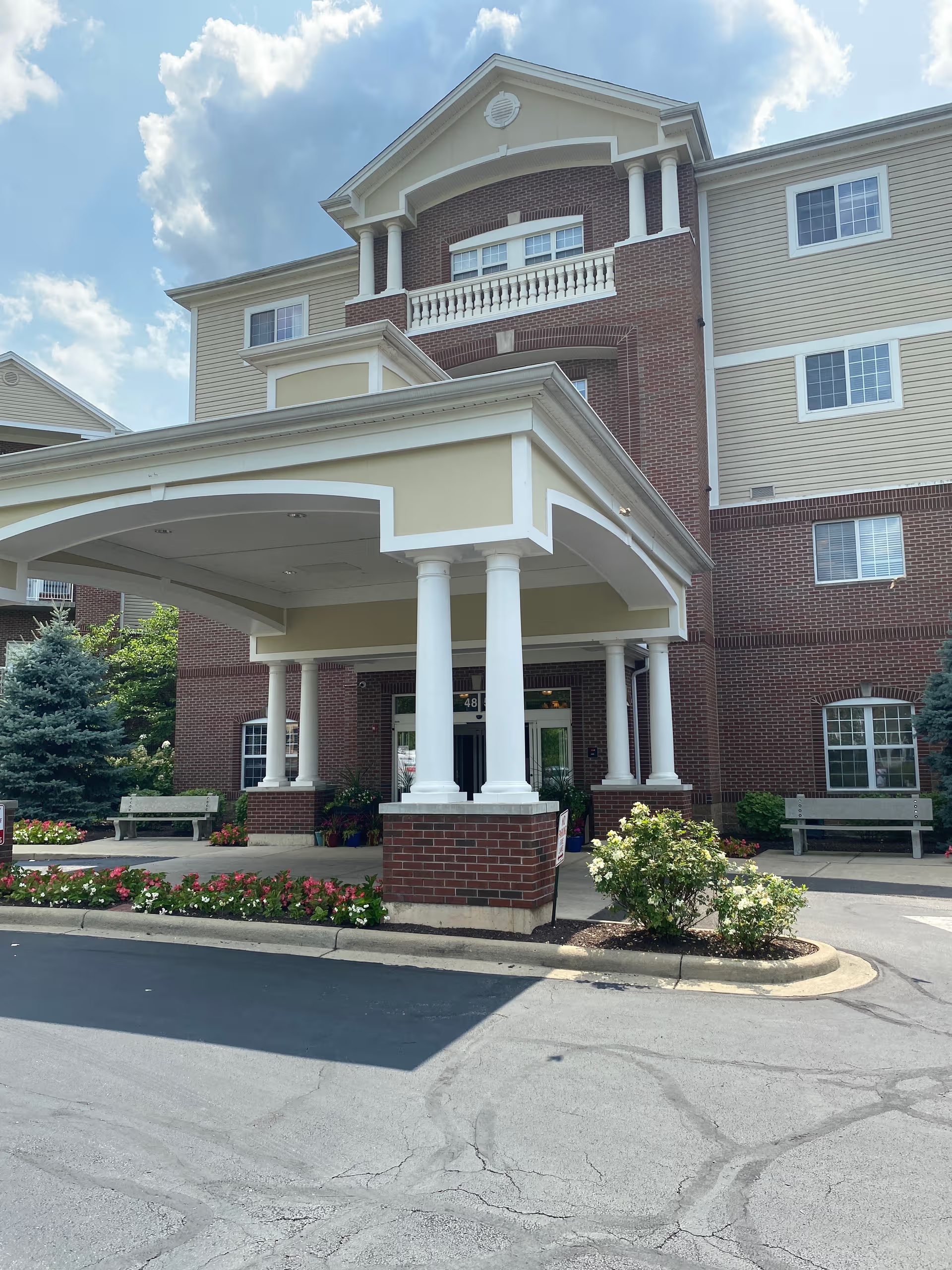
Overall impression: Ivy Knoll presents as a community with a strong, family-style culture and many operational strengths. Reviewers consistently highlight caring, attentive staff who learn residents’ names and remain involved in daily life. The campus offers a broad set of amenities — chapel, library, fitness room, movie room, and well-kept outdoor space — and many families praised the facility’s attractiveness and perceived value for cost. Private-suite configurations with full kitchens and storage, pet-friendly policies, and regular housekeeping/laundry services contribute to residents’ sense of independence and home-like living.
Care and staff: Staffing and hands-on care are the community’s most frequently mentioned strengths. Families describe compassionate caregiving, 24/7 availability, quick emergency responses, and good follow-up during rehabilitative stays. Several comments emphasize long-tenured residents and staff who form close relationships with residents. At the same time, there are recurring operational concerns: staffing shortages, caregiver turnover, uneven supervisory responsiveness, and occasional disorganization. These patterns suggest the facility often provides strong personal care but can be vulnerable to staffing instability that affects consistency.
Dining and therapy: Dining is a mixed area. Many reviewers praise home-style, high-quality meals and three-meal service; some describe “top-shelf” dining and enthusiastic reception by residents. However, several accounts indicate inconsistent food quality, limited menu variety, portioning concerns, and intermittent presentation issues (including takeaway-container service). Rehabilitation and therapy are available and helpful in many cases, but reviewers also note variability in therapy availability and occasional concerns about therapist conduct or responsiveness. Prospective families should confirm current dining menus and therapy staffing during tours.
Activities and community life: Activity programming is a clear strength. The community maintains a full calendar — weekly happy hours, arts and crafts, outings, holiday events, veterans’ groups, and field trips — and an active activity director who keeps residents engaged. The smaller size of the community supports familiarity and frequent social interaction, and reviewers commonly report improvements in residents’ mood and engagement after moving in.
Facilities and cleanliness: The physical campus is described as attractive, safe, and in many areas freshly renovated. Reviewers report effective maintenance and helpful maintenance staff. Nonetheless, there are repeated notes about housekeeping and sanitation inconsistencies in particular units or common-area spots (carpets, kitchen floors, laundry areas), and ongoing renovation work has been cited. These indicate that while the facility generally appears clean and updated, housekeeping standards can fluctuate and infrastructure needs remain in progress.
Management and notable patterns: Management and leadership draw mixed but informative commentary. Admissions staff, executive leadership, and certain directors are frequently praised for being welcoming and helpful. Conversely, commenters raise concerns about unclear staff responsibilities, administrative disorganization, and worries about financial stability and ownership continuity. Smoking-policy enforcement and privacy/confidentiality processes are other operational areas cited as needing firmer controls. Overall, the dominant pattern is a community with strong relational care and programming but recurring operational stressors — primarily staffing, housekeeping consistency, and administrative stability — that prospective residents and families should evaluate during visits.
Recommendation considerations: Prospective residents should weigh Ivy Knoll’s evident strengths in personal care, activities, amenities, and affordability against the facility-level weaknesses noted above. During a visit, practical priorities to verify include current staffing levels, meal menus and presentation, housekeeping routines, therapy availability, smoking-policy enforcement, and any ongoing renovation timelines. For families seeking a warm, activity-rich, value-oriented community, Ivy Knoll may be a good fit; for those prioritizing consistent clinical staffing, uninterrupted therapy services, or uniformly flawless housekeeping, follow-up questions and references are advisable.