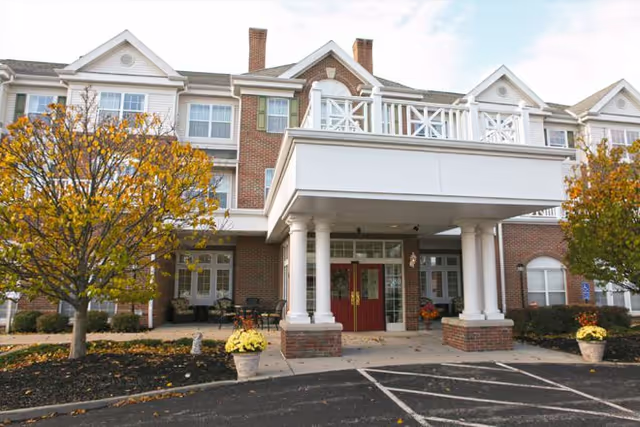
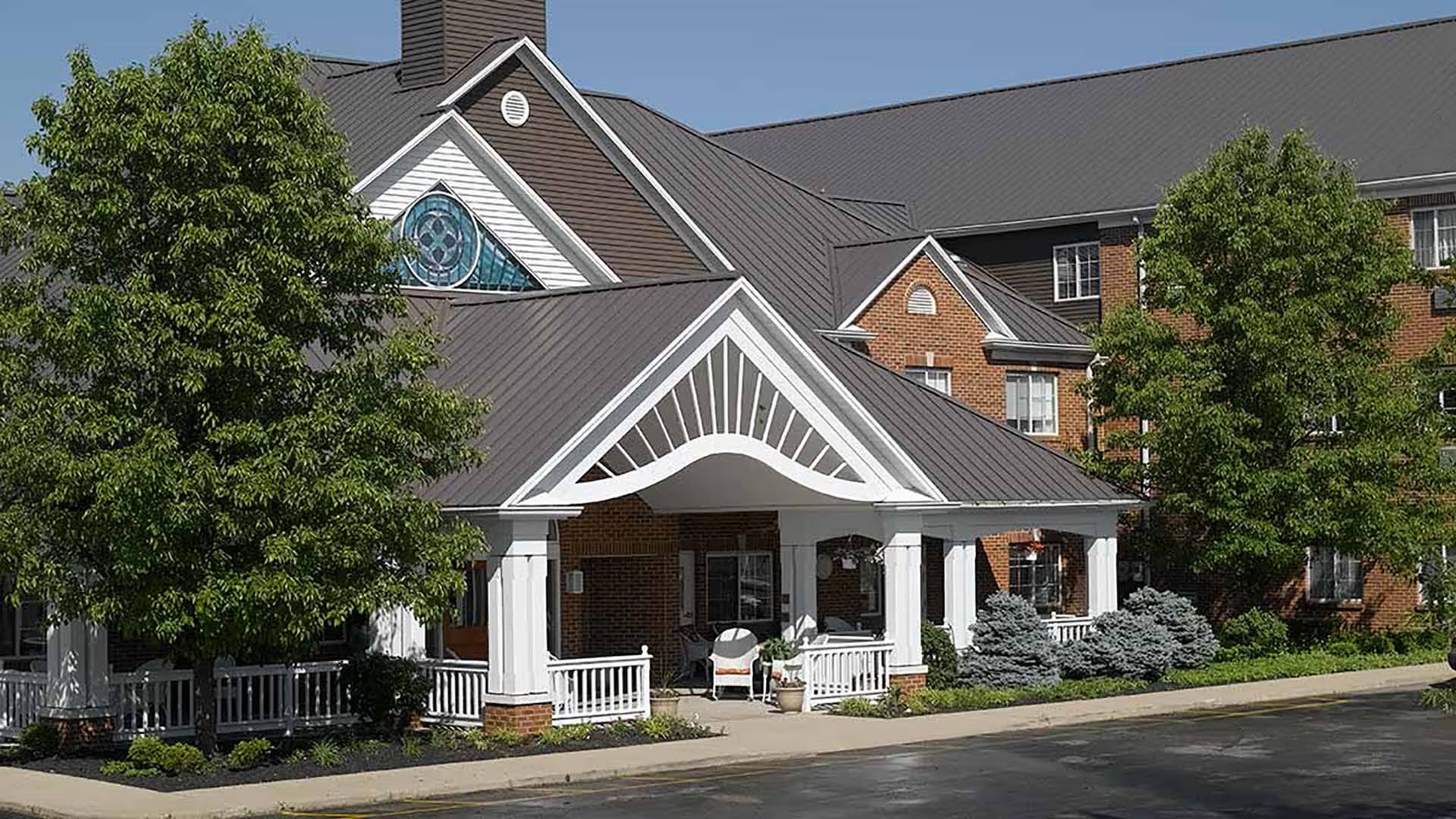
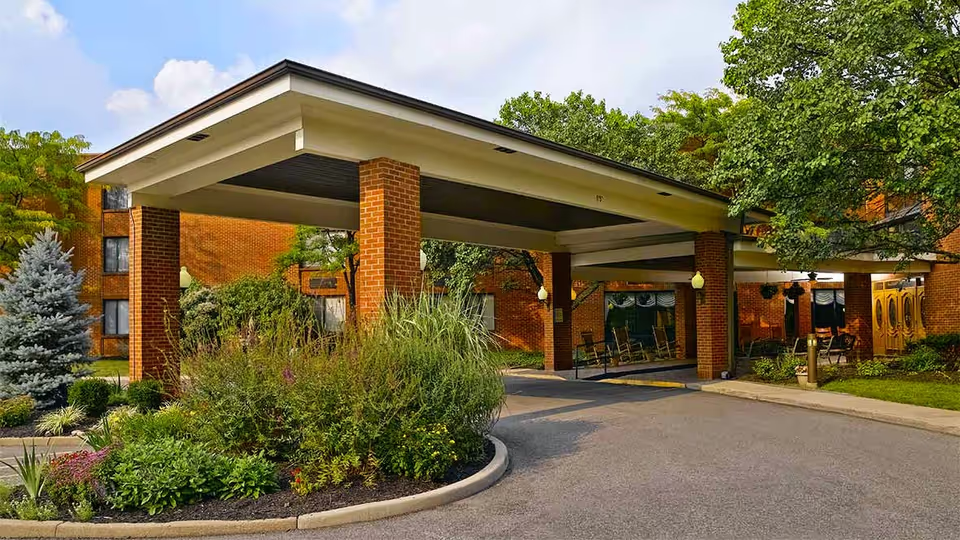
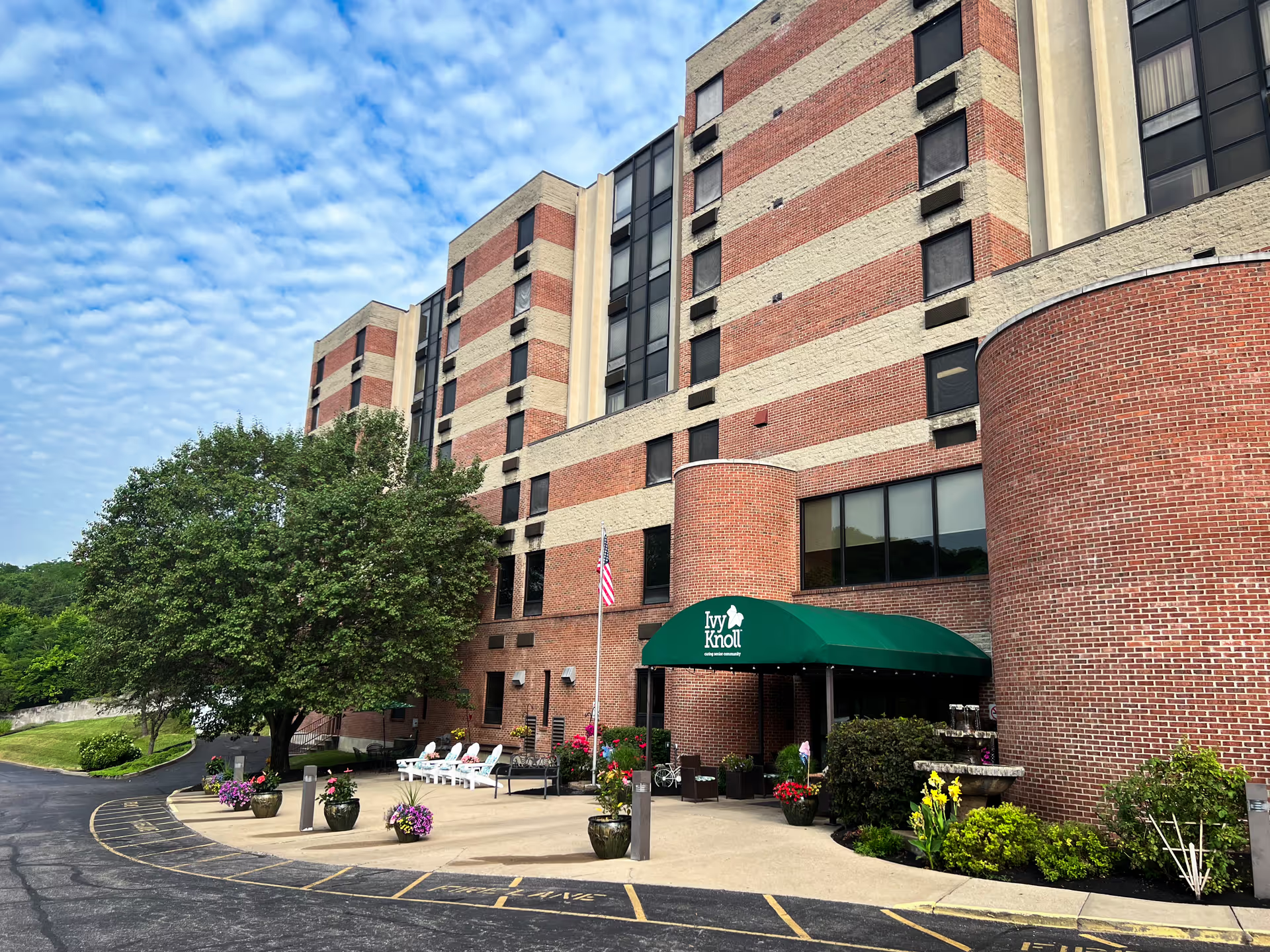
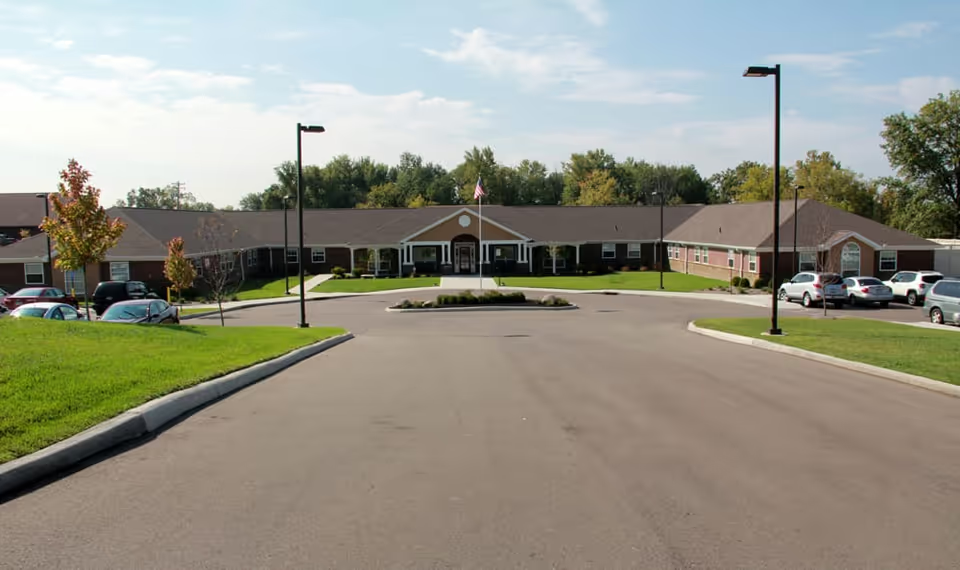
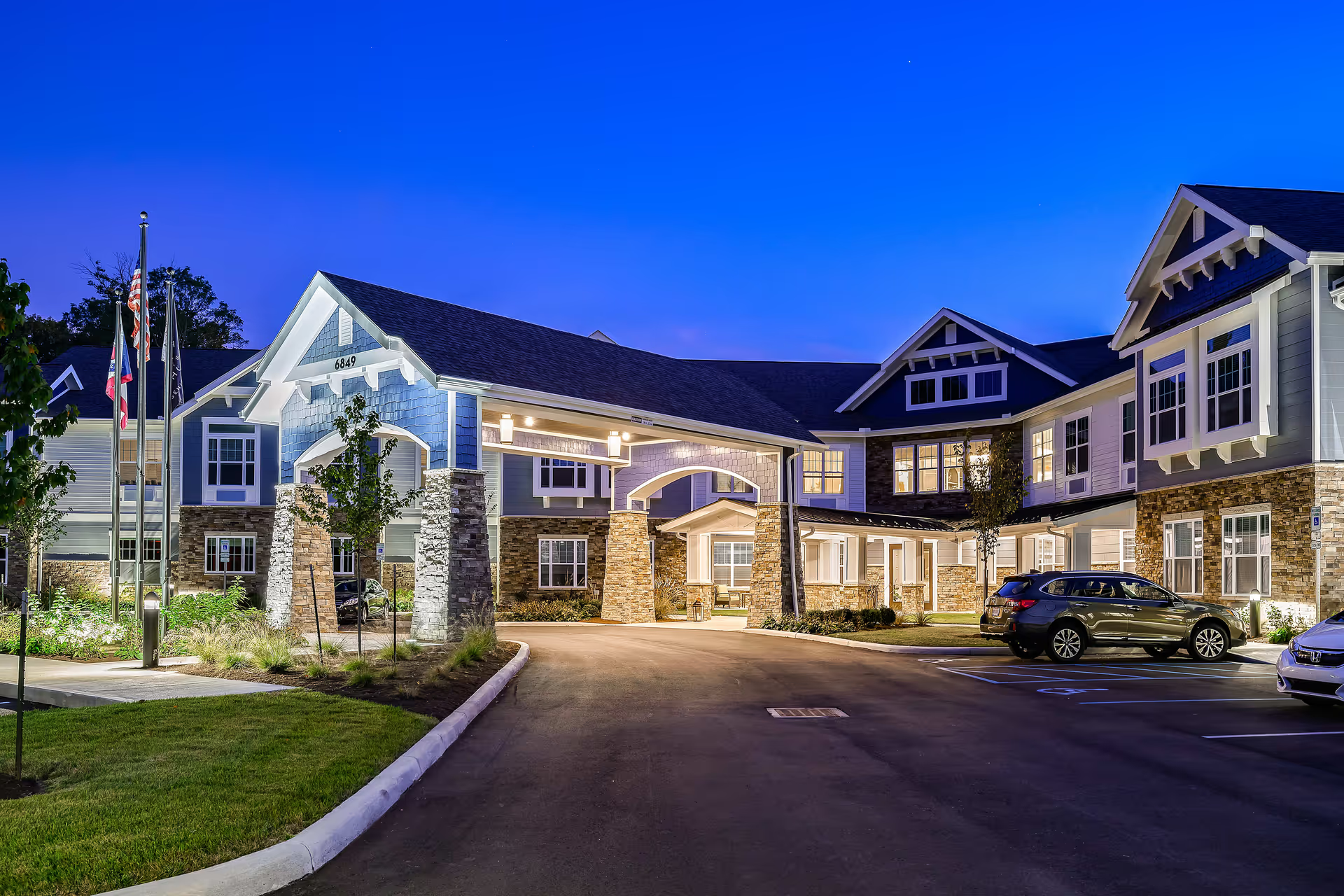
Magnolia Springs Florence is widely described as a physically attractive, recently built community with many hotel-like features. Reviewers consistently praise its clean, bright public spaces, varied floor plans, and an abundance of on-site amenities such as a theater, bistro, sunroom, walking paths, and family areas. Apartments are frequently characterized as spacious and well appointed. The facility’s physical plant and common-area upkeep are commonly cited strengths.
Staffing and the care culture receive substantial positive feedback: many families and residents describe compassionate, personable caregivers, a helpful front desk, and maintenance personnel who respond constructively. Leadership and certain department heads (including dining and memory-care leadership) are repeatedly commended for visible engagement and for fostering a family-like atmosphere. These elements contribute to a strong social environment and many accounts of successful resident adjustment.
Dining and activities are central to daily life at Magnolia Springs. The community offers a broad activities calendar and numerous social opportunities; reviewers commonly note frequent programming, outings, pet visits, and themed entertainment. Dining opinions are mixed: several reviewers praise chef-driven meals and an engaged kitchen team, while others describe variability in food quality and preparation timing. This creates an uneven dining experience between different time periods or kitchens.
Care quality shows a mixture of strengths and operational weaknesses. While many families report attentive assistance, medication and clinical practices have produced concerning inconsistencies for some residents—examples cited include missed or incorrect medication administration and challenges meeting higher-acuity care needs. Memory-care programming and many caregivers are valued, but a number of reviewers say the community is not consistently equipped to manage rapid increases in clinical need. There are also isolated accounts pointing to lapses in personal-care oversight, laundry handling, and timely repair of unit-level maintenance issues.
Communication and administrative procedures are another area of divergence. Positive mentions include organized billing, helpful admissions staff, and supportive move-in coordination. Conversely, several families describe uneven follow-up after hospitalizations, confusing sign-in/out kiosks, and occasional billing or account reconciliation problems. A specific operational policy—an exclusion of residents with communicable illnesses—was highlighted as poorly disclosed by some families; this has created concern about policy transparency and consistency in infection-control decision making. Pandemic-era practices drew both praise and criticism: some reviewers commended safety measures, while others experienced restrictive isolation and limited activity access.
Pattern summary and practical takeaways: Magnolia Springs Florence appears to offer an attractive, activity-rich environment supported by many dedicated staff and strong amenity offerings. Prospective residents and families should weigh that environment against documented operational variability: ask targeted questions about medication administration protocols, staff-to-resident ratios for higher-acuity needs, dining oversight, and how the community communicates and implements policies around illness and post-hospital transitions. Clarifying billing practices, repair-response timelines, and the specifics of memory-care capabilities will help align expectations with the observed mix of strengths and weaknesses in these reviews.