The Summit of Edgewood elicits a strongly mixed but thematically consistent set of impressions. Many families and residents praise the community for its compassionate, resident-centered staff, 24/7 nursing presence, on-site therapy services, and a program of activities and outings that contributes to a home-like atmosphere. Testimonials emphasize dignity in end-of-life care, friendly front-desk staff, and opportunities for social engagement through music, pets, and off-site trips. The facility offers a range of care levels—assisted living with step-up memory-care options—and several reviewers noted that the secured memory-care unit and therapeutic programming can be effective for residents with cognitive impairment.
At the same time, recurring operational weaknesses appear across reviews. Staffing quality is uneven: while specific caregivers and nurses receive high praise, families also describe turnover and inconsistent performance among staff. Clinical-operations concerns include medication-management gaps, occasional departures from care instructions (notably for insulin and oxygen), and uneven clinical oversight. These gaps are coupled with communication lapses—families reported delayed or inadequate notification about hospital transfers, difficulty reaching staff by phone, and variability in the timeliness of updates from administration.
Memory care is a particular area of mixed performance. Some families describe a secure, engaging memory-care environment; others cite supervision inconsistencies, wandering- or room-access management problems, and incontinence-care and sanitation inconsistencies in select areas. Pendant-call response times were generally acceptable during daytime hours but were described as slower at night, which may reflect lower overnight staffing levels. For prospective residents with complex medical needs (insulin-dependent diabetes, oxygen therapy), the pattern of clinical and equipment-management concerns suggests careful evaluation and close monitoring after move-in.
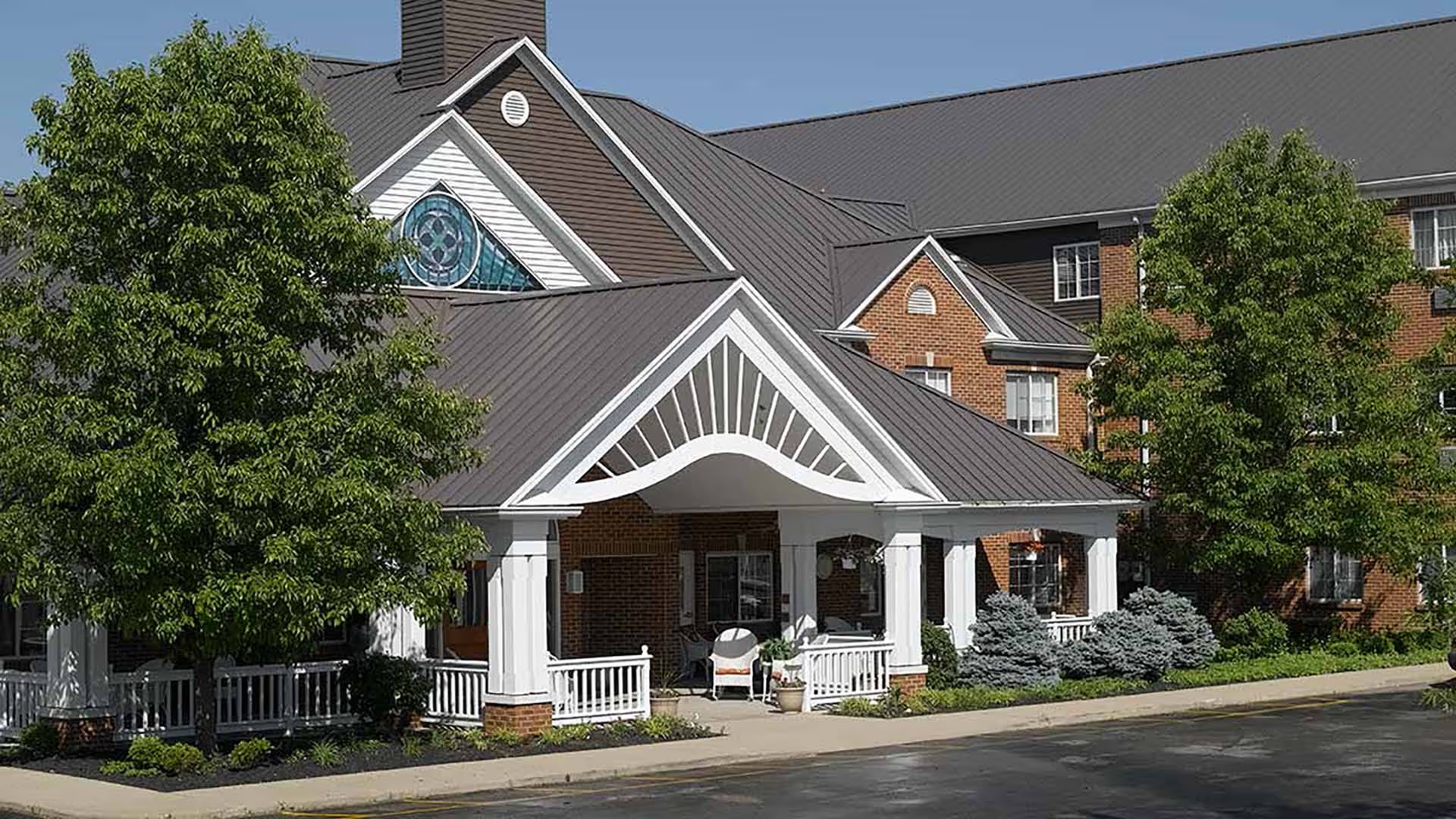
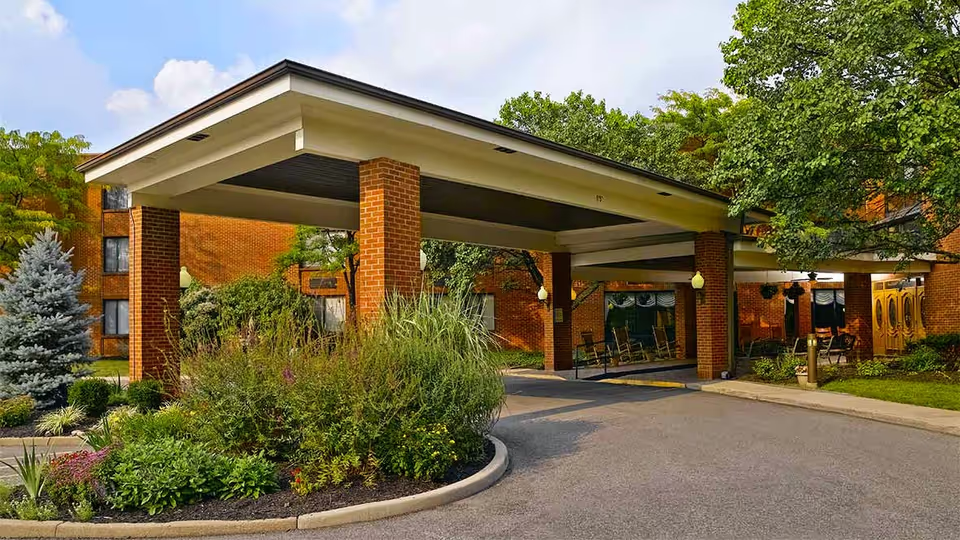
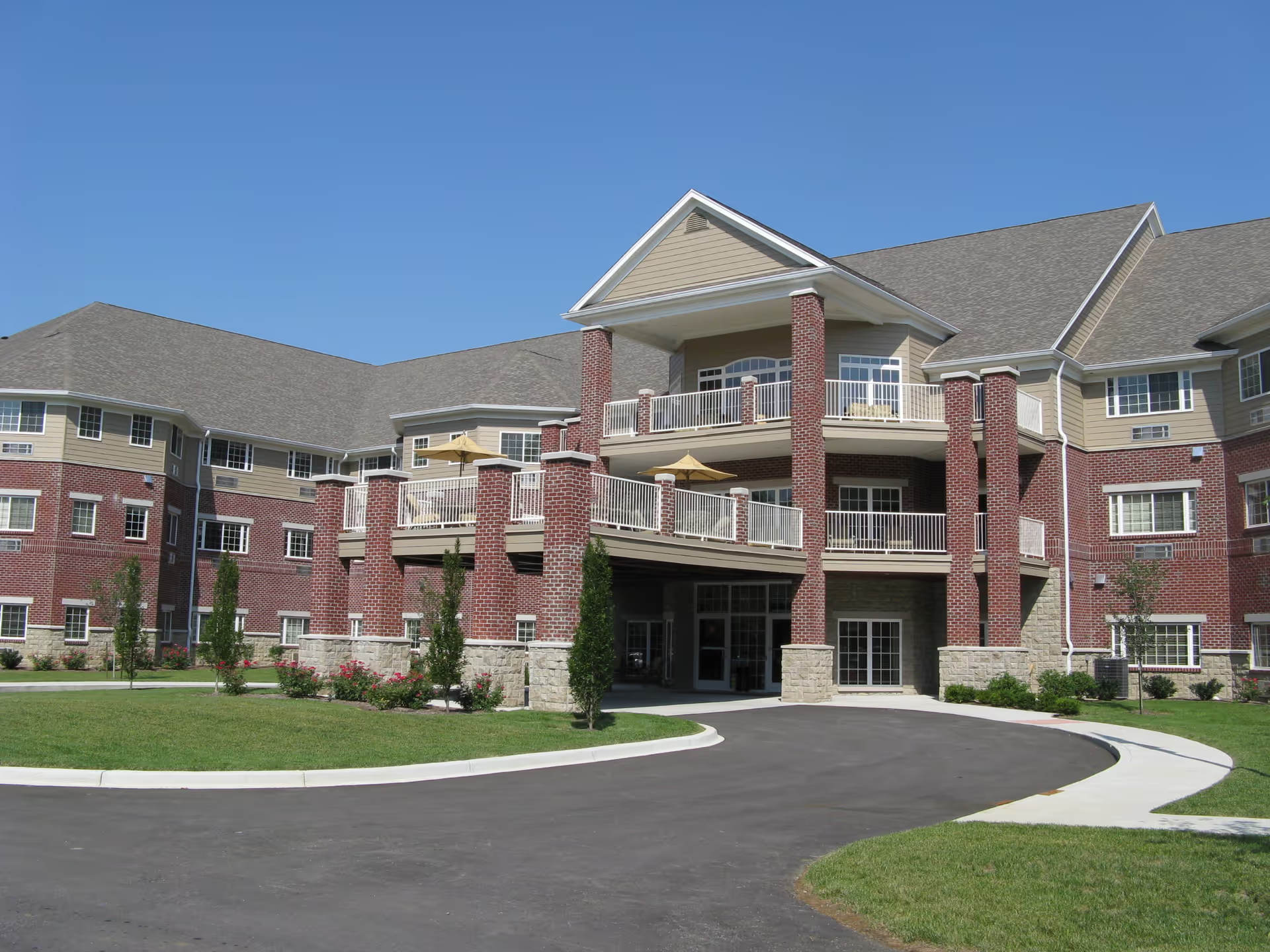
Dining and activities are strengths when well-executed: many reviewers praise varied programming, social dining options, and frequent outings. Food quality, however, is variable—some reviewers describe appealing meals while others mention reduced menu variety and reliance on simpler meal formats. Facilities themselves are mostly described as clean, warm, and homelike, with pleasant grounds and comfortable common areas; isolated comments describe odor concerns or housekeeping inconsistencies in particular rooms, and ongoing remodeling has been associated with disruption and occasional unmet expectations.
Management and administration receive mixed assessments. Several families report constructive, responsive leadership and improvement after concerns were raised; others describe billing errors, lack of transparency around fees, account-closing delays, inventory and belongings-management issues, and a regulatory review noted in one account. These administrative weaknesses, together with variable staff performance, produce an overall pattern in which outcomes depend substantially on the specific unit, the current management team, and the degree of family involvement.
Recommendations for prospective residents and families: verify clinical protocols for medications and medical devices (insulin, oxygen), confirm overnight staffing and pendant response expectations, review memory-care supervision practices, and get written clarification of billing and inventory procedures before move-in. Also ask for references about recent management transitions and inquire how the community tracks and resolves clinical incidents and family communications. The Summit can offer a caring, activity-rich environment with strong individualized relationships, but some reviewers recommend active family involvement and close monitoring during the early weeks after admission to ensure continuity of care.