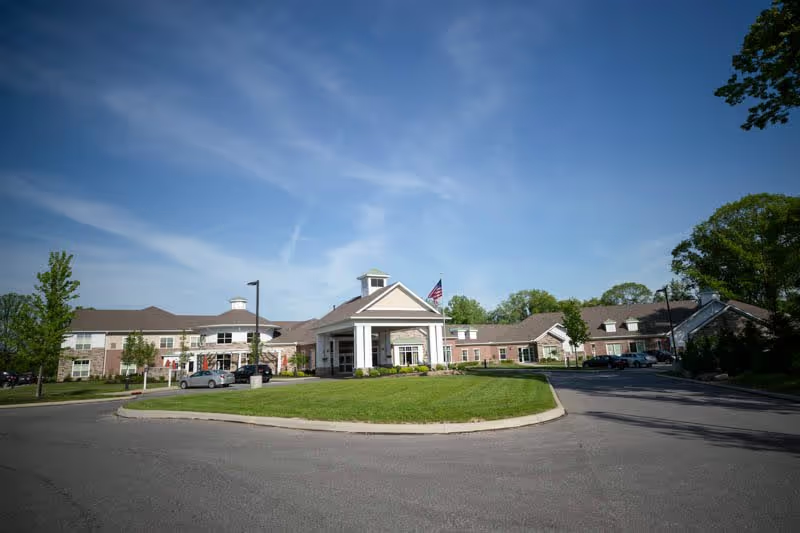
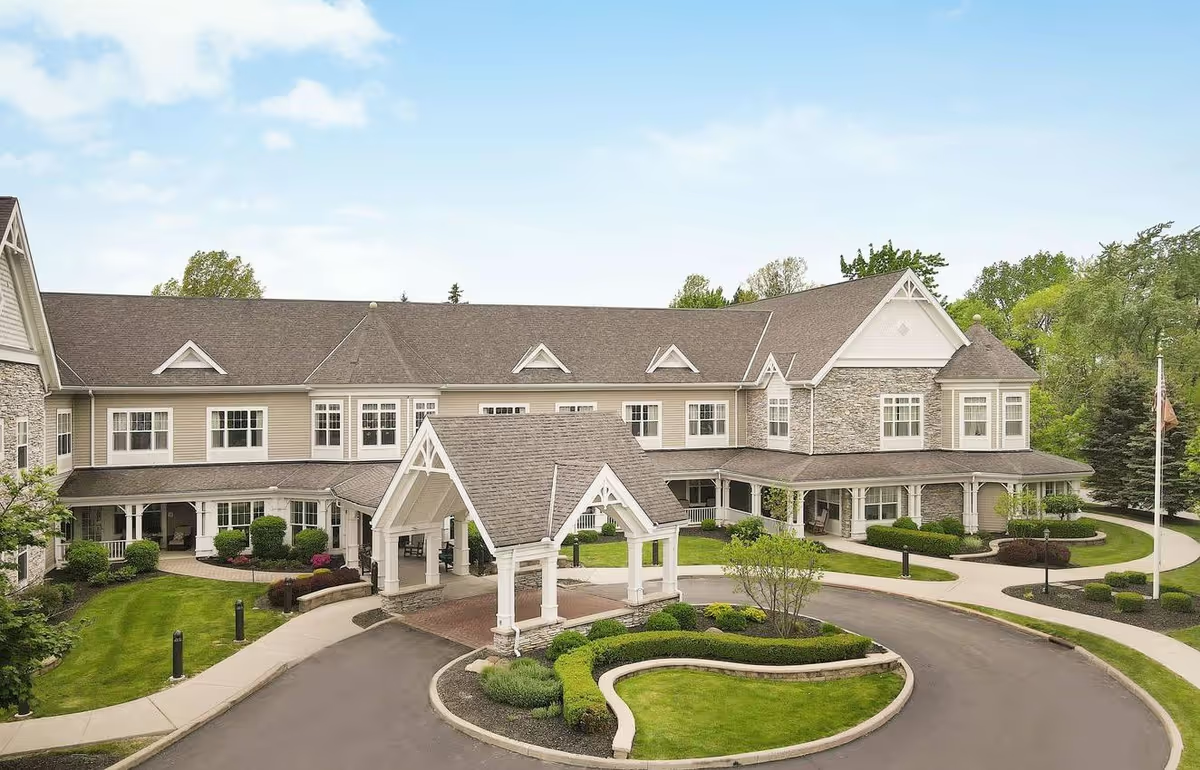
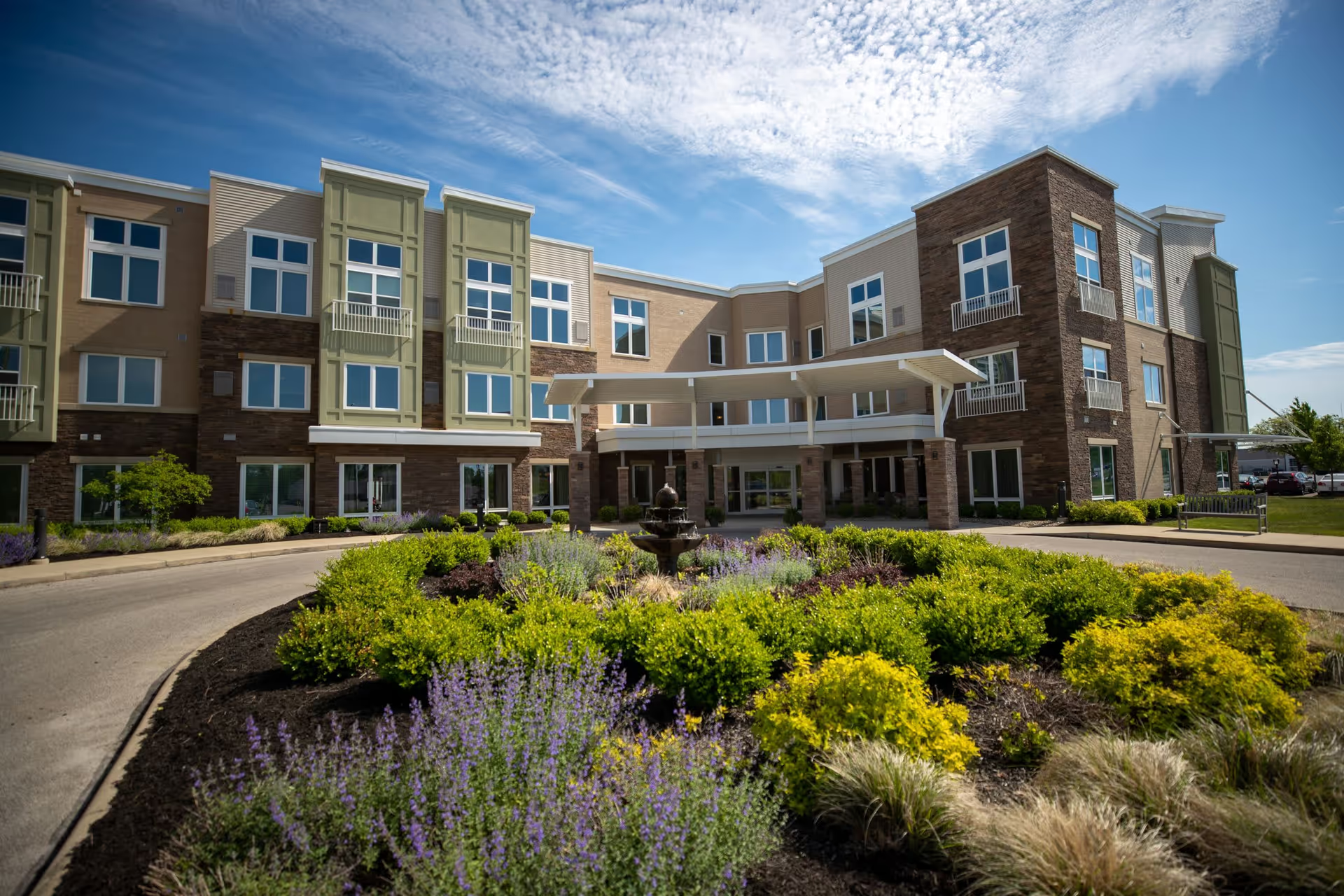
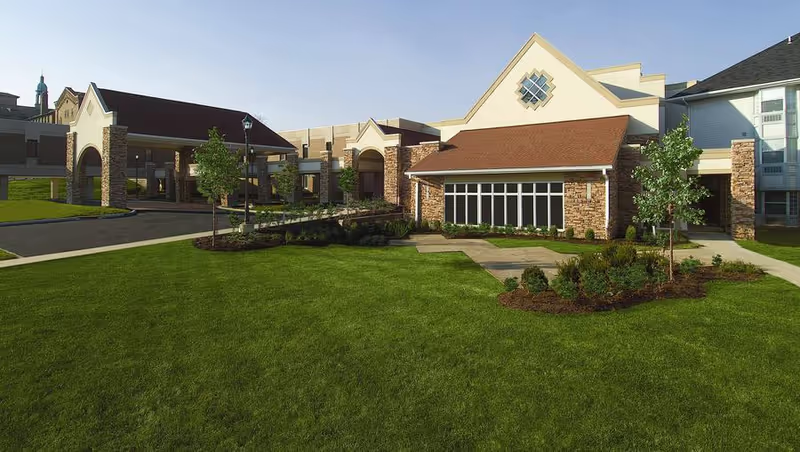
The reviews for Seven Hills Health & Rehab Center are sharply divided, producing a mixed overall picture. Many families and former patients describe high-quality rehabilitation outcomes, knowledgeable therapists, and dedicated nursing and caregiving staff who foster a respectful, community-oriented environment. Physical, occupational, speech, and respiratory therapy programs are repeatedly highlighted as institutional strengths, and several accounts note accessible leadership and measurable improvements under new management. The building and common areas are often described as clean and well maintained, with private rooms and engaging activities such as bingo and enrichment programming contributing to resident well‑being.
However, a consistent set of operational concerns also emerges. Staffing levels and workforce stability are frequently cited as limiting factors: reviewers describe long call‑light response times, delayed assistance with personal care and bathing, and evidence of burnout. These staffing constraints appear to drive a number of related problems — uneven performance by agency or temporary staff, delays in medication administration, and deficiencies in clinical documentation and lab- result follow-up. Several reviewers raised specific concerns about respiratory care competence and the availability of around‑the‑clock respiratory or physician coverage for higher-acuity residents.
Sanitation and personal-care processes are another recurring theme. Many reviewers described delays in toileting and bathing assistance and inconsistent housekeeping attention in some rooms and areas. These observations are reflected in mentions of infections, wound-care follow-ups, and extended hospital transfers after acute events. Medication safety and charting were also frequently cited as areas needing stronger systems and oversight; examples include delayed prescriptions, charting errors, and missed or late medications.
Staff conduct and management response patterns show notable variation. Numerous reviews praise individual staff — nurses, therapy staff, and named administrators — for compassionate, proactive care and for hands‑on leadership that improved the resident experience. At the same time, other reviews describe concerns about rudeness, unprofessional communication, and in some cases alleged misconduct; some families felt complaints were handled defensively or met with templated responses. A small number of reviews allege serious staff misconduct, including theft and privacy breaches, which families should treat as issues requiring immediate investigation.
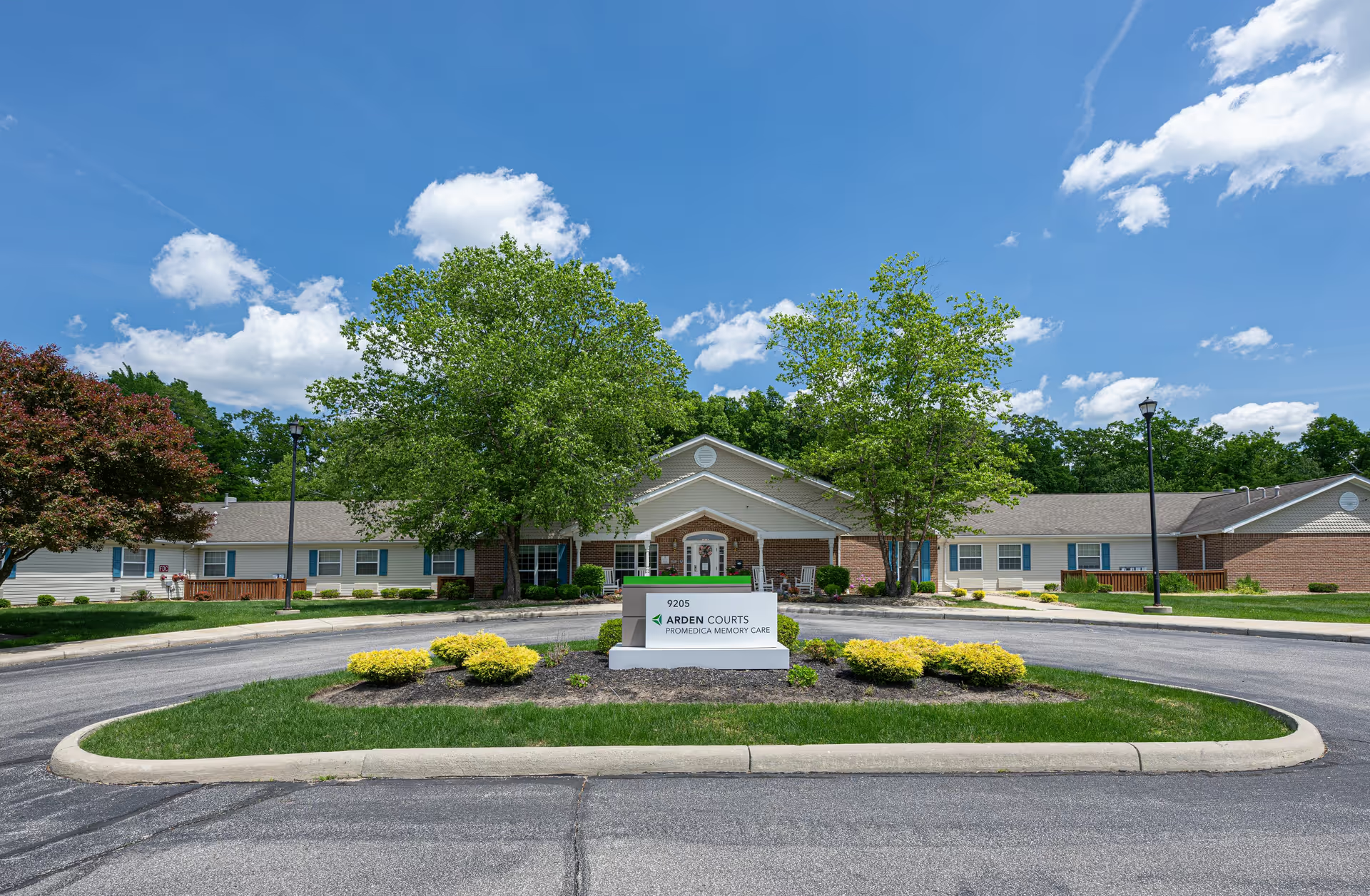
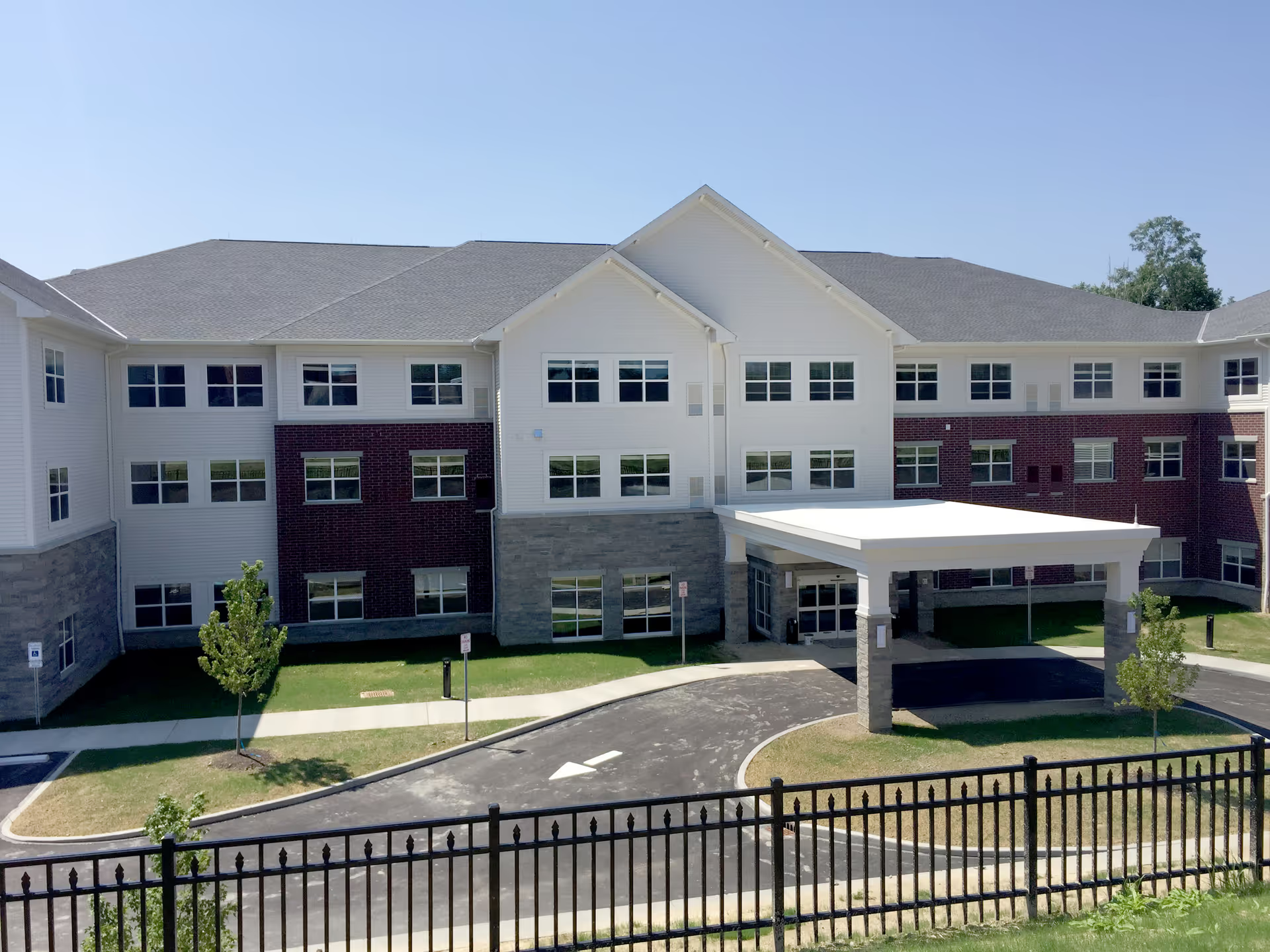
Dining, activities, and amenities receive generally positive comments but with inconsistency. Several residents commend the culinary staff and social programming; others describe irregular meal timing, missed meals, or variable food quality. The facility’s physical environment and therapy spaces are frequently praised, though maintenance issues and delayed repairs were noted in isolated cases.
For prospective residents and families: this facility appears capable of excellent rehabilitative care when staffing and leadership are aligned, but there is evidence of variability tied to shift coverage, agency staffing, and management responsiveness. Recommended due diligence includes asking about current nurse-to-resident ratios, on‑call clinical coverage (especially respiratory/physician availability), staff turnover rates, the use of agency staff, and specific protocols for medication administration, documentation, infection prevention, and incontinence care. Meeting the unit manager and therapy leads, observing shift change and call-light response during a tour, and reviewing recent inspection or enforcement history will help form a clearer picture of current performance.