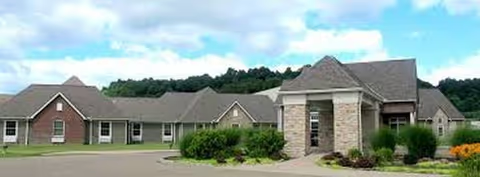
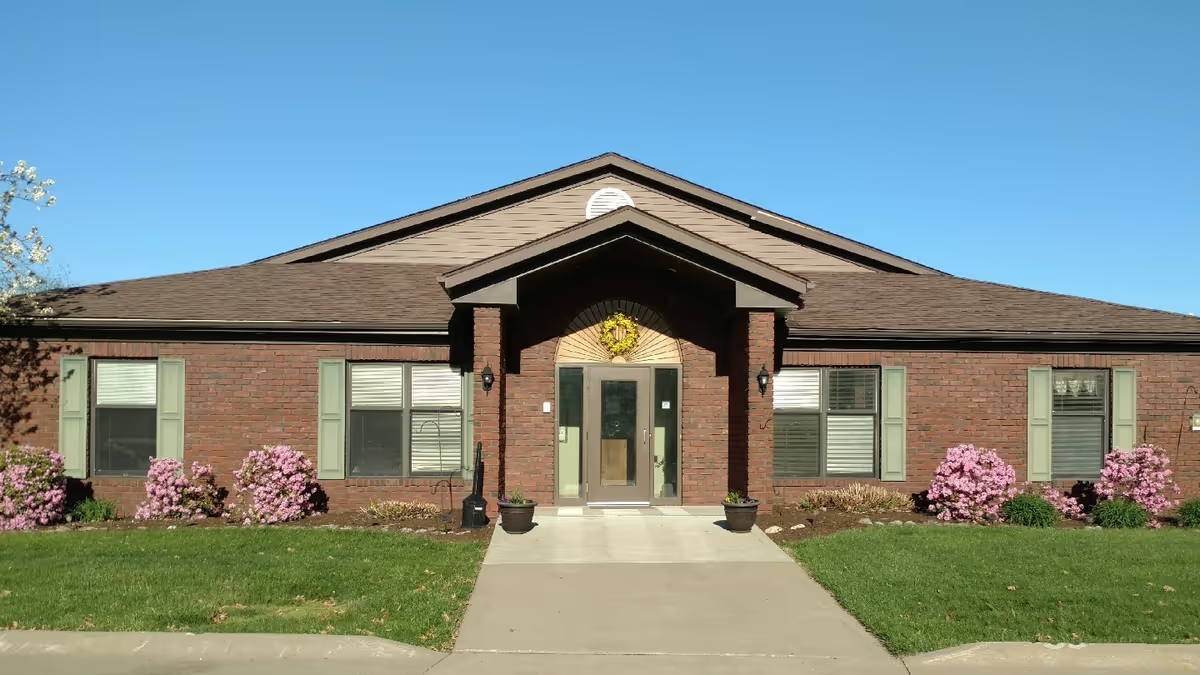
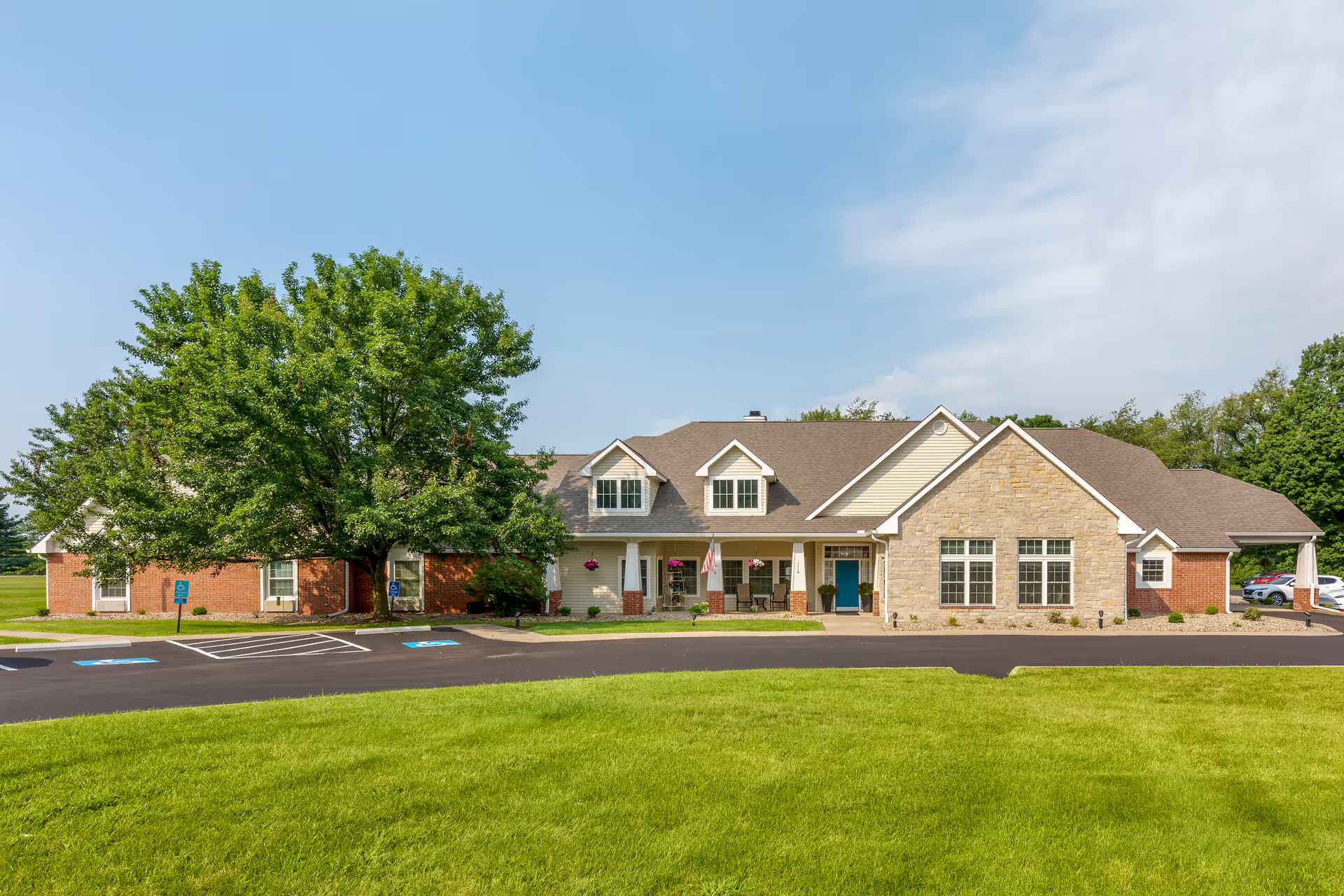
The reviews present a mixed but actionable picture of Claymont Health & Rehabilitation Center. Strengths cited by families and former residents center on direct clinical care: several accounts describe compassionate nursing, attentive personal-care and grooming, and successful short-term rehabilitation leading to discharge home. Reviewers commonly praised specific staff members in nursing and therapy roles, and noted a welcoming, home-like atmosphere that made residents comfortable. Social-work and administrative staff were identified as relationship-building points of contact for families in many positive accounts.
Dining and activities are also mentioned favorably in a number of summaries. Families described satisfactory food quality and nutrition support (including weight gain for some residents), and noted an engaging activities program and an activities director who contributed to residents' quality of life. Those who experienced successful rehab stays emphasized the clinical skill and encouragement of therapy teams and nursing staff.
Counterbalancing these strengths are several recurring operational concerns. Communication with families is a prominent theme: reviewers cited unreturned or abruptly terminated calls, difficulty obtaining information, and limitations on telephone or in-person contact. Relatedly, reviewers described issues with staff tone and professionalism, including interactions perceived as dismissive. Operational gaps in basic care delivery were raised as well—specifically delays in assistance with activities of daily living and bathing schedules—which can signal uneven performance across shifts or staff members. Rooming and capacity constraints were noted, with shared rooms described as small and lacking adequate storage.
Admissions and management practices also appear inconsistent. Some families encountered difficulty with bed availability and with admissions-staff interactions, and a subset of reviews characterized facility priorities as favoring census maintenance over individualized care. There are also reports indicating broader organizational problems, such as poor employee relations and references to regulatory/state concerns; these warrant verification through official inspection records.
Taken together, the pattern suggests that Claymont offers tangible clinical and rehabilitative strengths delivered by caring individuals, while organizational and communication processes may be variable. Prospective residents and families would benefit from targeted questions during a tour and intake: ask for current staffing levels by shift, the facility's family-communication protocols (including phone/video access and escalation pathways), typical response times for ADL assistance, room and roommate policies, recent inspection or citation history, and examples of rehab outcomes for patients with similar needs. Meeting the social worker, head nurse, and therapy staff in person and requesting references from recent families may help assess consistency before placement.