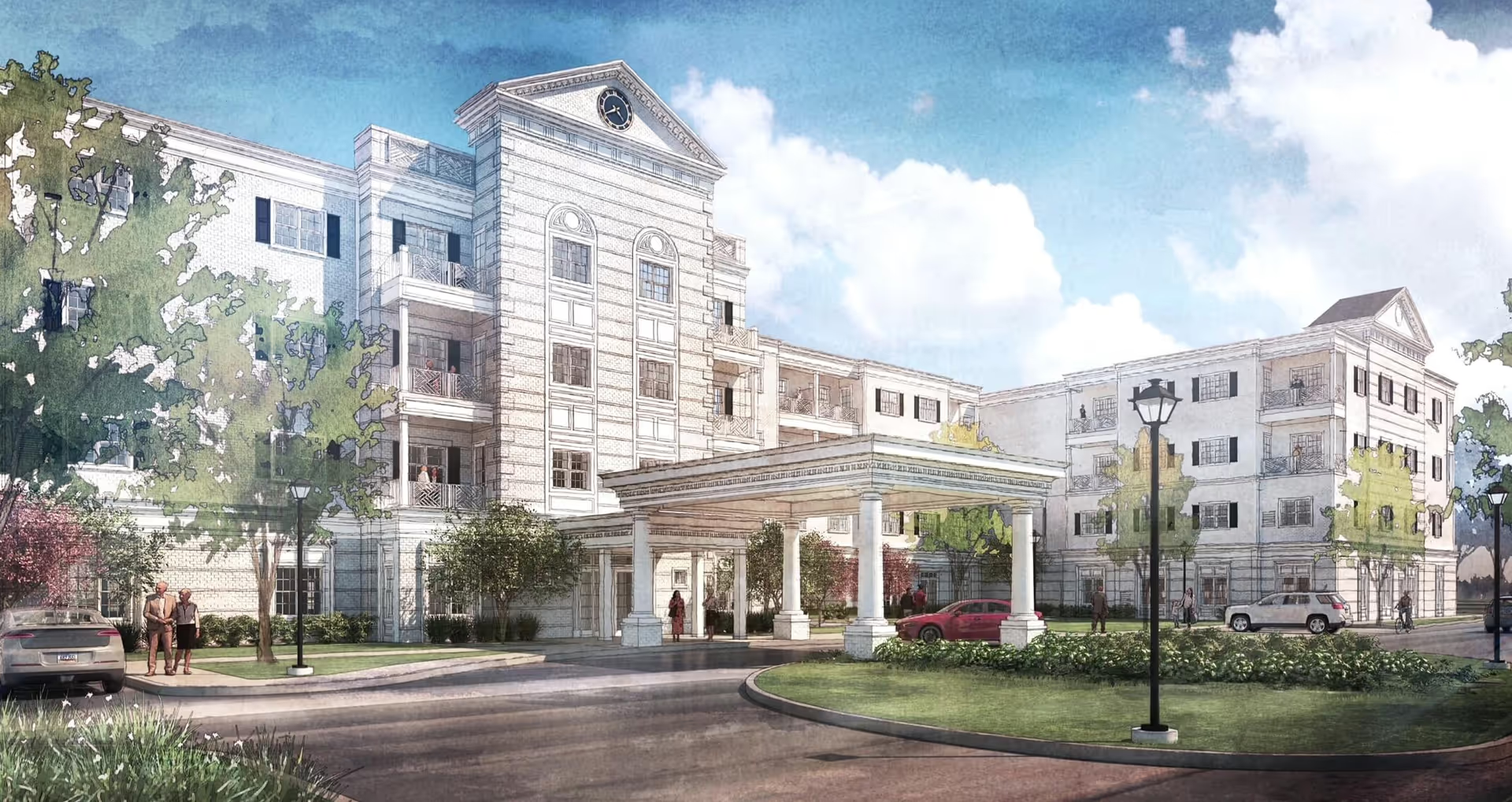
Overview The reviews for Buckeye Terrace Rehabilitation and Nursing Center present a mixed but heavily polarized picture. A number of families and former residents praise the rehabilitation services, therapy staff, and certain social workers and nurses who provided attentive, compassionate care. At the same time, a substantial portion of feedback highlights systemic operational problems that affect daily living, safety, and resident dignity.
Care quality Clinical concerns center on inconsistent direct-care practices and care processes. Reviewers describe variability in nursing and aide responsiveness, including delays attending to toileting and hygiene needs, inconsistent bathing schedules, and issues with wound care. Several comments indicate gaps in medication knowledge and administration, as well as pain-management inconsistencies. Conversely, therapy teams (PT/OT) and a few licensed nurses and social workers are repeatedly singled out for providing high-quality, person-centered care.
Staff and communication Staffing and communication are recurring themes. Reviews indicate staffing shortages and uneven coverage across shifts — particularly nights — leading to longer response times and inconsistent continuity of care between shifts. Language barriers were noted as affecting communication with some residents. There are also broader concerns about professional conduct and leadership: reviewers cite troubling workplace dynamics, alleged inappropriate staff relationships, pressure to post positive reviews, and allegations related to financial handling. Several accounts credit new management with attempting improvements and note better teamwork and cleaner rooms under recent leadership.
Dining and activities Meal service and nutrition emerge as operational weaknesses. Common complaints include inconsistent meal delivery, poor food quality, missed meal passes, difficulty accommodating allergies, and occasional absence of utensils or full trays. Activity programming is described as limited by some reviewers, with reports of early closures of communal spaces and restricted outdoor access, which families say reduces opportunities for engagement and fresh air.
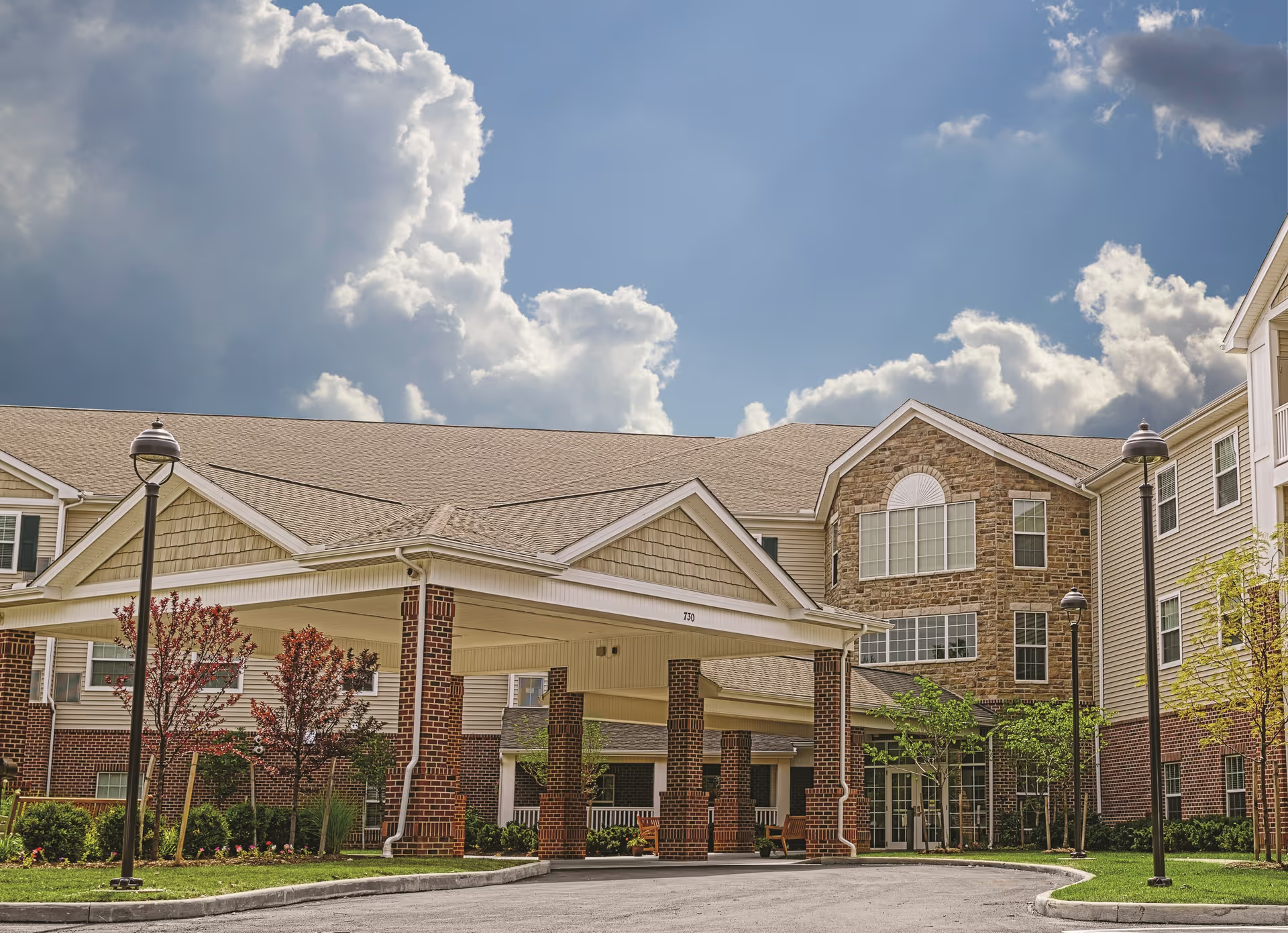
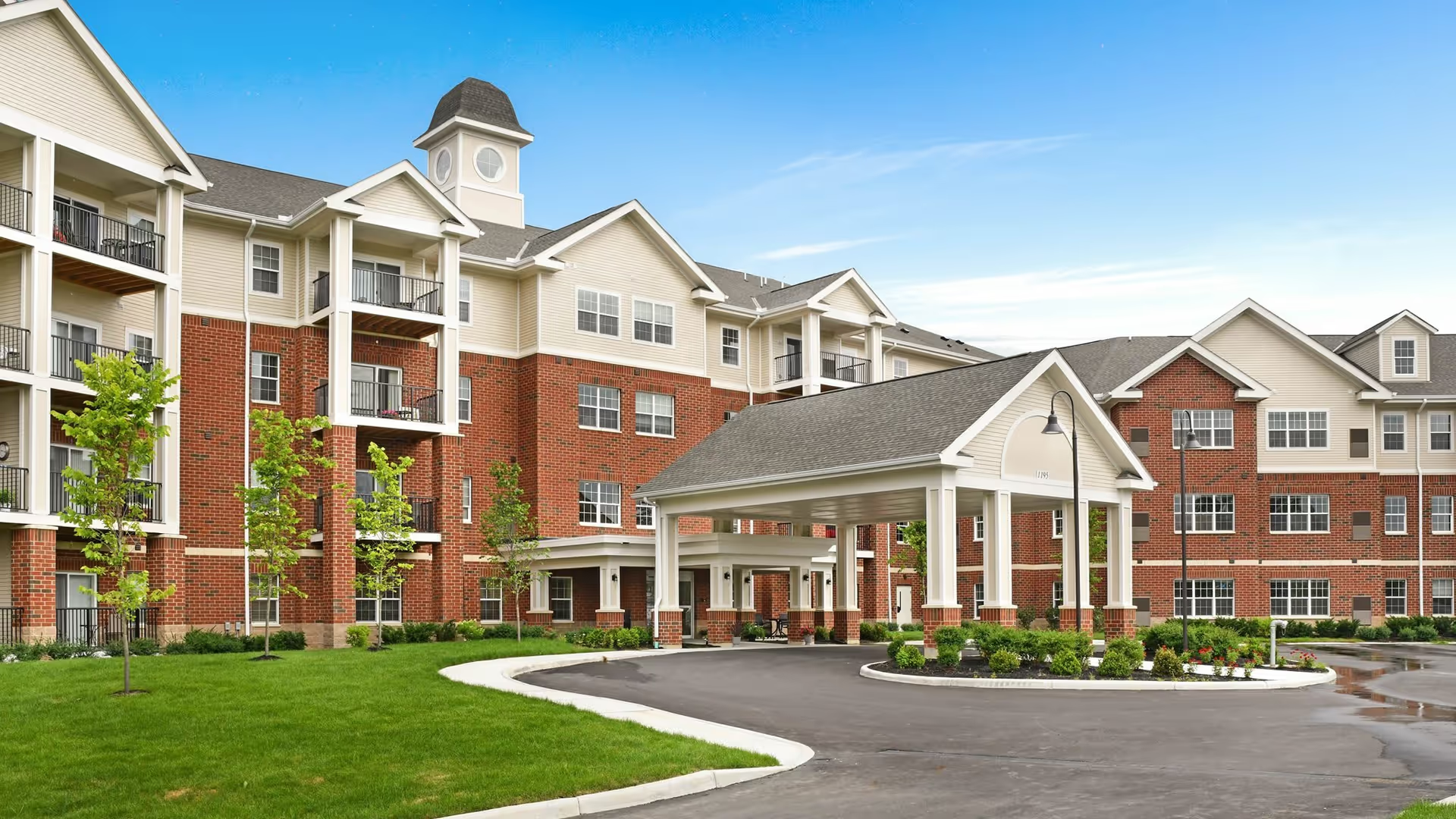
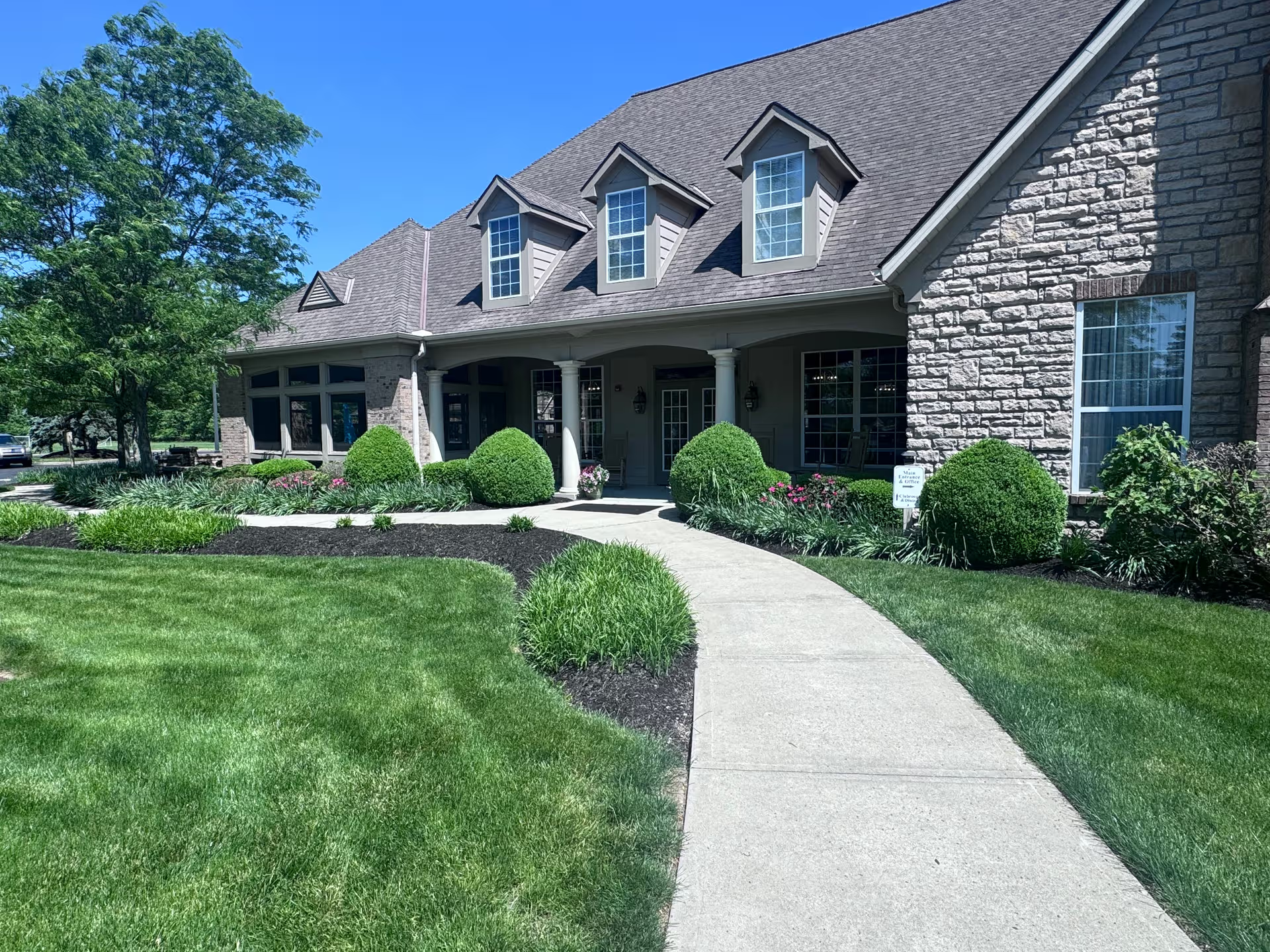
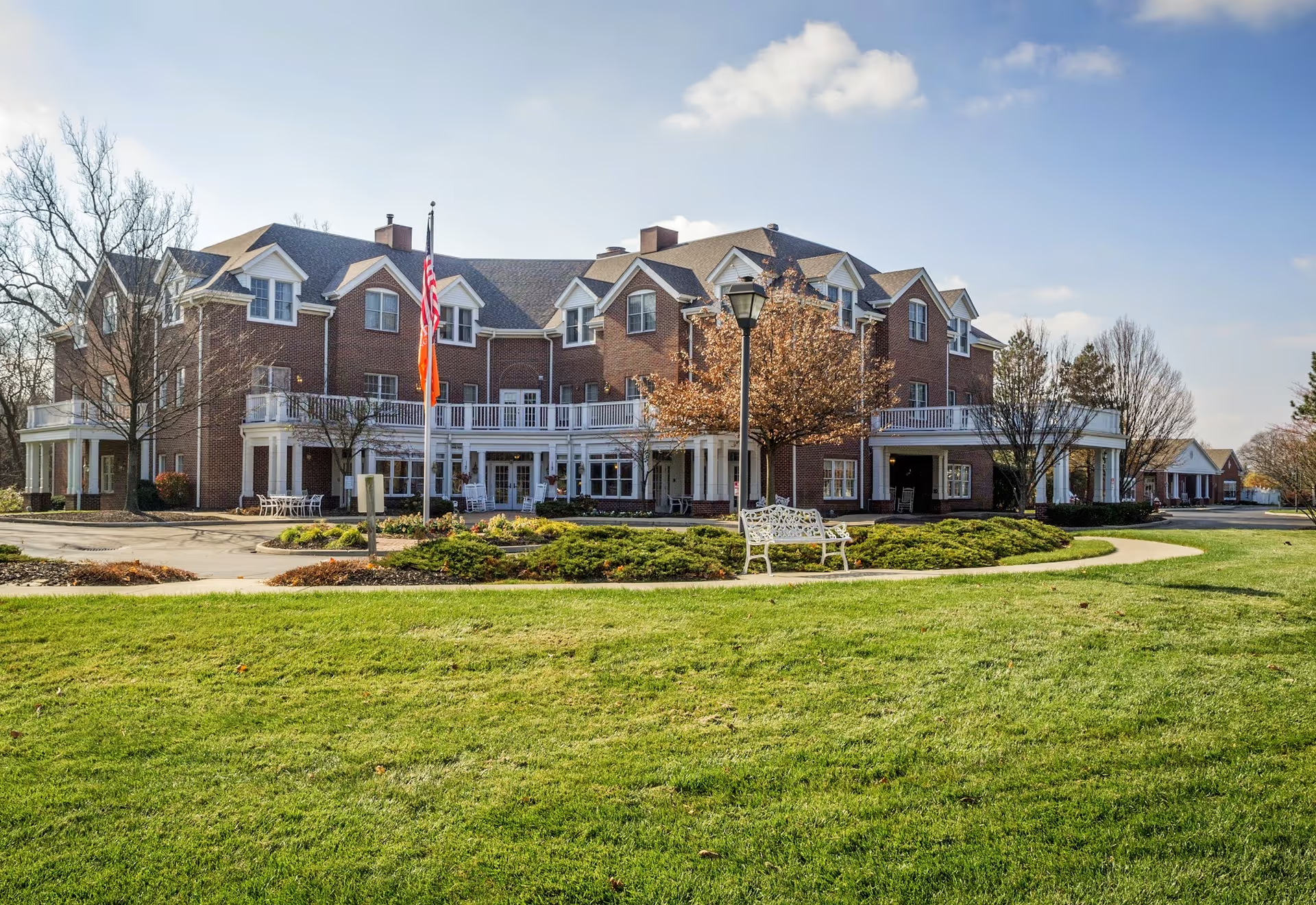
Facilities and maintenance Physical plant and environmental maintenance are frequent concerns. Reviewers report sanitation issues, odor concerns in some common areas and rooms, and pest-control problems. Maintenance complaints include broken or poorly functioning room phones, delayed repairs, peeling finishes, and isolated reports of structural or plumbing failures. Positive comments about improved cleanliness under new staffing suggest that physical conditions have been variable over time.
Management and notable patterns The pattern across reviews is one of uneven performance: pockets of strong, compassionate care (notably within therapy and social work) coexist with systemic operational failures. Several reviewers describe escalated concerns that prompted calls to hotlines or regulatory attention; others describe improvements under new management. Serious claims — including allegations of theft and inappropriate staff conduct — appear alongside recommendations that prospective families observe mealtimes, review staffing levels, and verify corrective-action documentation.
Guidance for families Prospective residents and families should weigh the facility’s strengths in rehabilitation and select caregiving staff against the operational risks highlighted here. Recommended due diligence includes asking for current staffing ratios, recent inspection and correction reports, pest-control and sanitation protocols, wound- and medication-management procedures, documentation of bathing schedules, and examples of activity programming. In-person observation of mealtime, cleanliness, and staff–resident interactions — including unannounced visits when possible — will help assess whether recent management changes have produced sustained improvement.