Paramount Senior Living at Polaris presents a strongly polarized picture: the community's physical plant, amenities and some clinical strengths draw consistent praise, while operational inconsistencies—particularly around staffing, medication and billing—are the primary sources of concern.
Care quality shows two distinct patterns. Several families describe knowledgeable nurses, attentive clinicians, one‑on‑one assistance, effective rehabilitation services and strong end‑of‑life support; these accounts note reliable clinical oversight and individualized attention. Conversely, other accounts identify systemic gaps: missed or delayed medication administration, shortages or pharmacy coordination problems, delays in attending to call‑button alerts, and inconsistent personal‑care schedules (including missed showers and repositioning). These latter issues suggest weaknesses in medication‑management controls, staffing coverage, and shift‑to‑shift continuity rather than isolated interpersonal failings.
Staff behavior and training appear uneven. Many reviews commend compassionate, family‑oriented caregivers and effective directors of nursing; however, multiple operational concerns were raised about staff conduct and engagement—language barriers affecting communication, use of personal earbuds while on duty, conversational focus among staff rather than residents, and variability in friendliness. High staff turnover and reports of being short‑staffed contribute to inconsistent resident experiences and increase reliance on family supplementation of care in some cases.
Dining and nutrition receive mixed feedback. The community offers restaurant‑style dining, an on‑site chef, and flexible menu options for some residents, with several reviewers praising food quality and customization. At the same time, others describe cold meals, small or repetitive portions, reliance on prepackaged items, and failures to accommodate dietary restrictions. These patterns point to inconsistent food‑service execution and occasional breakdowns in special‑diet handling.
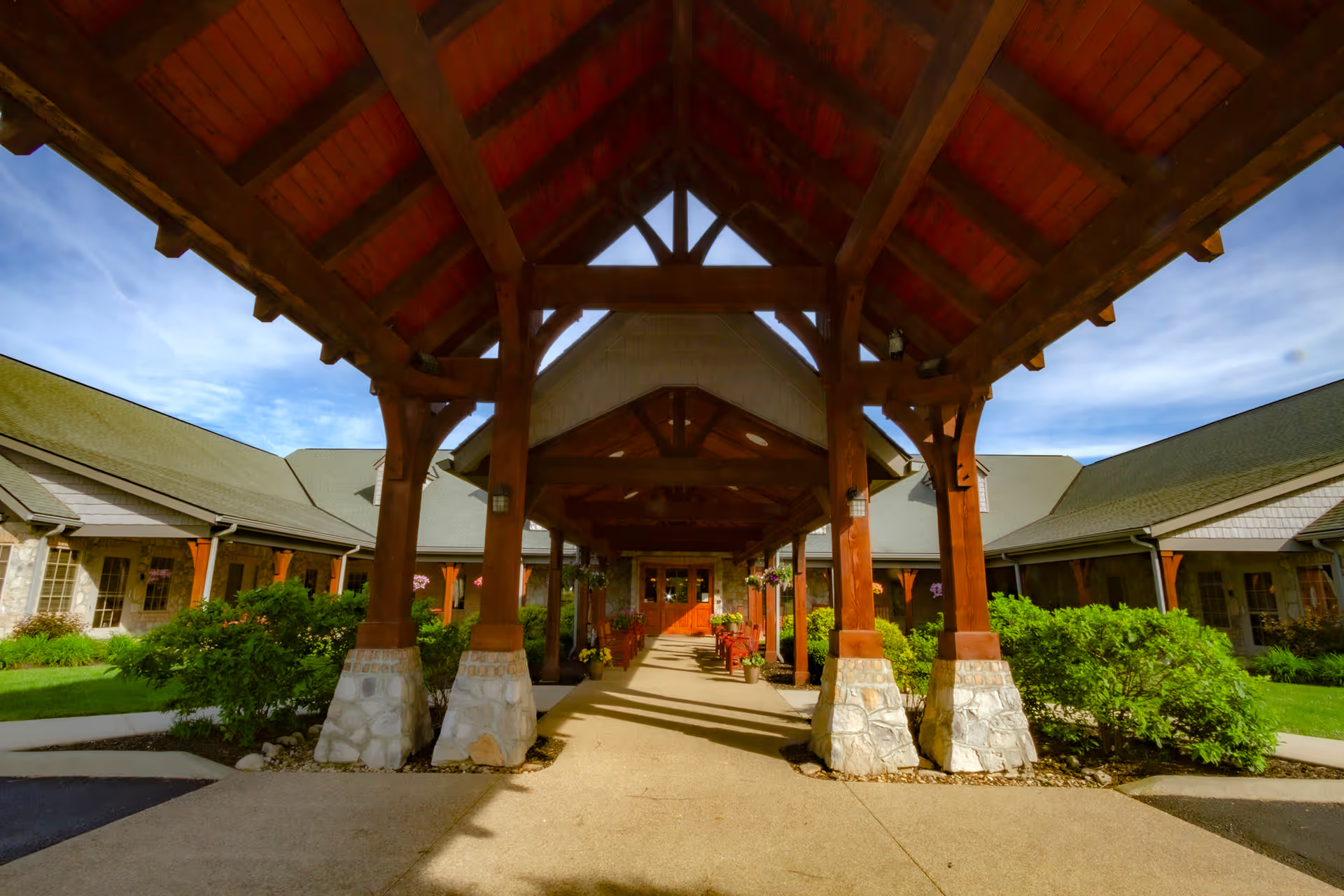
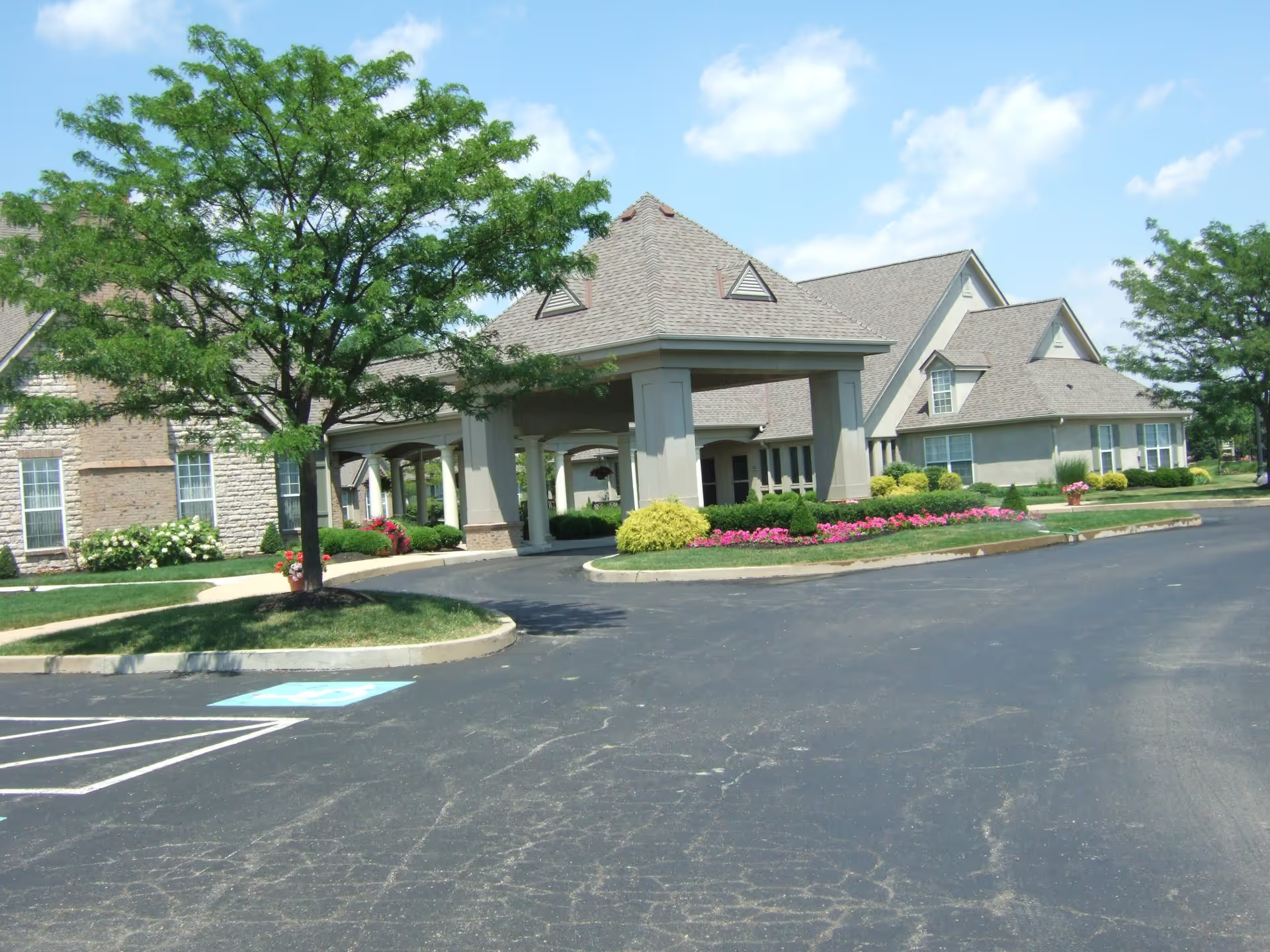
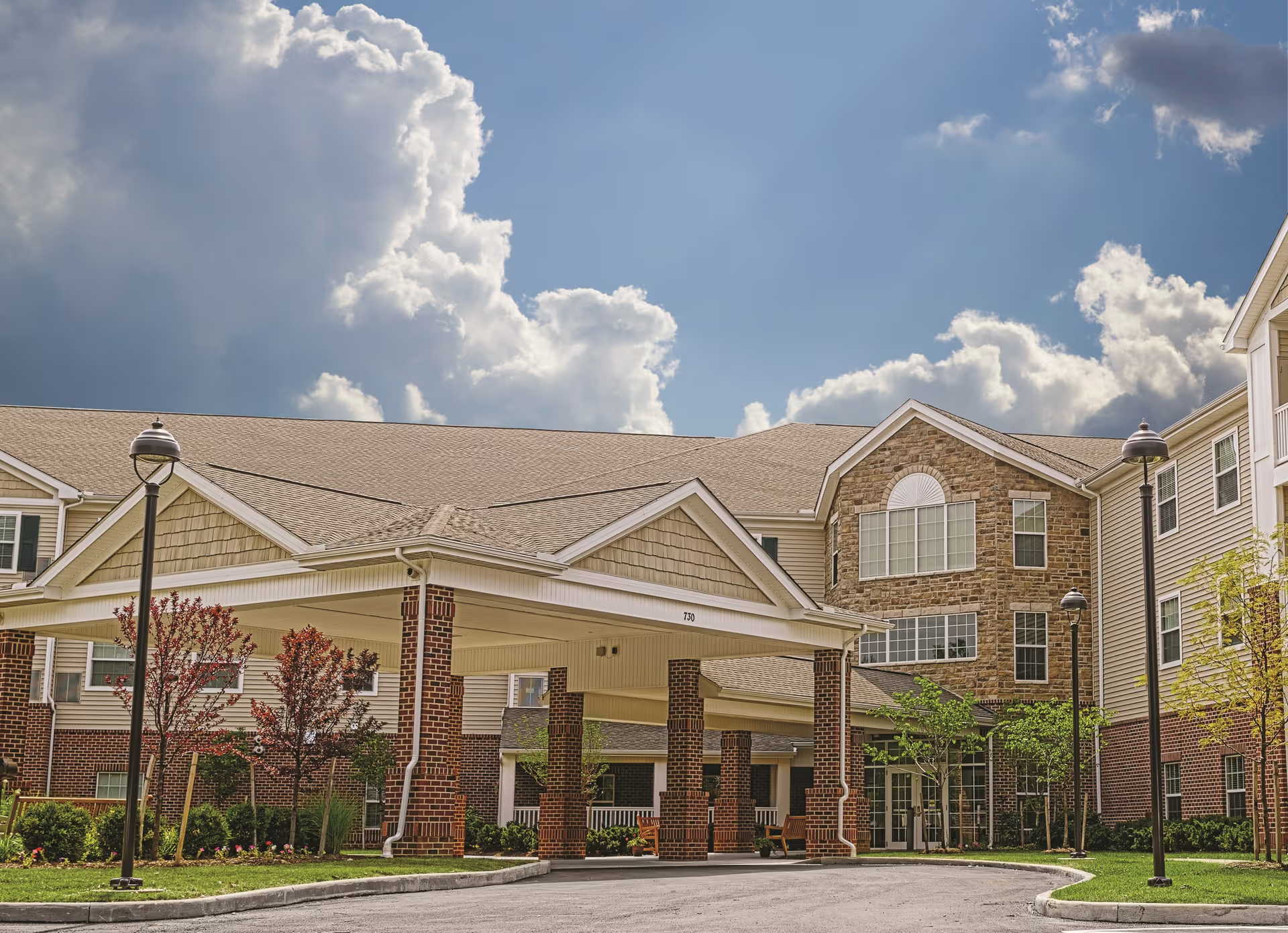
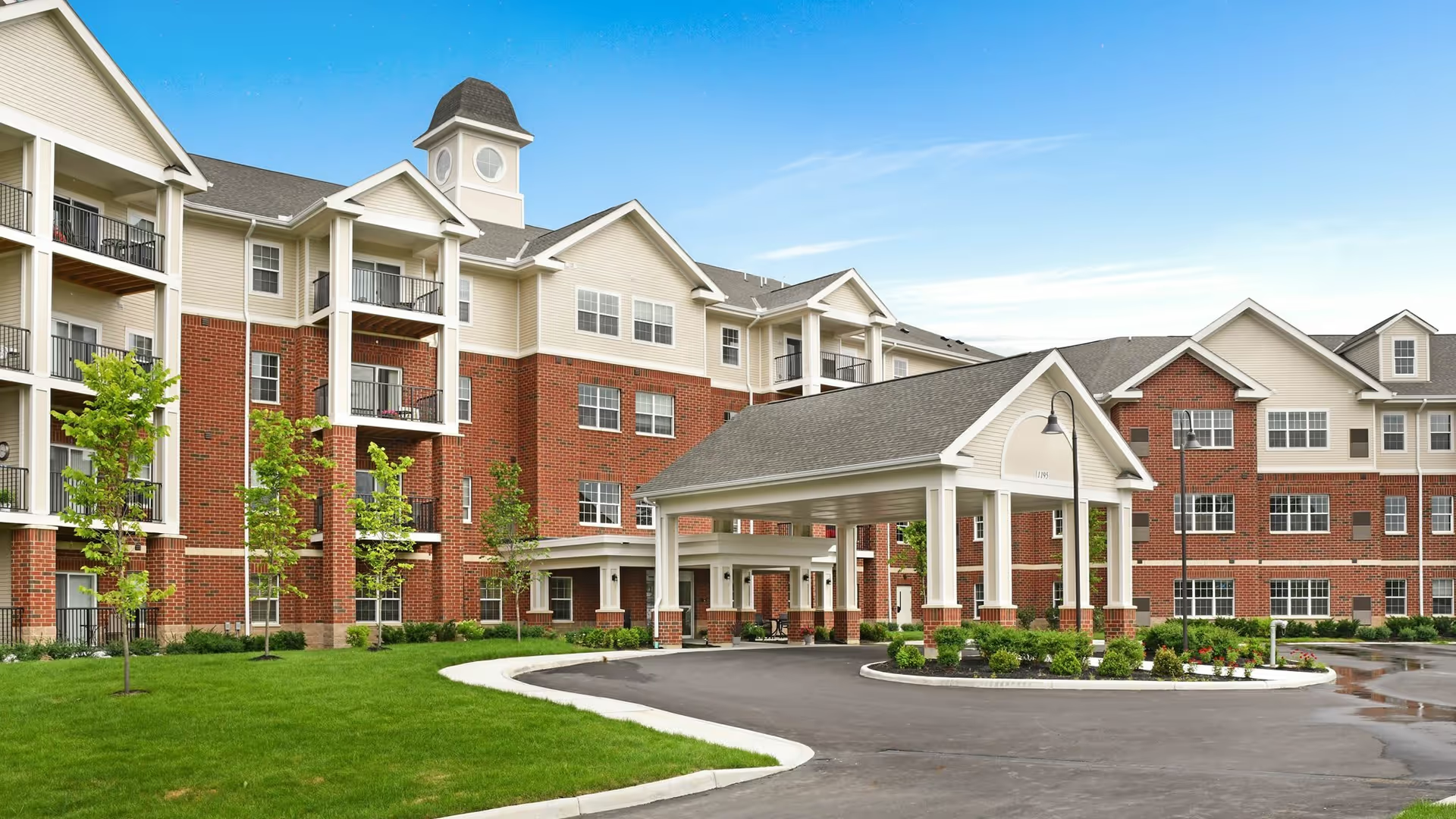
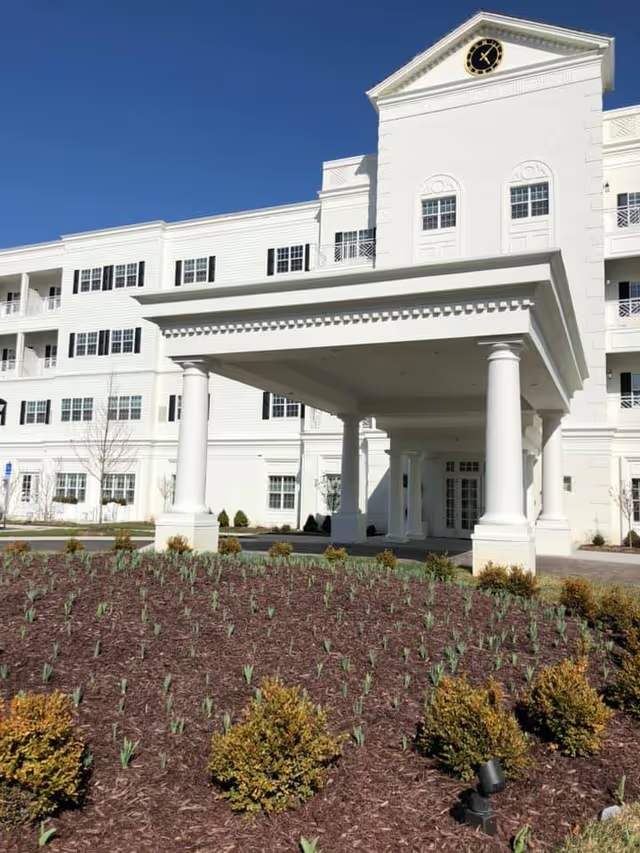
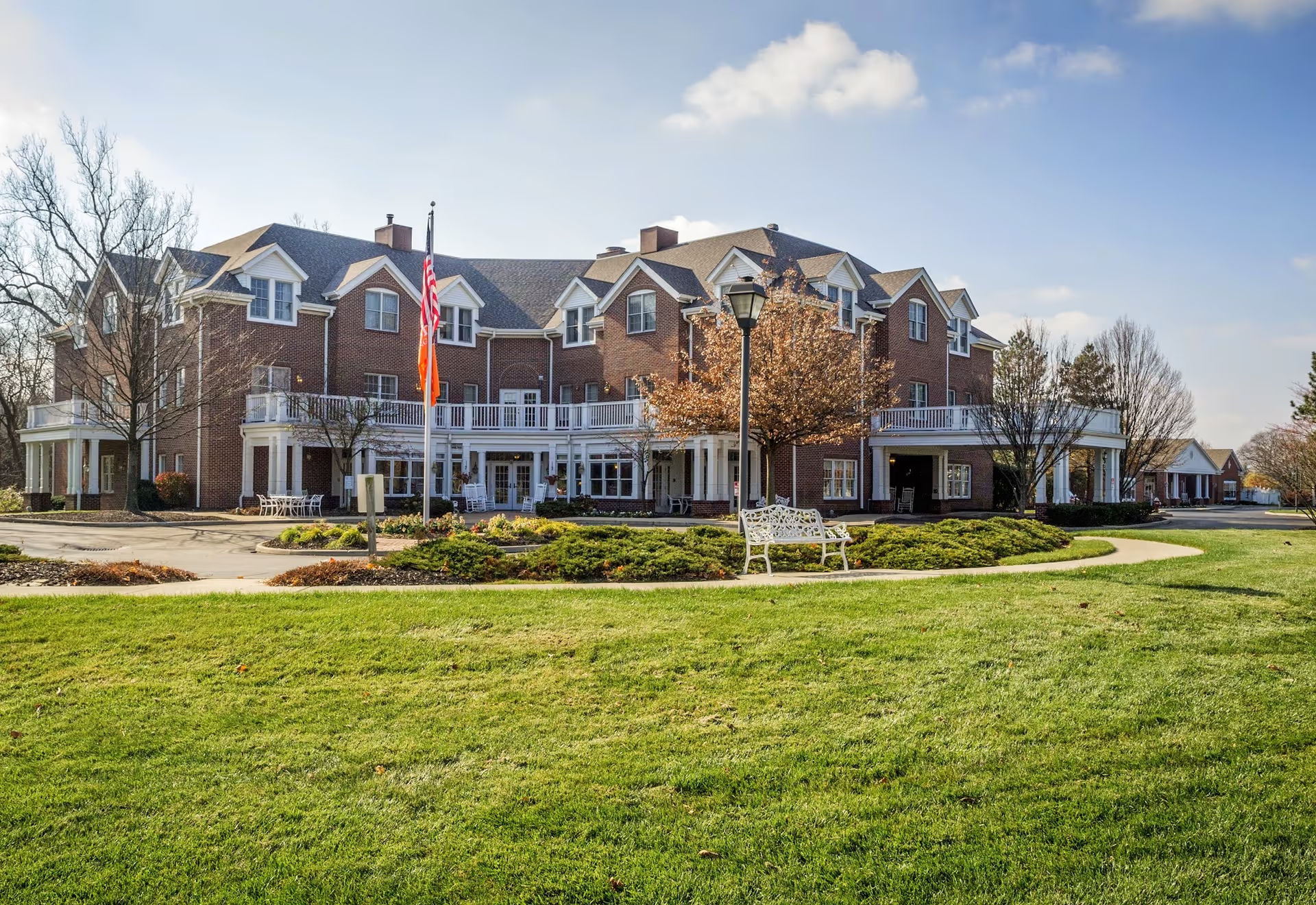
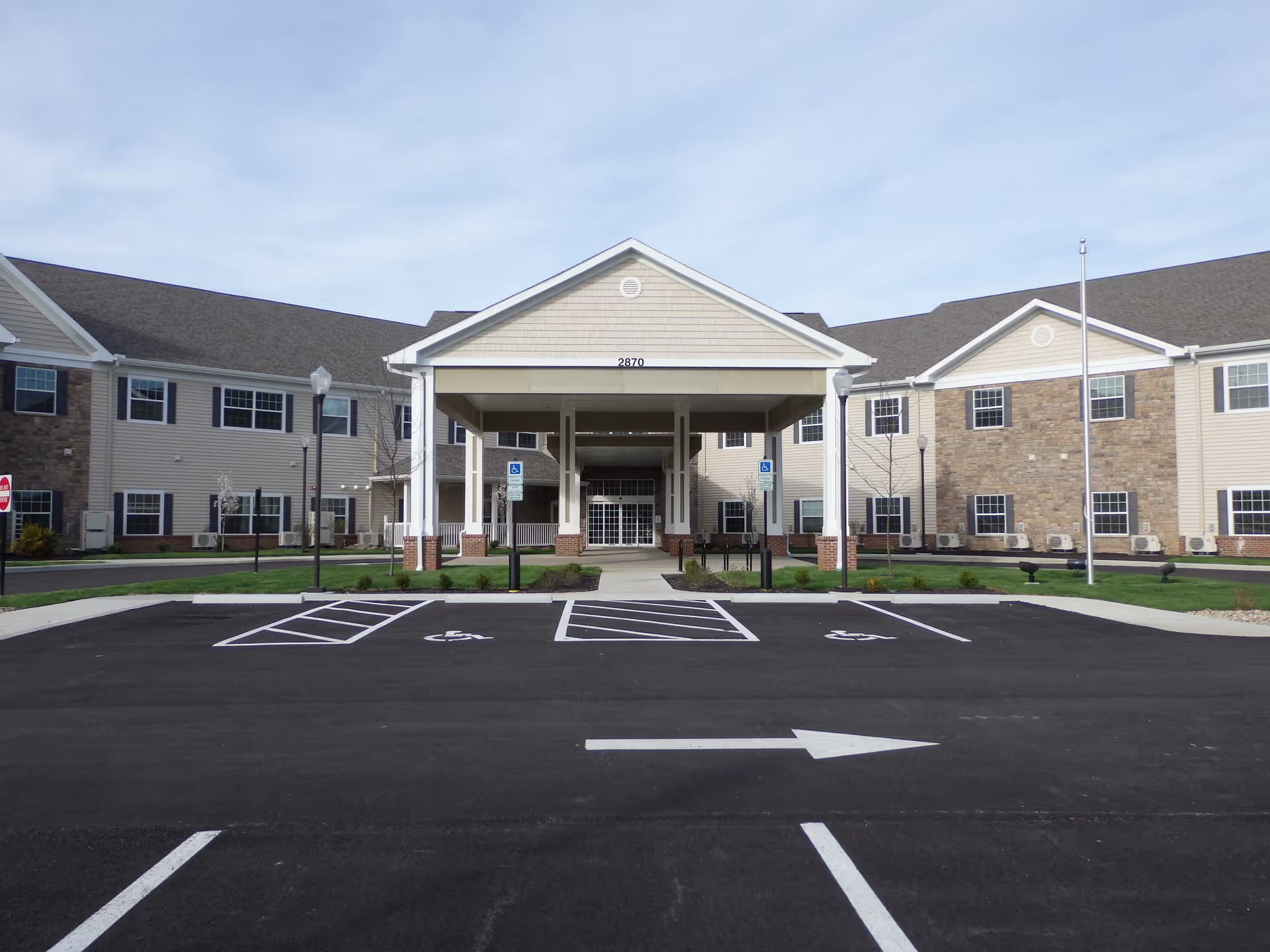
Activities and amenities are clear strengths. The campus is noted for a lively activity schedule, an activity room, movie screening room with a popcorn machine, piano, bingo, salon, theater, gym and well‑equipped physical‑therapy spaces. The facility’s newer construction, cleanliness, and modern finishes receive frequent positive mention, as do private studios and accessible communal spaces. Location on Polaris Parkway is convenient for families.
Management and administrative issues are a recurring theme. Reviewers describe communication gaps between local leadership and the home office, undisclosed or poorly explained charges, late fees, move‑in discounts not honored in writing, and delayed refunds. There are also mentions of poor follow‑through after a resident’s death and unresolved account questions. In a few cases, more serious financial concerns are asserted; these claims warrant careful verification during a tour and contractual review.
Notable patterns: experiences appear highly variable by unit, shift and individual staff members—some families describe excellent, consistent care while others describe repeated operational failures. Problems most consistently tied to facility systems are medication control, responsiveness to resident requests, staffing stability and billing transparency. Conversely, the facility’s built environment, amenity set and activity programming are dependable positives.
Recommendations for prospective residents and families: conduct an in‑person tour during different times of day (including evening/third shift), ask for details on medication‑administration protocols, staffing ratios and turnover, escalation procedures for missed care, written billing and move‑in‑discount policies, hospice and pharmacy coordination processes, and observed sanitation practices. Request references from current families who have been on site for several months to assess consistency of care over time.