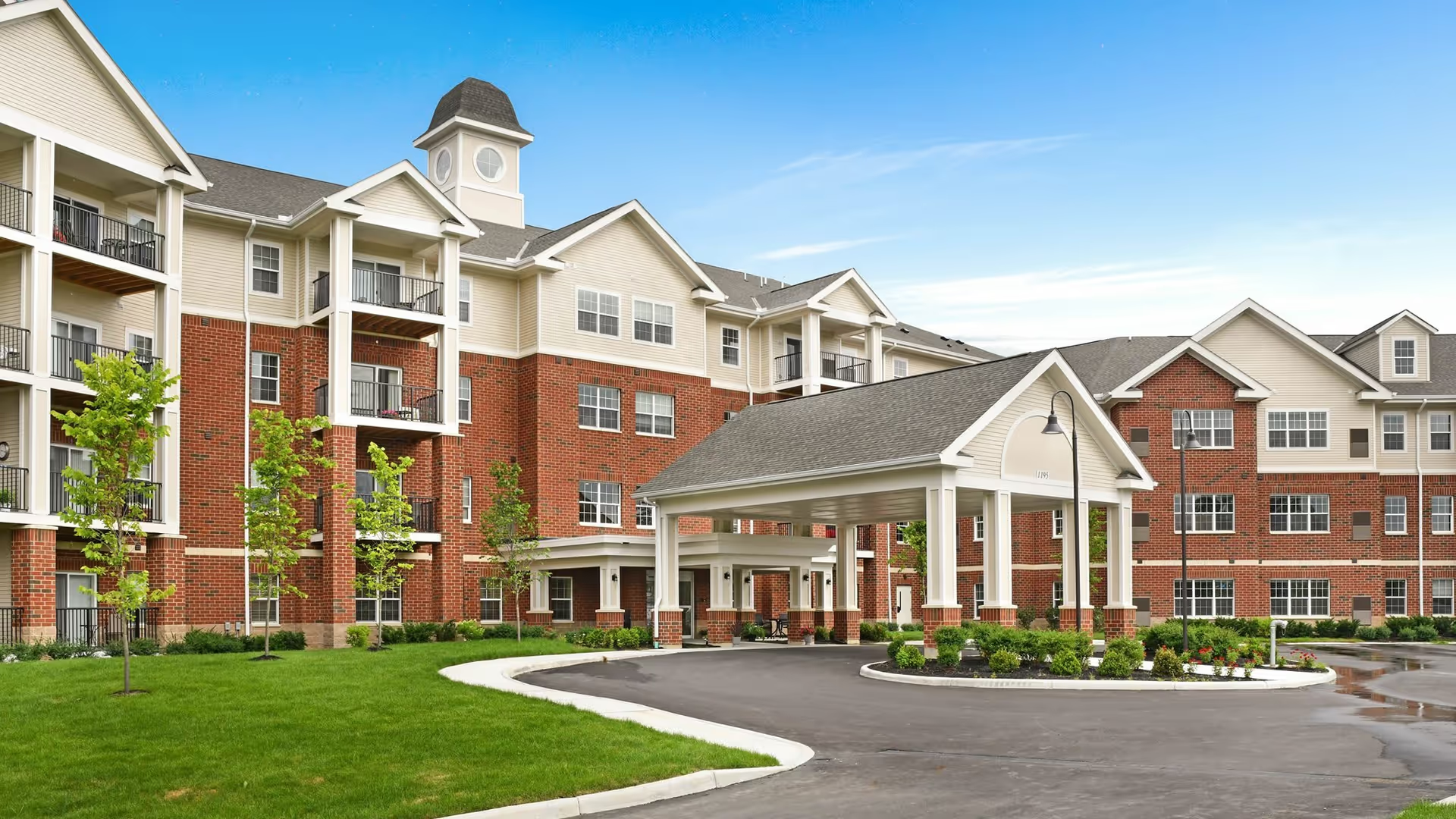
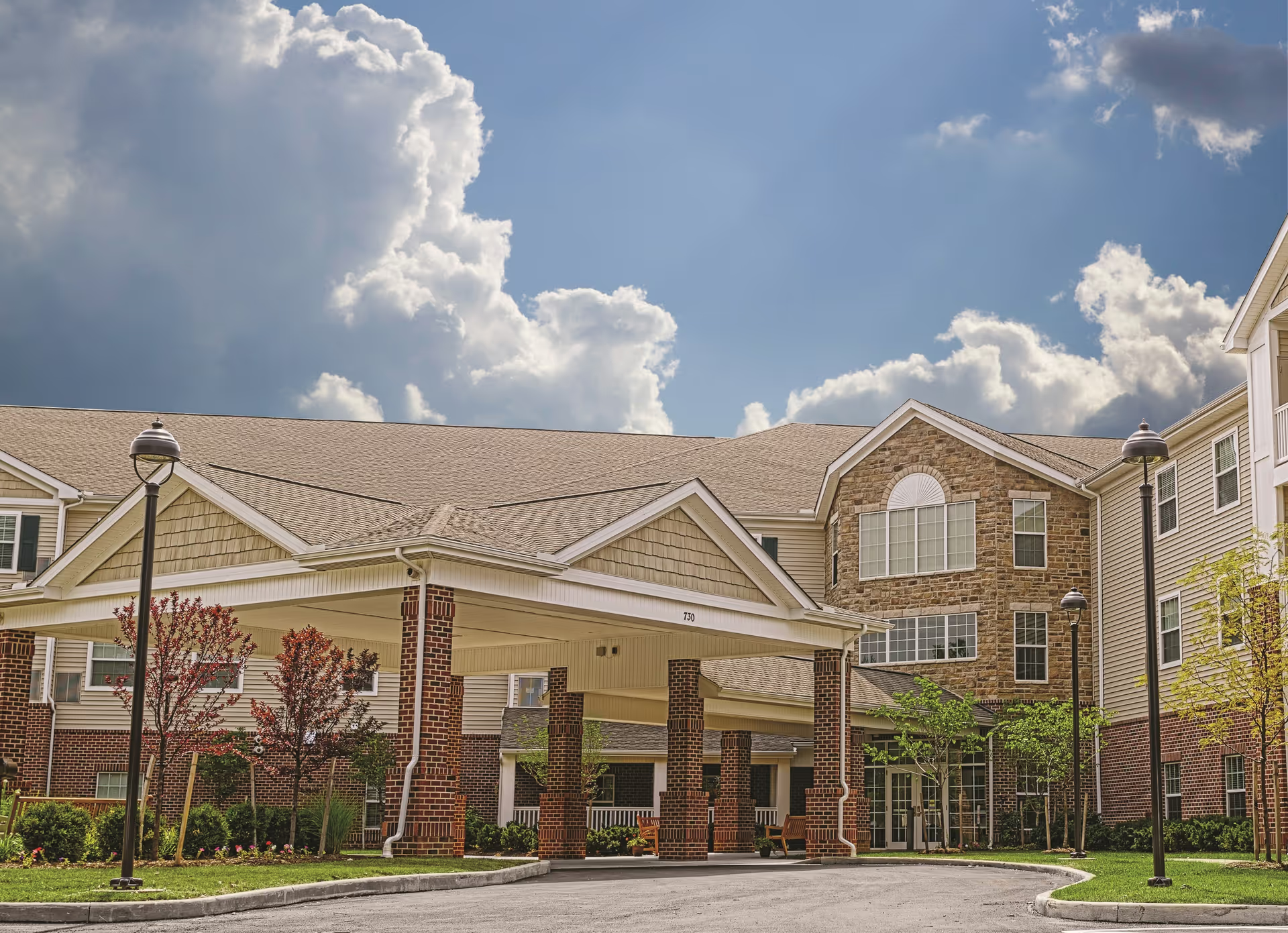
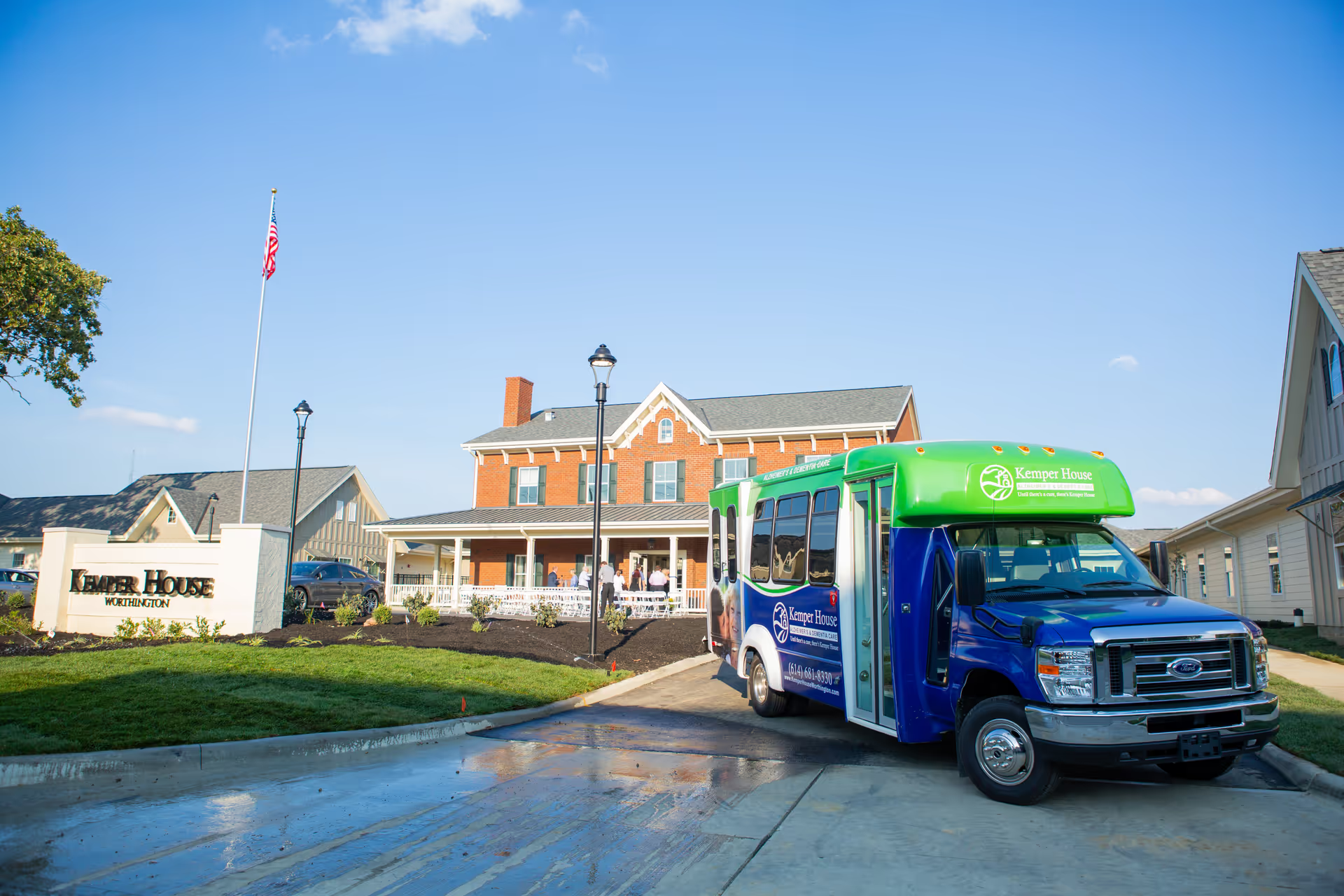
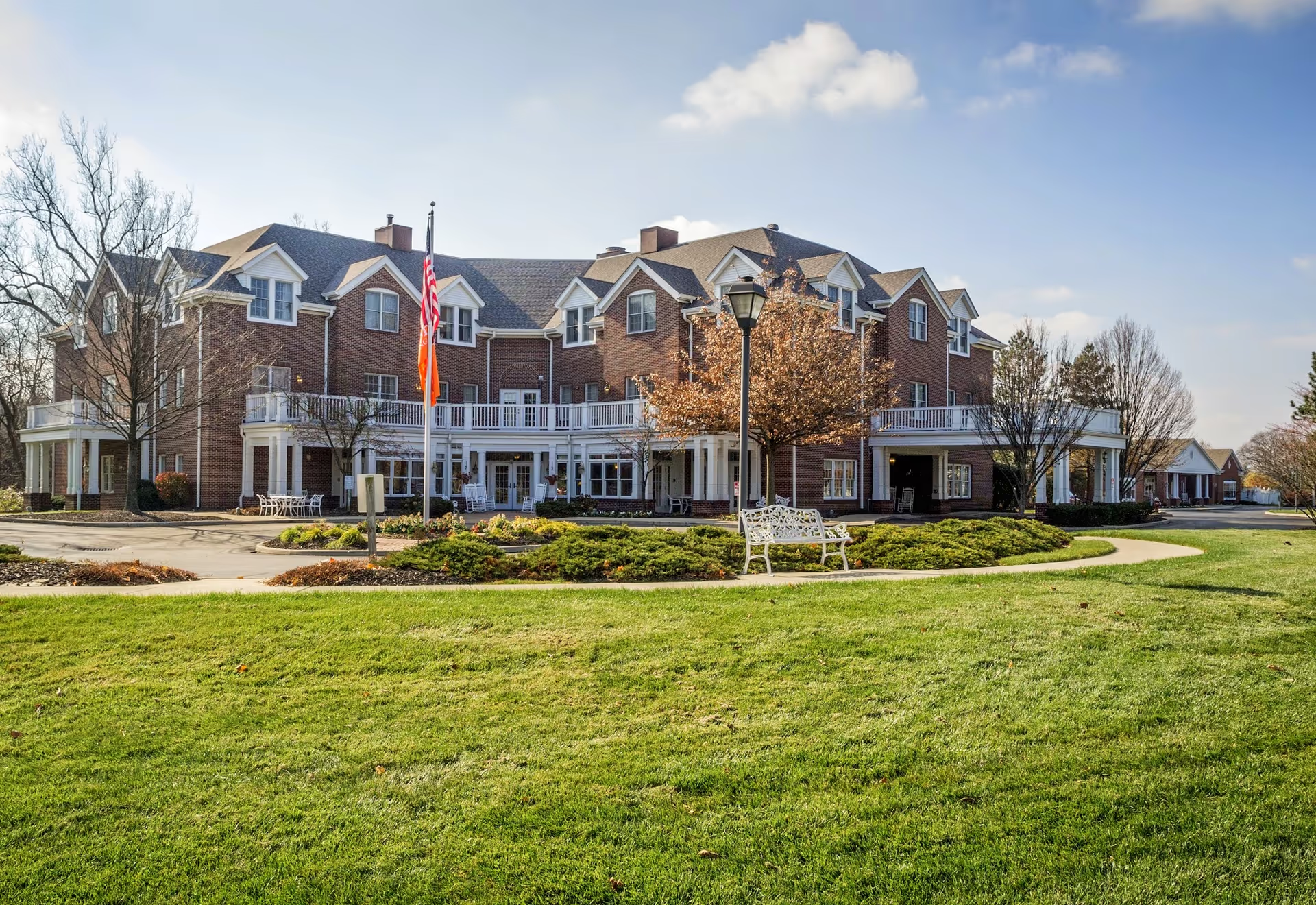
Paramount Senior Living at Westerville elicits a broadly mixed but informative picture. Many families praise the facility’s cleanliness in common areas, recent cosmetic upgrades, and apartment-style units with outdoor space and a secured memory-care neighborhood. Reviewers consistently highlight an engaged caregiving team, on-site nursing coverage, and allied therapies (OT/PT/ST). Activities programming is a clear strength: the community offers daily group activities, outings, social events, and family-engagement opportunities including meetings and virtual updates. Dining is structured around multiple communal dining rooms and transportation to appointments and errands is a commonly noted convenience.
Care quality and staffing present a nuanced profile. Strengths include 24/7 nursing presence, thoughtful directors, and caregivers described as compassionate and encouraging of participation. Clinical services such as medication administration, dressing and bathing support, and therapy are available under the facility’s levels of care. However, operational weaknesses emerge around staffing consistency. Reviewers describe weekend shortages and variable shift coverage that translate into longer wait times for assistance and delays responding to call bells. There are also recurring concerns about variability in caregiver training and transfer practices, which suggest the need for stronger staff skills standardization and oversight.
Dining and activities are generally positive but uneven. Many residents enjoy the meals, social dining, and portion-controlled options for memory care; activities are diverse and frequent. At the same time, families note occasional declines in meal quality tied to staffing or kitchen absences, and some residents prefer more menu flexibility than a fixed offering allows.
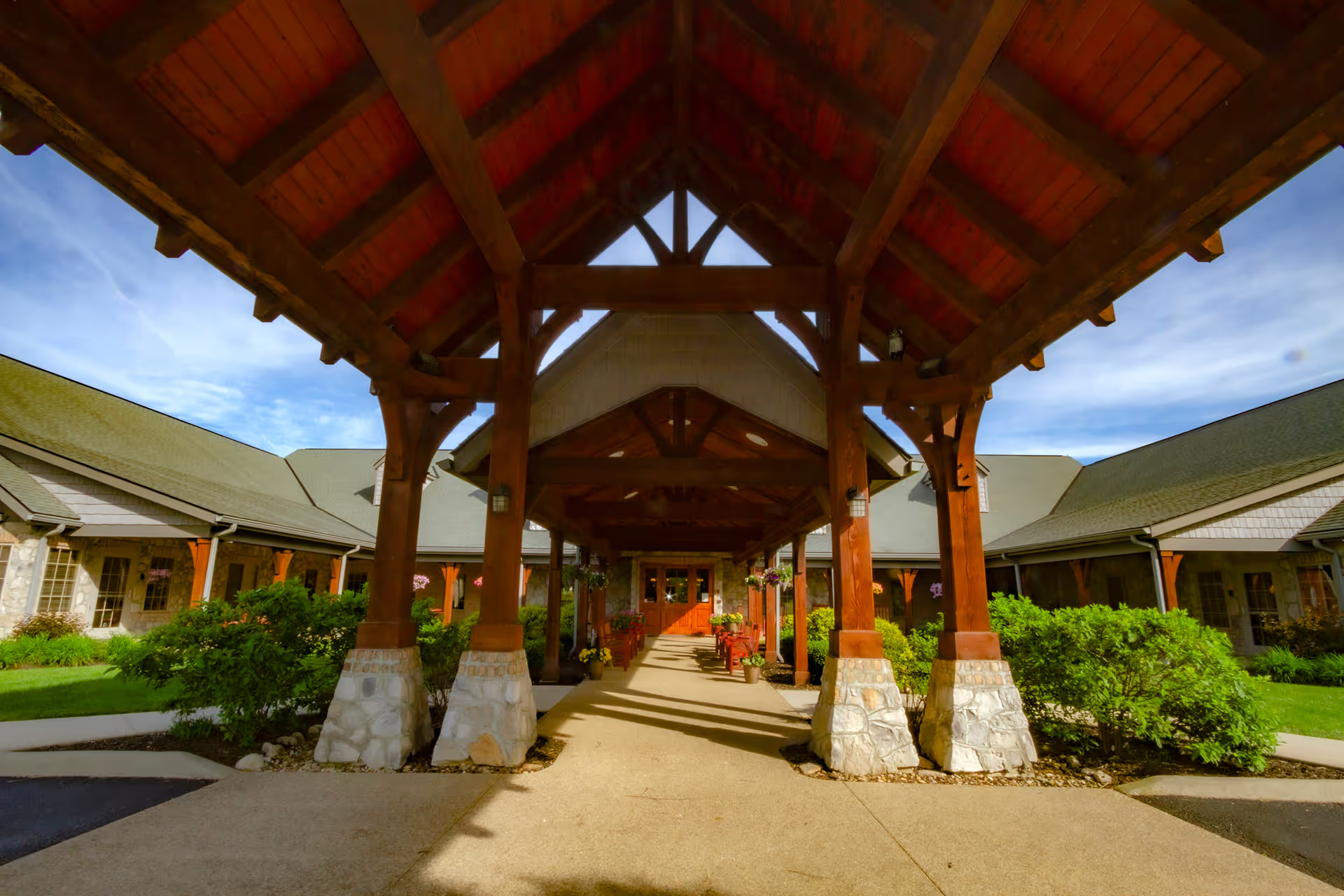
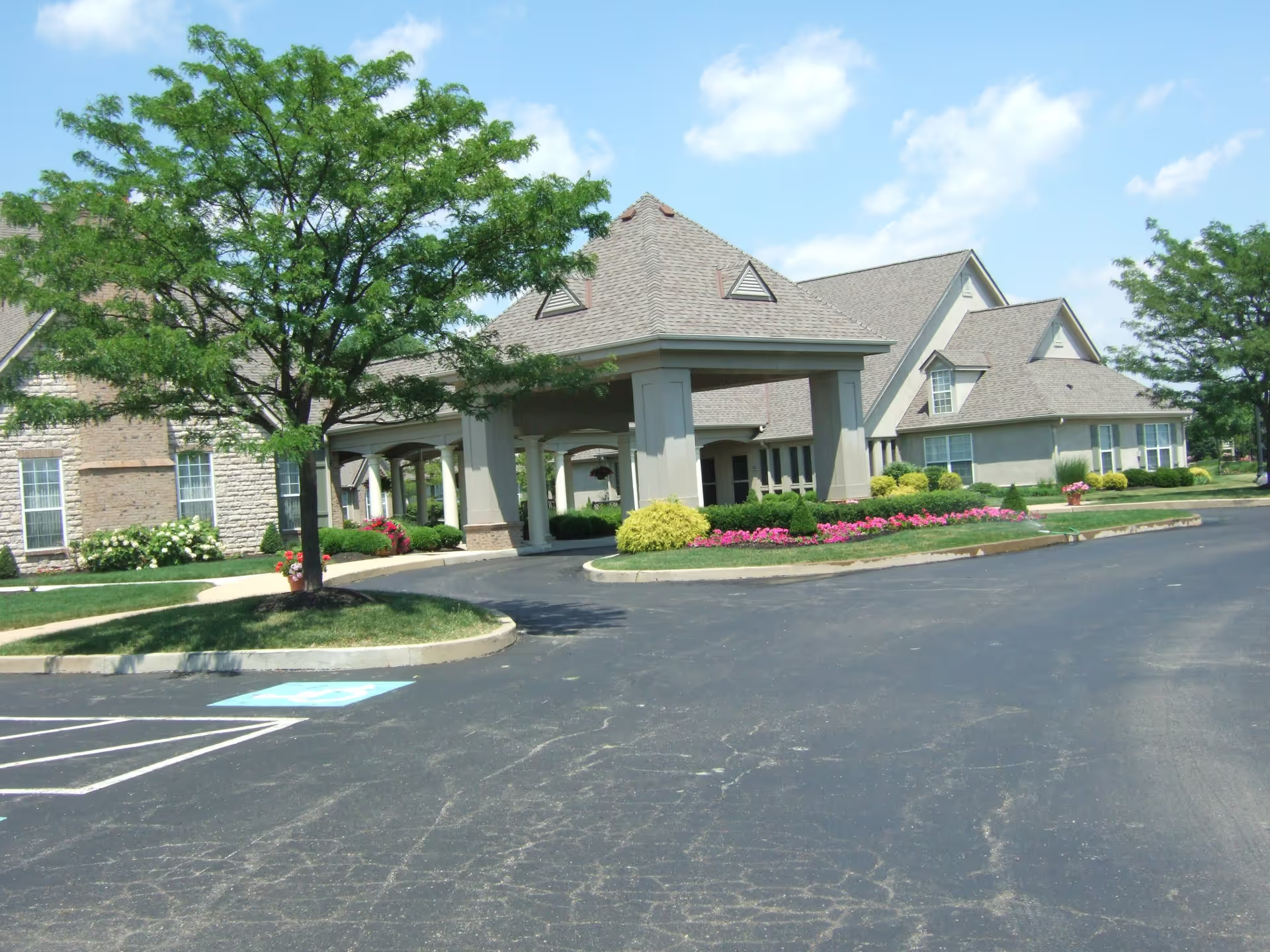
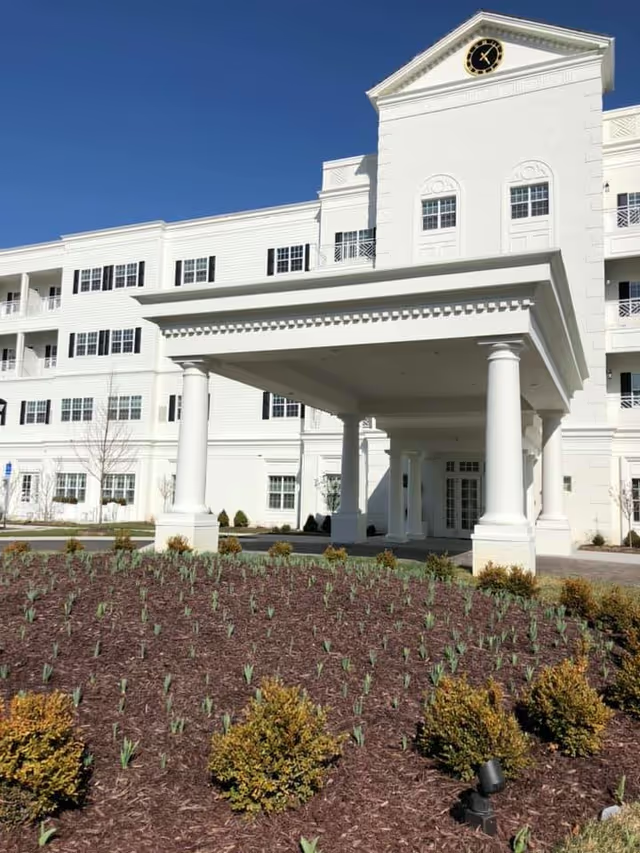
Facility condition and maintenance show both improvements and gaps. New ownership and management investments have produced fresh paint, carpeting, and updated common areas; private units are often described as spacious and well-appointed. Yet multiple accounts point to maintenance and security reliability issues — for example, door keypad malfunctions, broken blinds, and episodic sanitation or odor concerns in specific areas — and some reviewers report that certain parts of the building (notably portions of memory care) require deeper cleaning or updating. These mixed observations suggest improvement efforts are underway but not uniformly realized across the campus.
Management and administration are also a study in contrasts. Several families commend the executive director, communicative staff, and recent leadership vision; others recount billing disputes, unexpected fee increases, administrative turnover, and inconsistent follow-through on commitments. Incident response and family notification processes are another area of variability: some relatives describe prompt, transparent communication, while others cite delays or unsatisfactory resolutions following clinical or behavioral events. There are also isolated but significant safety-related concerns (elopement and wandering risk) that point to gaps in secure-unit procedures and monitoring systems.
In summary, Paramount Senior Living at Westerville offers many features families value — clinical staffing, therapy services, active programming, spacious units, and visible capital improvements — but the experience appears variable. The dominant patterns to probe during a tour are staffing stability (especially on weekends), response-time metrics for personal care calls, current security and maintenance status in memory care, clarity about fees and billing practices, and examples of how leadership addresses care-quality concerns. Prospective residents and families will benefit from targeted questions about staffing ratios, incident escalation protocols, recent remediation actions for maintenance or sanitation issues, and written documentation of any fee changes before admission.