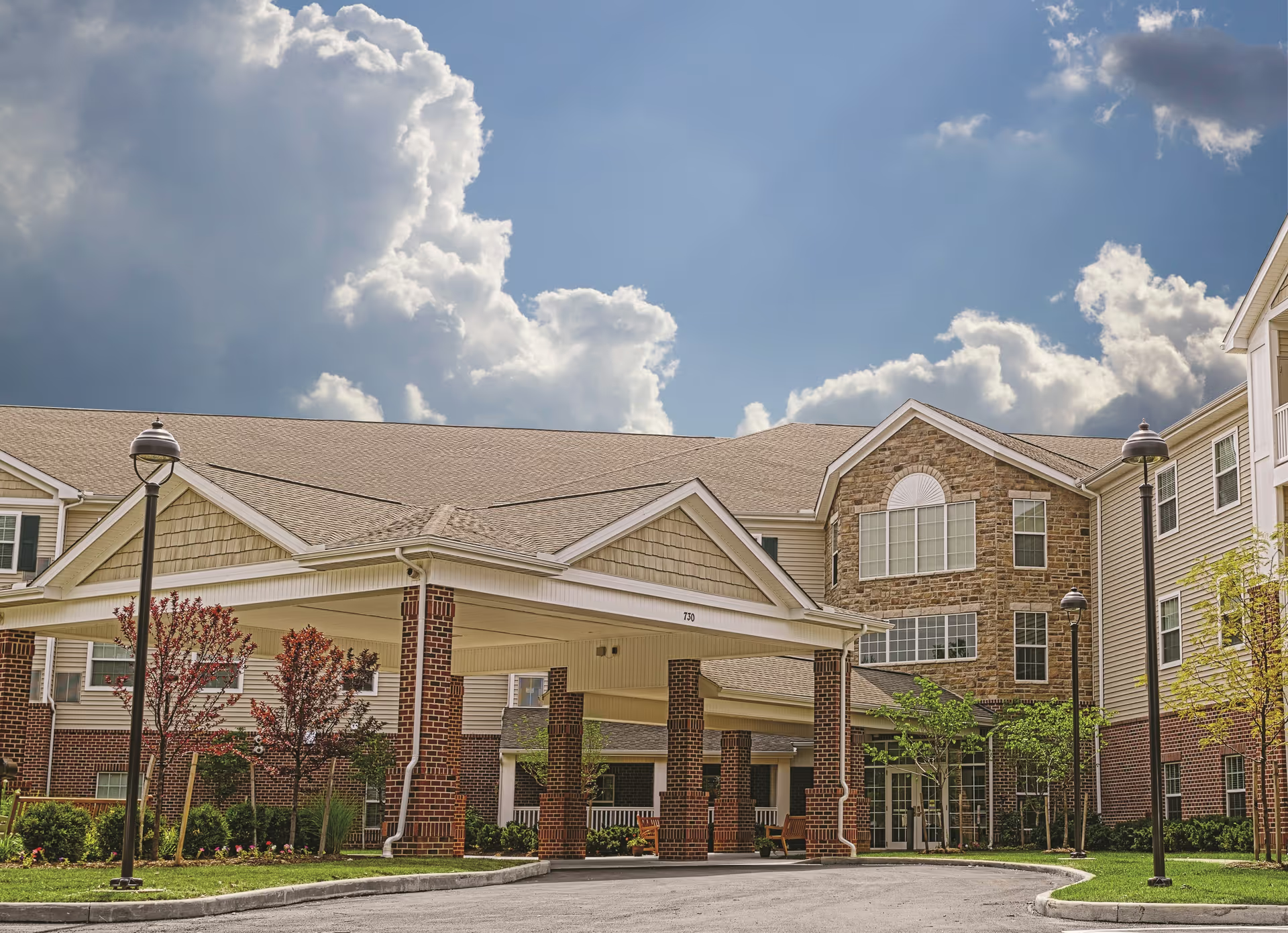
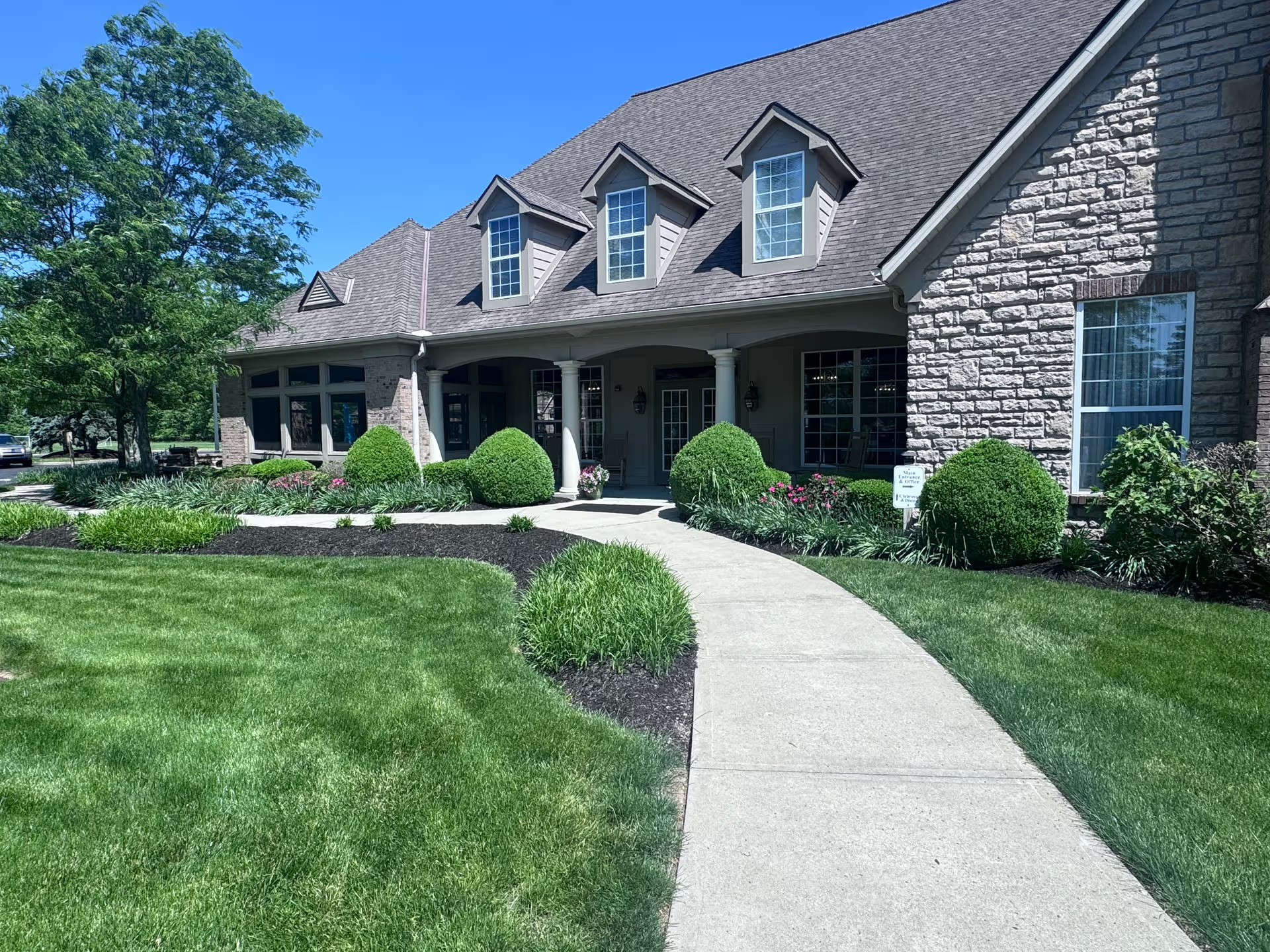
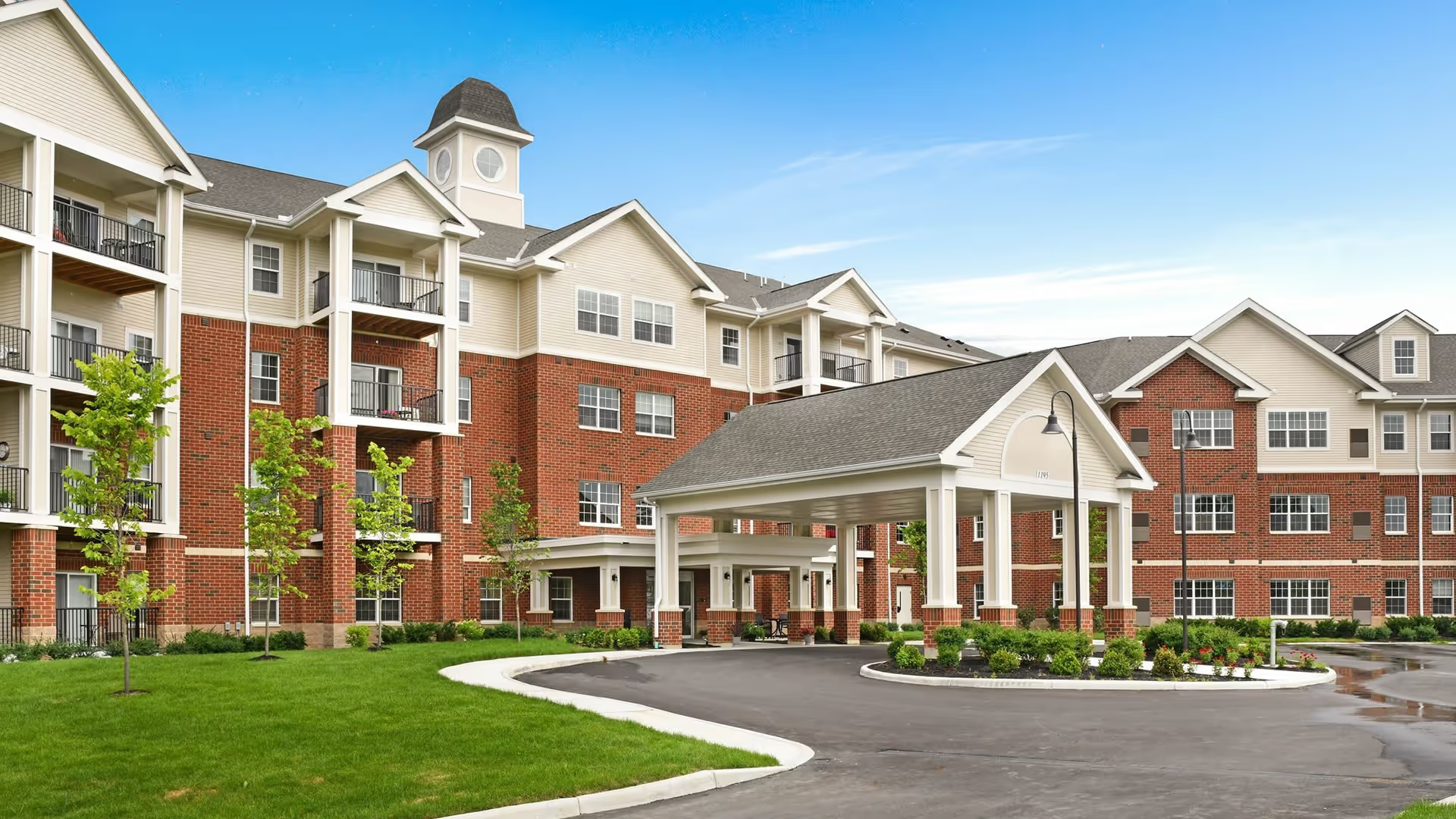
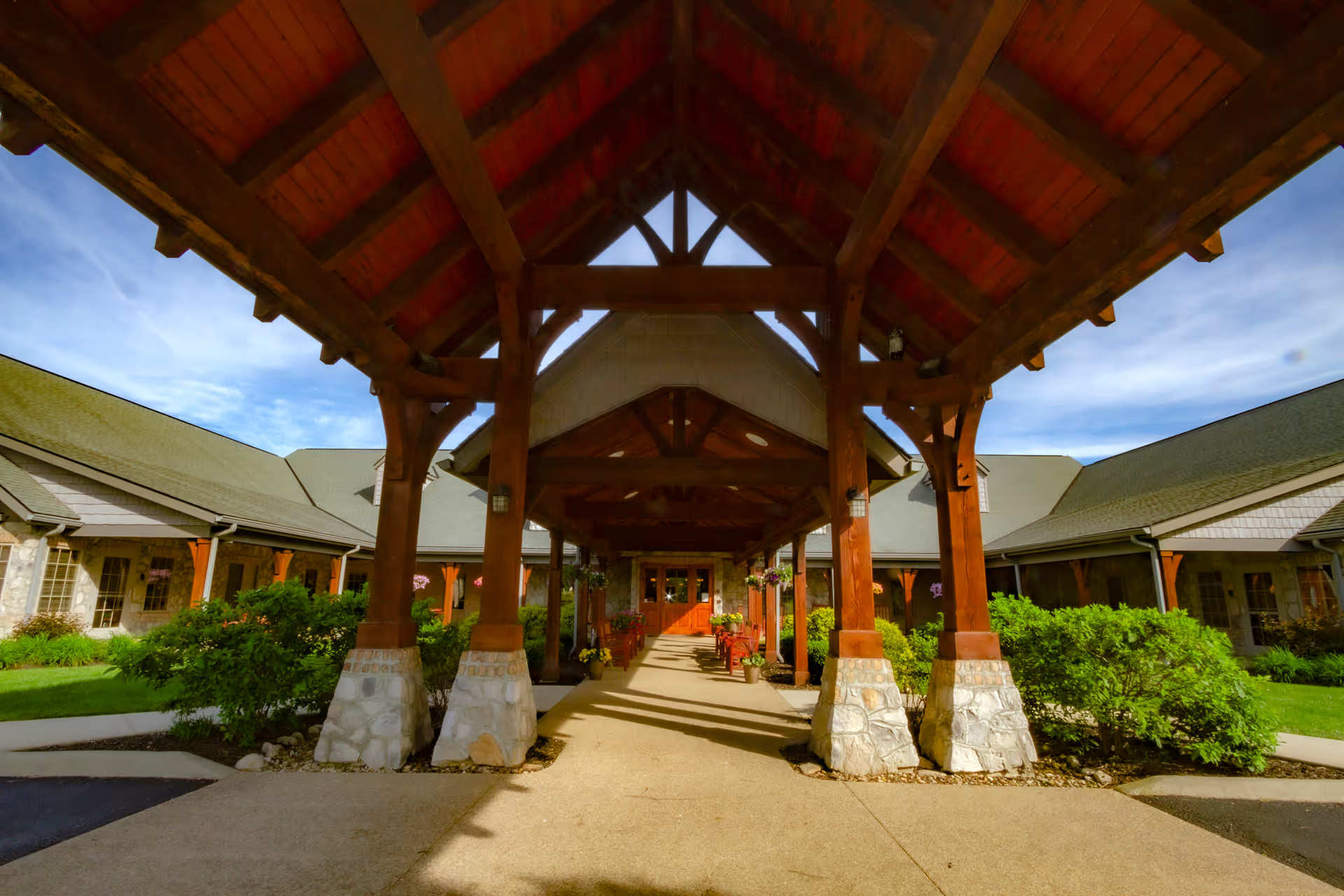
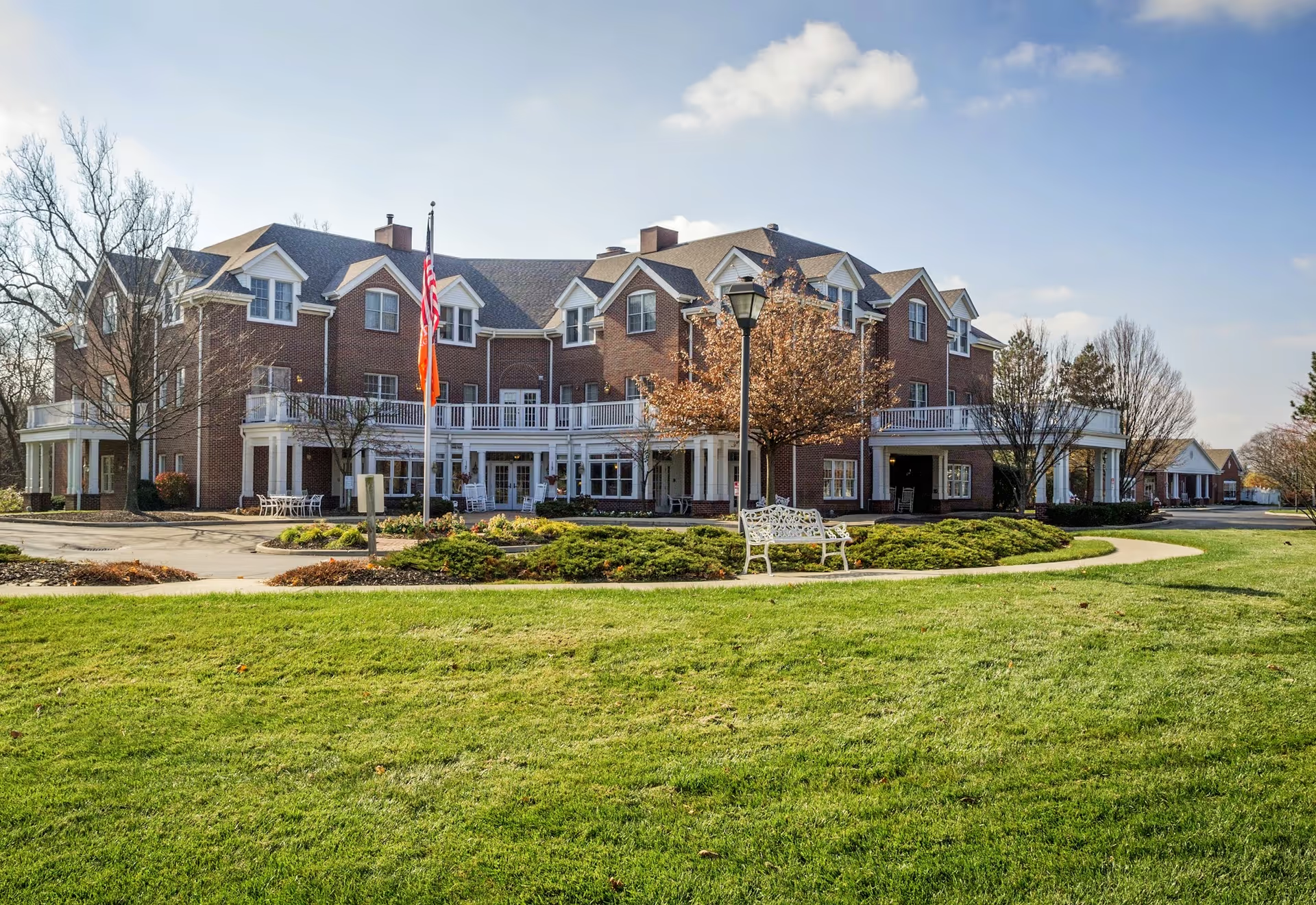
Overall impression: The Gables of Westerville is described across summaries as a modern, well-equipped senior living community that emphasizes a home-like environment, clinical resources, and an active social calendar. The physical plant is frequently noted as brand-new, bright, and well-kept, with multiple apartment sizes, personalization options, and resort-style amenities (salon, gym, theater, library, outdoor green space). Families commonly remarked on a smooth move-in experience and continuity of leadership, which supports an environment that many residents and relatives find comforting.
Care and staff: Clinical capability is a clear strength. Reviews highlight on-site clinical leadership (a Nurse Practitioner and confident Director of Nursing), responsive nursing teams, and on-site physical and occupational therapy. Several comments reference coordinated care with primary and specialty physicians, hospice collaboration, and staff who learn residents' names and preferences. That said, there are recurring operational concerns: understaffing is cited as a cause of delayed tasks and service gaps, and some reviewers described inconsistent staff conduct or communication tone. In memory-care areas, reviewers described a perception of limited staff–resident interaction and a more clinical atmosphere; prospective families should ask specifically about engagement strategies and staffing ratios in memory care.
Dining: Dining is generally praised for chef-prepared, restaurant-style meals and an inviting dining area; many families called the food a highlight. However, the dining program also shows operational vulnerabilities: a mandatory meal-plan policy and ancillary fees apply, and some accounts describe intermittent menu shortages, cold meals, or cafeteria staffing pressures. Prospective residents should clarify current meal-plan costs, what's included, and how the community manages meal-service continuity during staffing fluctuations.
Activities and resident life: Activity programming is consistently reported as robust and varied — daily crafts and classes, baking activities, manicures, movie theater showings, happy hours, putting green, field trips, and small-group options. The activities director receives particular praise for engagement and programming. Reviewers portray a socially active community with residents who are welcoming and supportive.
Facilities and operations: The facility’s new construction and layout (single-level, spread-out campus) are strengths for accessibility and aesthetics. Unit sizes, especially one-bedrooms, are noted as roomy, though some studios were described as tight for two occupants. While many reviews describe high cleanliness standards, there are isolated but important operational issues: maintenance responsiveness (leaking fixtures, lift-button failures), limited ability to open windows in some units (ventilation limitation), and transport vehicle maintenance concerns. These are traits that affect daily comfort and safety and warrant specific questions during a tour.
Management, fees, and availability: Continuity of management and an informative onboarding/tour experience are positive patterns. Conversely, some families raised concerns about staff professionalism and management responsiveness in a few cases; others noted an $8,000 nonrefundable community fee and generally high pricing or wait-list delays. Availability can be constrained, and there have been instances requiring urgent placement. Prospective residents should request clear written explanations of fees, cancellation policies, current wait-list status, and staffing plans.
Bottom line and suggested inquiries: The Gables of Westerville appears to offer strong clinical resources, engaging programming, chef-driven dining, and modern, comfortable living spaces. The most consistent operational concerns relate to staffing levels, meal-service reliability, maintenance responsiveness, and certain memory-care engagement practices. Families touring the community should ask about current staffing ratios (including memory care), meal-plan inclusions and contingency plans, maintenance response times, transport-vehicle safety checks, ventilation in specific units, and any nonrefundable or ancillary fees to evaluate fit for their needs.