Overall impression: Reviewers consistently portray the facility as a small, home-like setting that provides attentive, Alzheimer’s-focused care. Families emphasize the individualized, hands‑on approach to daily assistance and the emotional reassurance that comes from stable, long‑term caregiving relationships. The facility's atmosphere is described as clean, orderly, and comfortable; many comments highlight respectful, professional staff who address family concerns and help with the transition process.
Care and staff: Care quality is presented as a central strength. Caregivers are described as attentive, compassionate, and experienced with memory‑care needs; low staff turnover and a favorable staff‑to‑resident ratio are cited as contributors to consistent relationships and continuity of care. Management responsiveness and a willingness to educate families about alternatives to larger nursing homes are additional strengths. At the same time, reviewers indicate operational limits to clinical coverage: there are gaps in on‑site nursing availability and reliance on on‑call arrangements, which some families felt could affect responsiveness during more acute health events.
Dining and activities: Dining is generally seen as nutritious and prepared with attention from aides who will supplement or adapt meals as needed. However, there are recurring comments about portion sizes being small and menus becoming repetitive over extended periods. Activity programming is described as individualized and meaningful — crafts, outdoor time, and one‑to‑one engagement are emphasized — but the operation lacks a dedicated full‑time activity director and places greater emphasis on personalized interactions than on larger group programming. The small scale of the home supports customized attention but also limits opportunities for broader socialization that larger facilities can provide.
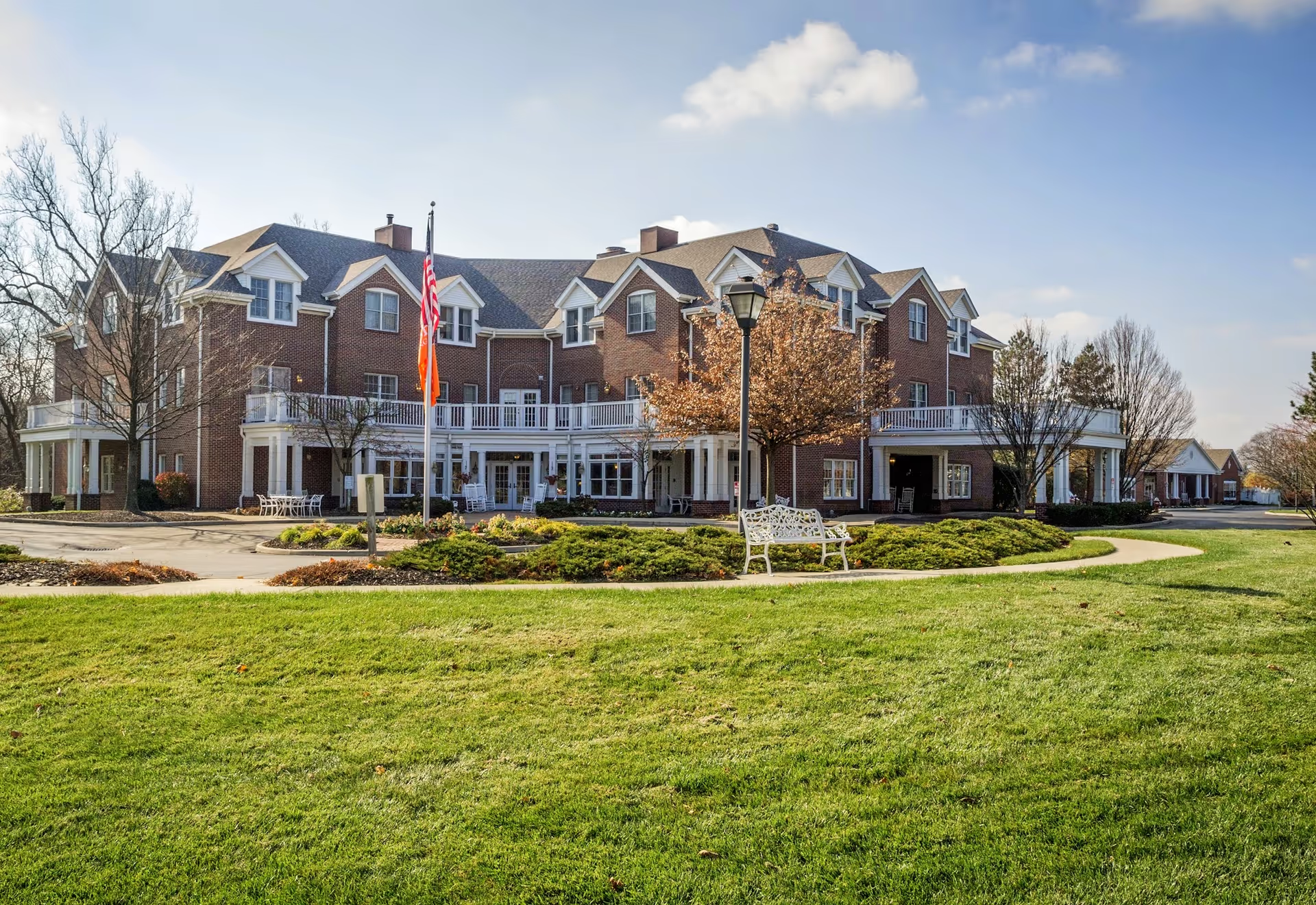
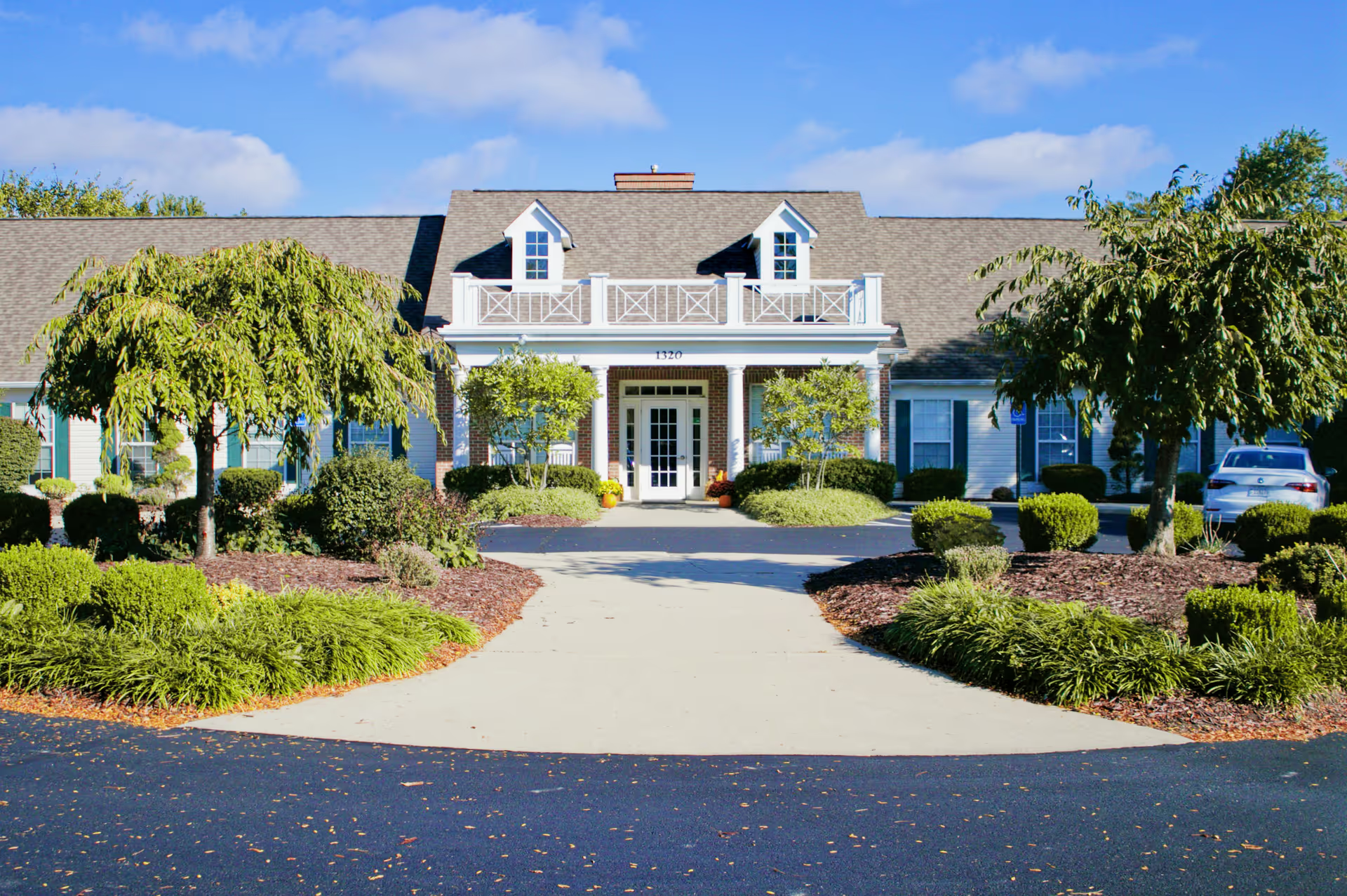
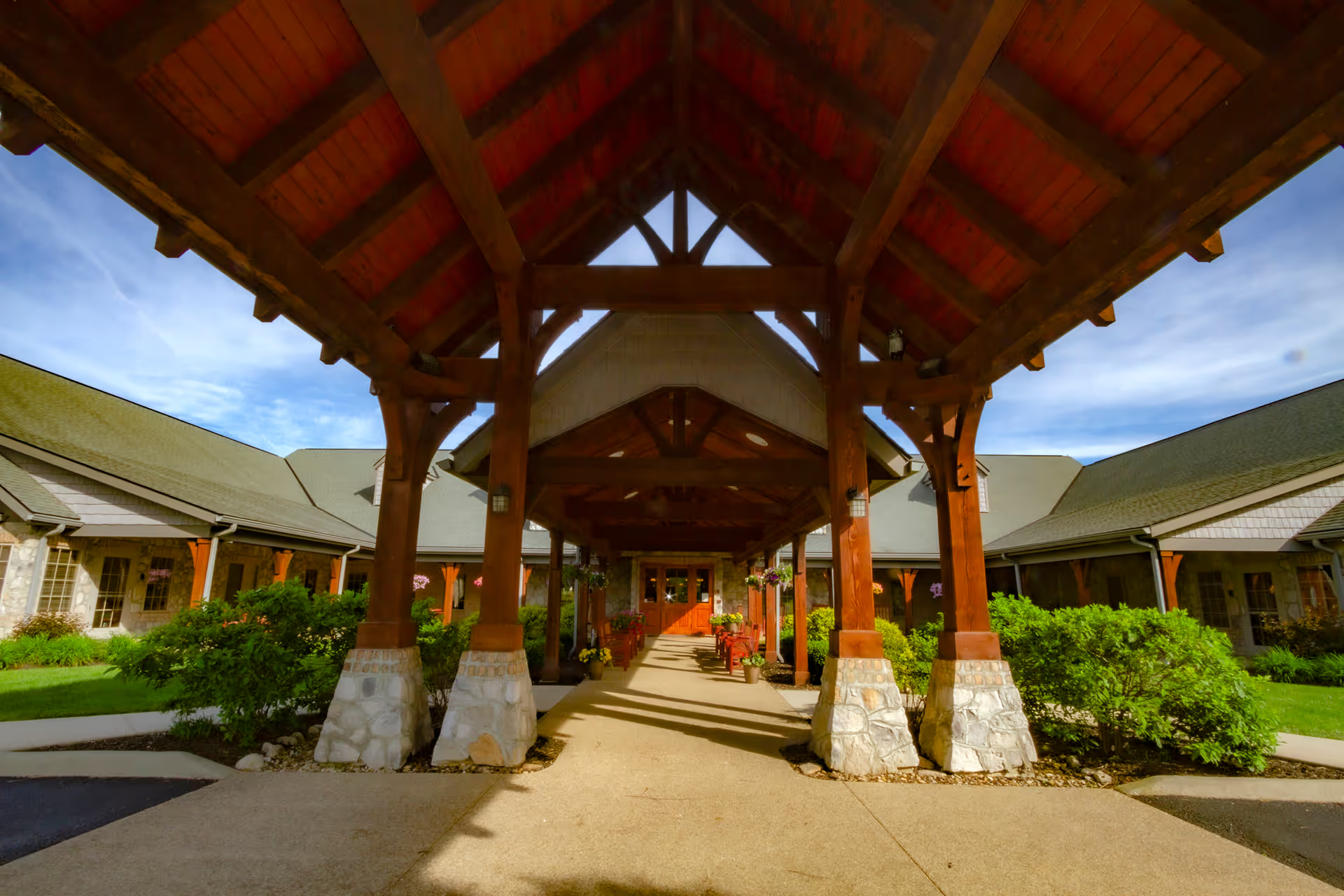
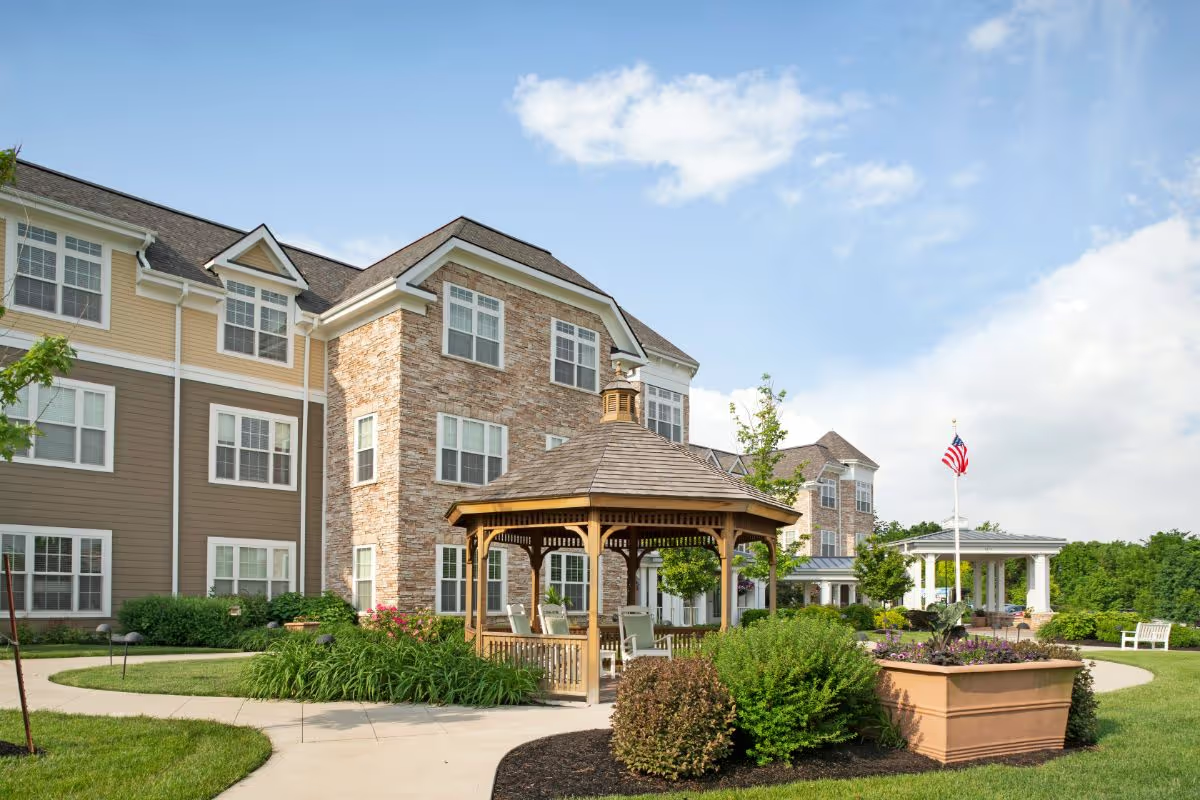
Facilities and layout: The residence is repeatedly praised for its cleanliness and home-like appearance. Families note that common areas and visibility are constrained by the building layout, which can reduce cross‑room sightlines and limit passive supervision or larger communal gatherings. Outdoor access and small-group outings are mentioned positively, but the home's physical scale is a trade‑off: it fosters intimacy while restricting the variety of on‑site social options.
Management and notable patterns: Management and staff responsiveness, including prompt attention to concerns and clear family communication, are prominent strengths. Reviewers commonly express peace of mind and a positive transition experience when placing a loved one. The most consistent operational gaps relate to clinical staffing during off hours, limited formal activity staffing, and dining variety/portioning. Additionally, location is a practical constraint for some families due to travel distance. Prospective residents and families should weigh the benefits of personalized, consistent memory‑care in a small setting against the limitations in clinical coverage, activity staffing, and scale of social programming.