Grandwood Assisted Living presents a mixed but largely positive picture with several clear strengths alongside some operational risks families should evaluate. Strengths that recur in feedback include a resident-centered culture, family-focused orientation, low staff turnover, and experienced nursing personnel. Many comments highlight compassionate, personalized caregiving and administrators who are approachable, which contribute to reported improvements in some residents' health and a general sense of peace of mind for families.
Care quality is described in polarized terms. Positive accounts emphasize dignity-focused oversight, thoughtful attention by nursing staff, and individualized care plans that support resident well‑being. However, there are meaningful concerns about management of cognitive decline for some residents: a pattern of variable dementia-care effectiveness has been noted. This suggests that dementia-specific programming, clinical oversight, and monitoring may be more effective for some residents than others. Prospective families should clarify the facility's dementia-care protocols, staff training, and reassessment procedures during a tour.
Staff and management receive both praise and criticism. Many reviewers commend staff kindness, professionalism, responsiveness, and the presence of caring administrators. At the same time, there is evidence of inconsistent administrative communication and professionalism; isolated accounts describe confrontational interactions. Families may wish to ask about the leadership structure, communication channels for concerns, and escalation procedures to understand how the facility handles disagreements and family inquiries.
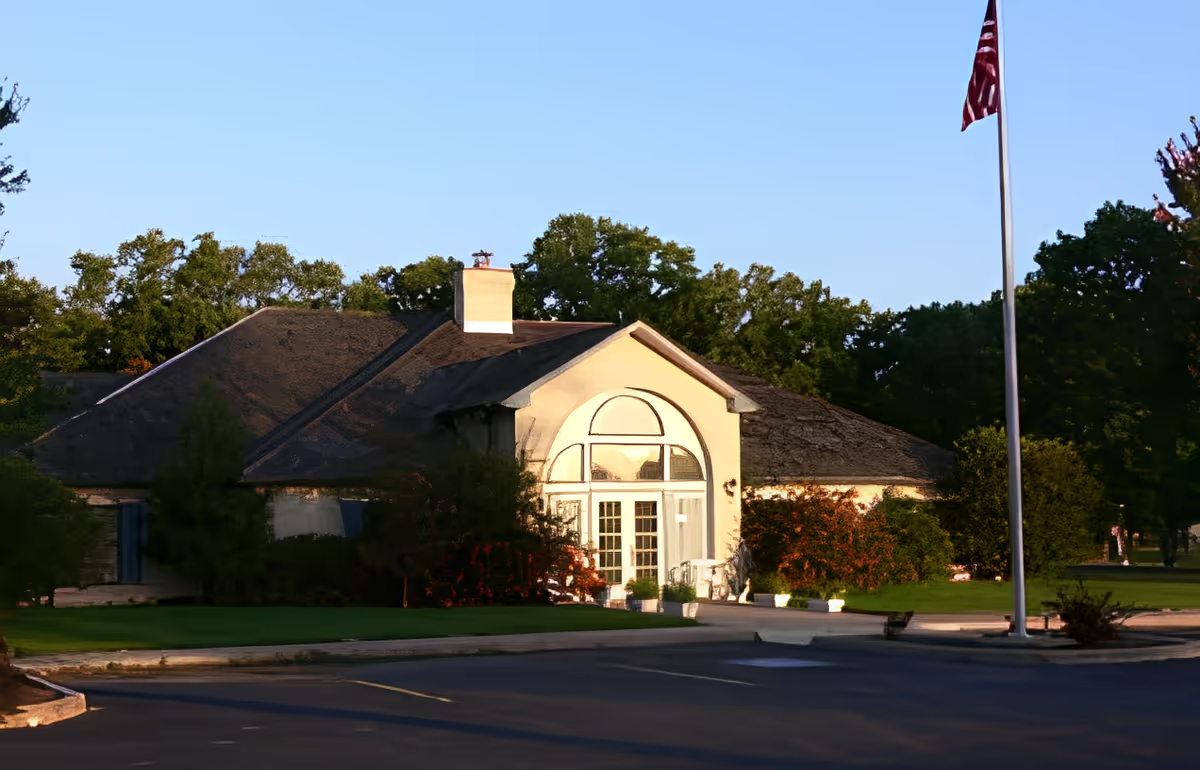
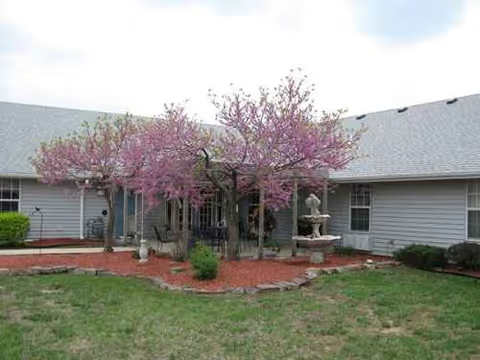
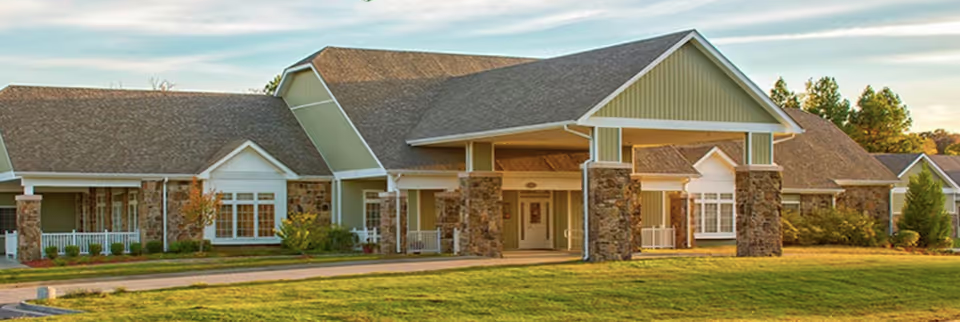
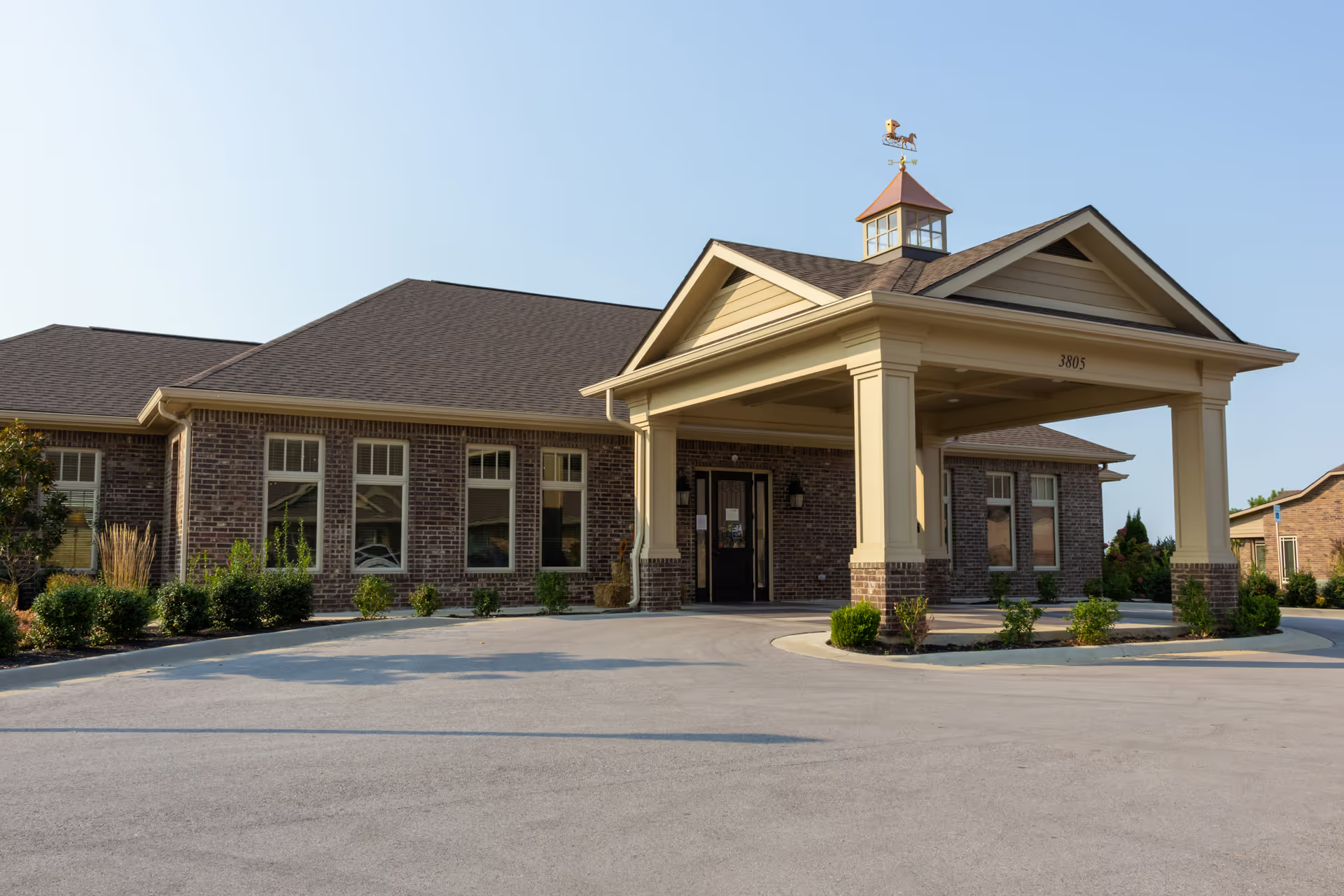
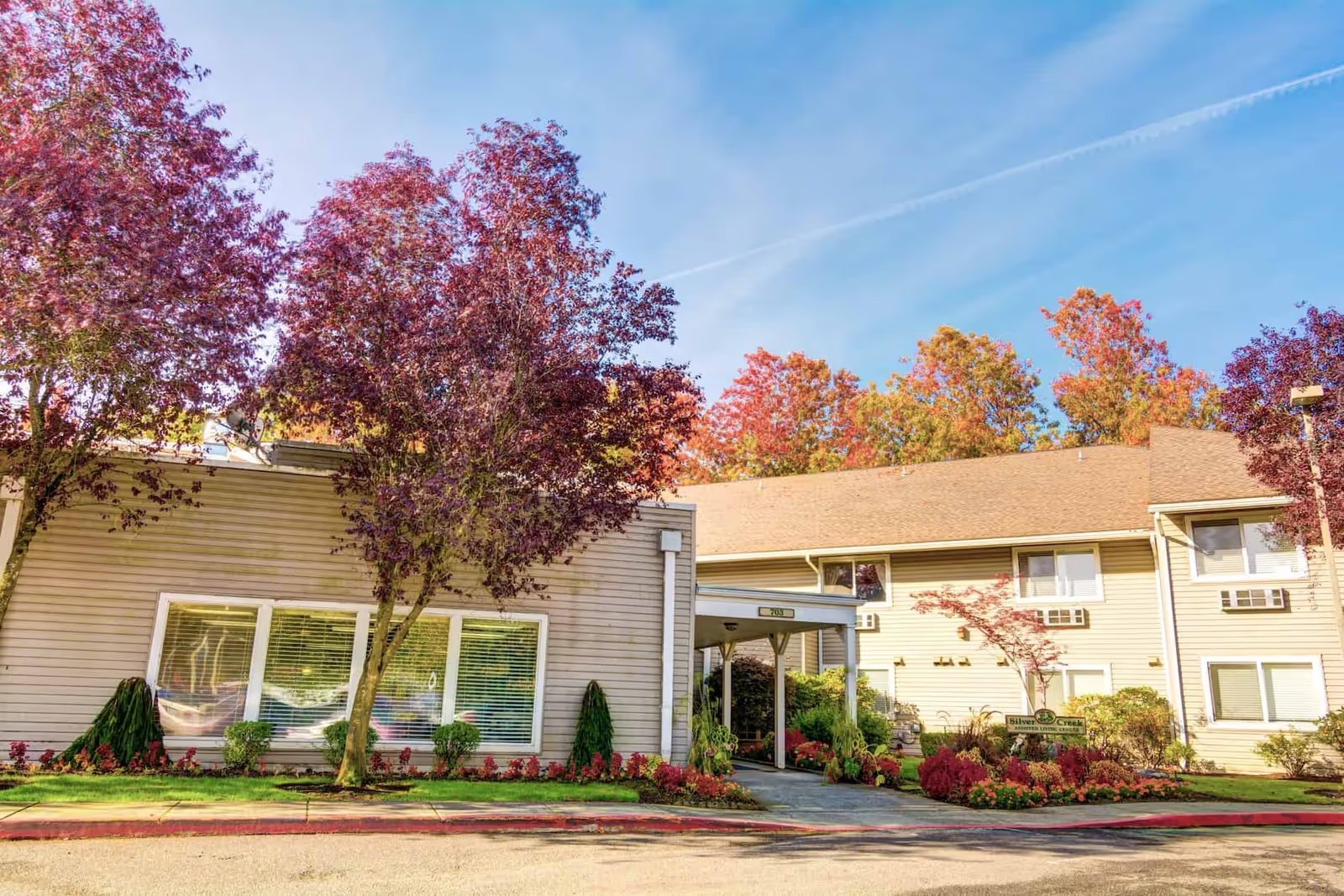
Facilities and programming are generally viewed positively: rooms are described as clean and well maintained, the site is attractive, and activity programming is inclusive and supportive of resident dignity. Reviewers did not provide detailed feedback about dining or menu quality, so dining services are an information gap; prospective residents should request sample menus, inquire about accommodations for special diets, and observe a mealtime when possible.
Operationally, there are specific process weaknesses to note. Several accounts indicate lapses in personal-property controls and inventory procedures, including problems with return of belongings. Relatedly, concerns about abrupt discharge and transition protocols point to potential gaps in how the facility manages relocations or terminations of residency. These are operational traits rather than single incidents; families should request written policies on personal property handling, discharge/transfer procedures, and grievance resolution, and confirm how documentation and inventories are managed.
In summary, Grandwood appears to offer a compassionate, well‑maintained environment with engaged nursing staff and a family-oriented approach, but it also demonstrates variability in dementia-specific care, administrative consistency, and property/transition processes. A careful tour, discussions with current residents and families, and review of written policies on dementia care, staffing ratios, property handling, and discharge procedures will help prospective residents assess fit and risk.