Overall impression: Reviewers describe a community with clear clinical strengths and a committed caregiving team alongside operational and facilities-related weaknesses. Families commonly highlight the compassion and attentiveness of direct-care staff, on-site nursing coverage, and coordinated medication and physician oversight. At the same time, the physical plant and some operational practices drew repeated comments indicating areas for improvement.
Care and staff: The facility is consistently praised for caring, personable staff who engage residents, facilitate family communication, and support transitions. Nursing and housekeeping are frequently described as top‑quality, with positive outcomes reported for rehabilitation and physical therapy. Reviewers also noted staff initiatives during the COVID period to enable remote visits and maintain family contact. However, there are recurring concerns about variable staffing levels and occasional issues with staff conduct or communication tone that can affect perceived dignity and responsiveness. Prospective families should ask about staff-to-resident ratios, turnover, and procedures for addressing conduct concerns.
Dining and services: Dining is offered in a restaurant-style model with three meals daily and menu options; many families praised the nutritious selections and restaurant setup. At the same time, meal quality was inconsistent across reports — some reviewers found the food excellent while others described frozen or unpalatable preparations. Housekeeping, laundry, and on-site services such as a beauty shop and chapel are generally seen as strengths. Clarify meal sourcing, sample menus, and accommodation for special diets during a visit.
Activities, memory care, and therapies: The community offers group activities, outings, and transportation for appointments and shopping. Reviewers appreciated inclusive programming and efforts to draw residents into communal life. Conversely, activity breadth and frequency were described as limited in some instances (examples cited include a narrow set of recurring events). Memory care is available, but some families felt parts of the facility had an institutional or nursing‑home feel rather than a homelike environment; ask how the memory-care neighborhood is designed and staffed if that is a requirement.
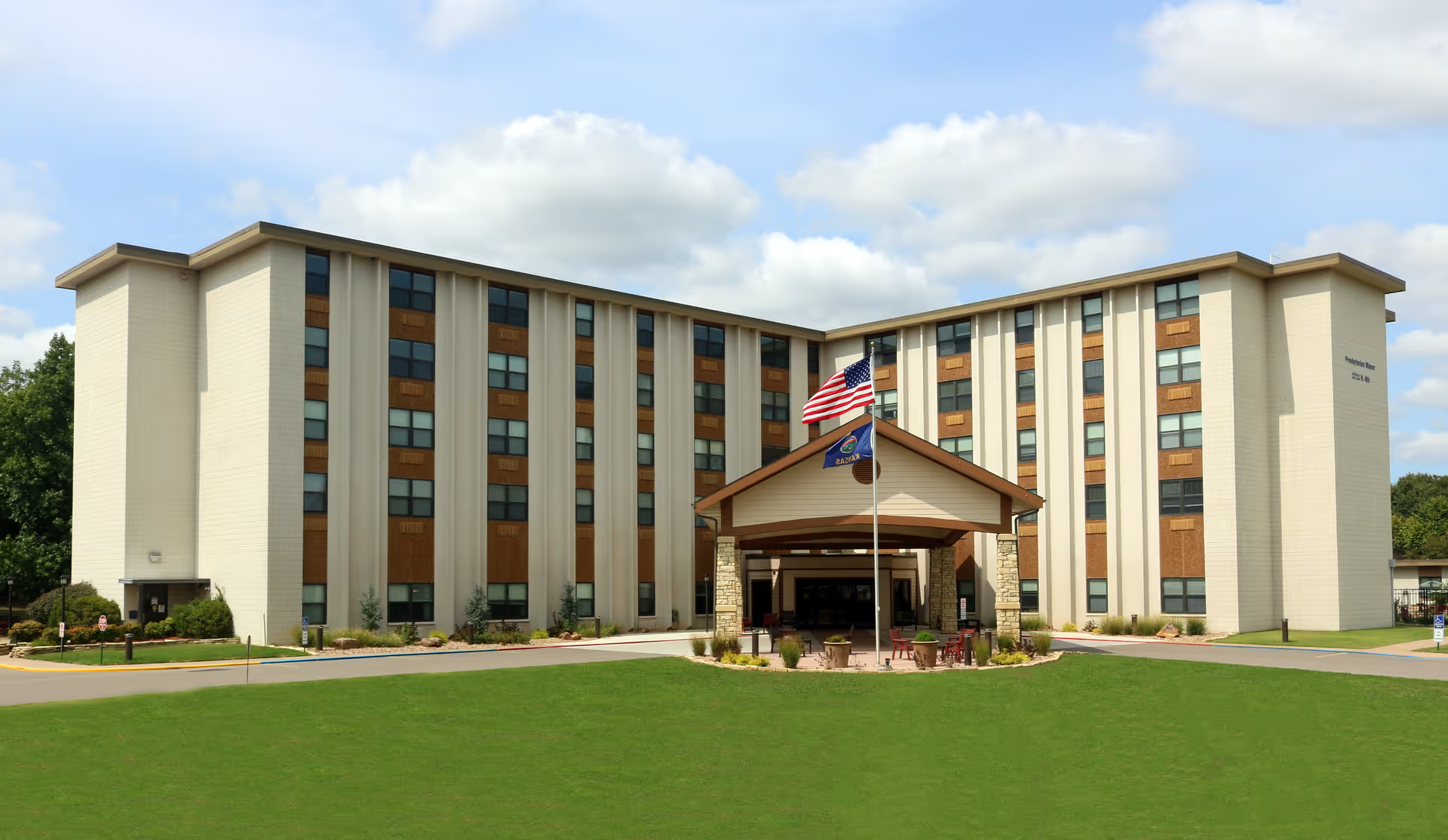
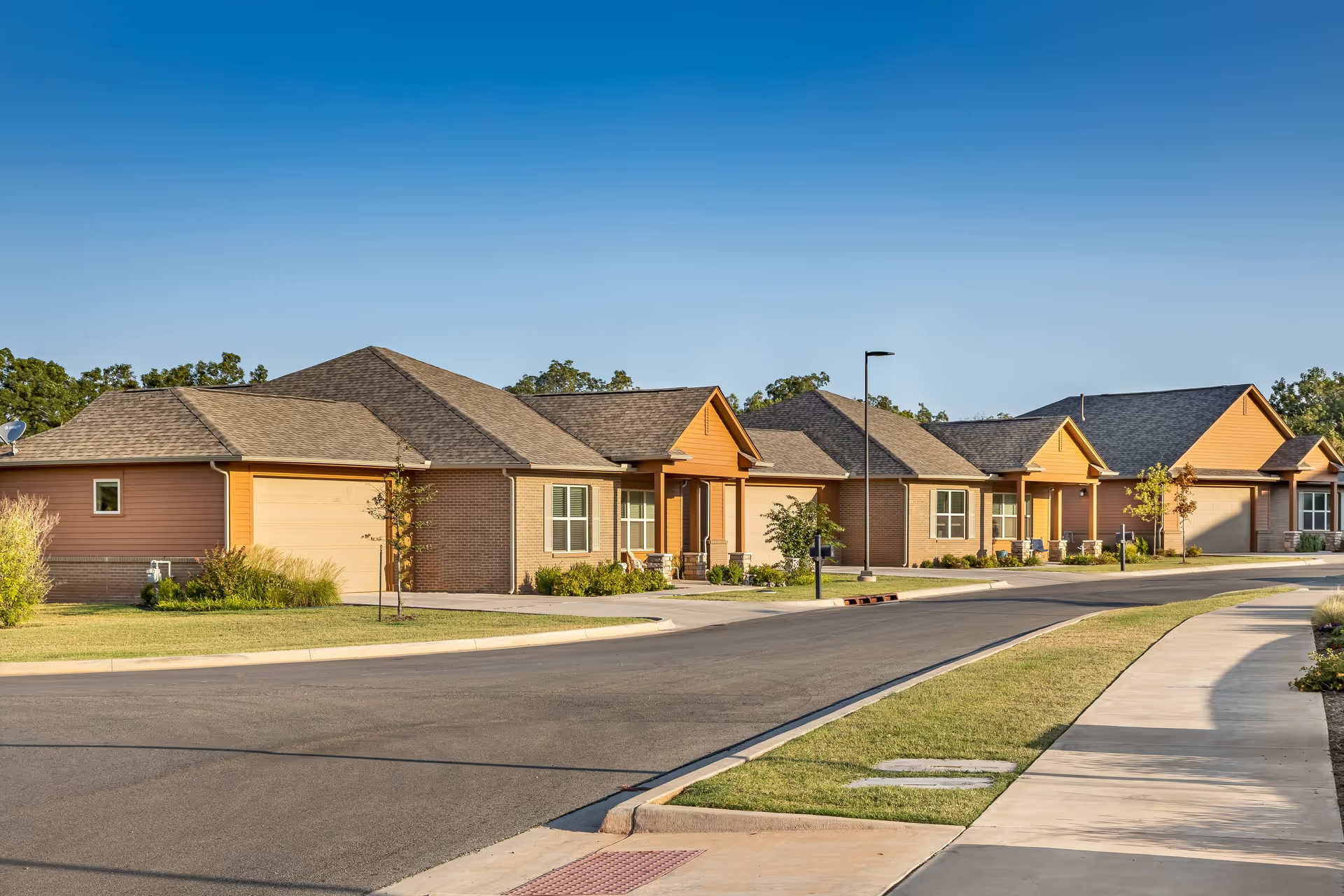
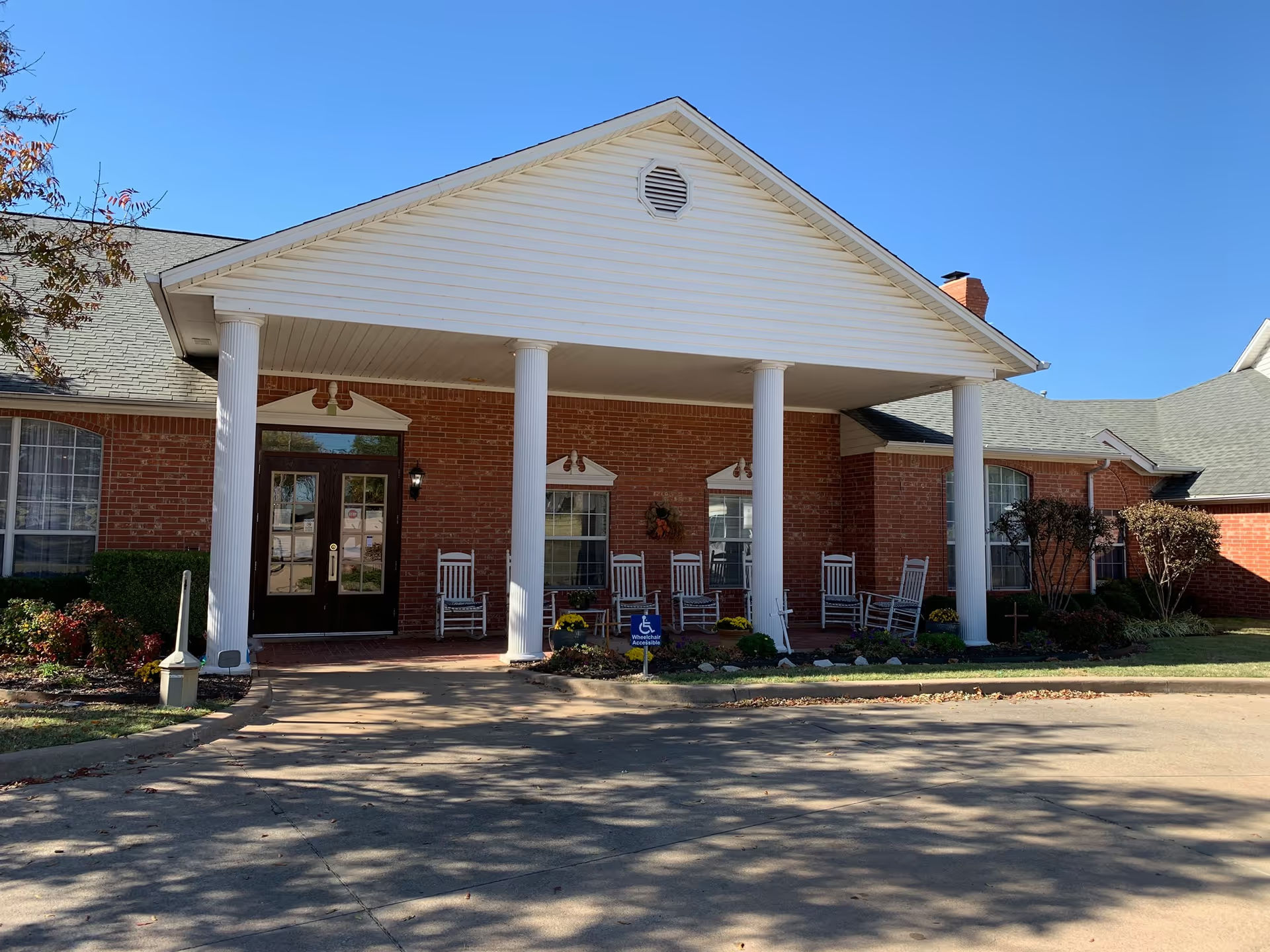
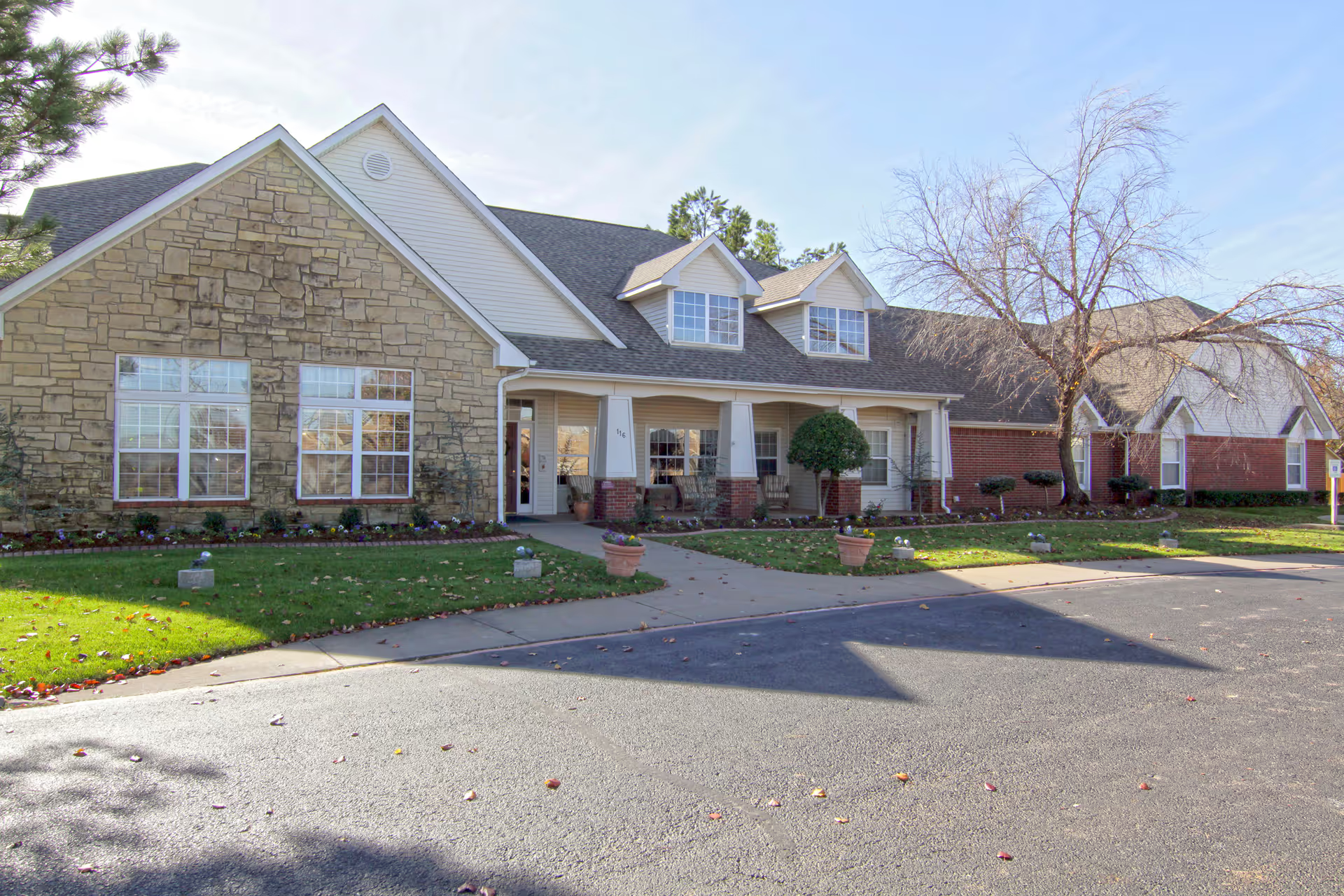
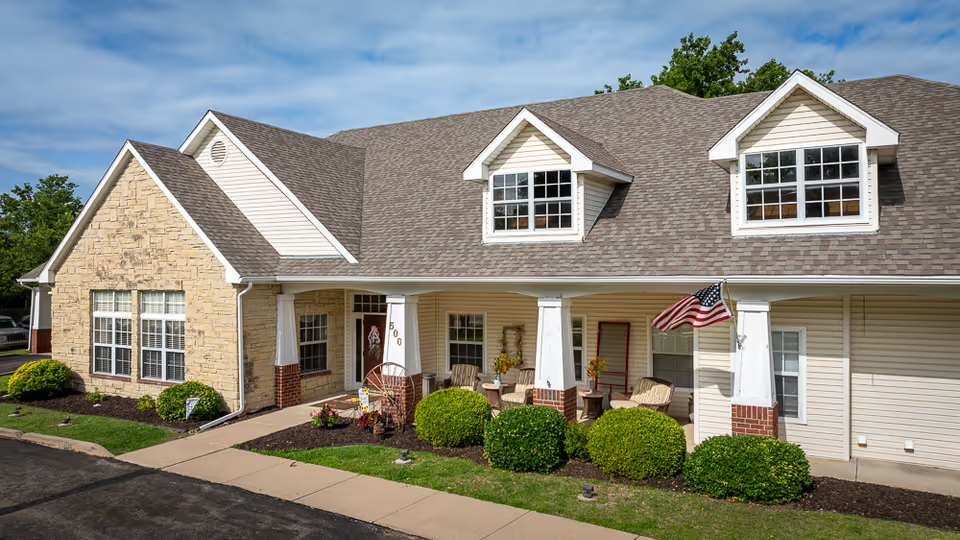
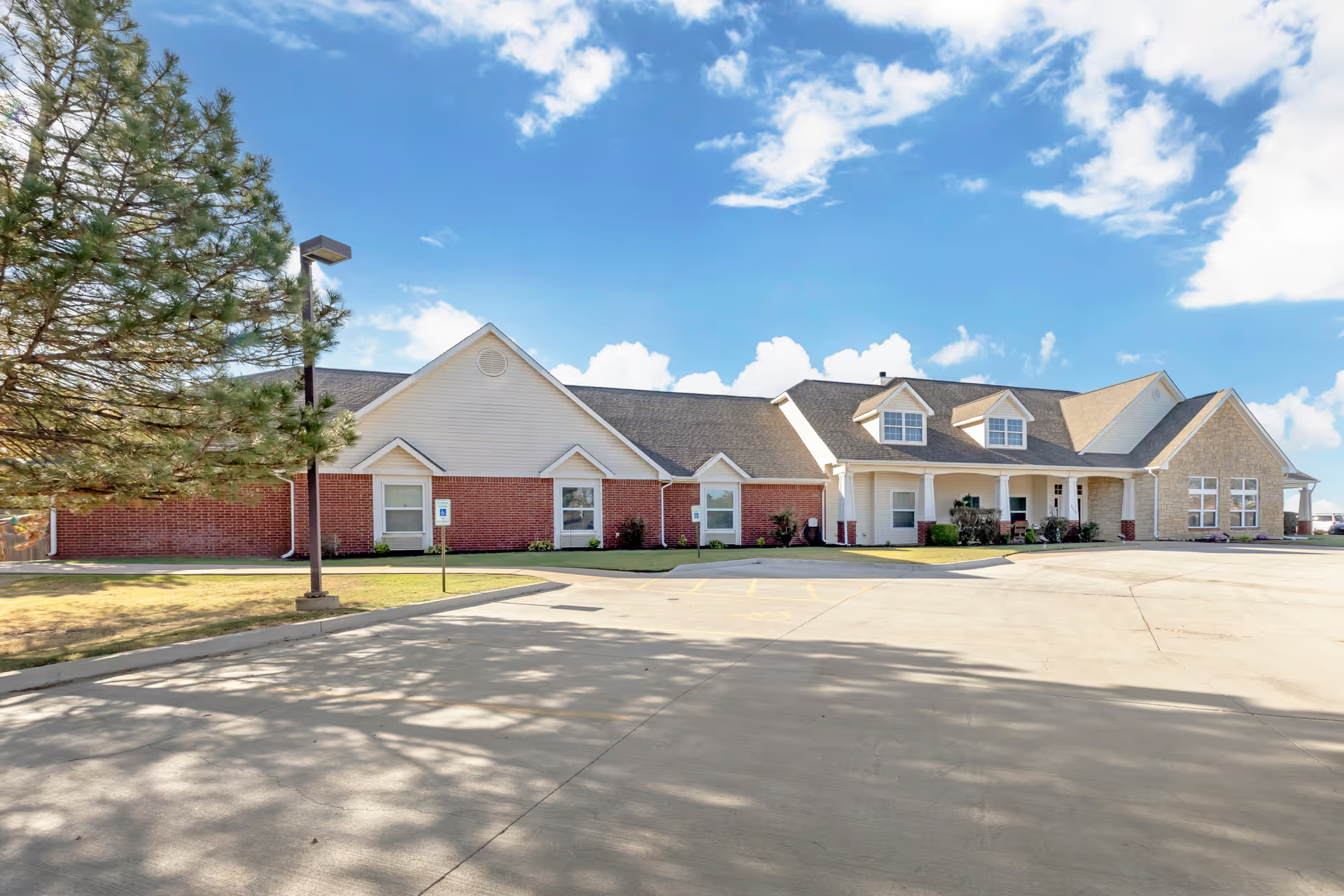
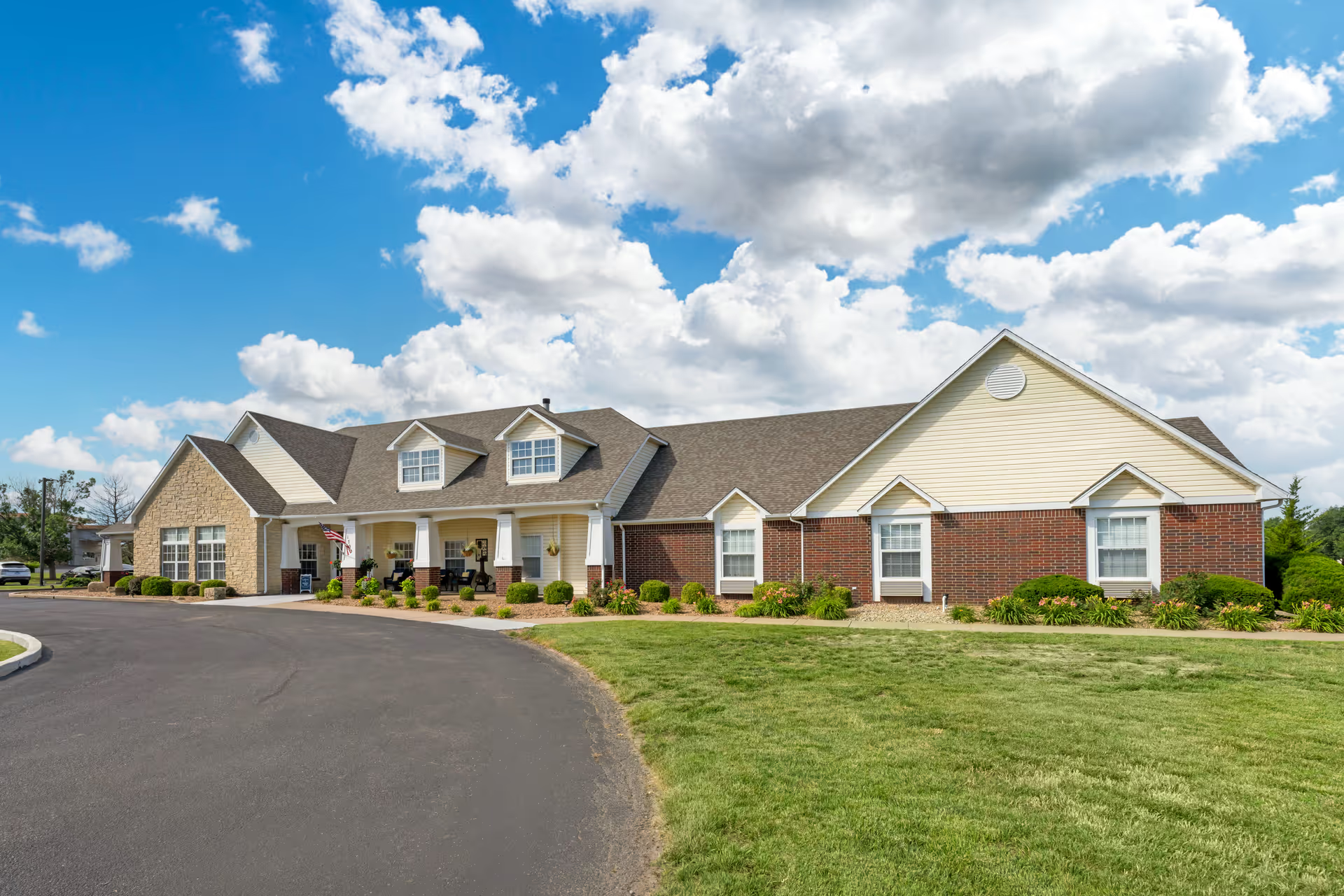
Facilities, accessibility, and management: Physical impressions vary — many noted clean, attractive common areas, comfortable apartments, and outdoor patios, while others described dated finishes, kitchens, and bathrooms that would benefit from modernization. Accessibility concerns include independent-living units located separately from the main building (creating difficult walks in poor weather), parking that can be distant from entrances, and occasional operational issues such as visitor-parking use by staff or a rushed move-out process. Cost is frequently mentioned; the community is viewed as on the higher end of local pricing with periodic increases. Ask for a walk-through of proposed apartment options, parking/entry logistics, and a transparent fee schedule.
Notable patterns and recommendations: The dominant positive themes are strong direct care, cleanliness, and on-site clinical resources. The dominant negatives are facility-age, inconsistent food and activity programming, variable staffing/response times, and accessibility/administrative friction. A targeted tour that includes a meal sampling, observation of activity programming, review of staffing levels, and inspection of the specific apartment unit under consideration will help families gauge fit. Request written policies on staffing ratios, behavior/communication standards, meal planning, transportation schedules, and fee escalation to resolve the most commonly raised concerns.