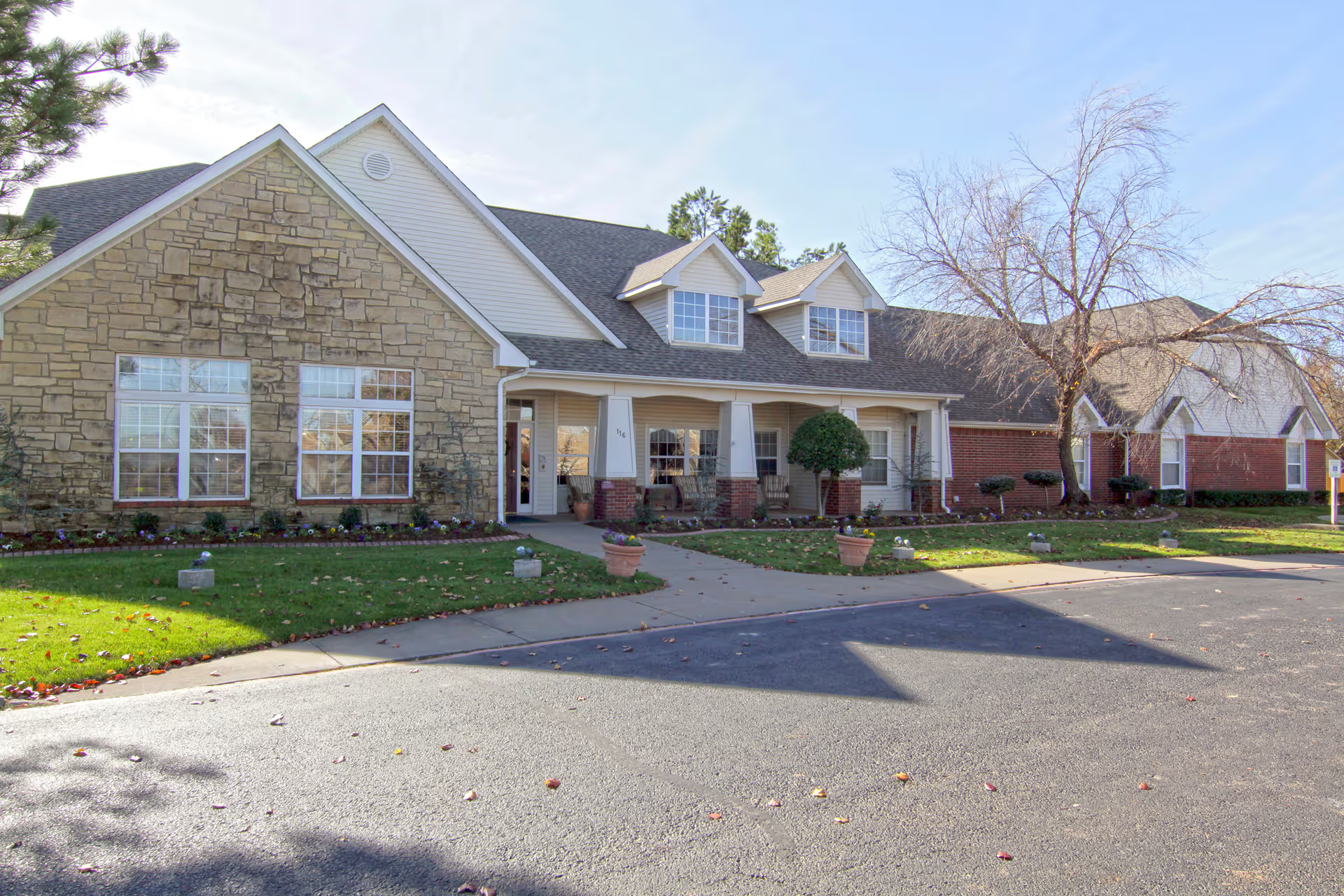
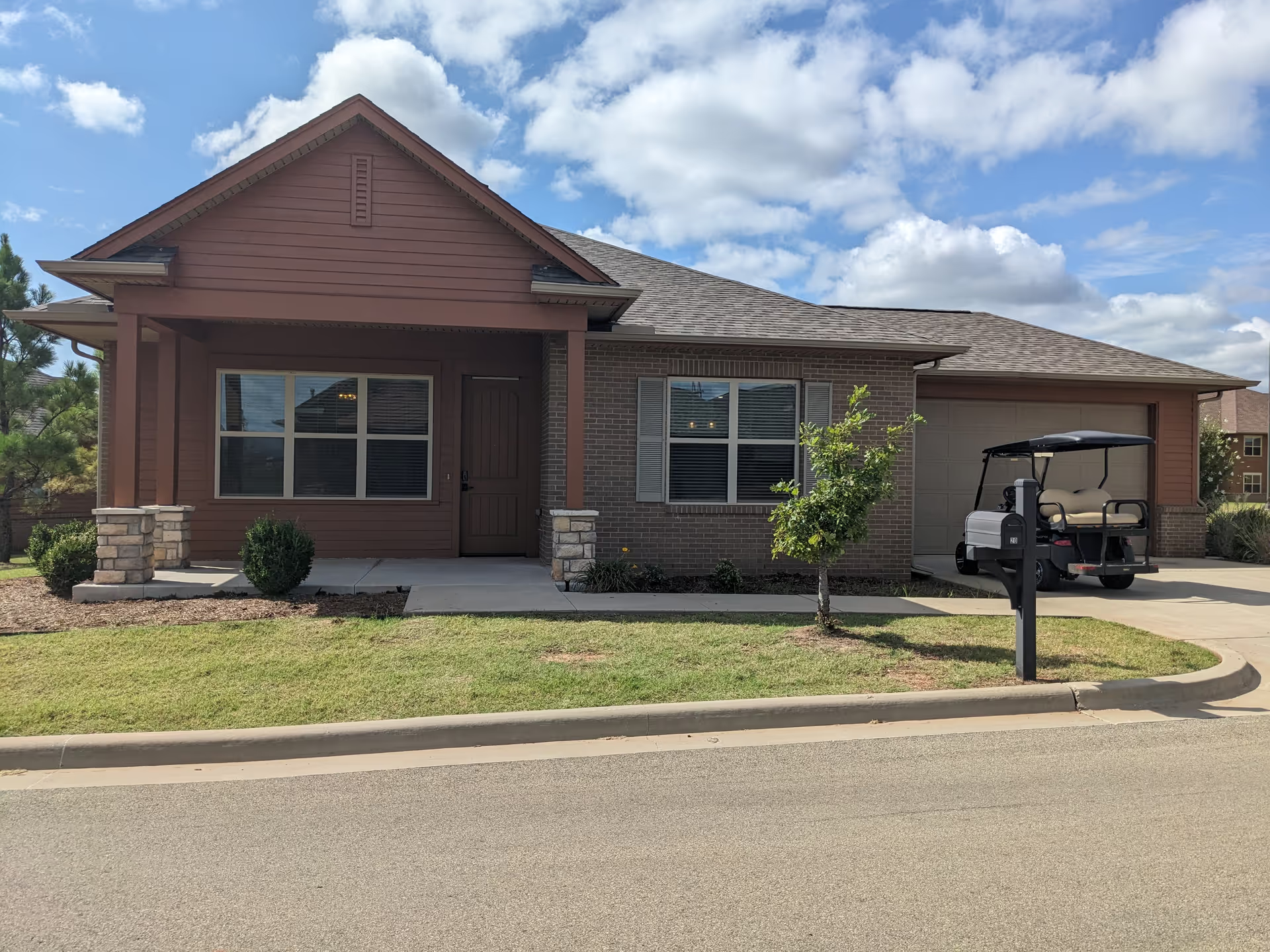
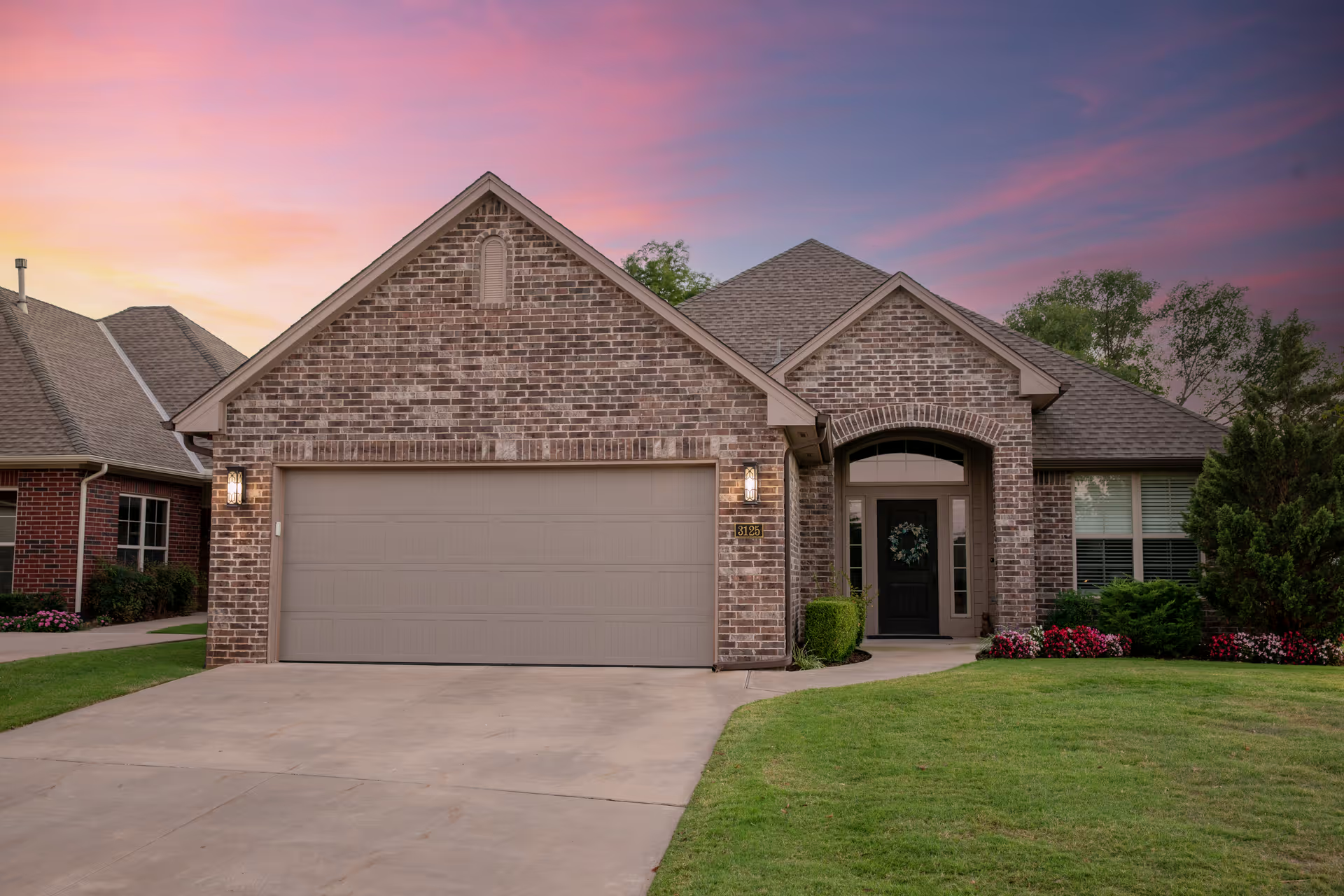
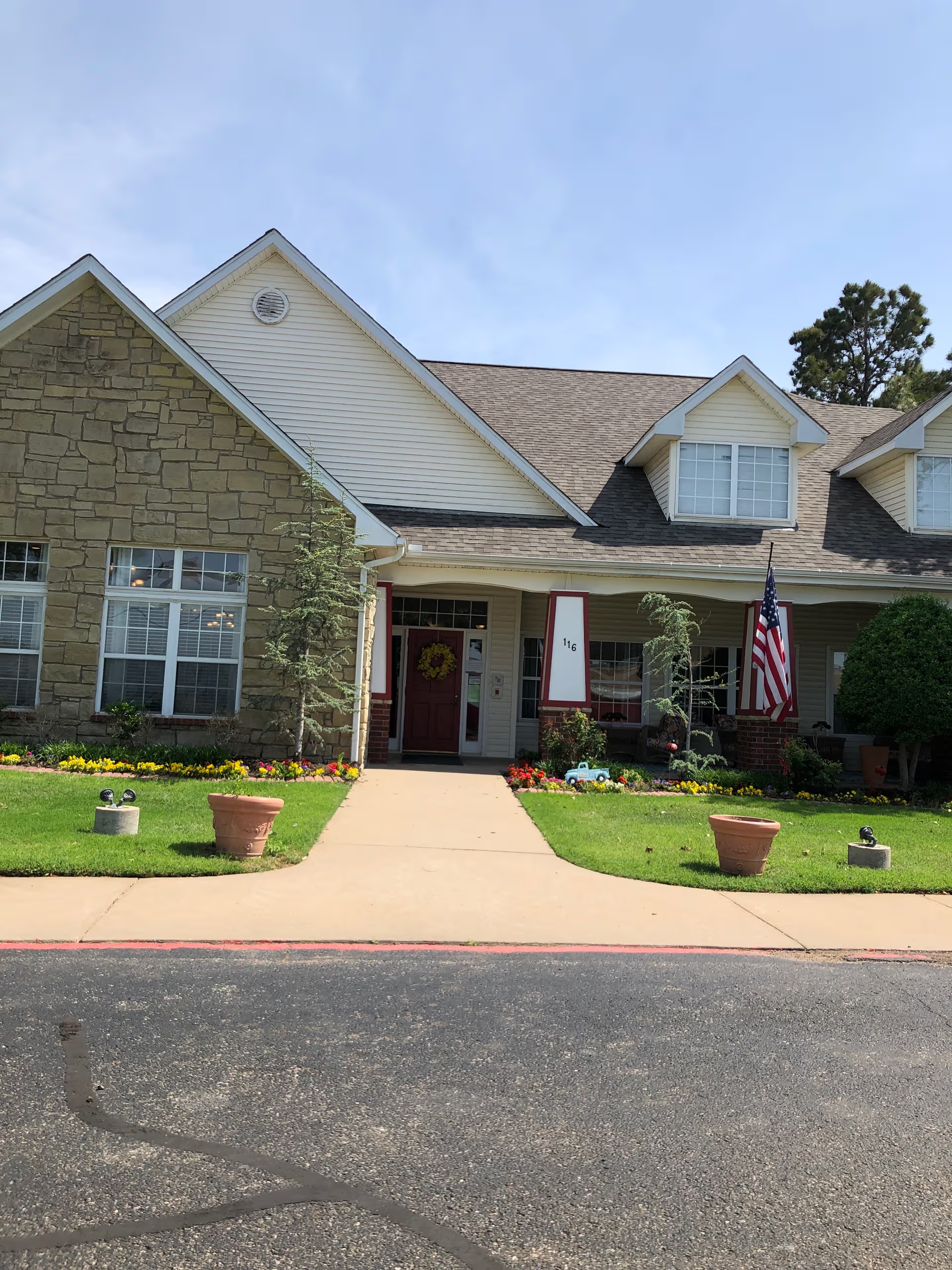
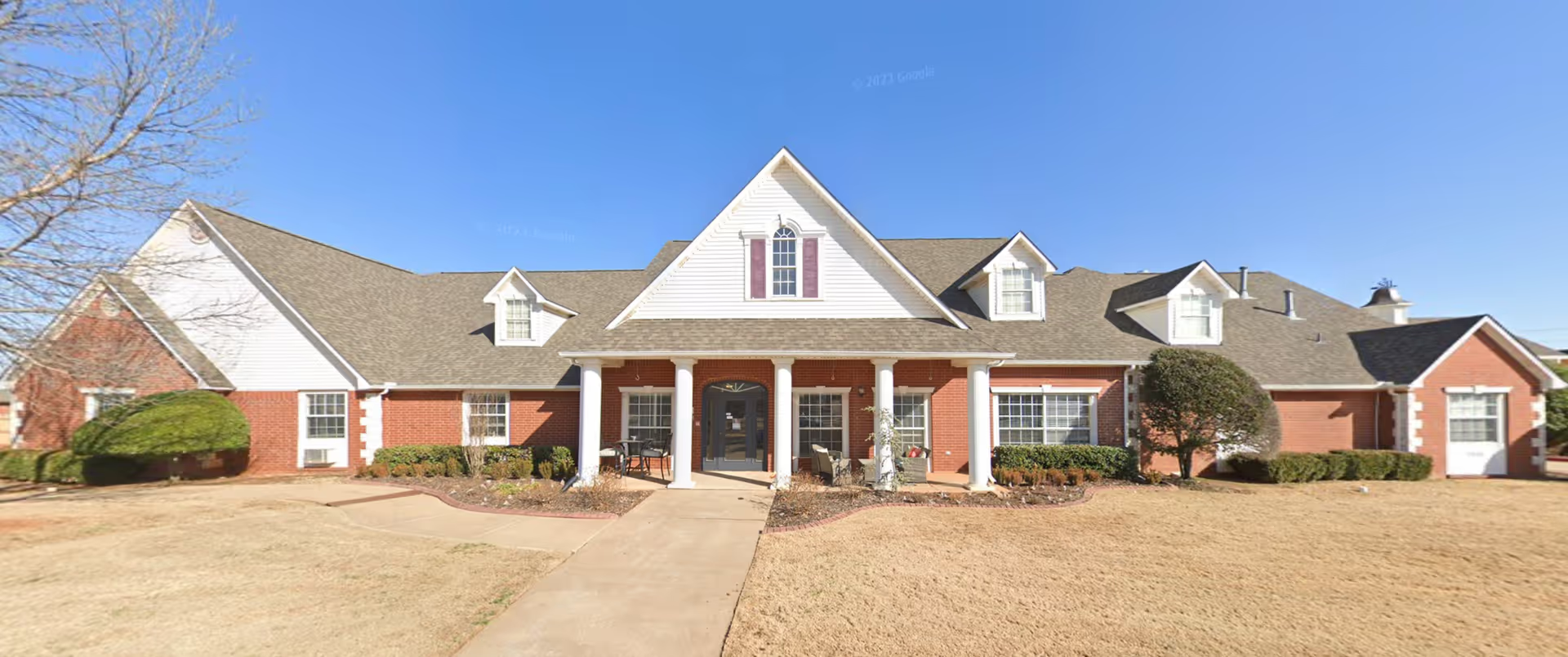
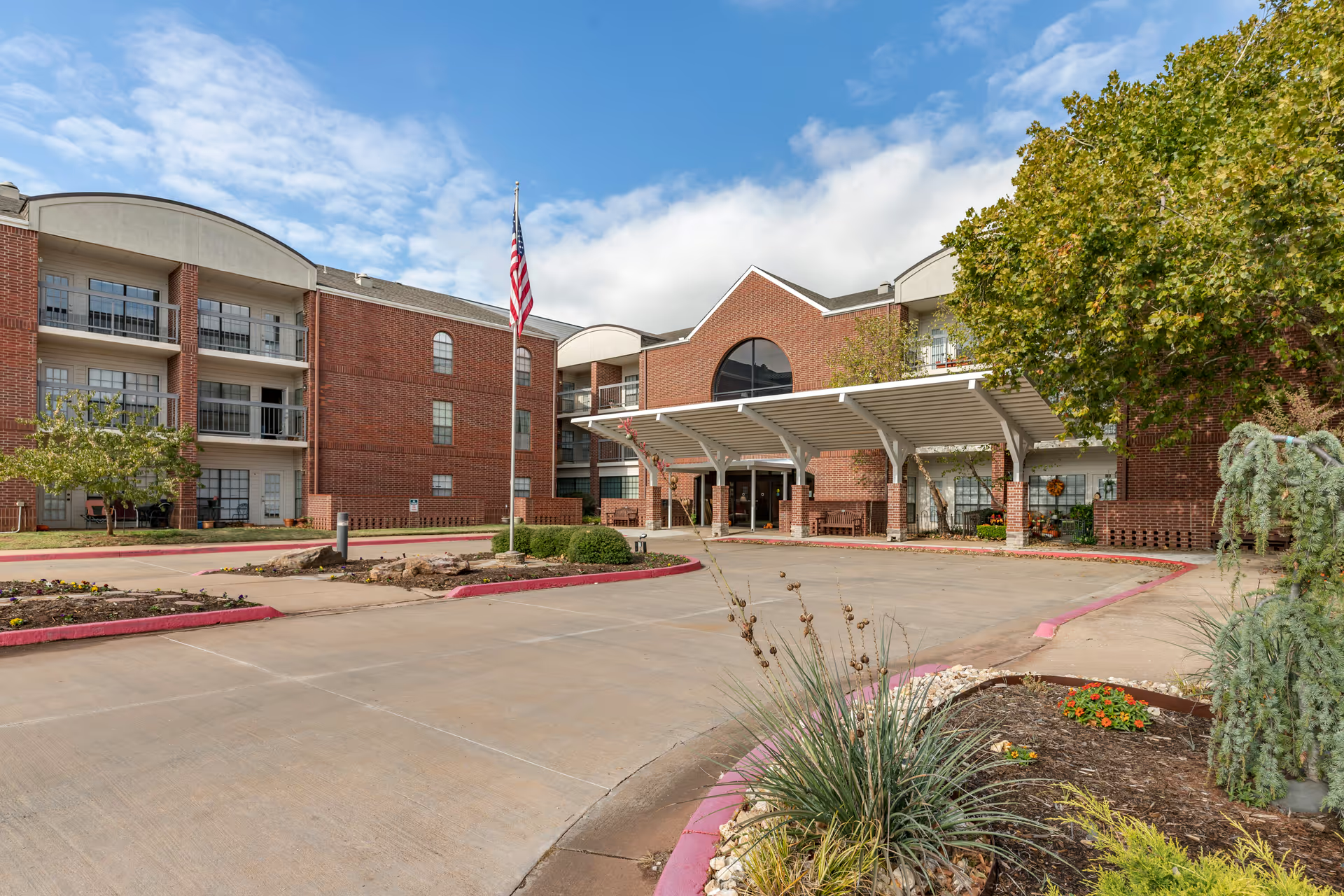
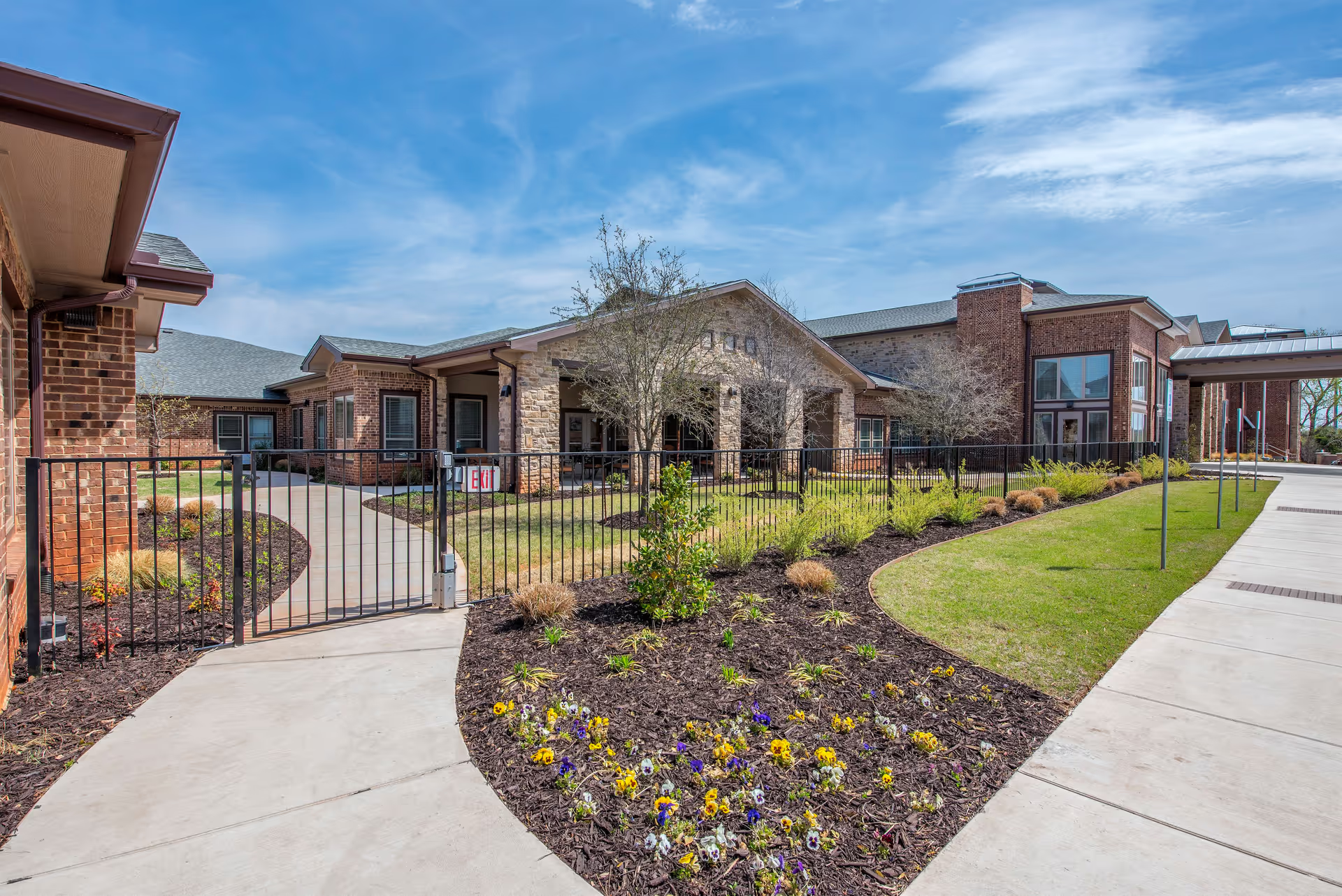
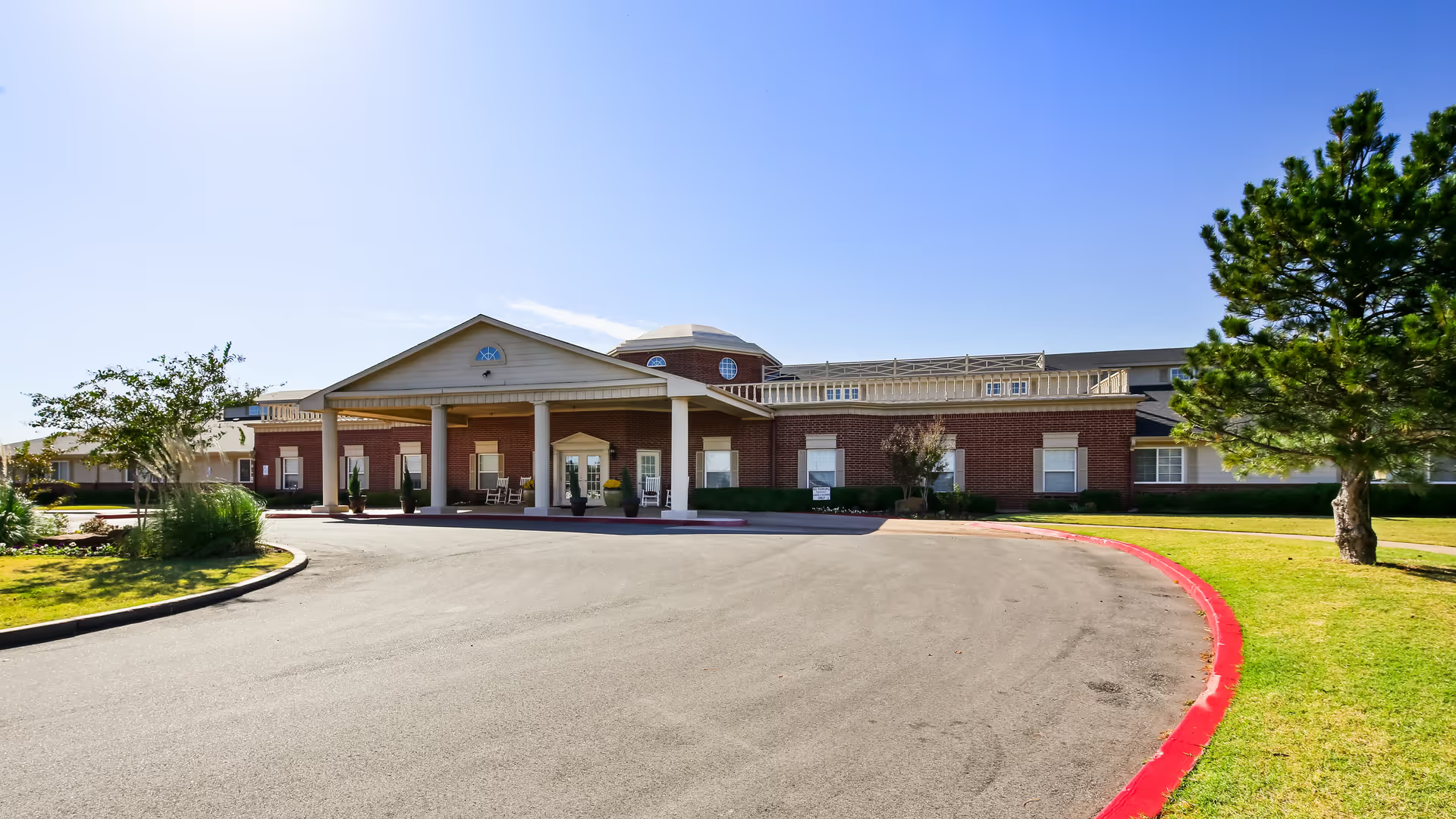
Reviewer feedback for The Renaissance of Stillwater–Assisted Living is notably mixed, with distinct clusters of strong positive experiences and substantive operational concerns. Positive commentary centers on the admissions team and many front-line caregivers, who are frequently described as compassionate, personable, and effective at facilitating move-ins. Several families praised the physical environment—clean, well-kept common areas, attractive dining rooms, comfortable resident apartments with accessible bathroom features, and appealing outdoor spaces such as a pond. When staffing is adequate, reviewers described high-quality, personalized care, smooth transitions, and active programming including outings and group activities.
At the same time, a recurrent pattern of operational weaknesses emerges. A significant number of reviews describe staffing inconsistencies and turnover that translate into chronic understaffing during certain shifts. This under-resourcing is frequently linked to delayed responses to call buttons, inconsistent housekeeping of resident apartments, missed or altered meal supports, and variable participation in activities. Reviewers also raised sanitation and odor concerns in parts of the community and noted that cleanliness in private apartments sometimes lags behind the standard observed in public spaces.
Dining received mixed evaluations: some residents and families praised the dining room atmosphere and accommodating staff, and a few reviewers noted improvements under new kitchen leadership. Others described the menu as carbohydrate-heavy, repetitive, and uneven in nutritional balance, with occasional failures to follow prescribed dietary plans. Transportation and amenity expectations also diverged from marketing materials—several families observed limited bus service, no access to an advertised exercise room, and constraints on pet-support services that can be costly if off-site veterinary transport is required.
Communication and management practices are another area of variability. Positive reports highlight responsive local managers who resolve issues quickly and admissions staff who ease transitions. Conversely, other families described gaps in clinical communication after incidents such as falls, insufficient information about new prescriptions, and challenges reaching regional staff after hours. Concerns about pricing transparency and recurring monthly care-cost increases were also noted.
In summary, The Renaissance of Stillwater presents a mixed profile: many residents and families experience attentive staff, clean common areas, comfortable accommodations, and engaging programming, while others encounter operational shortfalls driven largely by inconsistent staffing, housekeeping variability, and communication gaps. Prospective residents and families would benefit from on-site conversations that probe staffing ratios and schedules, housekeeping routines, call-button response metrics, written dietary accommodations, transportation and pet policies, and contract/fee change procedures to assess alignment with their priorities.