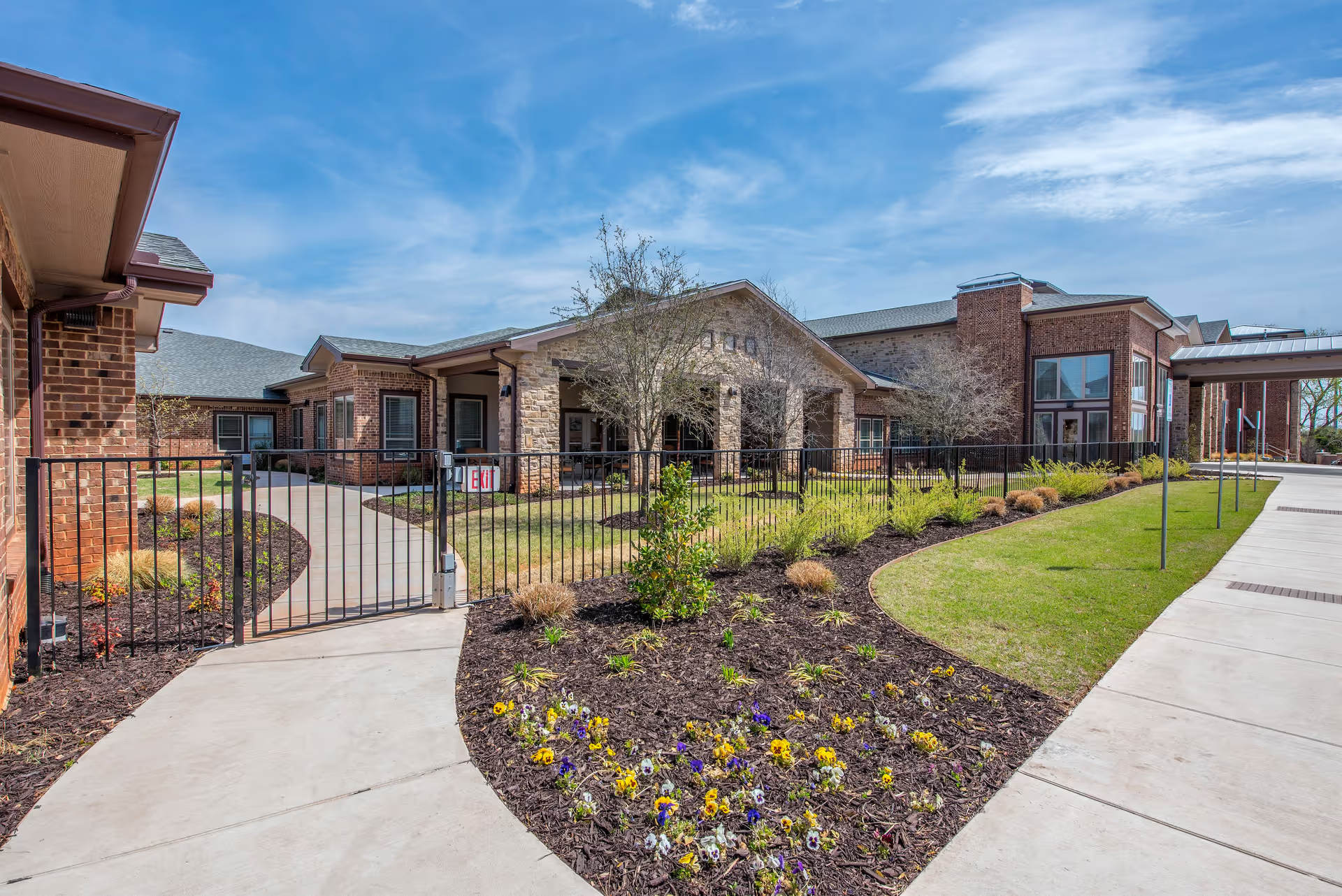
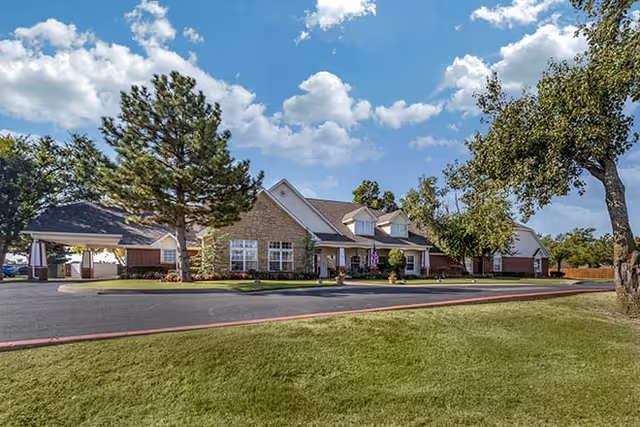
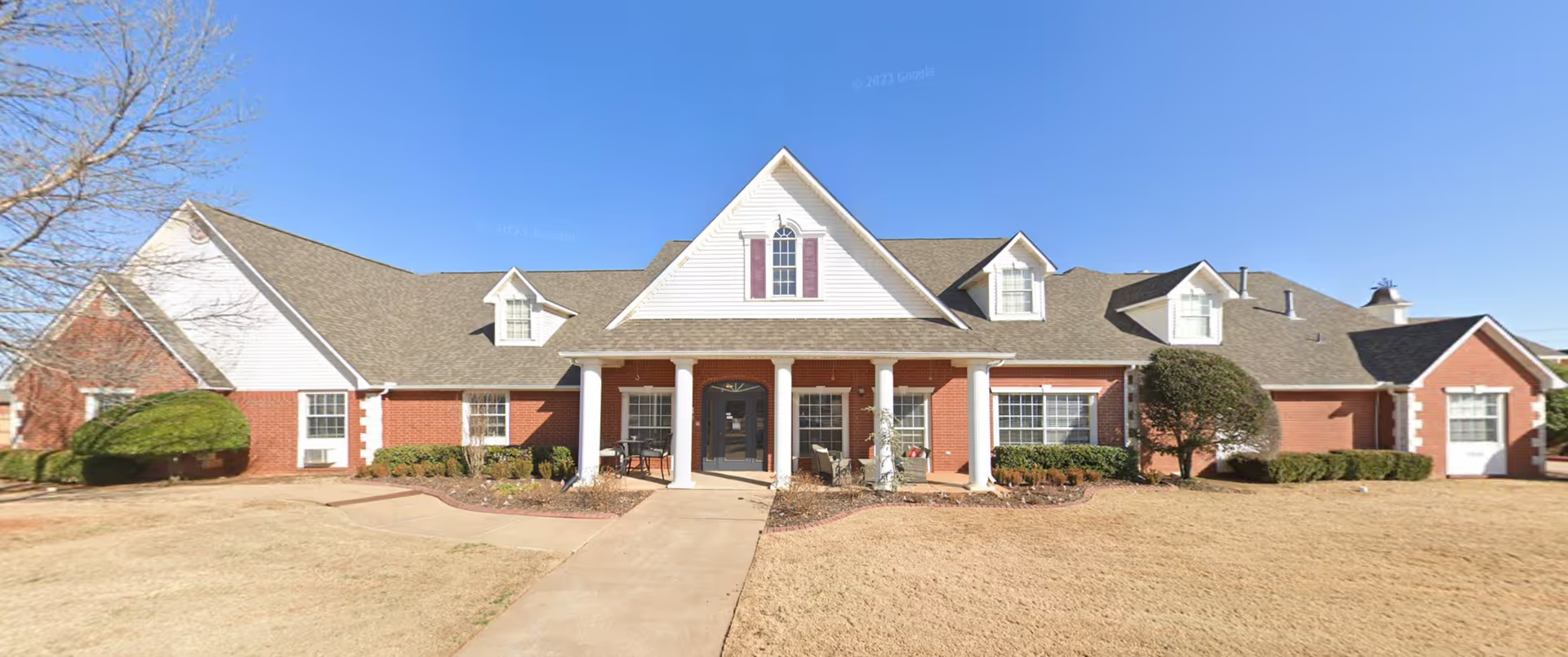
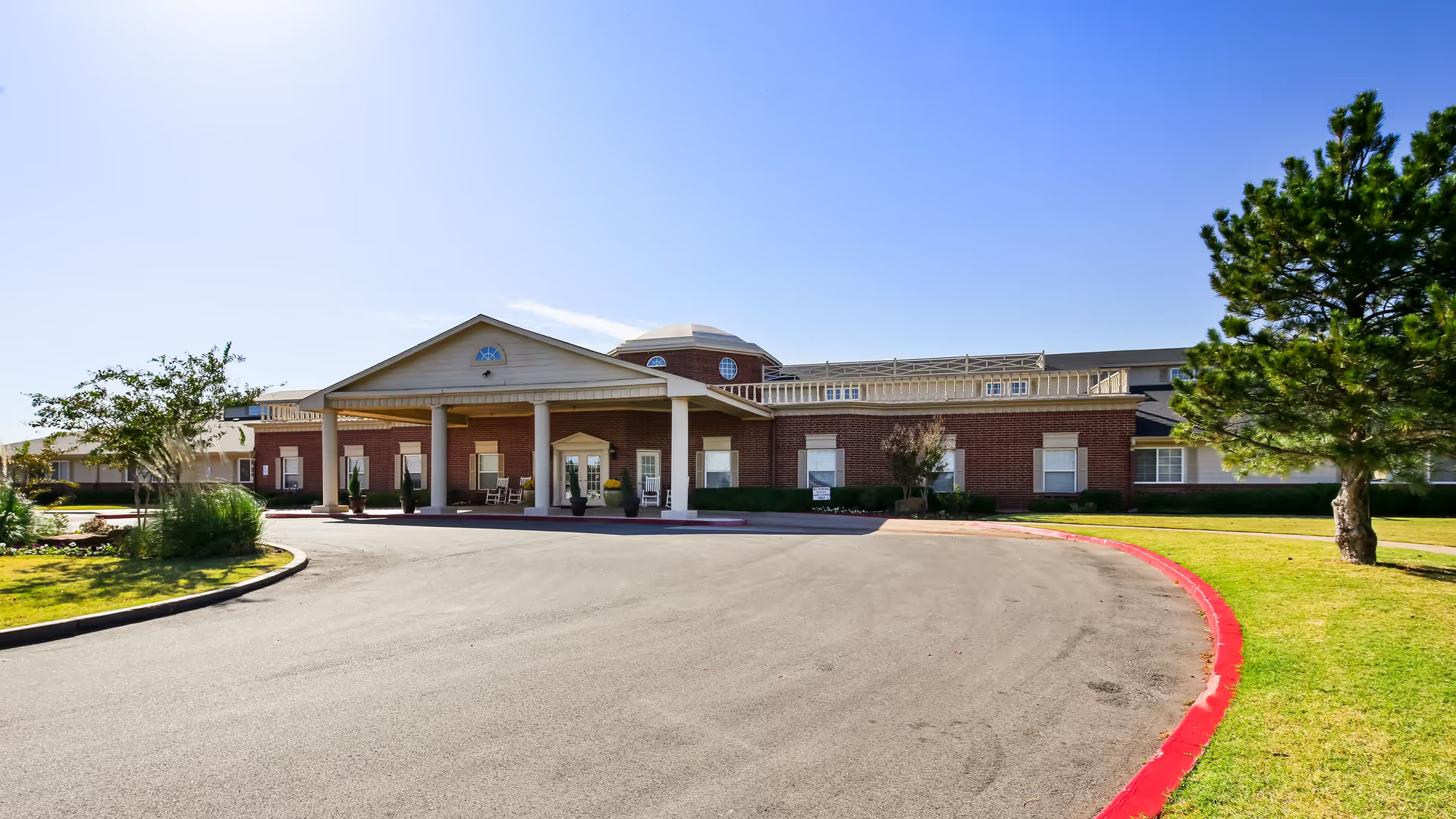
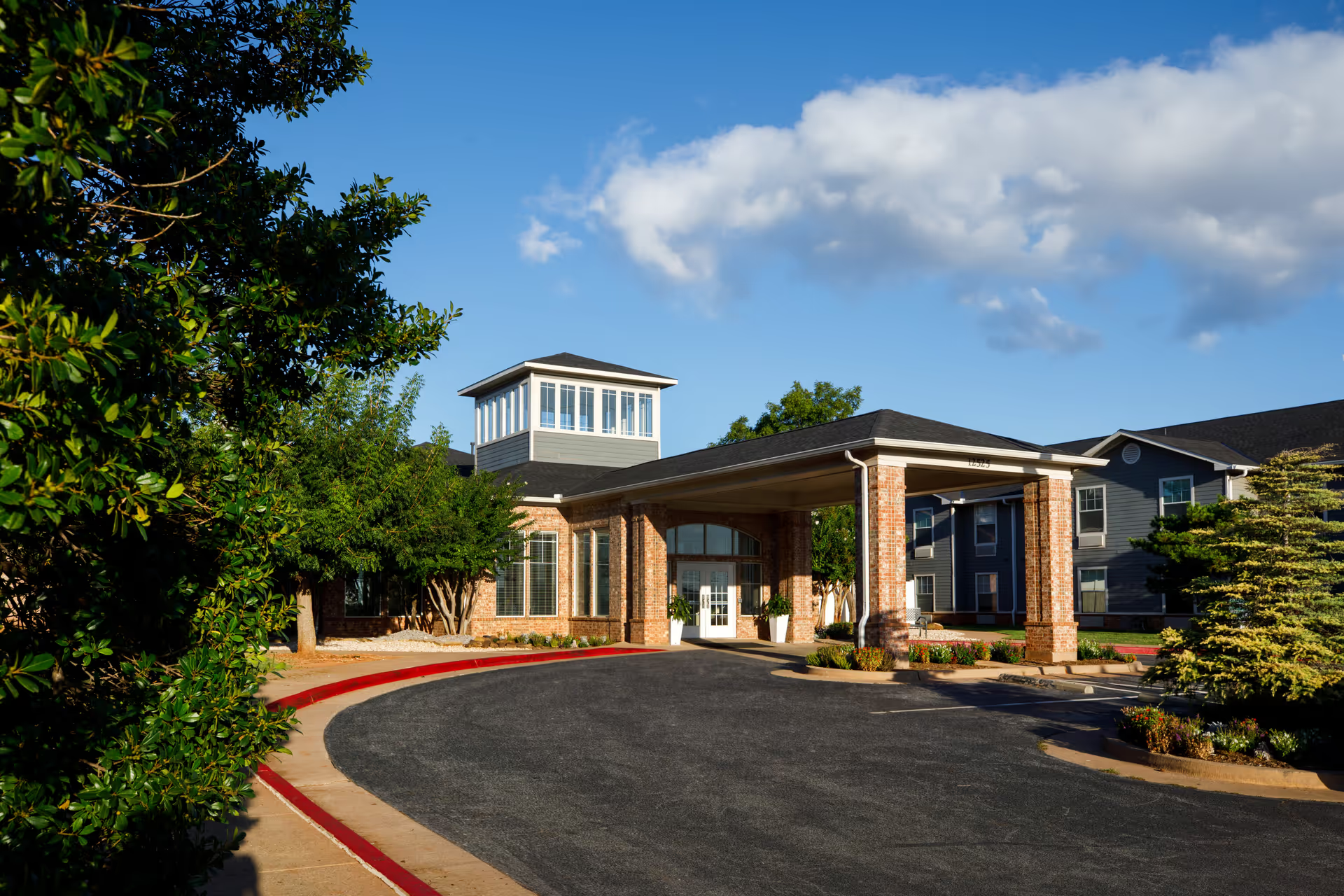
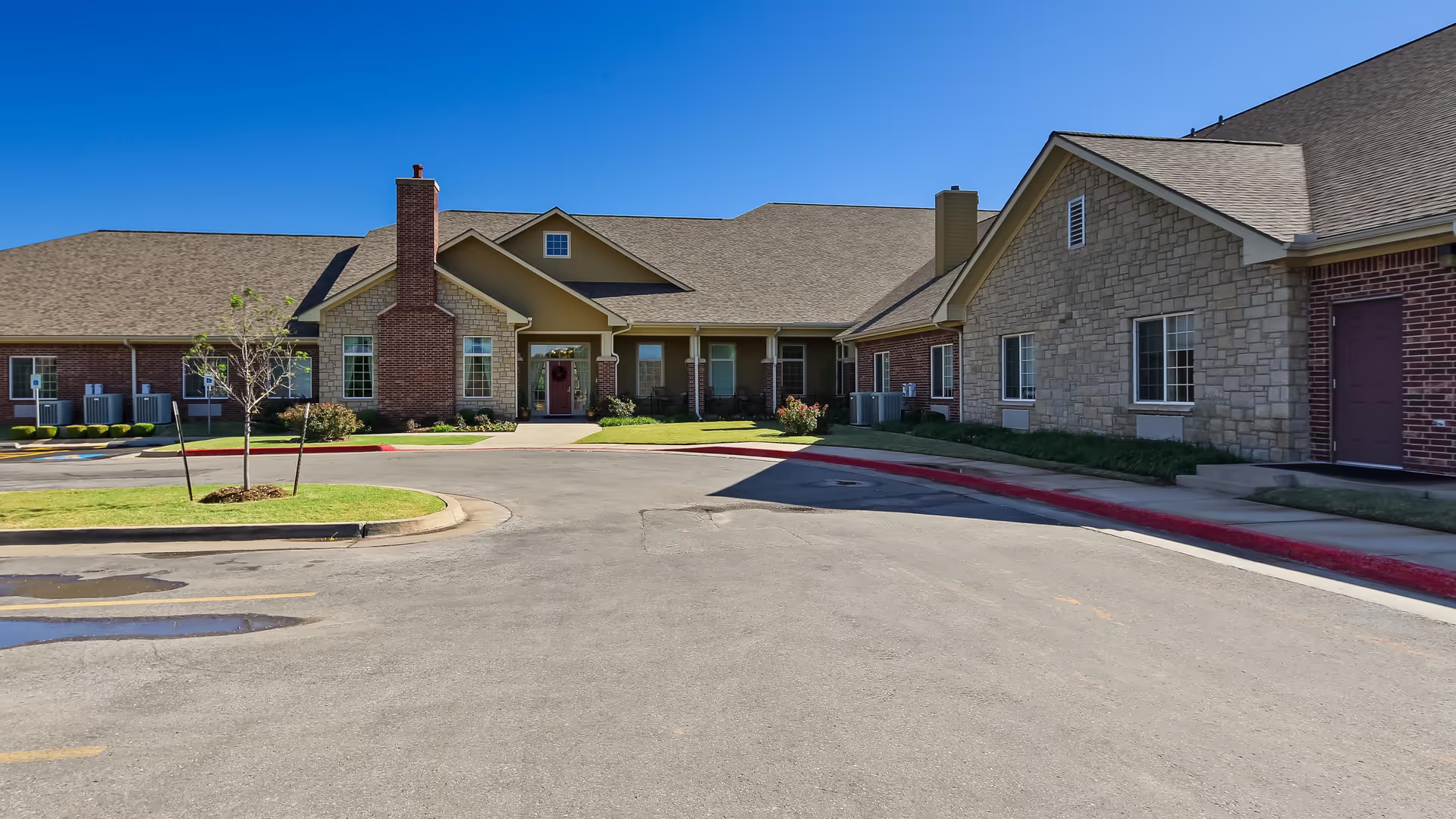
Lyndale Edmond Senior Living is consistently described as a scenic, resort-like campus with strong recreational programming and a wide range of housing options. Strengths that recur across impressions include attentive front‑desk and caregiving staff, an experienced culinary team offering generous portions and diverse menus, extensive outdoor space (lake, walking trails, benches), and many onsite amenities such as a salon, fitness areas, pool and clubhouse. The property appeals to families seeking an active independent‑living environment with both assisted‑living and memory‑care options on campus.
Care and staff: Many accounts emphasize visible, personable staff who know residents by name and provide hands‑on attention. The community operates with on‑site nursing and assisted‑care resources, plus 24/7 concierge coverage, which families cite as valuable for safety and convenience. At the same time, reviewers identify operational staffing challenges: turnover in clinical and food‑service roles and uneven coverage, particularly at night and during weekends, which has produced slower response times for some requests. Prospective residents should clarify current staffing ratios and night coverage during a visit.
Dining: The dining program is frequently singled out as a community asset — an experienced chef, restaurant‑style dining rooms, multiple entrée choices and generous portions. However, there are recurring notes about inconsistency: order accuracy problems, occasional declines in food quality, and service strain during busy periods or when kitchen staffing is thin. During ongoing staffing or renovation periods the dining experience can be disrupted; families should ask about current kitchen staffing levels, menu accommodations for dental/texture needs, and how special dietary requests are handled.
Activities and social life: The activity schedule is broad and active, with exercise classes, arts and crafts, outings, chapel services, tournaments, and themed events. Many residents appear engaged and social. A few accounts describe social cliques or quieter cohorts; social fit will depend on a prospective resident’s interests and desire for an active communal life. Transportation services for appointments and shopping are available and well regarded.
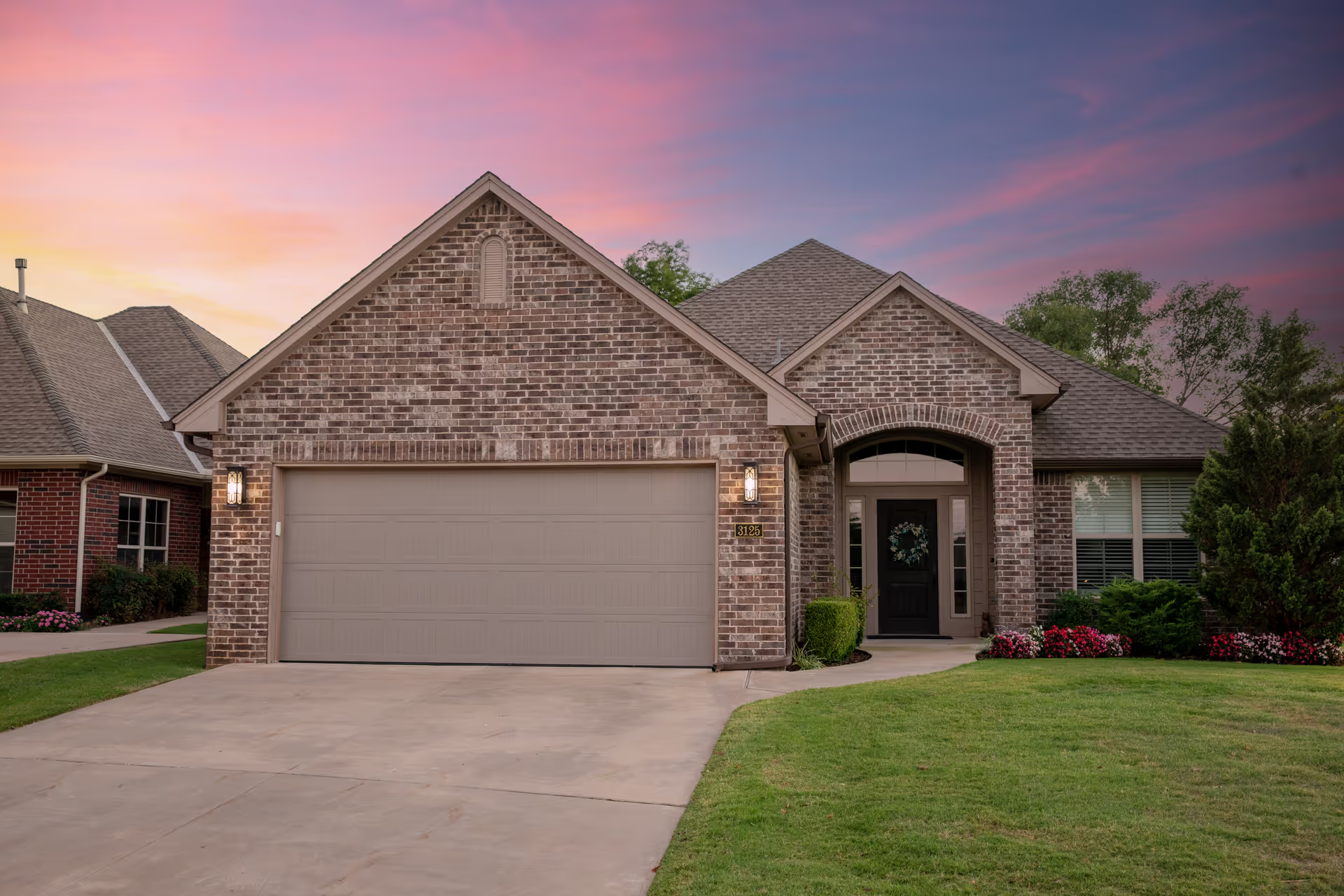
Facilities and accessibility: The campus offers a variety of floor plans from studios to two‑bedroom apartments and separate cottages, and many common spaces are well maintained and attractive. Renovations and interior design updates are underway in places, which improves aesthetics but can cause temporary disruption. Several reviewers note that some apartment layouts are small, dark, or awkward (kitchen by the door, removed walls, limited storage), and certain bathrooms or rooms may not be wheelchair friendly. Elevator size and travel time, as well as the distance between buildings (independent units, assisted‑living building, cottages, clubhouse/pool), are practical considerations for mobility‑limited residents.
Management and operational patterns: The provider has undergone ownership and leadership changes; impressions of management range from highly engaged and accessible to inconsistently responsive. Documented operational patterns include maintenance response variability and occasional delays in resolving infrastructure issues. There are also isolated but serious family concerns about end‑of‑life handling and billing/move‑out policies; while these appear as individual but significant experiences, they suggest that contract terms, move‑out obligations, and clinical escalation processes are important to review in detail.
Overall impression and guidance: Lyndale Edmond is positioned strongly for seniors who prioritize an active, amenity-rich, campus lifestyle with strong culinary offerings and a visible caregiving presence. It may be less well suited for households needing consistently high overnight clinical staffing, immediate lift/transfer accessibility in every unit, or larger apartment footprints without unusual layouts. Prospective residents and families should tour multiple unit types, inquire about current staffing levels and night coverage, review accessibility features in specific apartments, ask for the chef’s accommodation policies for special diets, and read contract language on deposits, move‑out billing, and timelines for ongoing renovations. These targeted questions will clarify whether the community’s strengths align with an individual’s care needs and lifestyle preferences.