The compiled reviews present a polarized picture of Ponca City Nursing and Rehab Center. Many families describe strong, compassionate direct-care staff and positive clinical outcomes for rehabilitation and hospice patients, while other accounts identify persistent operational weaknesses that affected care continuity, safety, and family confidence.
Care quality and clinical services receive mixed but specific feedback. Positive accounts highlight effective rehab therapy, attentive nursing, and individualized touches (for example, staff learning resident preferences and providing personal photo moments), which families said helped recovery and comfort. Conversely, several reviewers described substantive care gaps: inconsistent staffing that led to delays in basic care, wound-care management shortcomings that contributed to skin breakdown, and problems with timely incontinence care. There are also reports of medication-administration inconsistencies. These contrasting accounts suggest variability in day-to-day clinical performance across units or shifts.
Staff and leadership perceptions are similarly divided. Numerous comments praise frontline caregivers, nursing leadership, and particular administrative staff for professionalism, empathy, and responsiveness. At the same time, criticisms point to weak administrative oversight, poor responsiveness from certain managers, and concerns that incident information is not consistently shared with families. A few reviews allege financial impropriety; such claims, if accurate, are serious and would warrant formal investigation.
Dining and resident life show both strengths and areas for improvement. Personalization of meals and attentive interactions at mealtime were noted positively in some accounts, while other families described inconsistent food quality and questioned the value relative to cost. Visitation policies were a recurring theme: some families appreciated strict infection-control measures and courteous masking enforcement, while others were frustrated by limited visitation flexibility during shutdowns or restrictive enforcement.
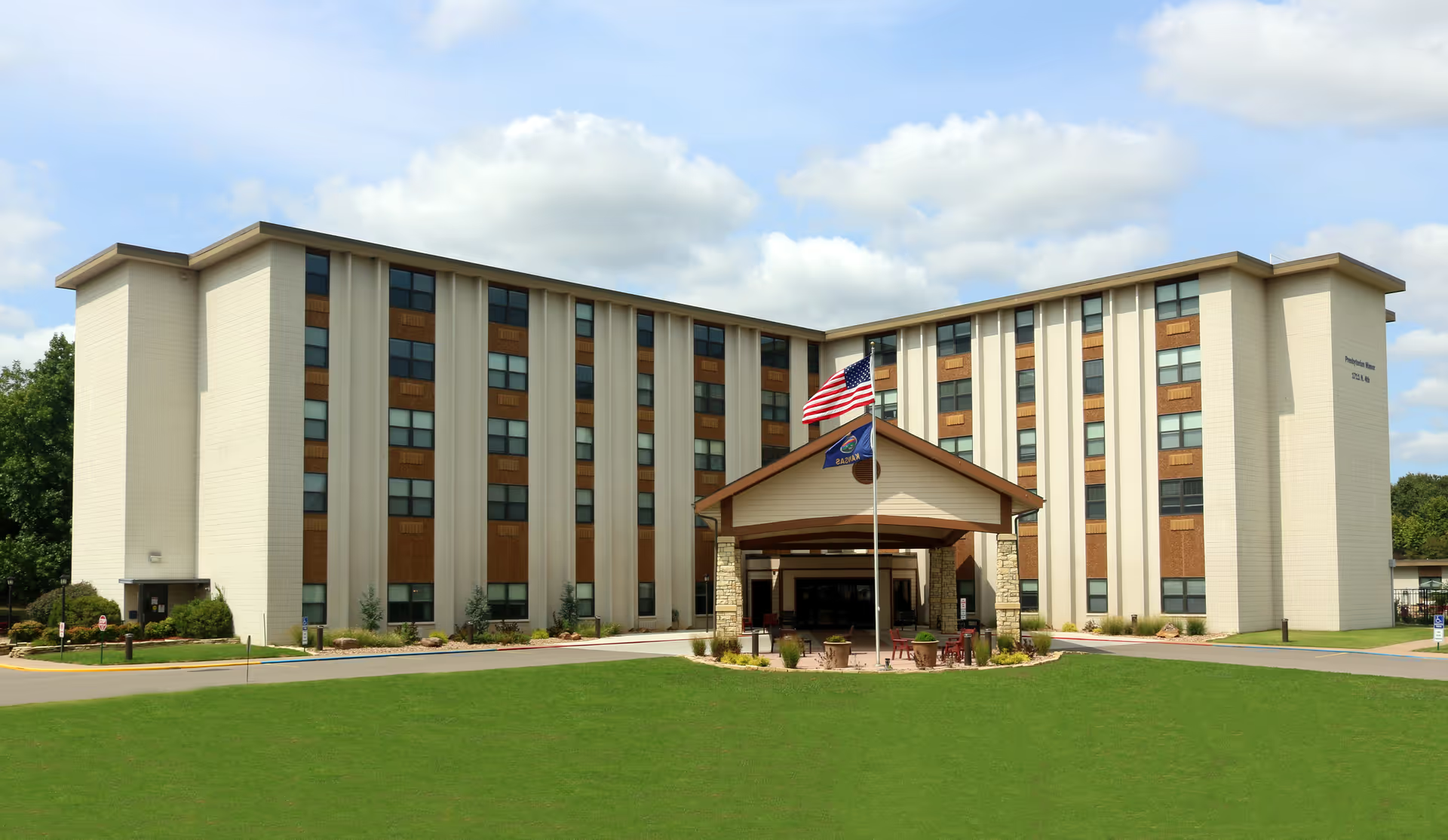
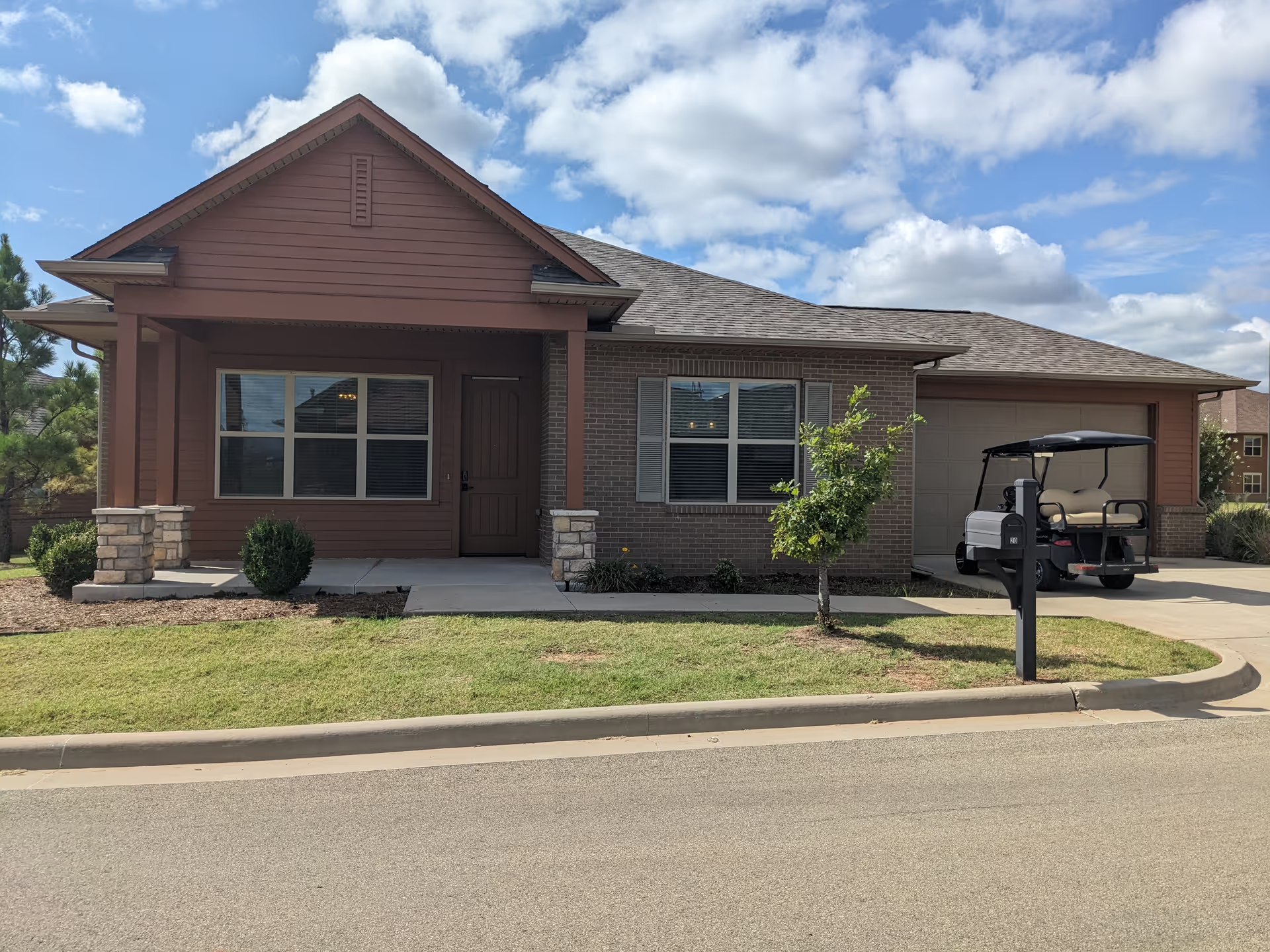
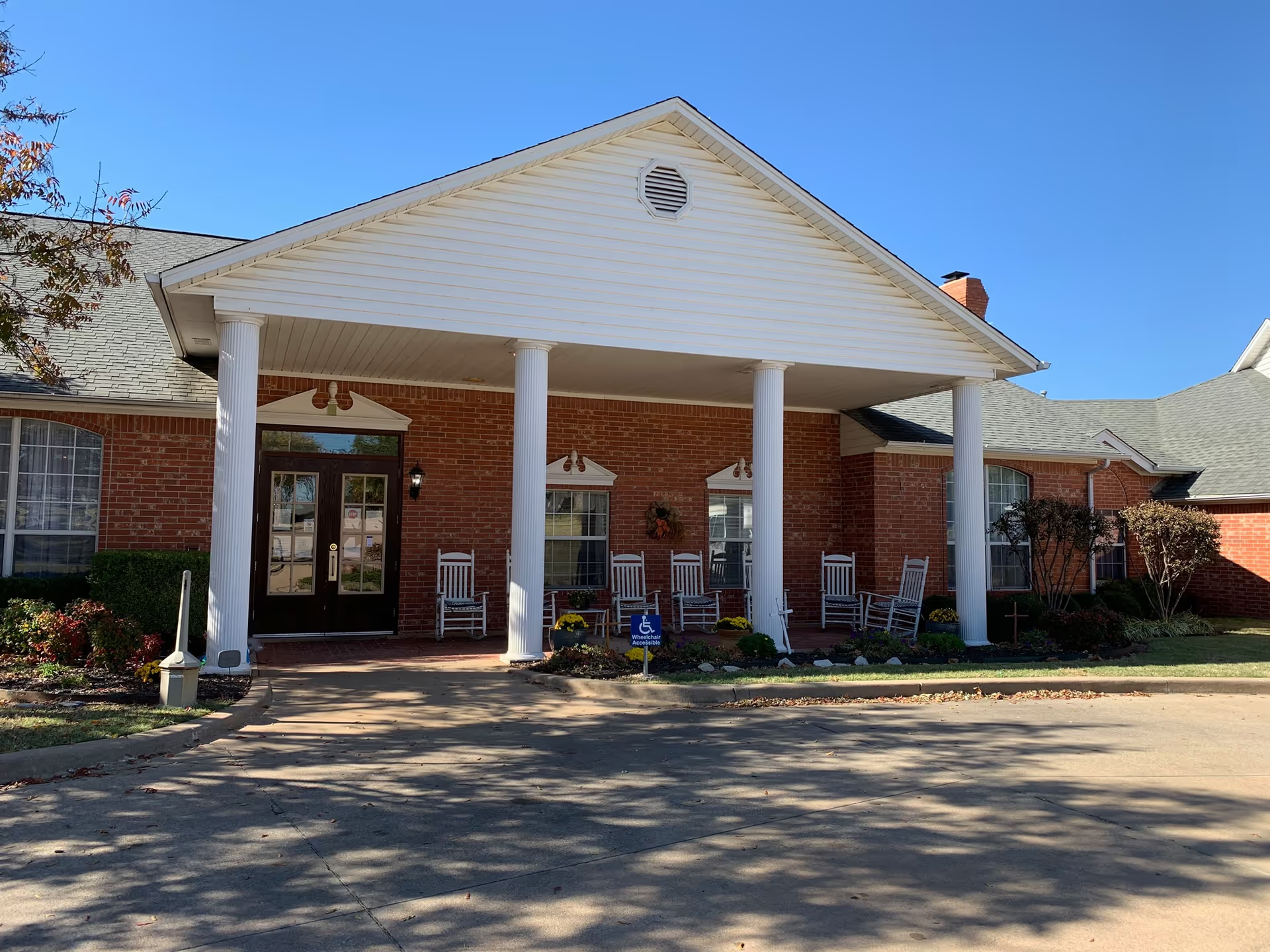
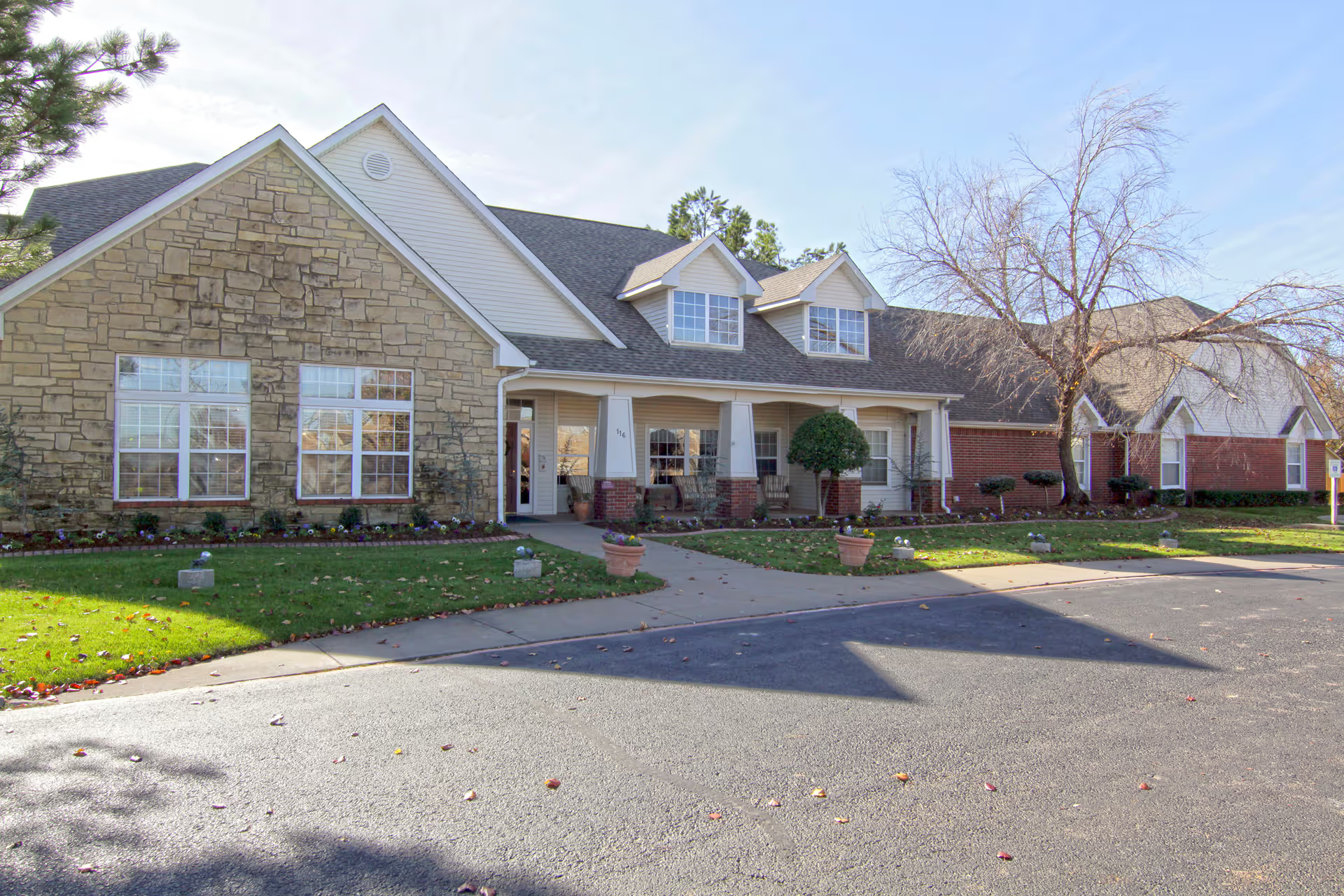
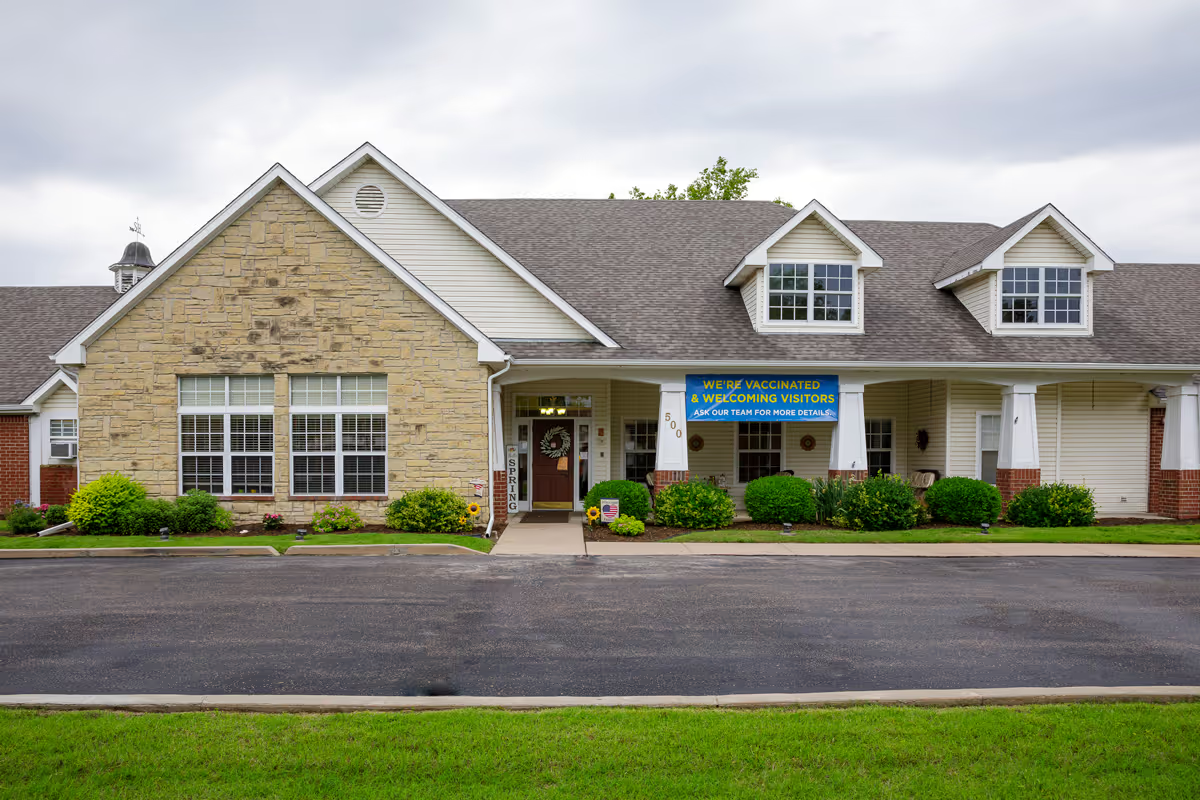
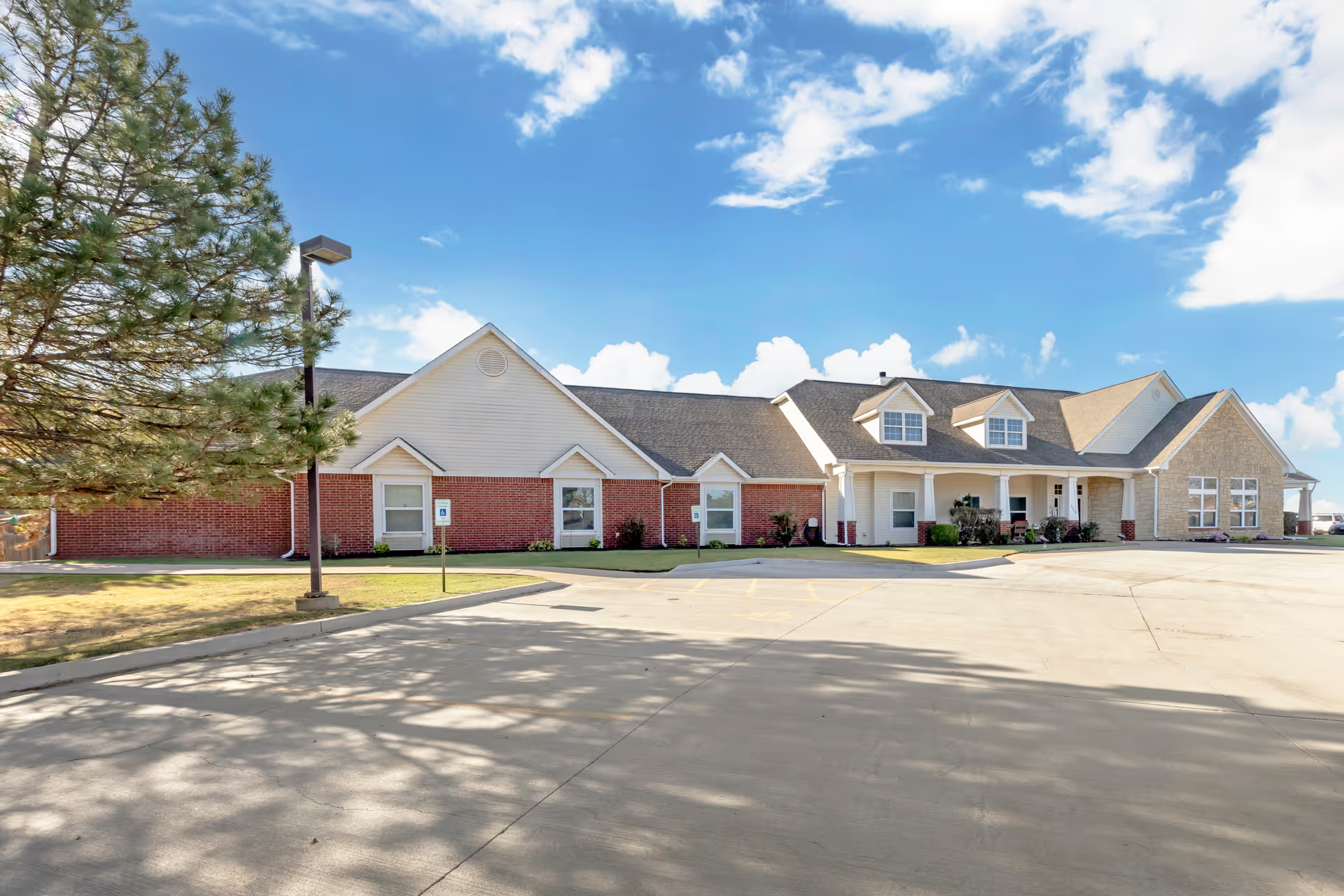
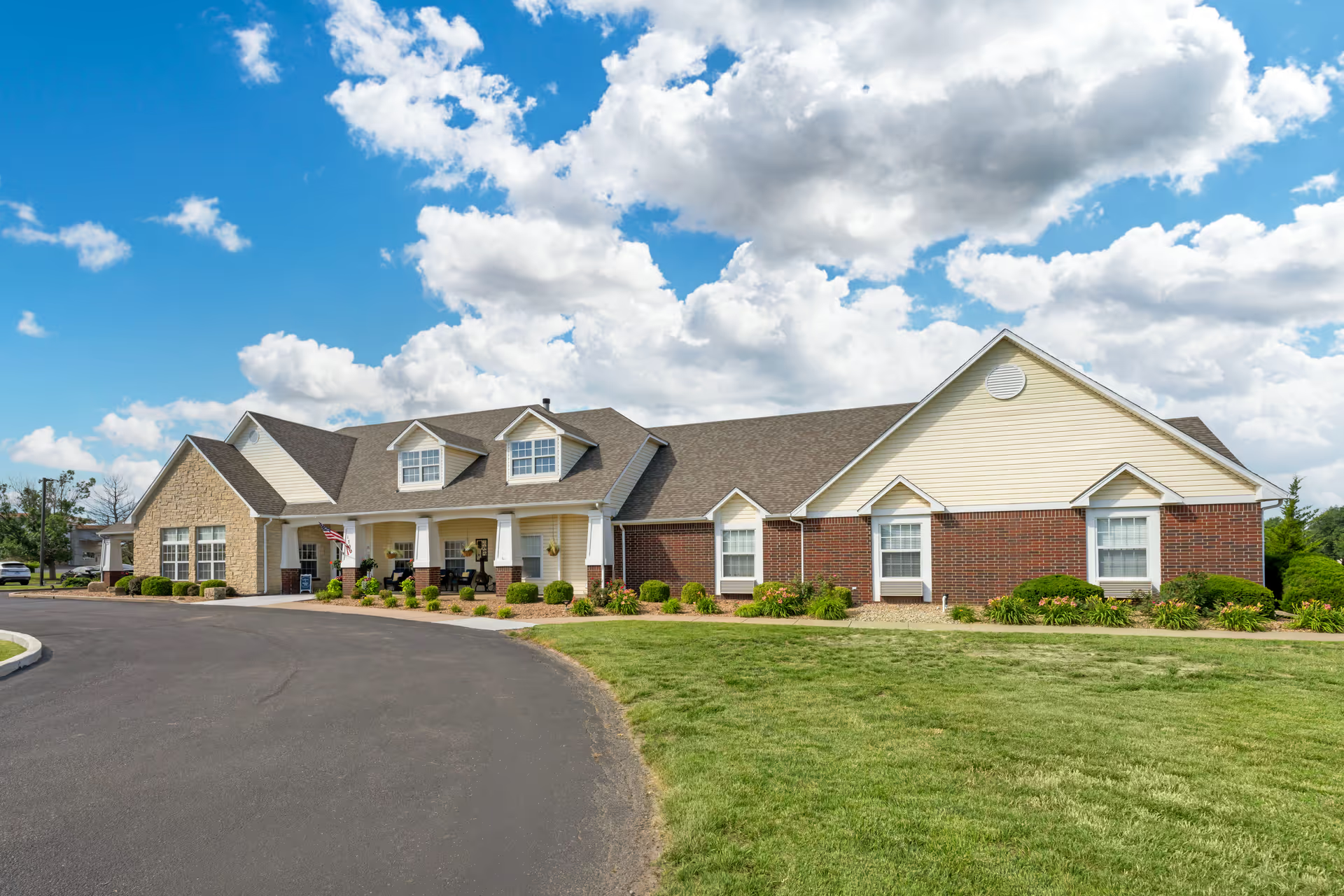
Facility condition and housekeeping comments are mixed. Several reviewers found the environment clean, quiet, and well maintained, with neat resident rooms and orderly common areas. Opposing accounts documented maintenance lapses, mold in living spaces, odors, and problematic room-transfer practices that affected residents’ belongings. Taken together, these items point to uneven maintenance and housekeeping performance across the facility.
Notable patterns across the reviews include operational variability (better experiences reported at certain times or under certain supervisors), episodes of short staffing, and family concerns about transparency and incident handling. For prospective residents and families, the facility shows clear strengths in compassionate direct care, rehabilitation, and hospice coordination, but also indicates systemic areas that merit close inquiry: staffing levels and scheduling, wound and incontinence-care protocols, medication management procedures, maintenance and infection-control documentation, resident-transfer policies, and safeguards for resident property and finances. Visiting the facility during routine hours, asking for current staffing and quality metrics, and requesting written policies on incident reporting and transfers could help families assess whether the center’s strengths align with their expectations and care needs.