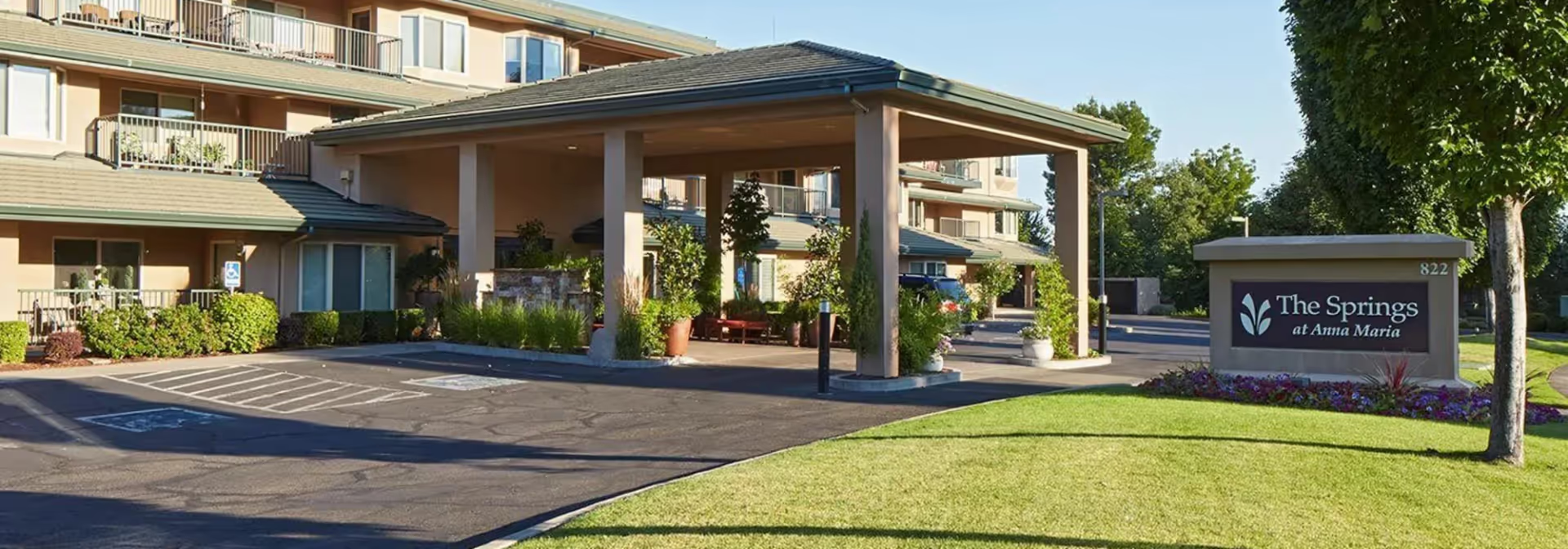
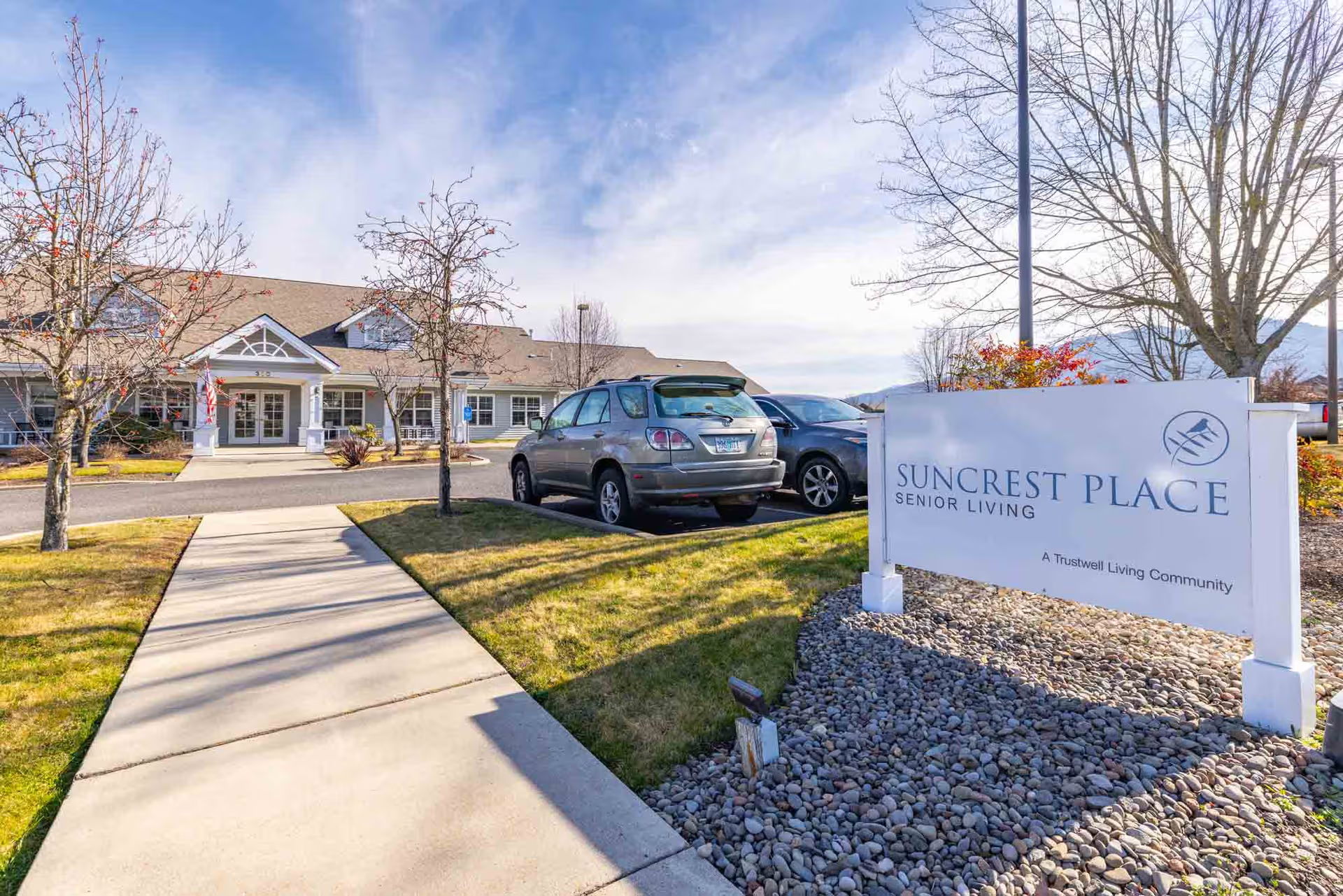
Overall impression: Reviews largely emphasize a small, home-like setting with caregivers who provide warm, family-style attention and continuity of care. Many comments highlight the facility’s cleanliness, comfortable common areas and resident rooms that can be personalized, and a general sense of safety and peace of mind for families. Meals are described positively, and several notes point to long staff tenures and respectful staff–resident interactions.
Care and staff: The dominant pattern is one of compassionate, attentive caregiving and close personal relationships between staff and residents. Staff conduct is frequently characterized as respectful, kind, and calming; families describe feeling that caregivers become like family. There is evidence of staff continuity over multi-year stays, which supports consistent day-to-day care. At the same time, some feedback points to variability in care and administrative practices, suggesting that experiences may differ depending on timing, staff on shift, or specific management decisions.
Dining and activities: Dining receives favorable comments for taste and presentation, contributing to the home-like environment. There is limited explicit information about structured activities or programming in the available summaries; the facility’s small size and close-knit community likely provide informal social interaction, but prospective families should ask about formal recreational and therapeutic offerings if these are important.
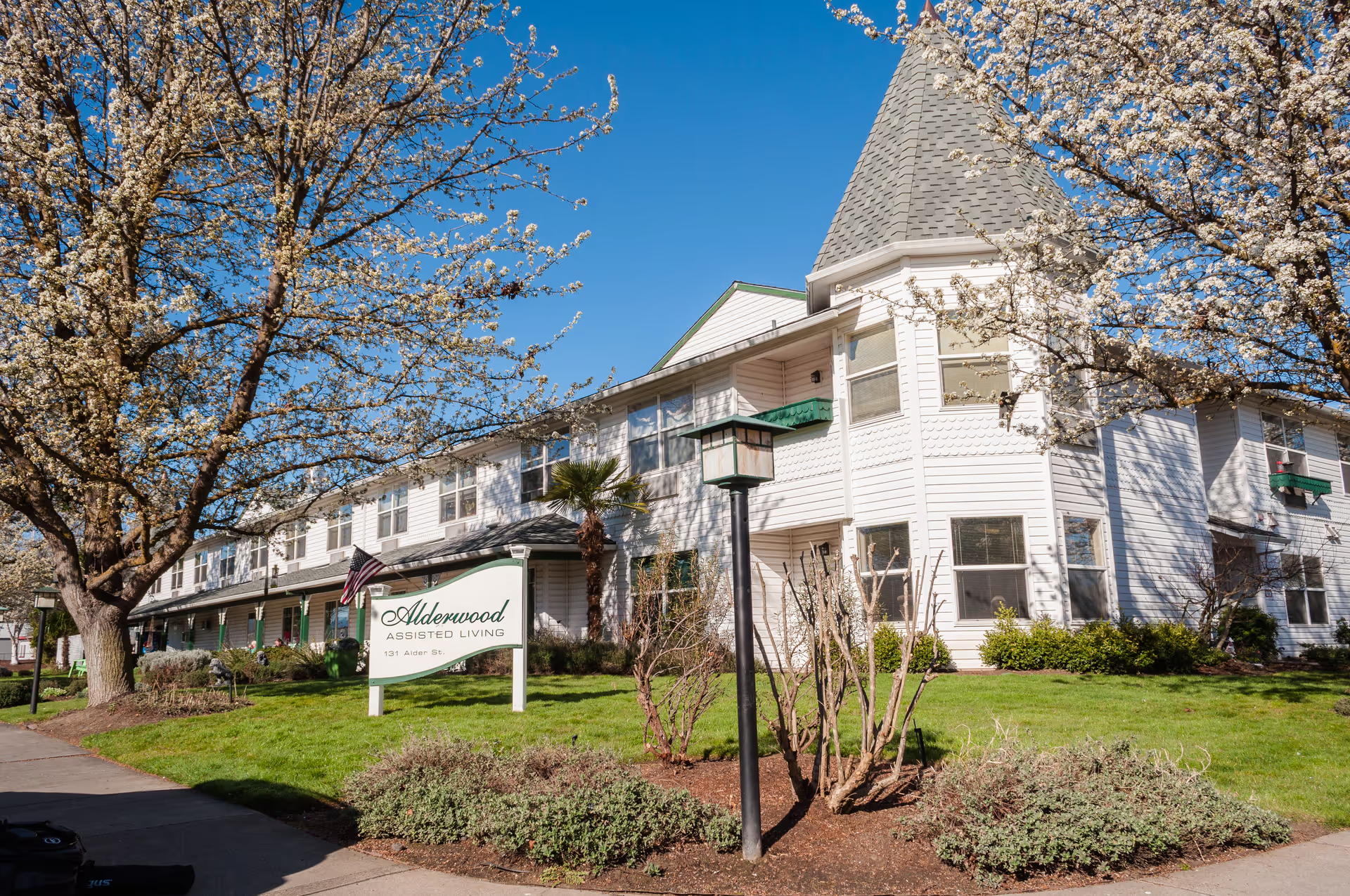
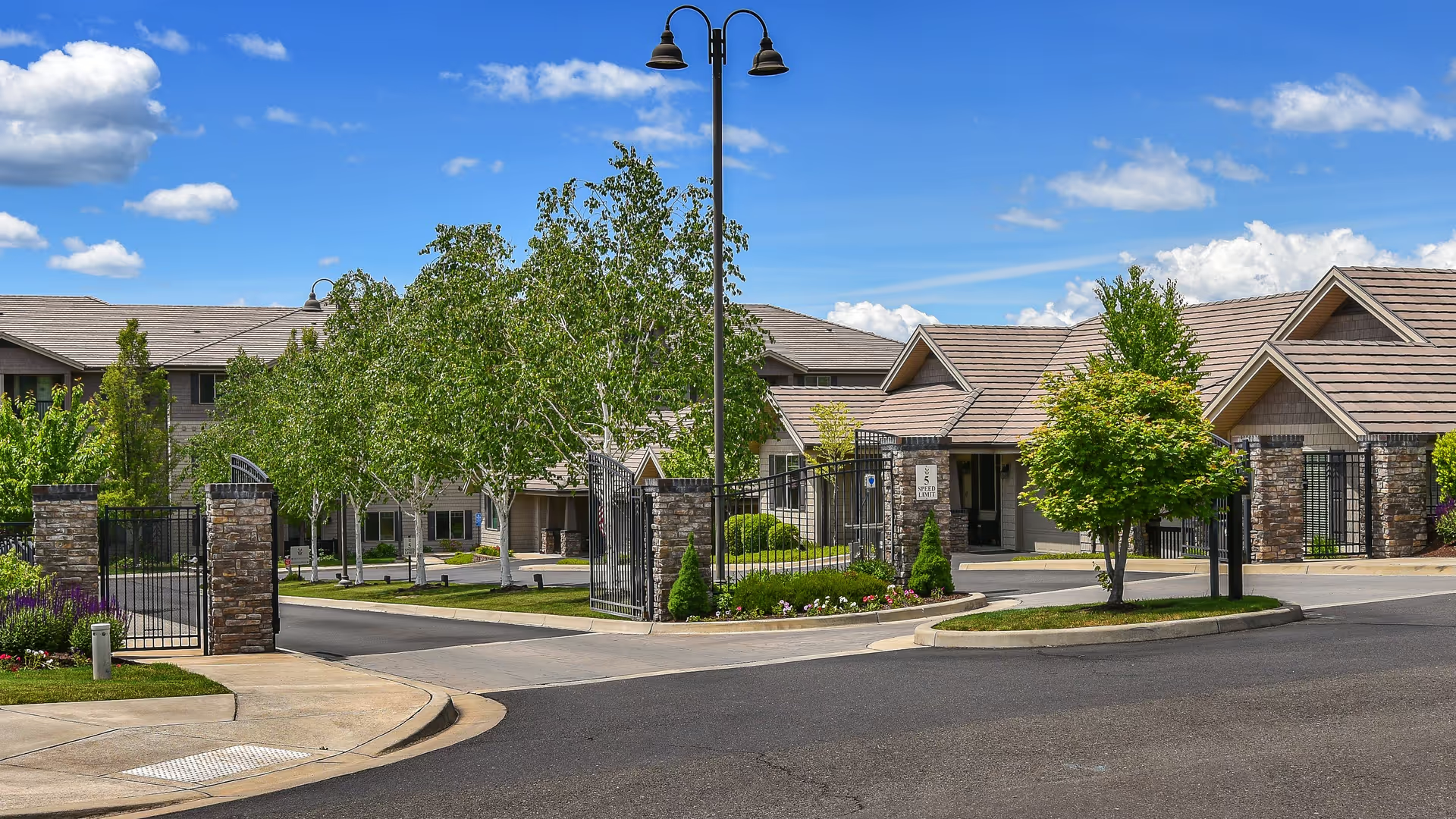
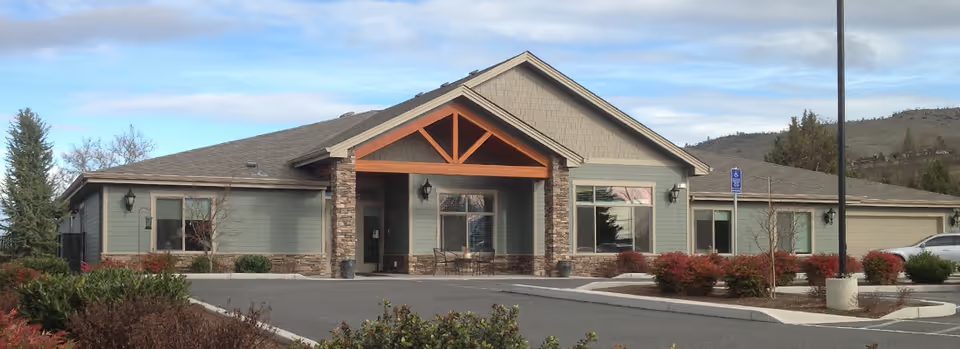
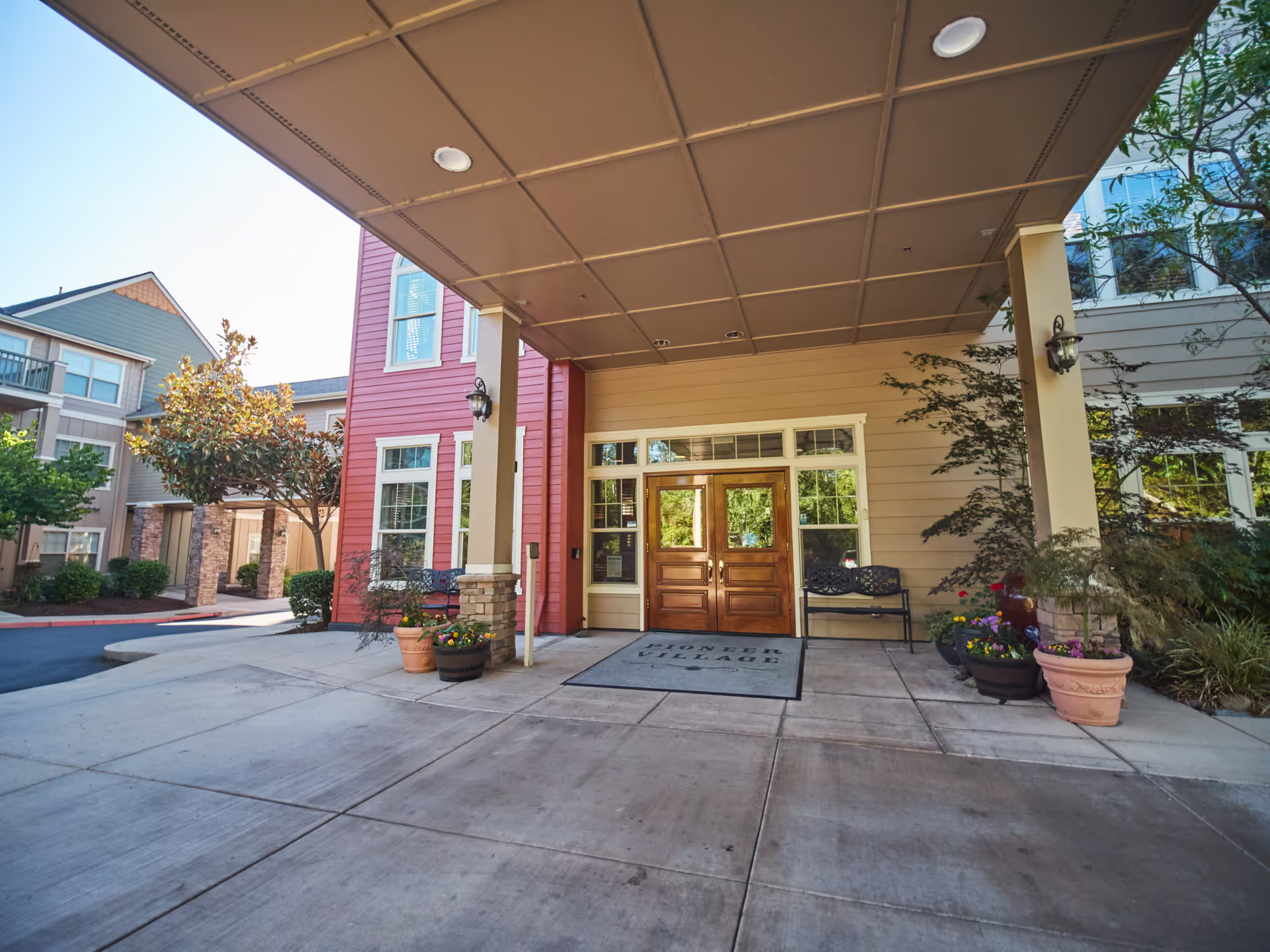
Facilities: The physical environment is described as clean and well-maintained, with opportunities for residents to personalize living spaces. Reviewers emphasize a comfortable, tidy atmosphere and attention to sanitation and safety in daily operations. These strengths appear to be consistent across the positive comments.
Management and notable patterns: Most commentary praises frontline staff, but there are serious management-level concerns in at least one account that contrasts sharply with the otherwise positive pattern. That account raises questions about ownership conduct, rule adherence, and use of external law-enforcement resources. Given the nature of that concern, it is appropriate to treat it as a significant outlier that merits verification: prospective families should inquire about ownership history, complaint-resolution procedures, oversight (including ombudsman or regulatory reviews), and how the facility documents and follows up on incidents. More generally, reviewers point to occasional inconsistencies in administrative practices and communication with families, indicating potential gaps in incident-prevention and escalation protocols.
Recommendations for prospective families: The facility appears to offer compassionate, family-oriented care in a clean, comfortable setting with good meal service and long-serving staff. At the same time, ask targeted questions about governance, incident reporting, family communication protocols, and evidence of regulatory compliance before deciding. A tour, review of recent inspection/ombudsman findings, and conversations with current families can help confirm whether the positive operational patterns are consistent and whether any management concerns have been addressed.