The reviews of Marquis Eugene Assisted Living present a mixed but distinct pattern: the built environment, dining program, activities, and many frontline caregivers receive consistent praise, while operational areas—particularly staffing levels and management communication—are the source of recurring concern. Prospective residents and families can expect a modern, attractive facility with a strong memory-care offering and a lively activities calendar, but should probe operational practices that affect day-to-day care continuity.
Care quality and staff: Many reviewers describe caregivers as compassionate, attentive, and responsive; families highlighted instances of high-quality, round-the-clock care in memory-care and assisted-living units. At the same time, there are repeated concerns about inconsistent staffing levels, shift scheduling problems, and elevated staff turnover that appear to affect continuity of care and routine tasks (for example, bathing and personal-care timing). There are also comments pointing to variable medication-administration competence and occasional issues with caregiver training. Additionally, there are allegations of inappropriate conduct by management in isolated, severe instances; these underscore the importance of asking about staff oversight, incident reporting, and investigation procedures during a tour.
Dining and activities: The dining program is frequently cited as a strength. Reviews praise restaurant-quality meals, well-balanced and rotating seasonal menus, and menu variety. Some comments note higher-price items in the on-site cafe. Activity offerings are described as plentiful and engaging, with an active activities director and programs that help new residents adjust. These elements contribute positively to social engagement and perceived quality of life for many residents.
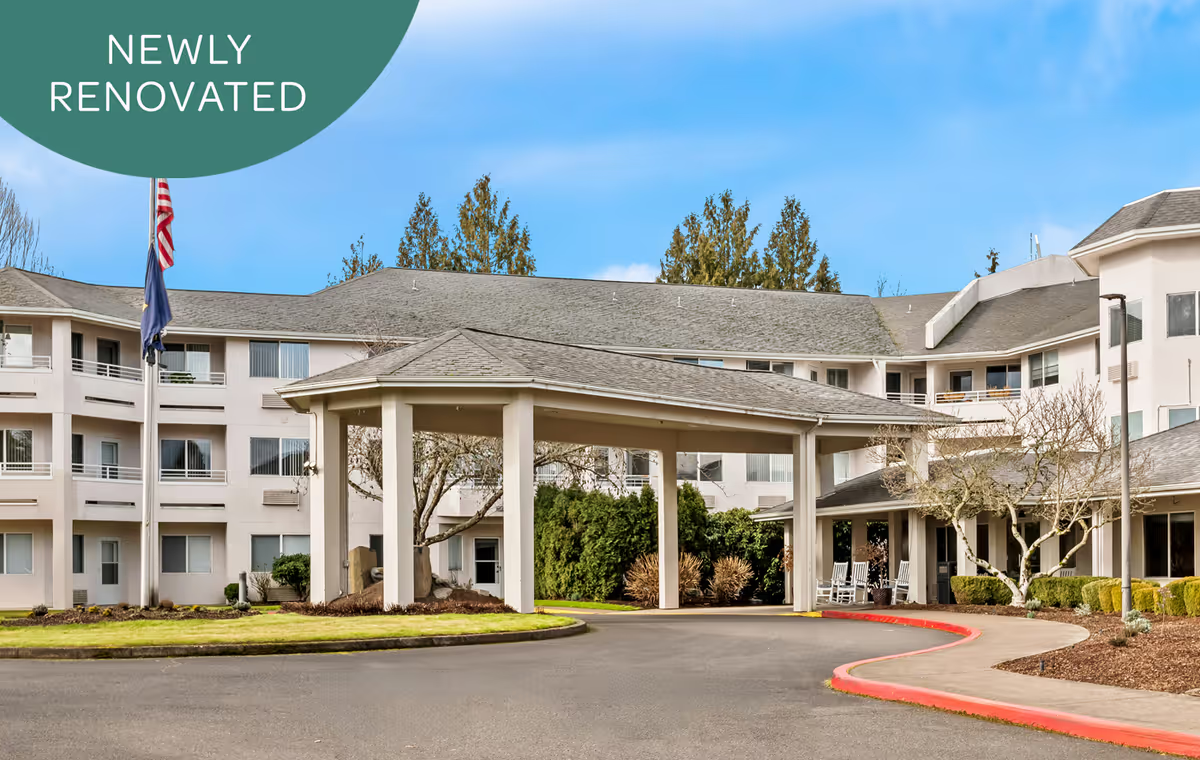
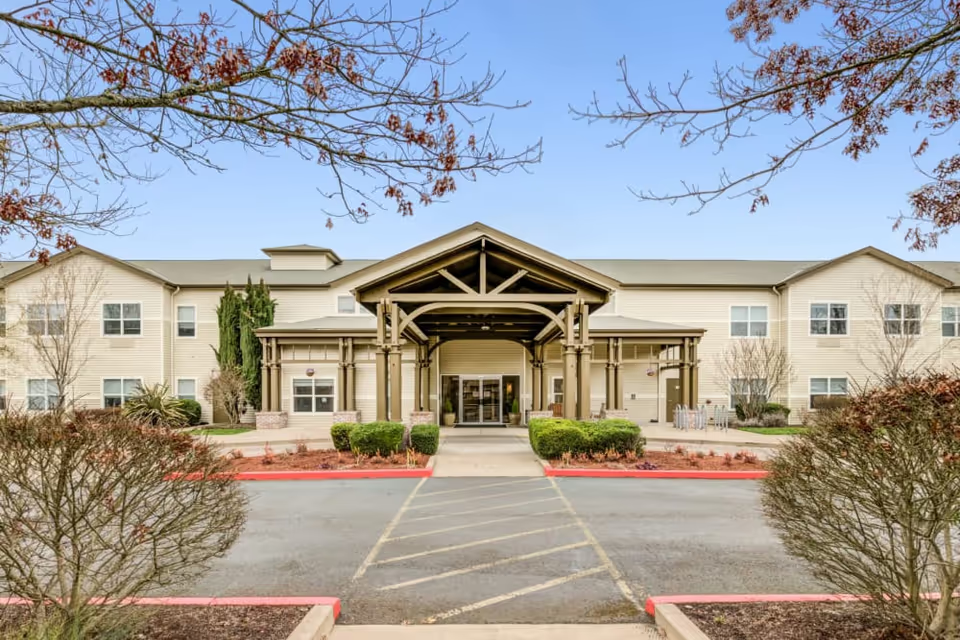
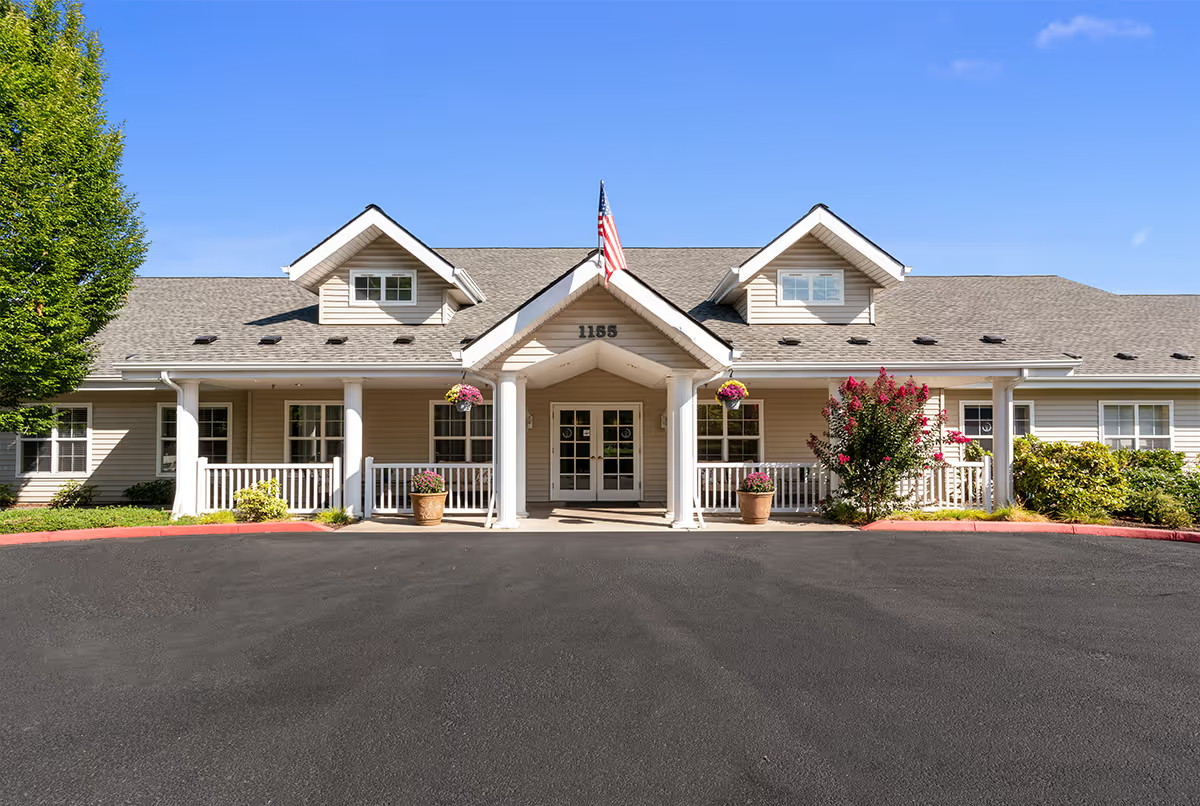
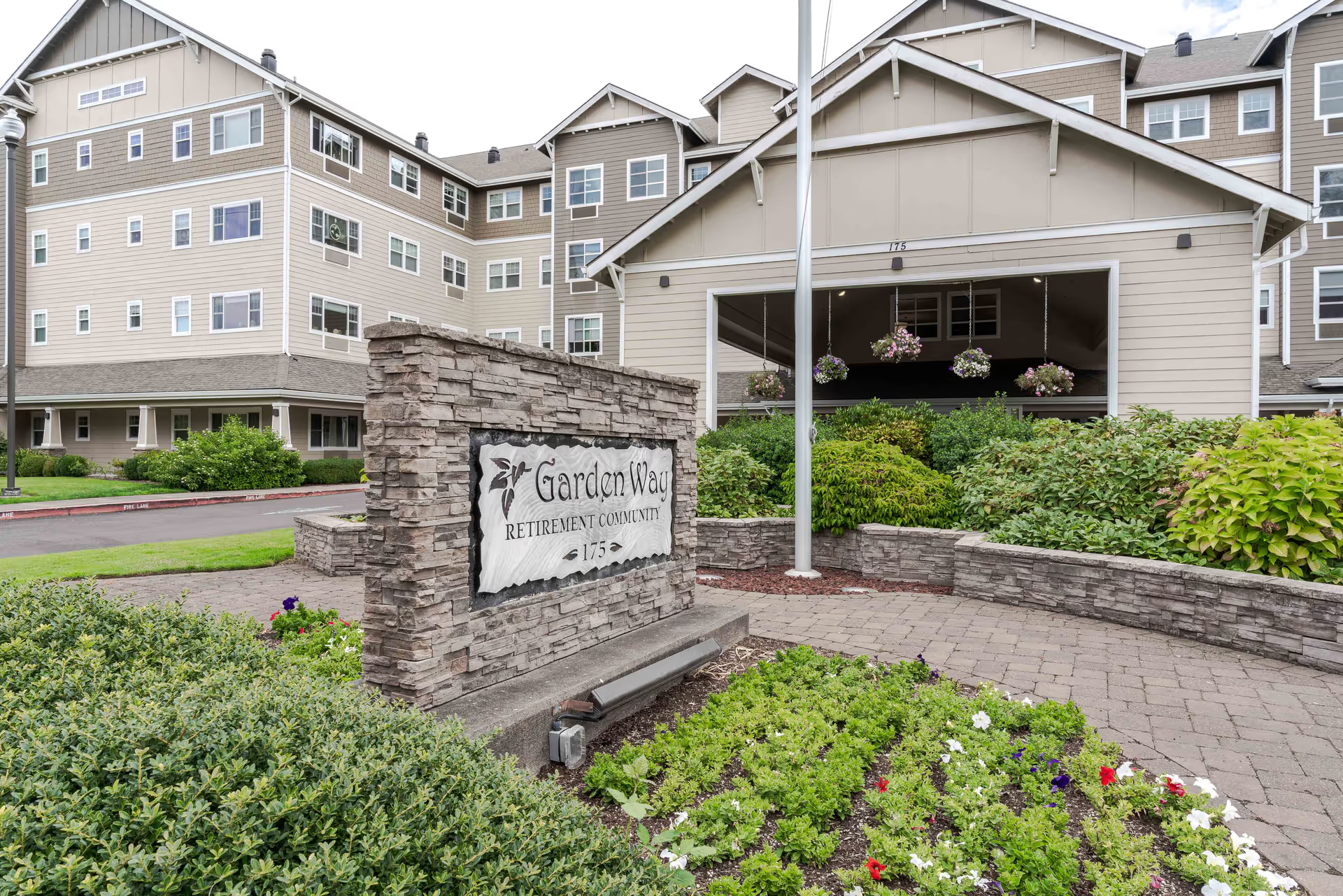
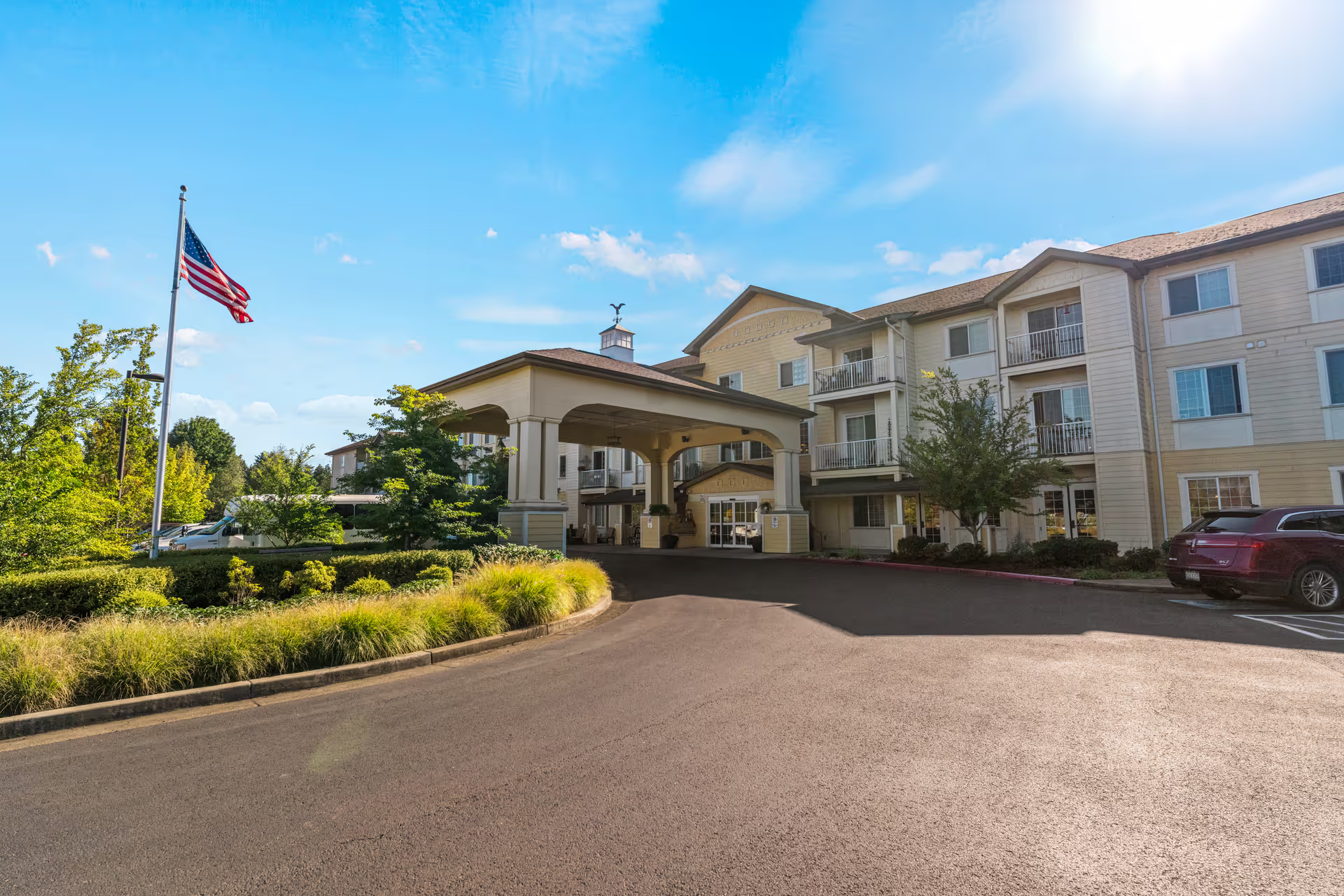
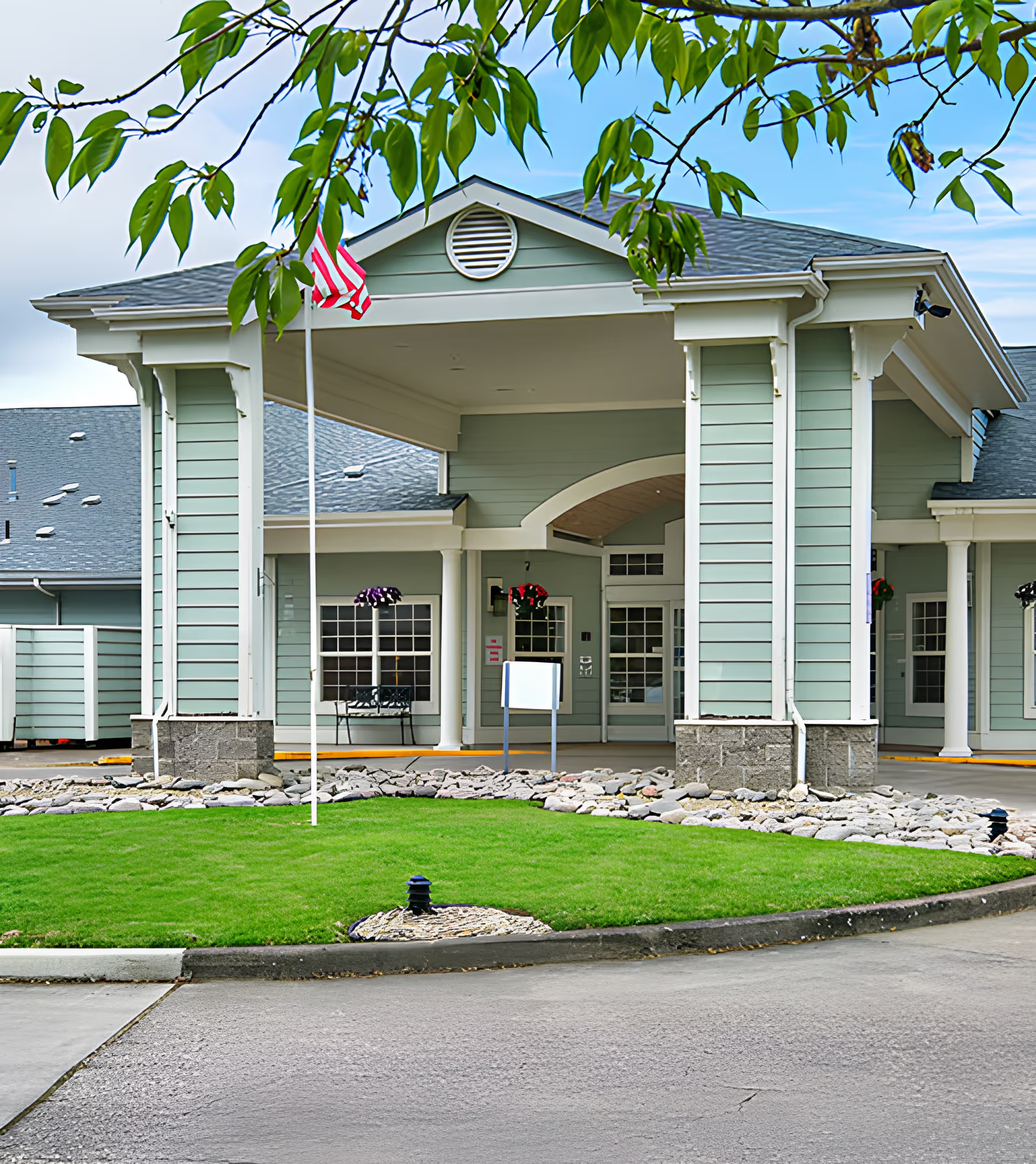
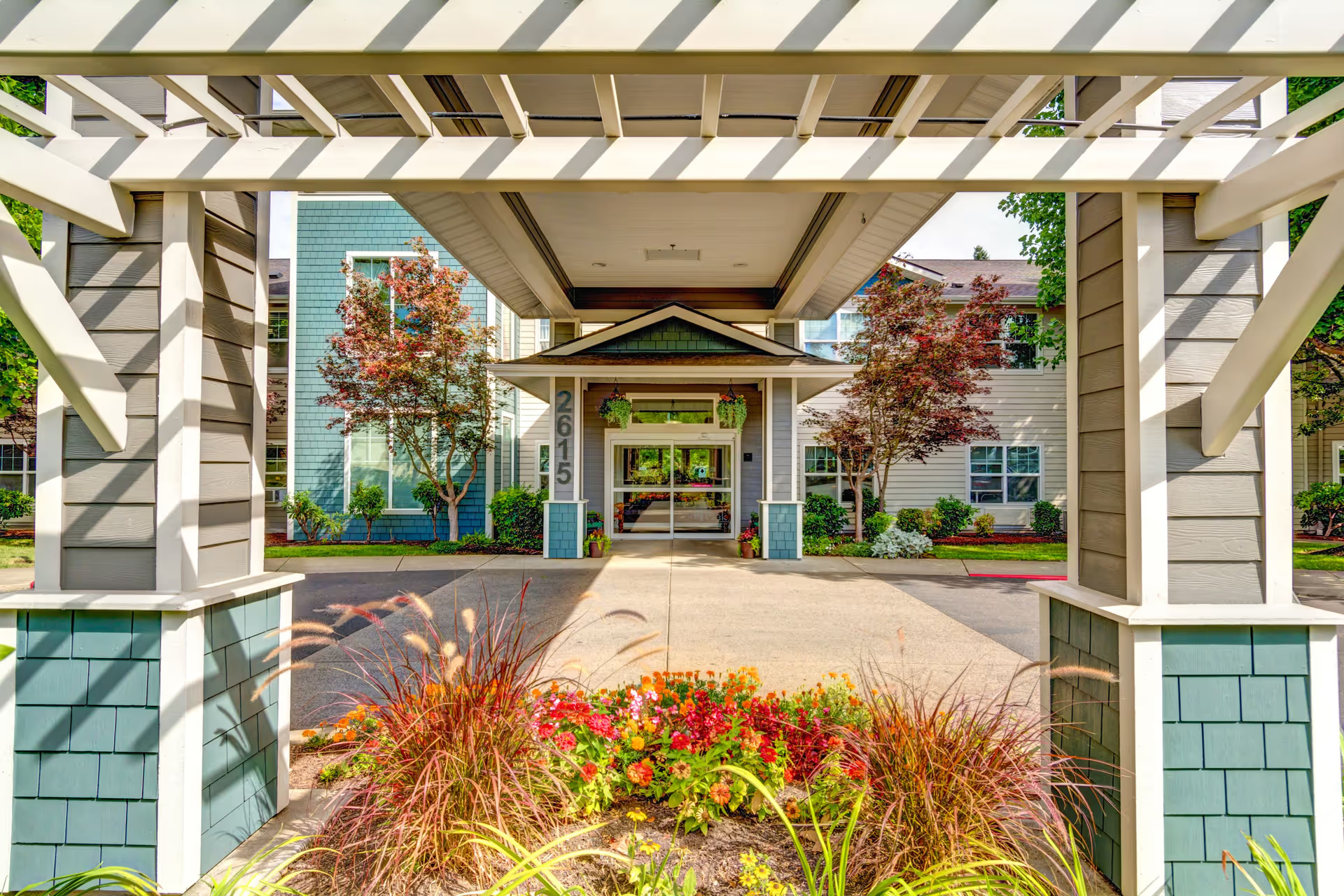
Facilities and safety: The building and common areas receive strong positive feedback: reviewers describe the community as clean, nearly new, attractive, and well-maintained, with a secure environment. The convenient location near medical offices is viewed favorably. However, safety perceptions vary; while several families feel the environment is safe and care is outstanding, operational shortfalls related to staffing and conduct oversight have led others to express safety concerns. Prospective families should ask for current staffing ratios and any recent safety or compliance updates.
Management, communication, and patterns: Management reviews are polarized. Some families praise proactive, responsive administration and steady leadership with little turnover; others report a lack of communication, limited family outreach (including during end-of-life events), and dissatisfaction with how fee increases and move-out instructions were communicated. These management inconsistencies appear to be a central divider in resident and family experience. Common operational themes across reviews include inconsistent scheduling practices, high turnover that affects continuity, gaps in communication with families, and variable competency in medication and clinical tasks.
Recommendations for prospective families: During a visit, ask for current staffing ratios by unit and for examples of how staffing gaps are handled; inquire about caregiver training and medication-administration protocols; request the facility’s policies for family communication, incident reporting, and management escalation; confirm dining schedules and sample menus; and ask about recent leadership tenure and turnover statistics. These targeted questions will help clarify whether the community’s operational practices align with the many positive aspects praised by residents and families.