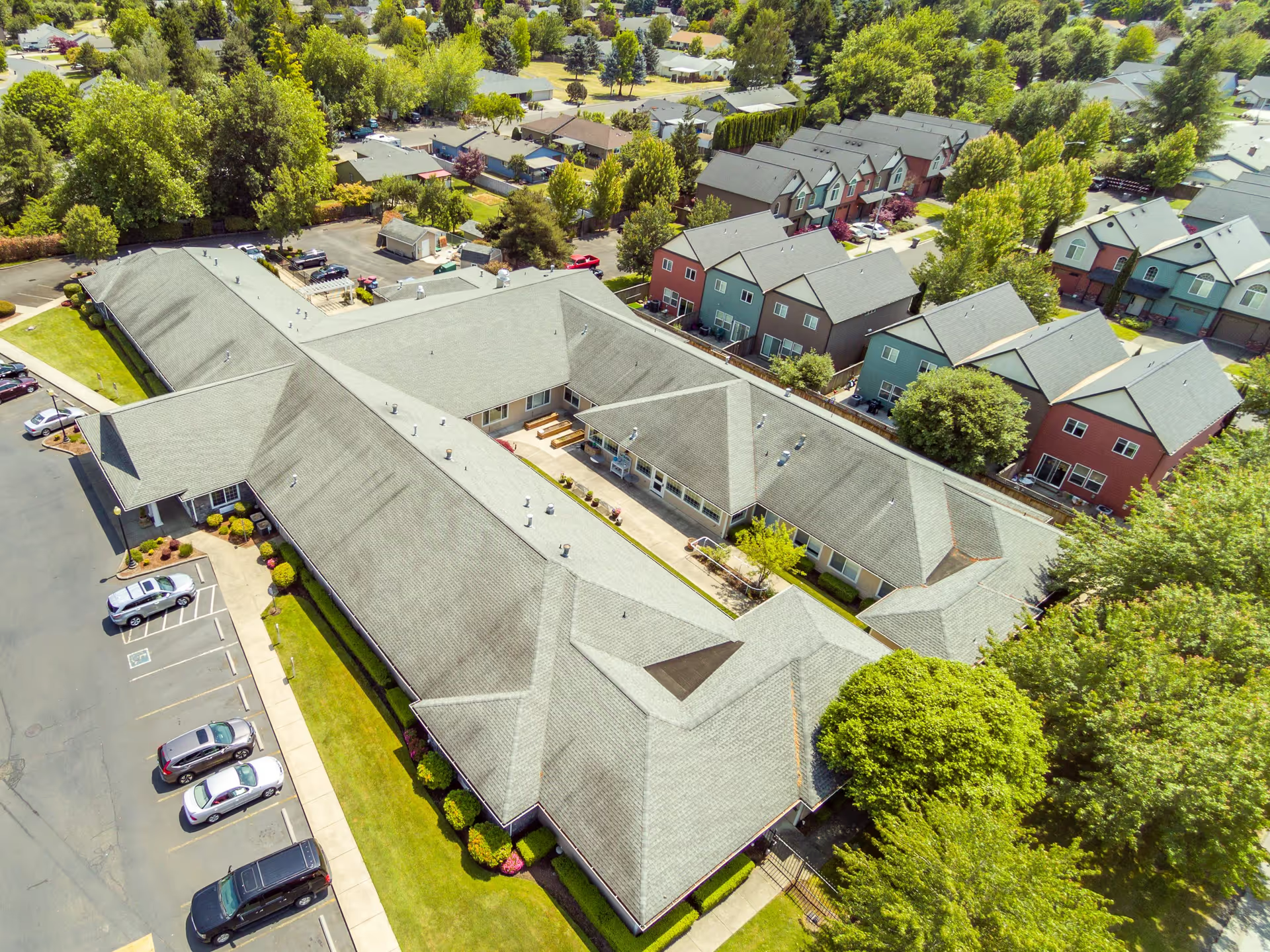
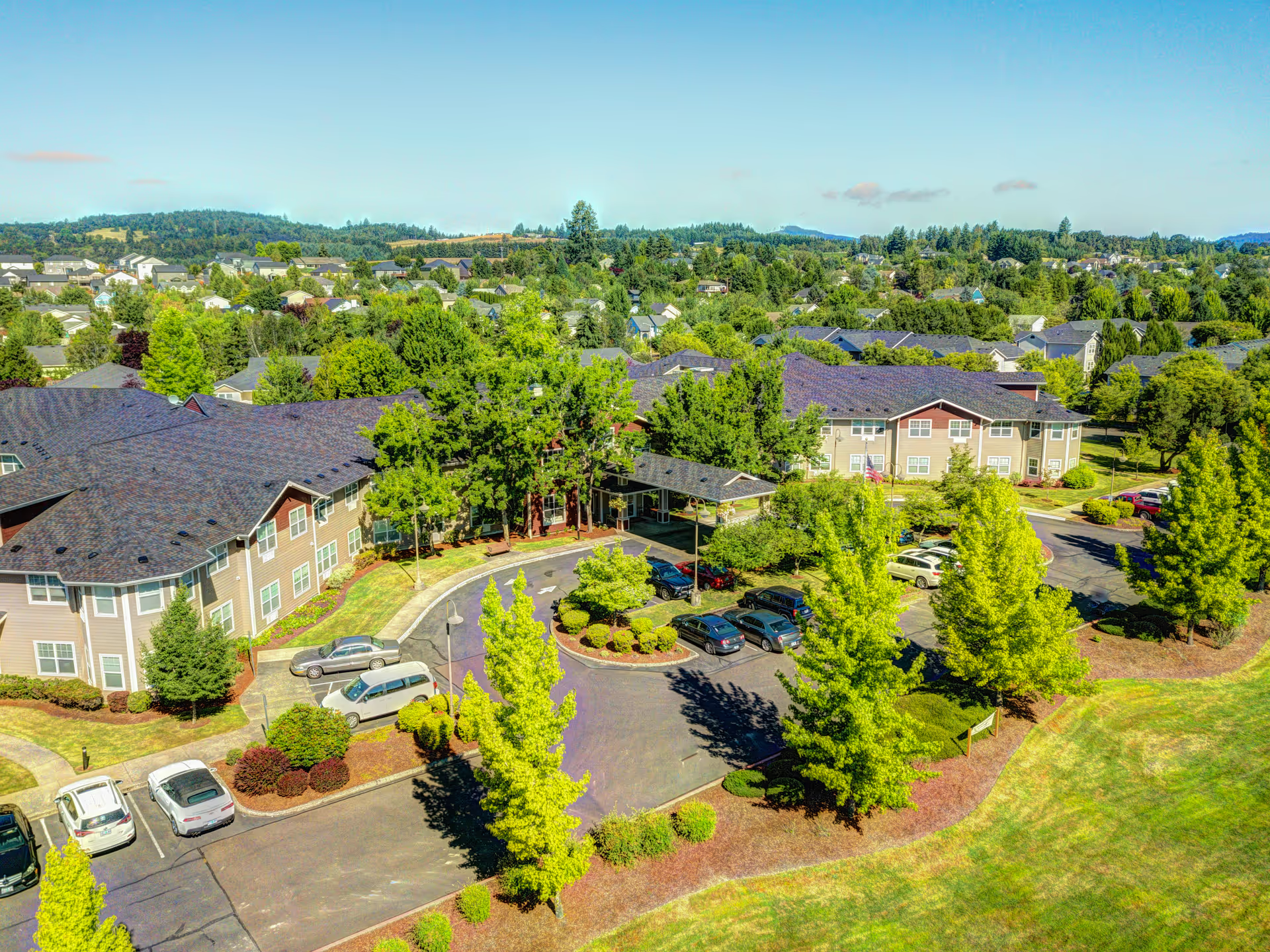
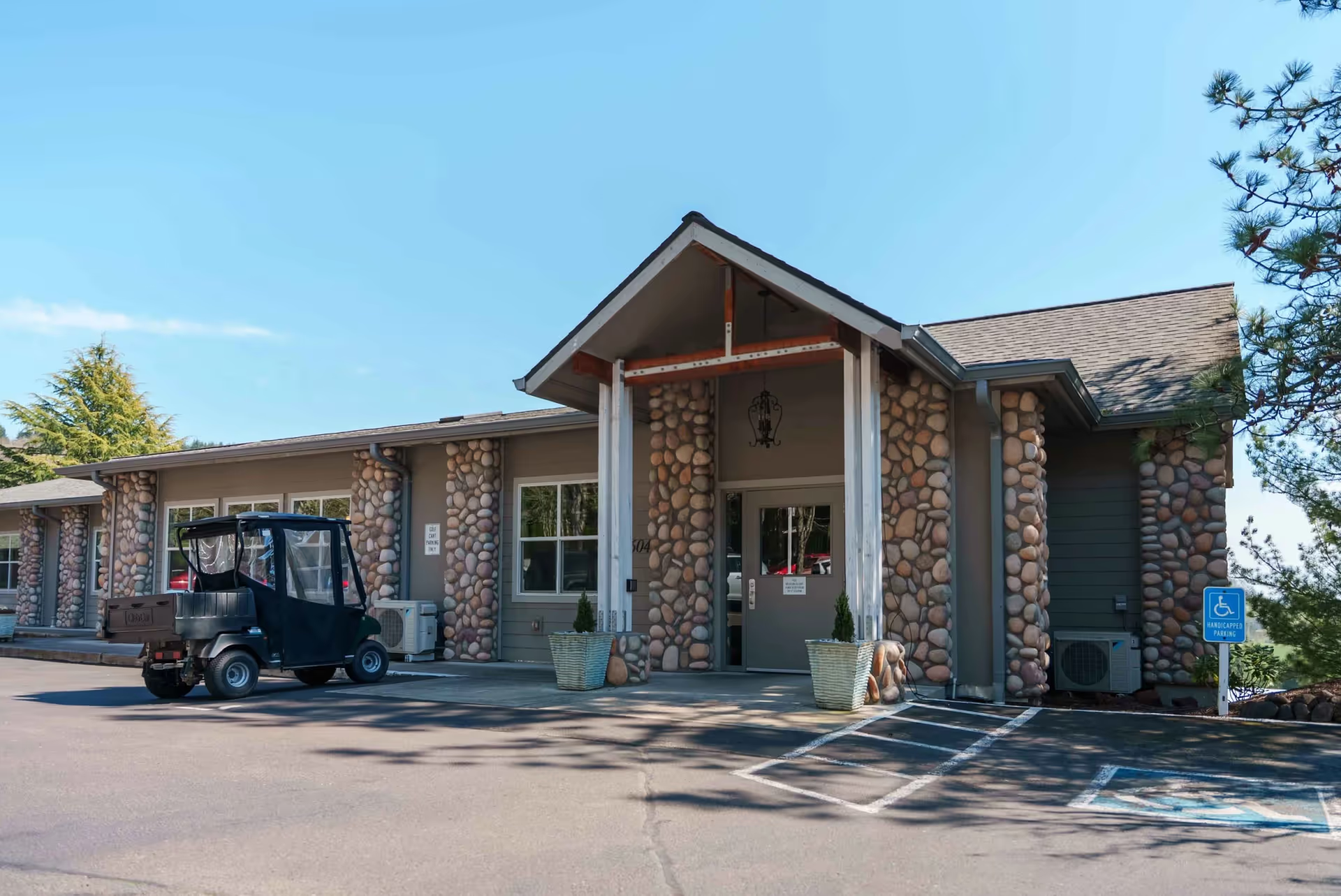
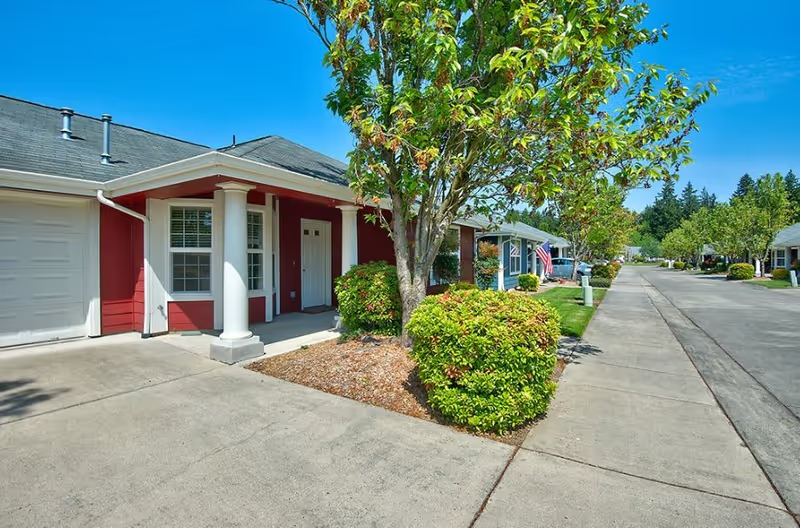
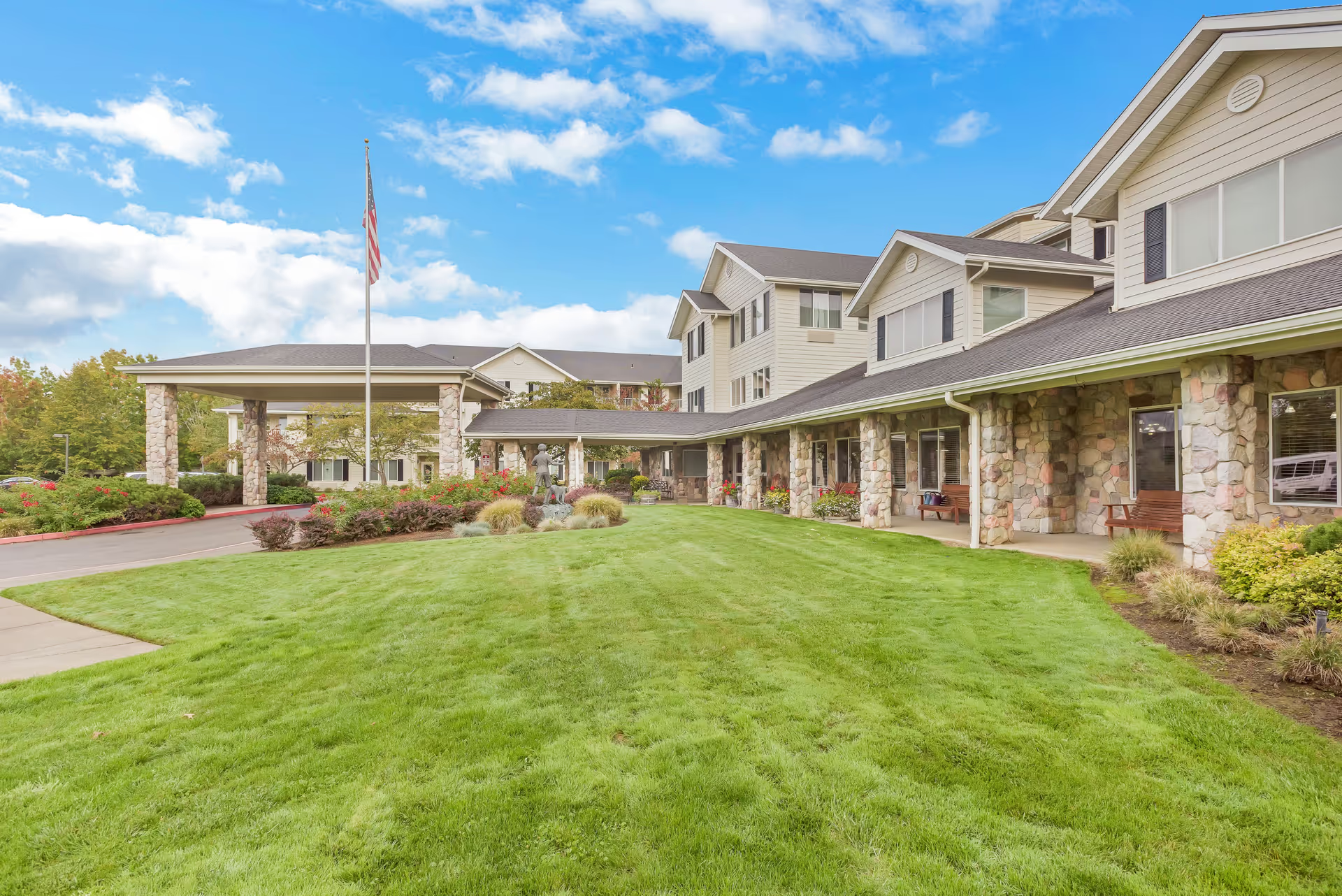
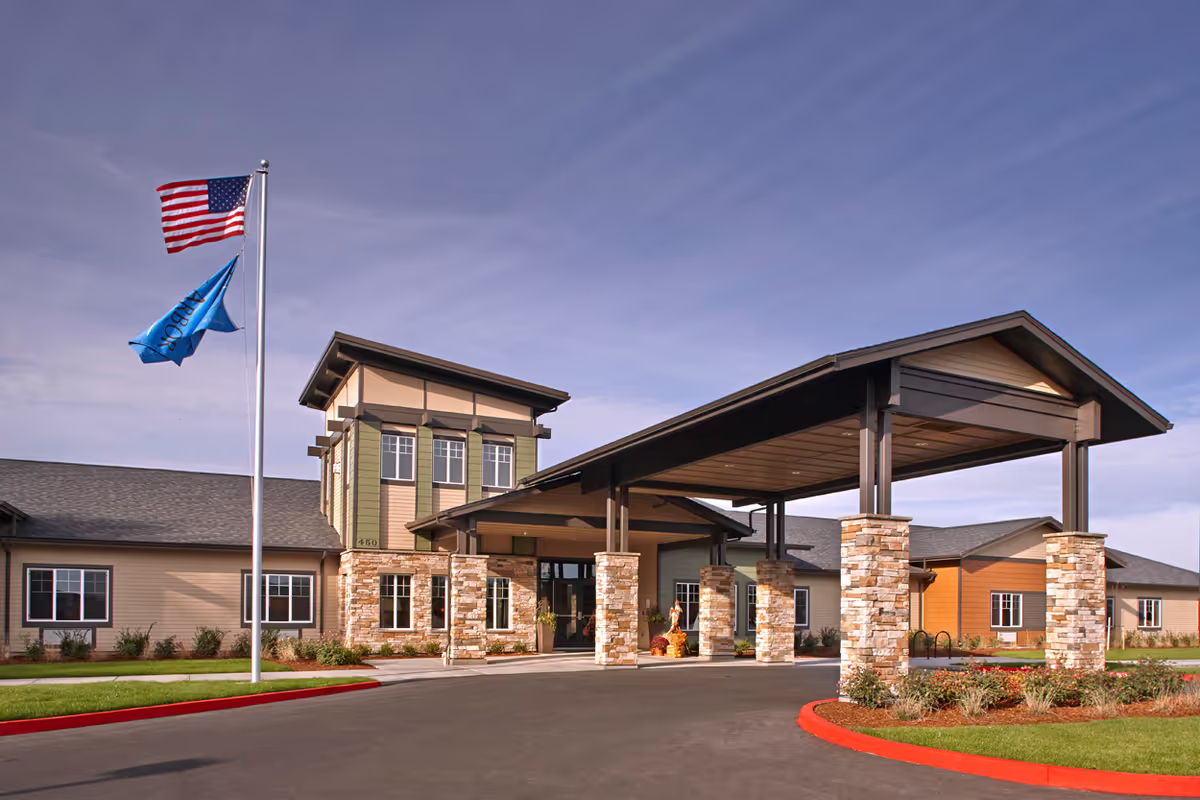
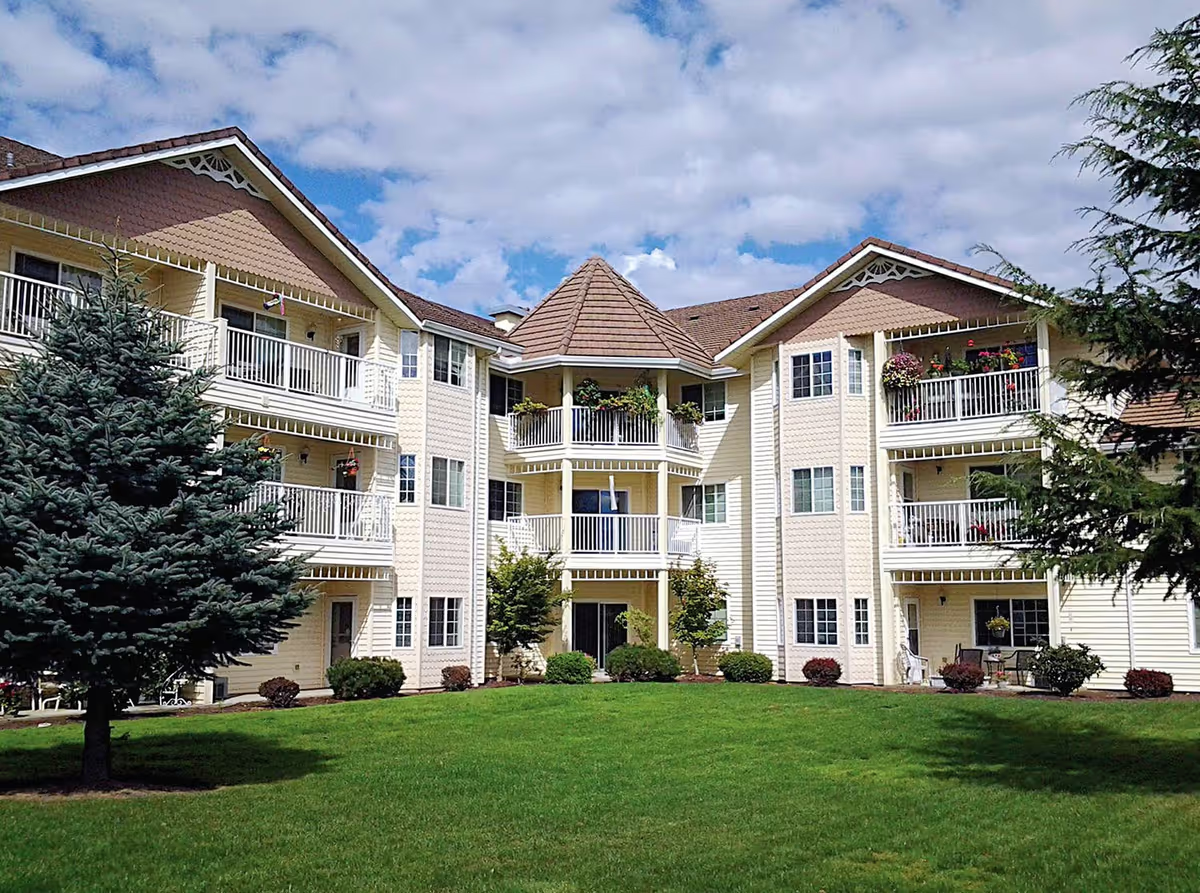
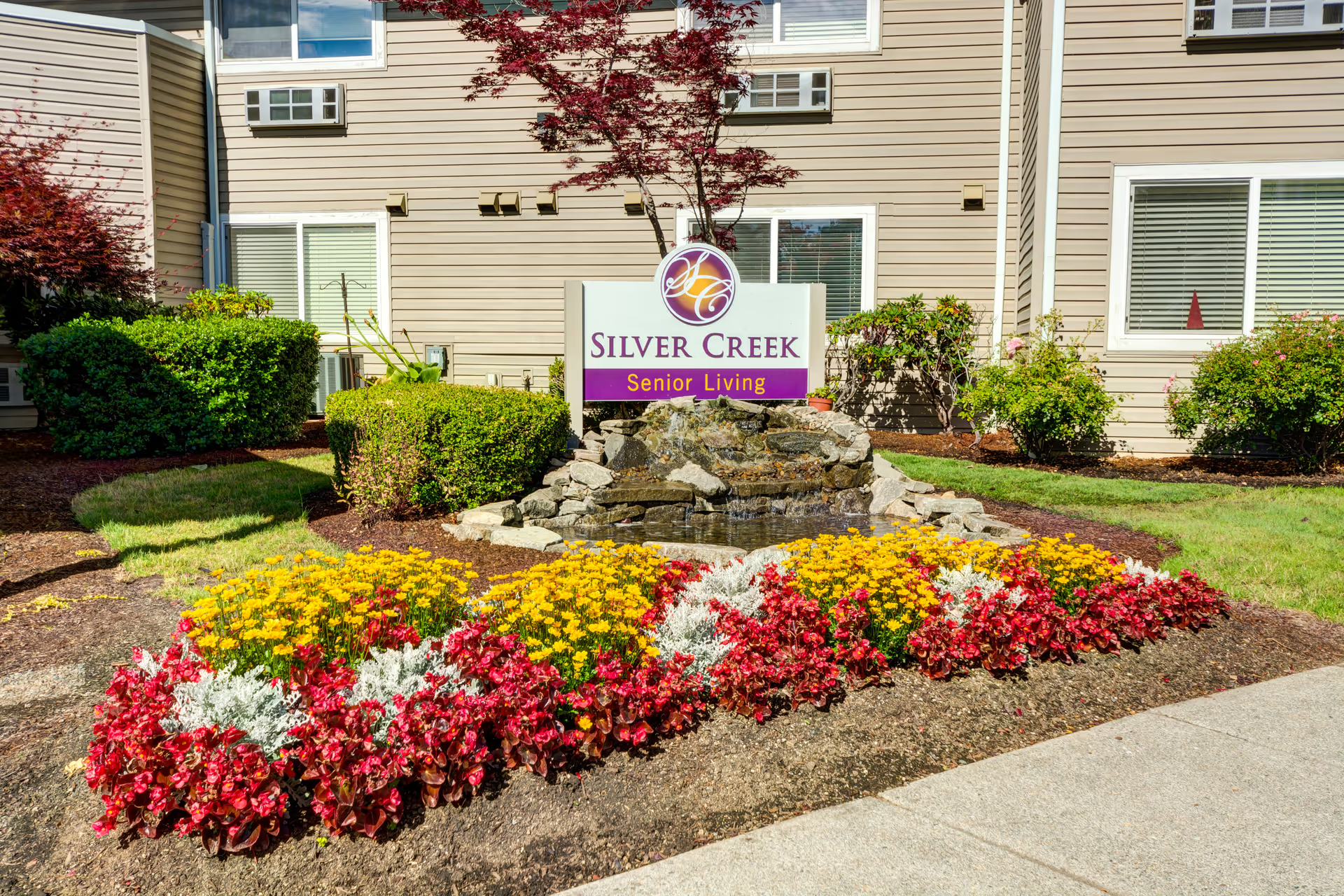
Reviews present a broadly mixed but informative picture. Many families and residents praised the day-to-day caregiving team as attentive, compassionate and welcoming; staff-level strengths are consistently linked to positive social outcomes, effective activity programming, and strong coordination with on-site medical services and outpatient clinics. When clinical rehabilitation is delivered, reviewers describe clear progress — examples include transitions from bed-bound to walker-assisted mobility and successful wound-care coordination with outside clinics. The community offers a wide range of apartment styles, cottage and villa options, and numerous campus amenities (salon, gym, activity rooms, saltwater pool), which appeal to people seeking a modern, full-service retirement environment.
At the same time, a subset of reviews raises significant operational concerns that prospective families should weigh. There are repeated references to inconsistent clinical-care delivery and variability in therapy intensity across units; some families felt they had to advocate strongly to obtain more aggressive therapy or timely clinical attention. Staffing variability and occasional delays in responsiveness are described alongside concerns about management visibility and communication; these patterns have, in several examples, complicated family communication during clinical incidents and care transitions.
Dining and activities are frequently cited as strengths — varied menus, communal dining, frequent outings, and robust exercise and social programs — but reviewers also reported uneven meal quality and temperature-control issues, reservation limits for dining seating, and cases where meals did not meet individual nutritional needs. Memory-care programming received mixed feedback, with specific mentions of limited activities and engagement in that unit. Maintenance and amenity availability also show variability: some reviewers praised newly renovated, spotless interiors and high ceilings, while others noted deferred-maintenance items, delays in promised amenities, and isolated sanitation or mold concerns.
Financial and administrative factors are another area of divergence. Several families appreciated transparent up-front cost discussions and helpful admissions support, while others expressed frustration with complex buy-in models, fee increases, or contract-related outcomes. A few reviewers described serious individual grievances that led to relocation and improved outcomes elsewhere; these accounts underscore the importance of active family advocacy and careful contract review.
In short, Traditions at Hillside offers many features typical of higher-end CCRC communities — strong social programming, varied housing, on-site clinical services, and many engaged staff — but also shows variability in clinical consistency, staffing responsiveness, dining continuity, and maintenance follow-through. Prospective residents and families should prioritize an in-person assessment of the specific unit and staff they will work with, review contract terms carefully, and clarify expectations for therapy intensity, memory-care engagement, dining accommodations, and incident communication before committing.