Care quality: Reviews emphasize strong, personalized caregiving delivered in a small, residential setting. Families consistently describe attentiveness, individualized comfort measures, and instances of effective clinical intervention. The facility appears to provide coordinated end-of-life support and hospice collaboration in ways that many families found reassuring. At the same time, some accounts point to operational lapses that affect care continuity and response during critical moments, which prospective families should assess directly.
Staff: Staffing is frequently described in positive terms—caring, friendly, professional, and knowledgeable personnel who create a familial atmosphere. Specific gestures (for example, staff purchasing comfort items or visiting during an end-of-life transition) underline a culture of personal attention. However, reviewers also note employment-related issues and variability in staff performance, suggesting turnover or staffing instability can influence day-to-day consistency.
Dining and activities: Reviews do not provide detailed commentary on dining quality or formal activity programming. The repeatedly mentioned "home-like" environment suggests a smaller-scale model where activities may be informal and meals are likely prepared in a residential style. Prospective residents should request sample menus, activity calendars, and opportunities to observe a typical day during a tour to verify fit.
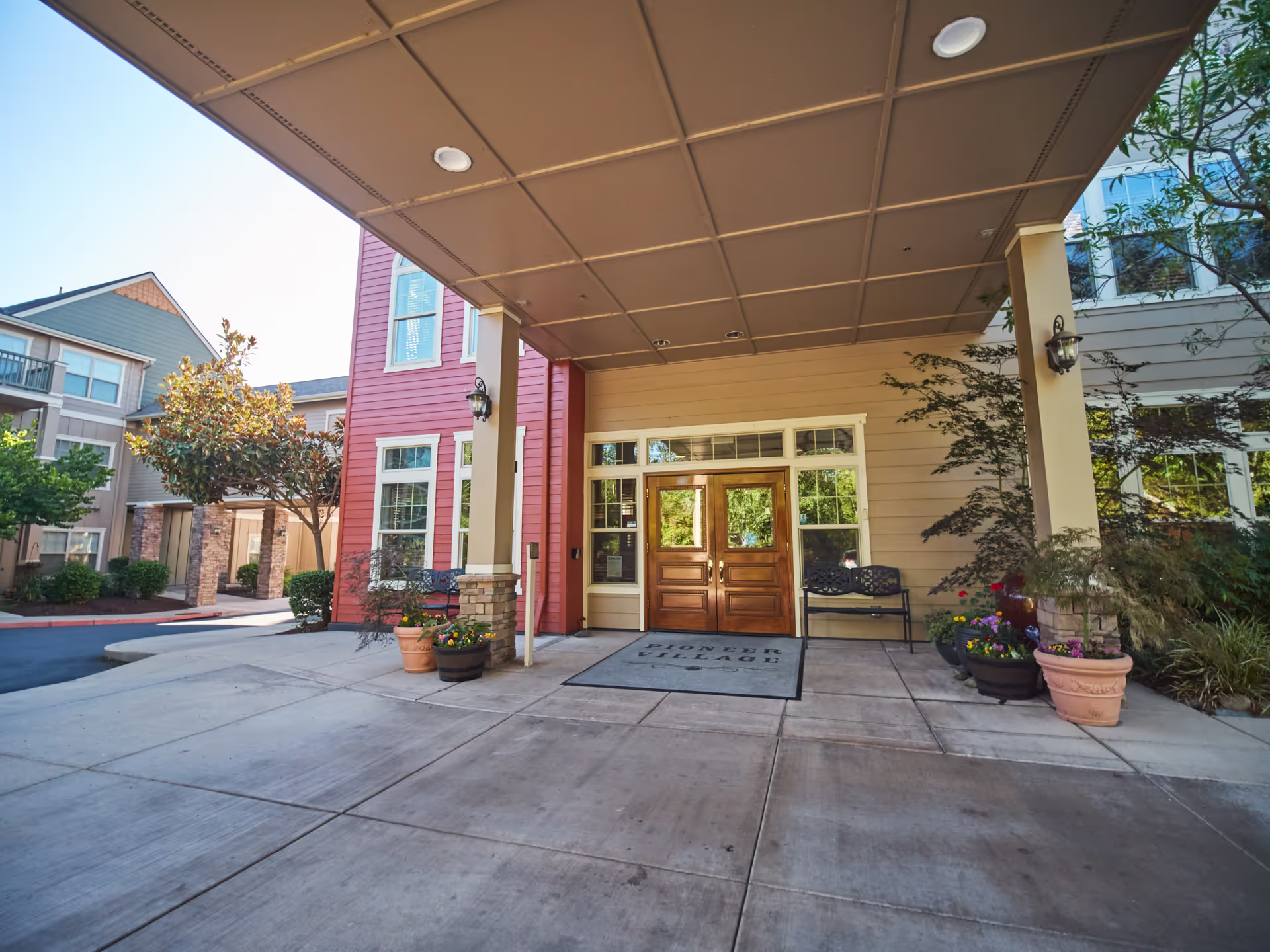
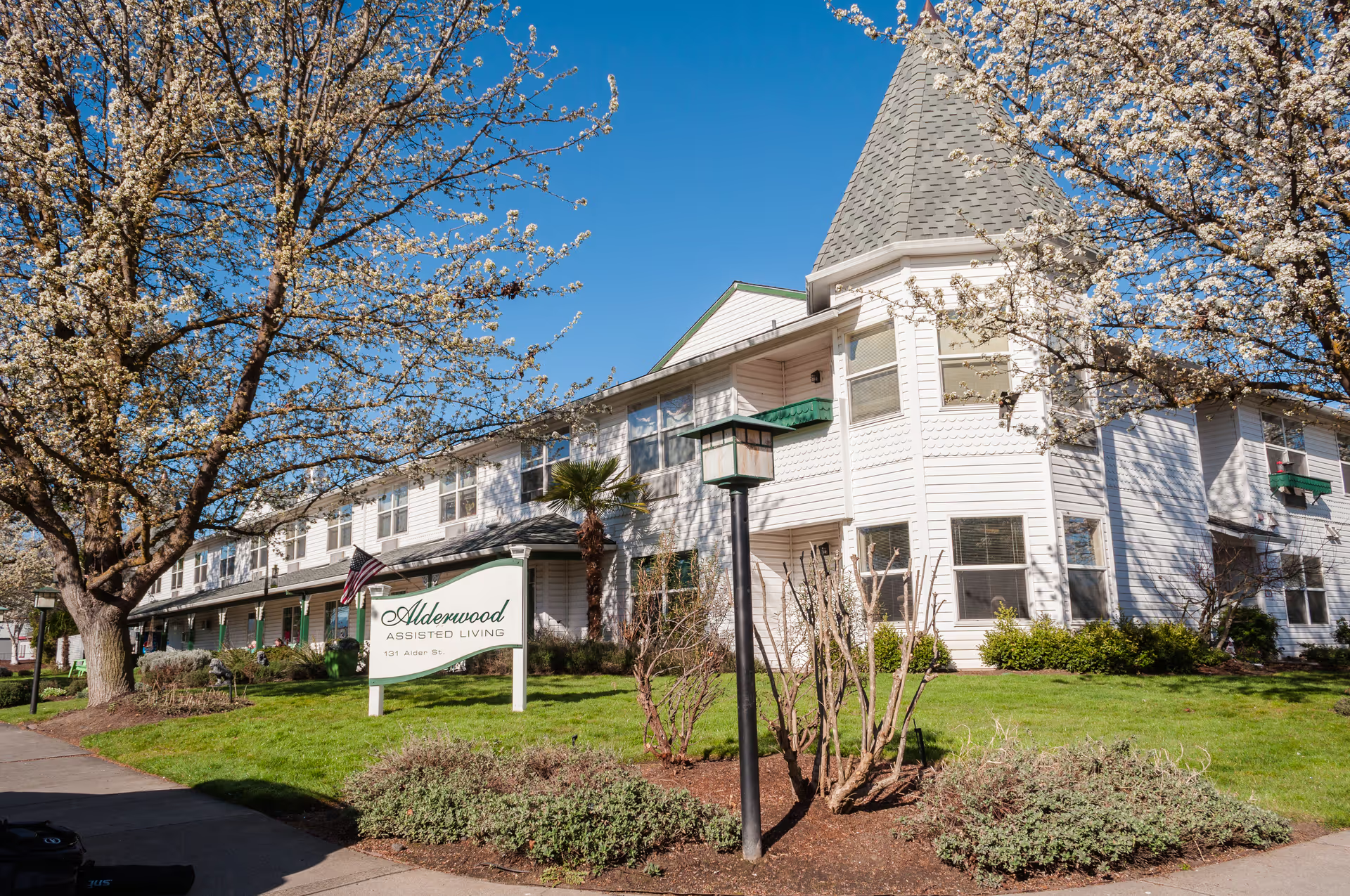
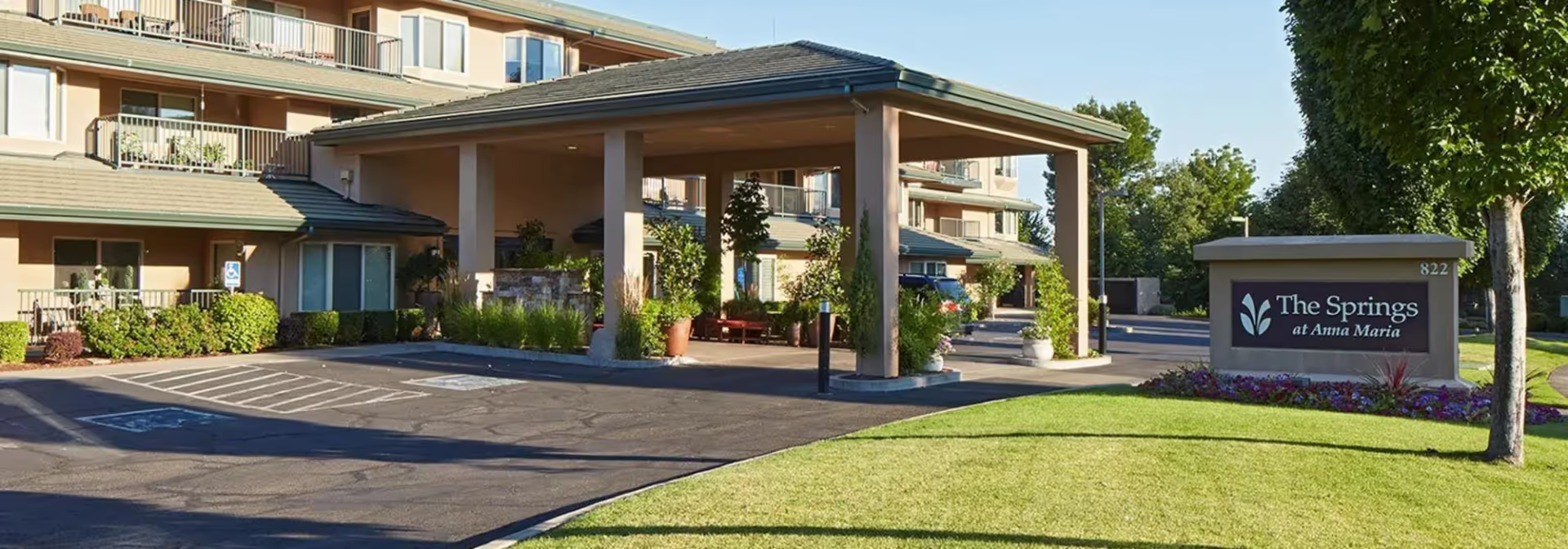
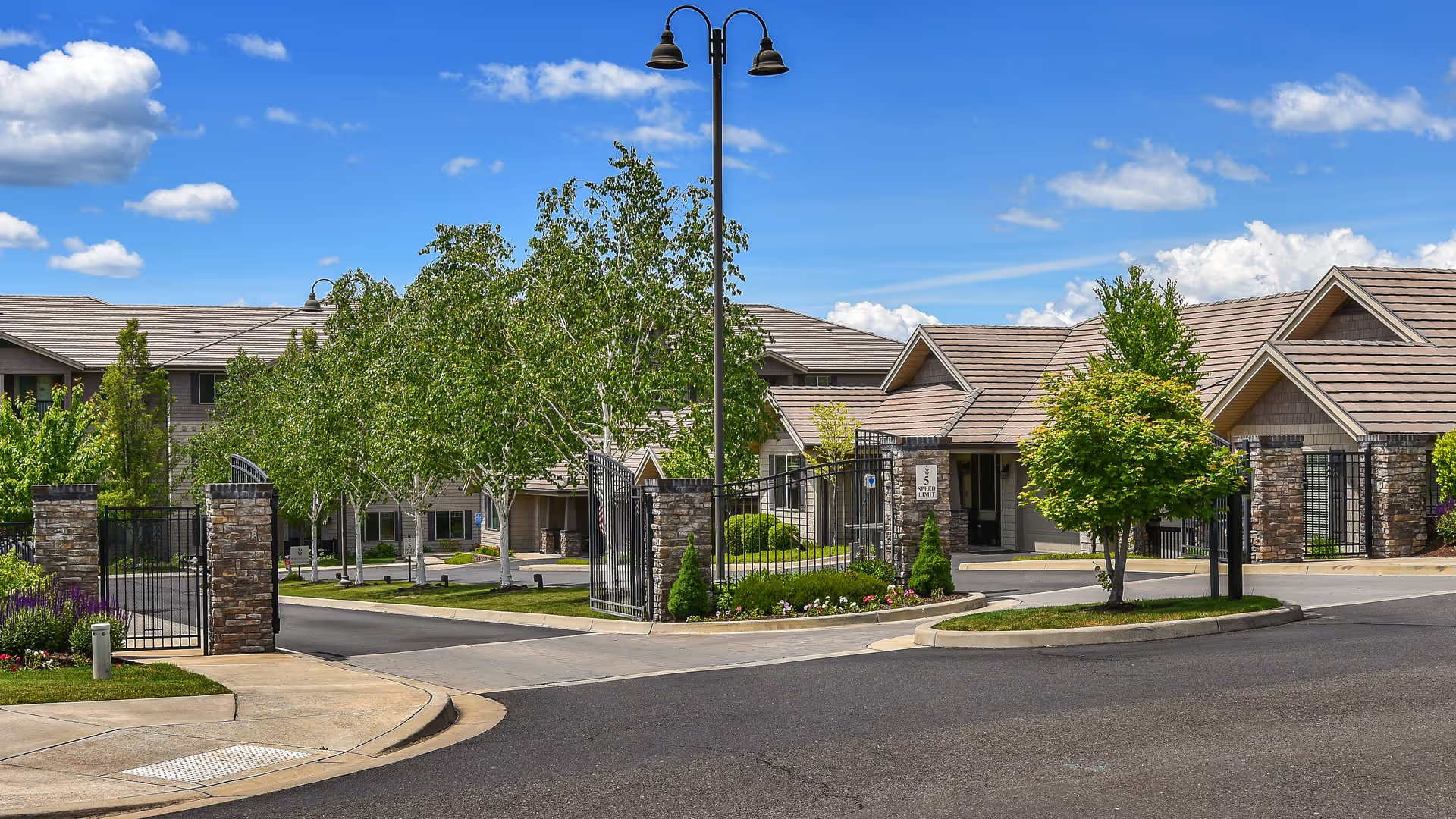
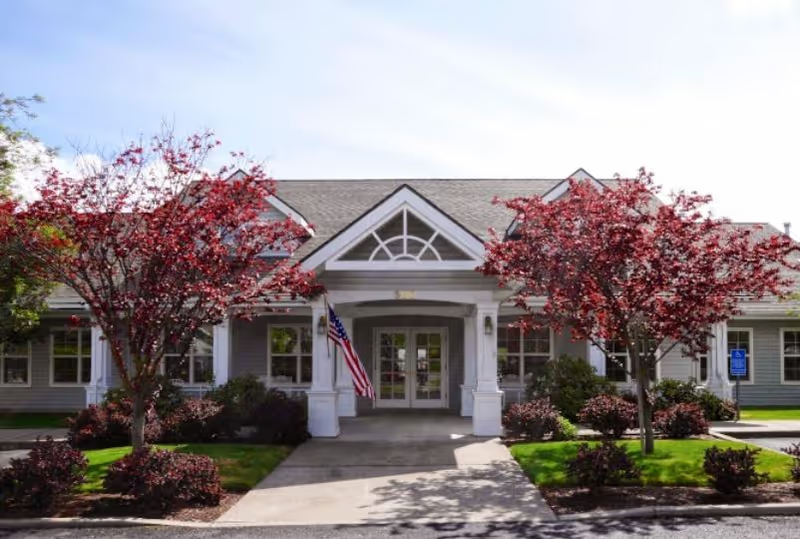
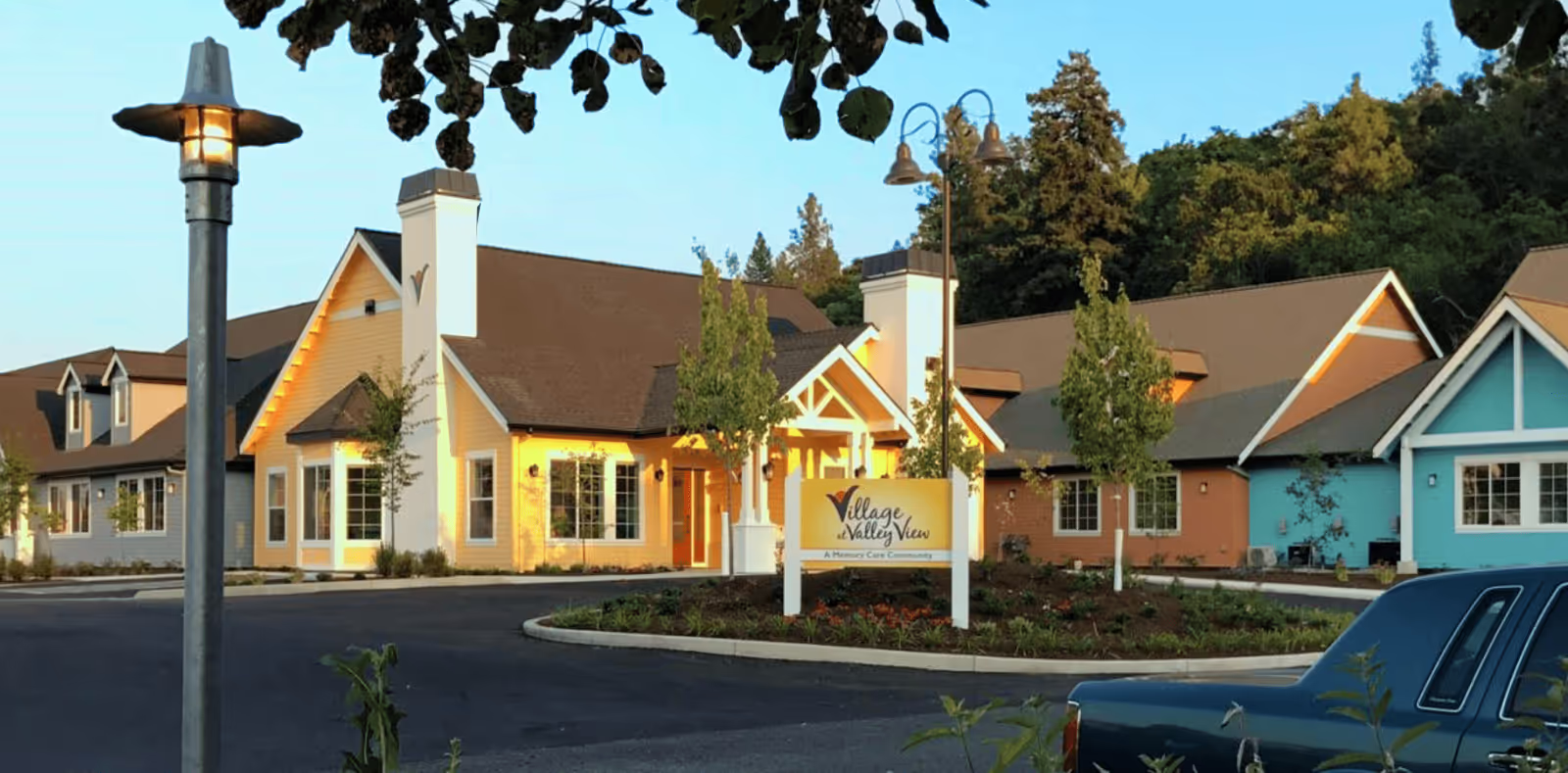
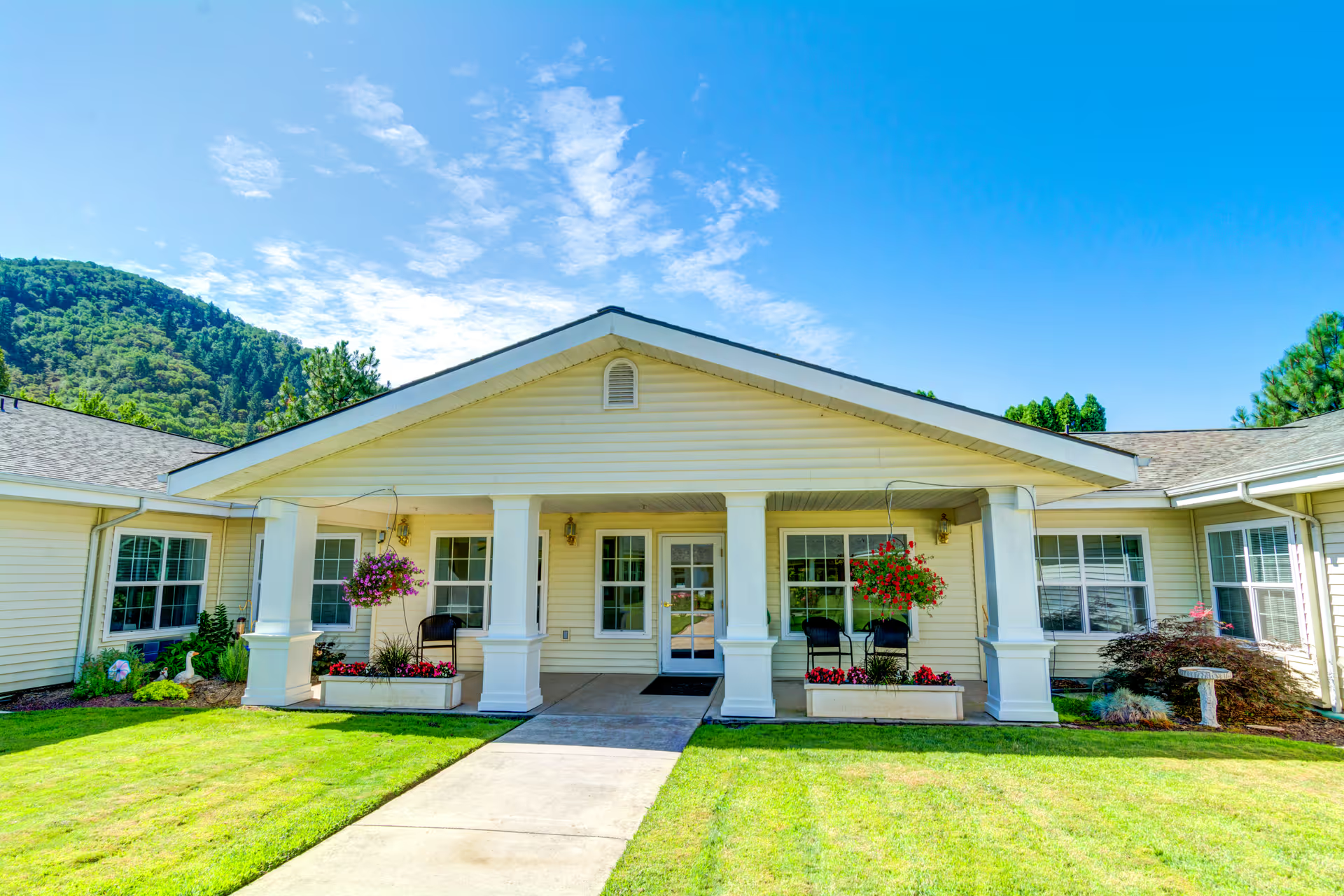
Facilities: The setting is described as welcoming and homelike, contributing to many families' sense of peace of mind. Positive descriptions of the physical environment are balanced by operational concerns around handling residents' personal property and follow-through on family requests. Those interested should clarify property-management procedures and inventory practices during the admissions process.
Management and communication: Strengths include coordination with hospice and instances of effective clinical input. Conversely, reviewers point to managerial and communication shortcomings: inconsistent follow-through on requests, lapses in supervision, and unclear responses to family concerns. These recurring themes indicate that management practices and communication protocols are important topics to explore when evaluating the facility.
Notable patterns and guidance: Overall, the dominant impression is of a facility that can offer compassionate, individualized care in a residential atmosphere, with particular strengths in end-of-life coordination and hands-on attention. Concurrently, there are operational patterns—staffing variability, supervision gaps, property-handling issues, and follow-through shortfalls—that can affect the experience. For prospective residents and families, recommended steps include asking about staffing levels and turnover, incident-response procedures, property-inventory and replacement policies, examples of care continuity protocols, and opportunities to meet core caregivers before placement.