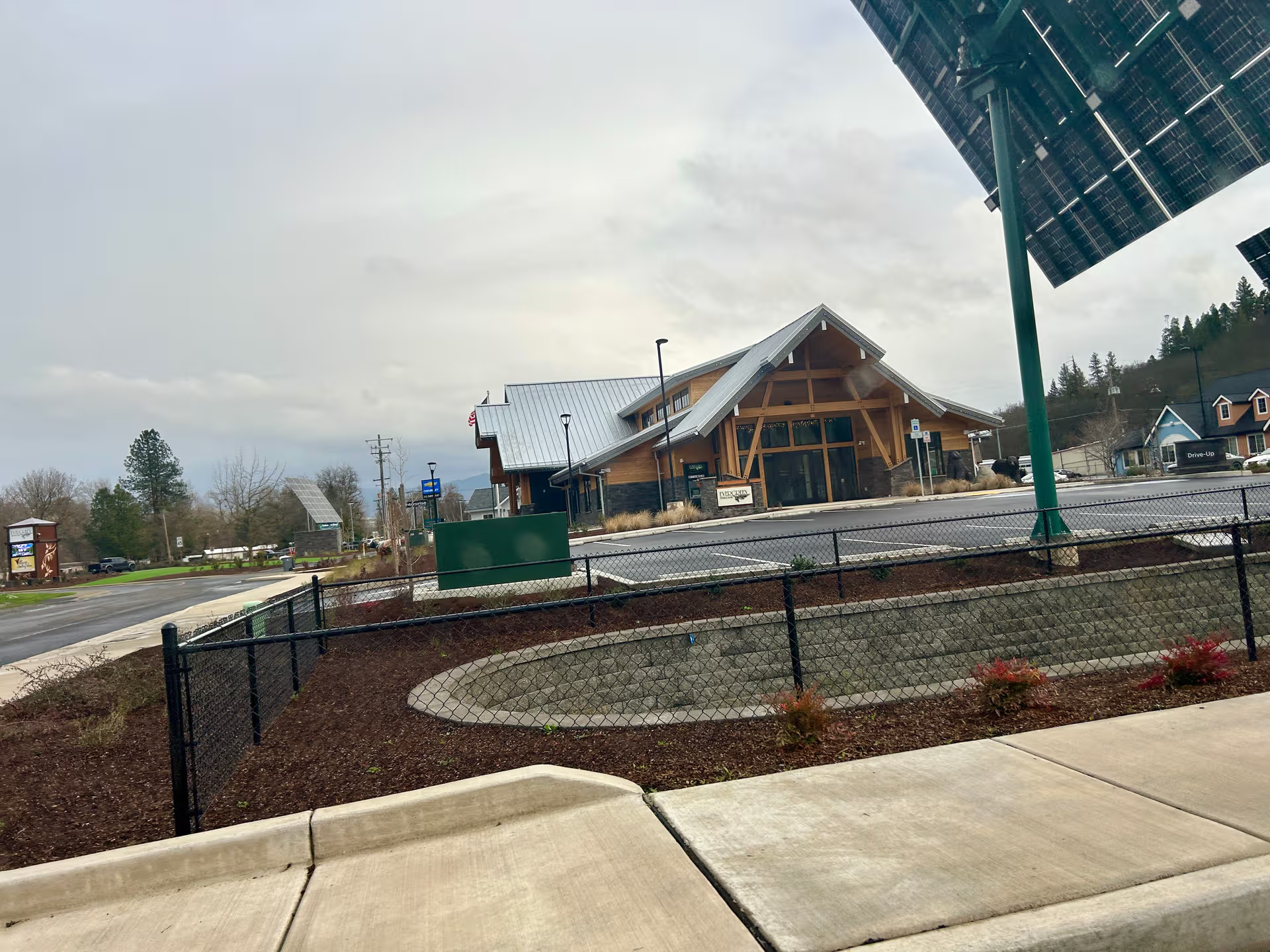
Horton Plaza presents a mixed picture: many families and residents praise the frontline caregiving team, activity staff, and on-site leaders for creating a warm, social environment and for attending well to end-of-life needs. Care staff are frequently described as compassionate and long-tenured, and leadership figures (including the General Manager and Personal Care Director) receive praise for visible involvement. Housekeeping and maintenance are commonly noted as reliable, and private apartments with individual climate control, in‑room cooking options, and a generally clean campus contribute to resident comfort.
Dining and programming are strengths for the community. Reviewers describe nutritious, varied menus with accommodations for special diets and a kitchen staff willing to assist. The activity program is broad and active — offerings cited include themed events, library and tea gatherings, trips, lectures, movies, and outdoor festivals — and staff are credited with creating opportunities that promote social connection. The campus is also described as pet-friendly with secured outdoor areas and scooter-accessible pathways, which supports residents who bring or visit with pets.
Alongside these positives, recurring operational concerns appear in family narratives. Several families describe restrictive visitation practices and adversarial interactions with management, including limited flexibility around guest limits and escalation when families criticize the facility. These interactions have contributed to perceptions of poor transparency and unmet expectations around conflict resolution. There are also operational gaps noted that affect clinical reliability and property stewardship: concerns about medication-administration controls, billing or charges for services not rendered, and missing personal items suggest weaknesses in oversight and recordkeeping.
Facility-condition and service consistency are mixed. While common areas and housekeeping are often commended, some private units and kitchen/cupboard finishes are described as dated and in need of modernization. Meal quality is generally positive but occasional inconsistency in preparation and texture is mentioned. Practical service issues such as limited guest Wi‑Fi and occasional communication tone problems with certain staff members have also been raised.
Taken together, Horton Plaza appears to offer strong person-centered caregiving, robust activities, and a welcoming daily environment for many residents. However, prospective residents and families should assess the community’s visitation policies, clarify billing and inventory procedures, and review clinical oversight practices (including medication administration) during a tour and in contract discussions. Asking to meet leadership, reviewing the community’s grievance and escalation policies, and speaking with current residents and family members about recent experiences will provide additional context to balance the facility’s evident strengths against the operational concerns some families have experienced.