Overall impression: Reviews present a mixed but coherent picture. Many families and visitors describe a warm, small-scale environment with staff who are attentive and personally engaged with residents. At the same time, recurring operational weaknesses—particularly around staffing, personal-care oversight, property management, and certain clinical controls—are repeatedly noted and have a material impact on perceived quality of care.
Care quality and staffing: Positive commentary emphasizes compassionate caregivers who often treat residents like family, frequent one-on-one attention in a small setting, and notable improvements attributed to engaged leadership. Conversely, persistent staffing shortfalls and moments of insufficient coverage are described as producing delays in routine monitoring and assistance (for example, feeding and personal-care support). These workforce constraints translate into uneven experiences: some families report near-ideal, attentive care while others describe unmet care needs and delayed responses.
Staff and management: Leadership presence is a clear strength for many reviewers; administrators are credited with advocacy, responsiveness, and visible investment in resident well-being. Several reviewers attribute measurable improvements to changes in administration. However, other comments describe management communication as confrontational or punitive, and there are concerns about how incidents and serious events are handled and reported. There are also reports indicating weaknesses in staff qualification/coverage and in administrative follow-through (scheduling, answering family questions, and honoring contracted care terms).
Dining and activities: Dining is frequently cited as a positive, with varied, timely meal options and an adequate quantity of food; some families note particular resident-centered traditions and regular treats. At the same time, activity programming appears inconsistent: an activity board and scheduled options exist, and a smaller population allows more interpersonal interaction for some residents, but others report minimal programming and limited organized engagement. Prospective families should clarify current activity schedules and participation levels.
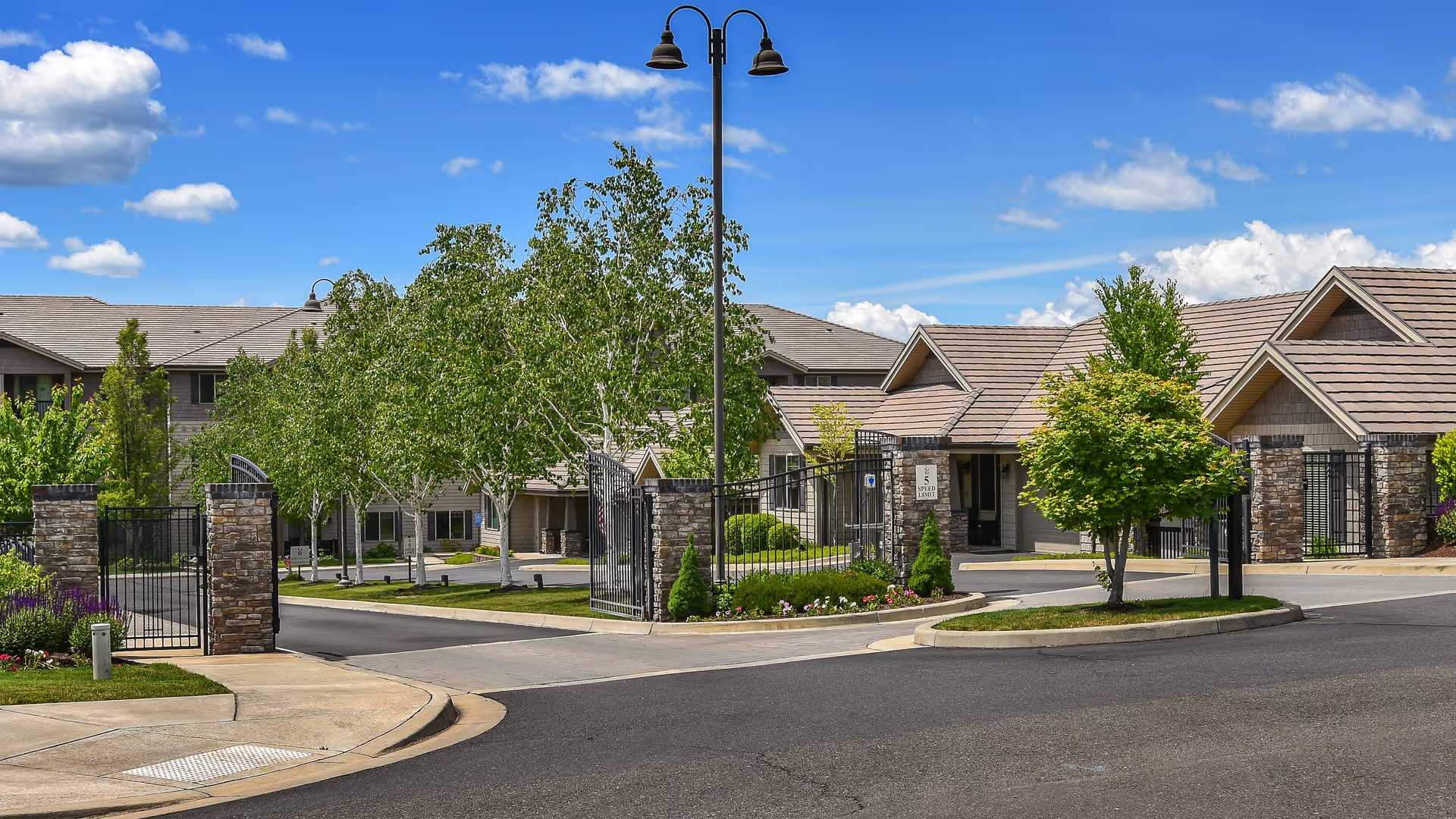
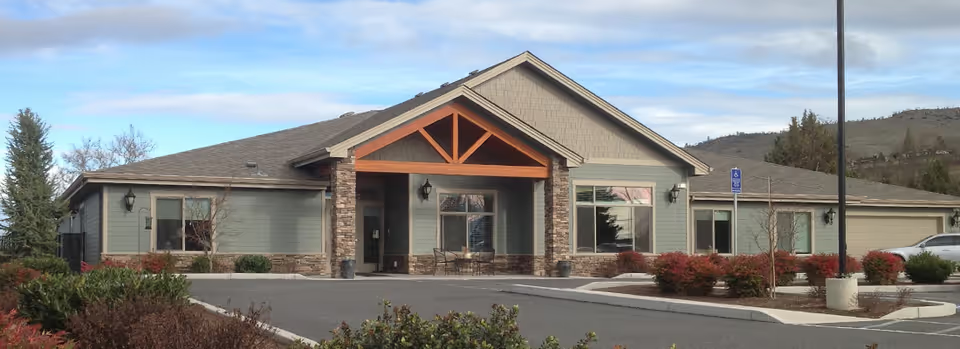
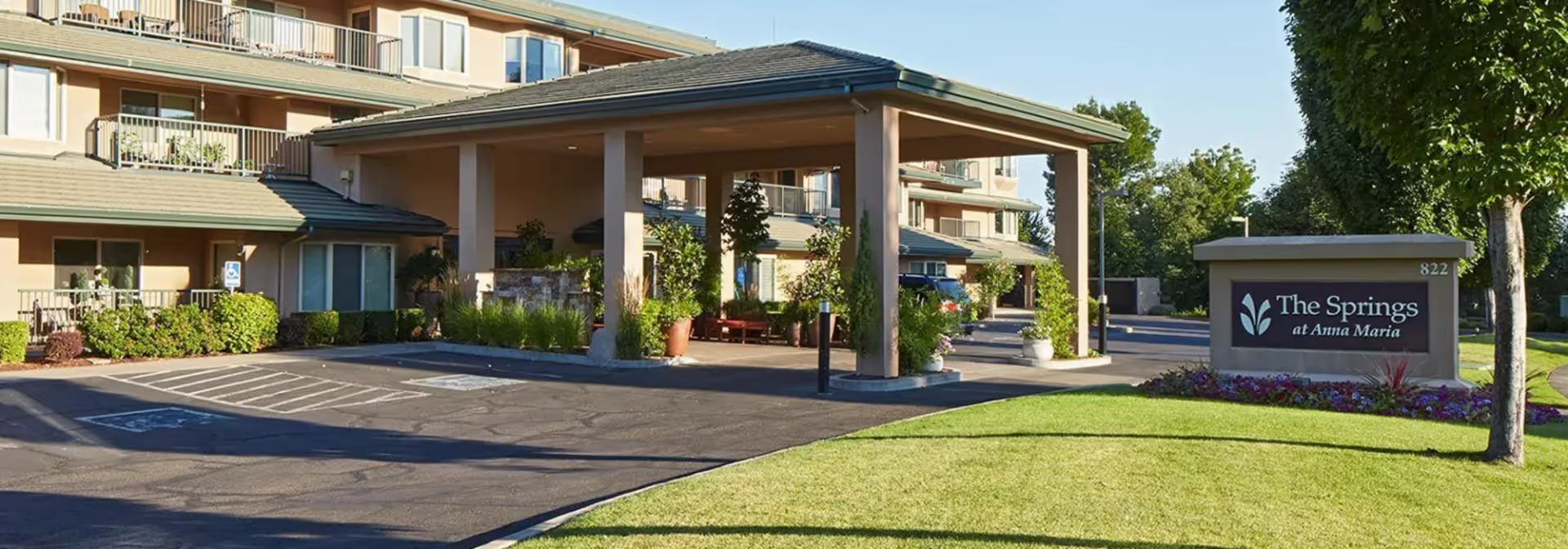
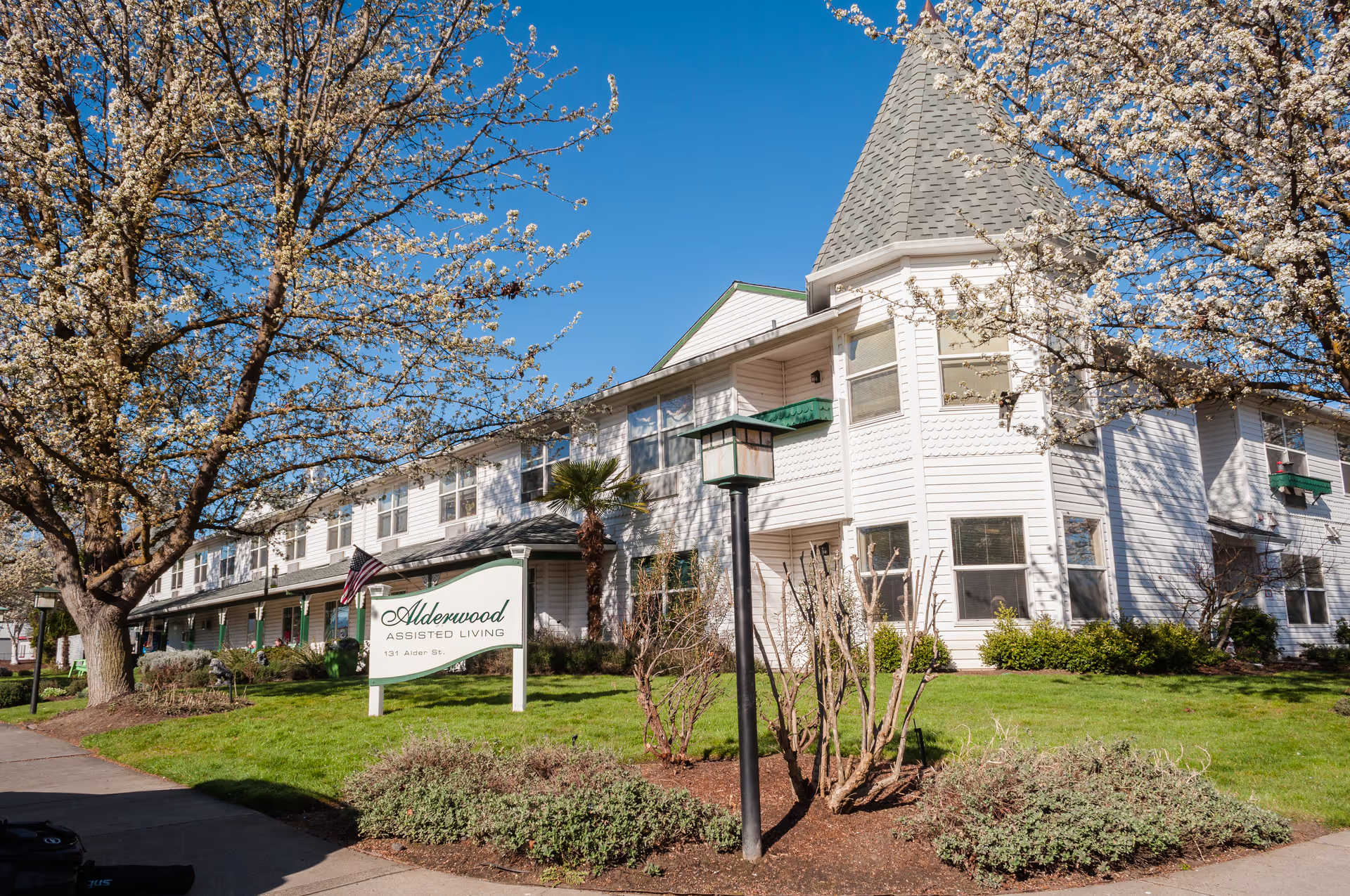
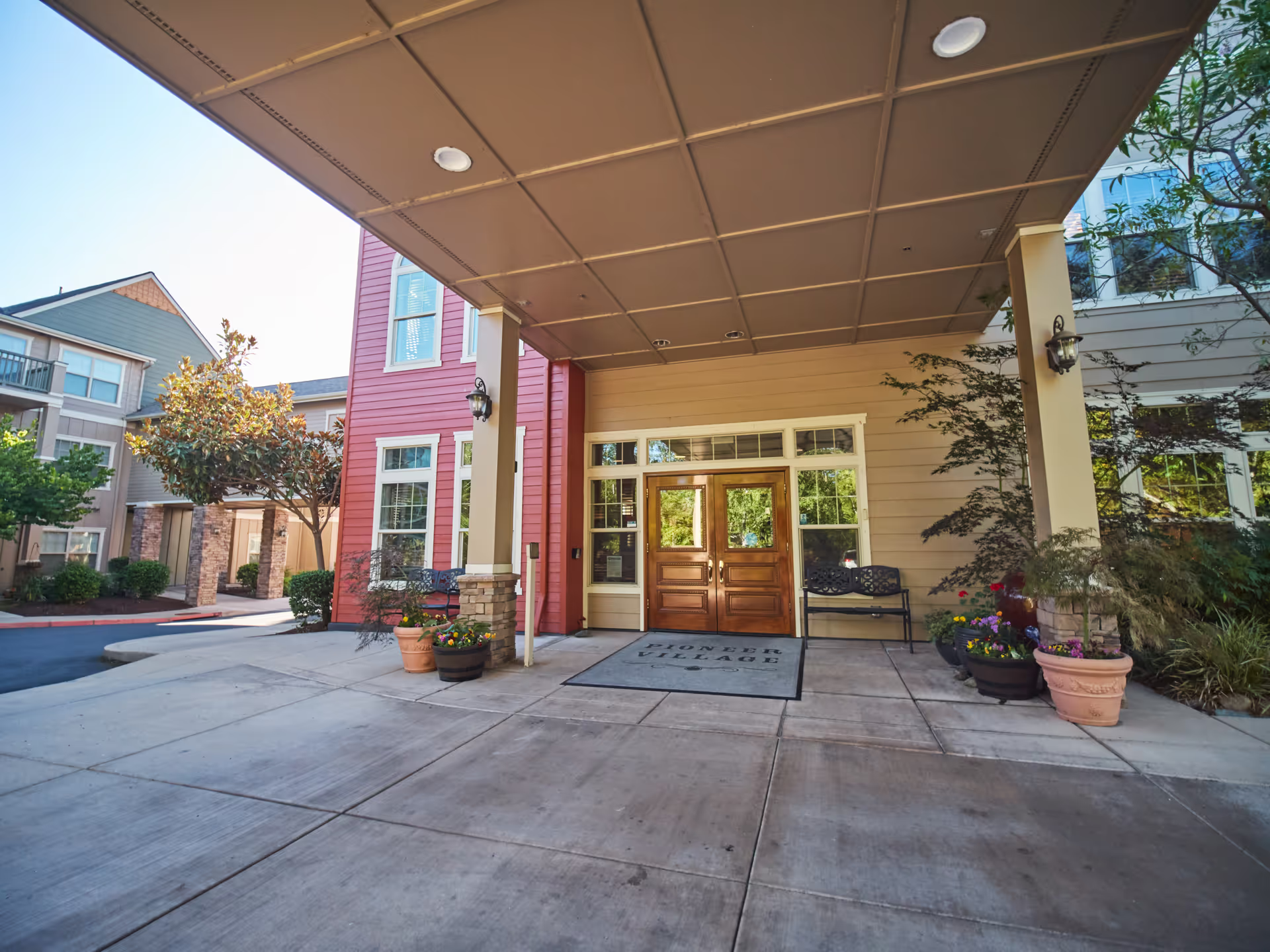
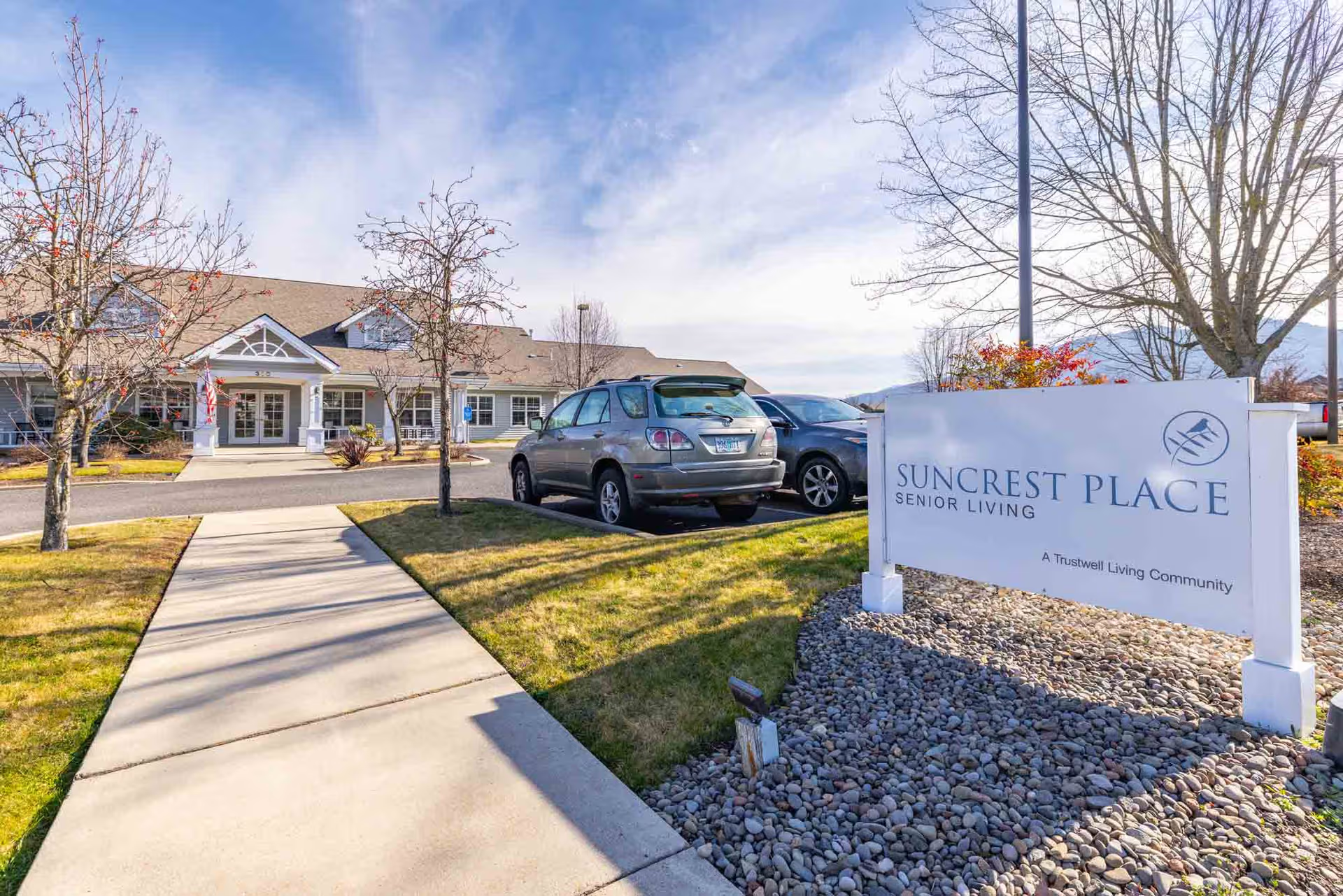
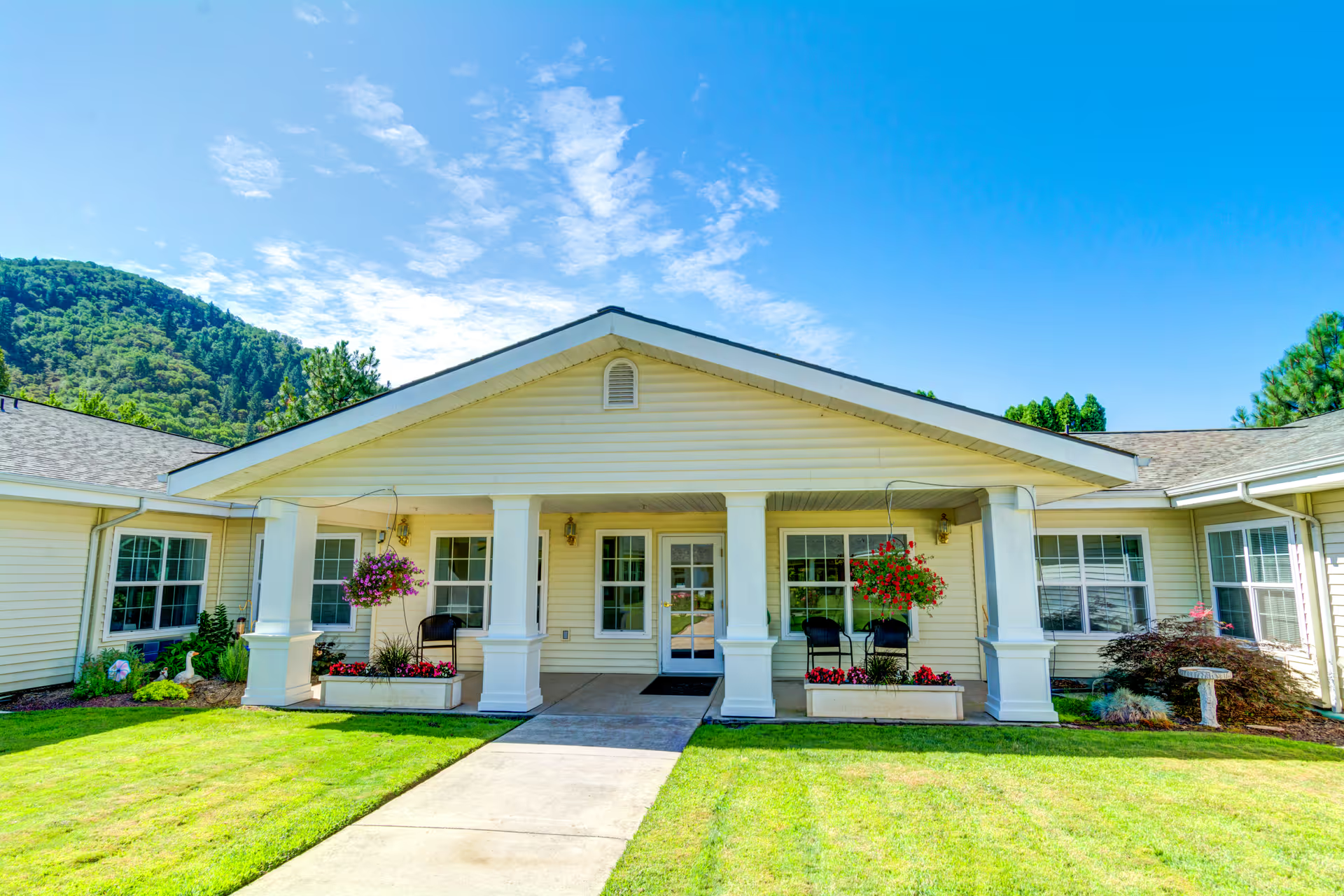
Facilities and sanitation: The facility is generally described as homelike, clean in common areas, well-decorated, and secure with controlled access—features that many families find reassuring. Yet there are also reports of localized sanitation and odor-control issues and inconsistent housekeeping in some areas. These discrepancies suggest variability in maintenance or cleaning processes across units or shifts.
Clinical safety and property management: Reviews raise operational concerns that merit attention: gaps in medication administration and delegation controls, inconsistent personal-care monitoring (including incontinence-care oversight), and inadequate handling of residents' personal belongings. There are also concerns following a resident's death and allegations of unsafe medication practices in at least one account; these items point to potential weaknesses in clinical protocols and incident-reporting procedures that families should investigate directly with facility leadership.
Notable patterns and guidance for families: The strongest themes are a caring staff and a small, home-like setting with engaged leadership on some shifts, contrasted with recurring operational problems driven largely by staffing variability and process gaps. Prospective residents and families should visit multiple times and at varied hours, ask about current staffing ratios and contingency plans, review medication-administration and incident-reporting policies, inquire about laundry and property controls, and request current activity calendars. Verifying regulatory history and recent inspection outcomes can help clarify whether documented improvements have been sustained.