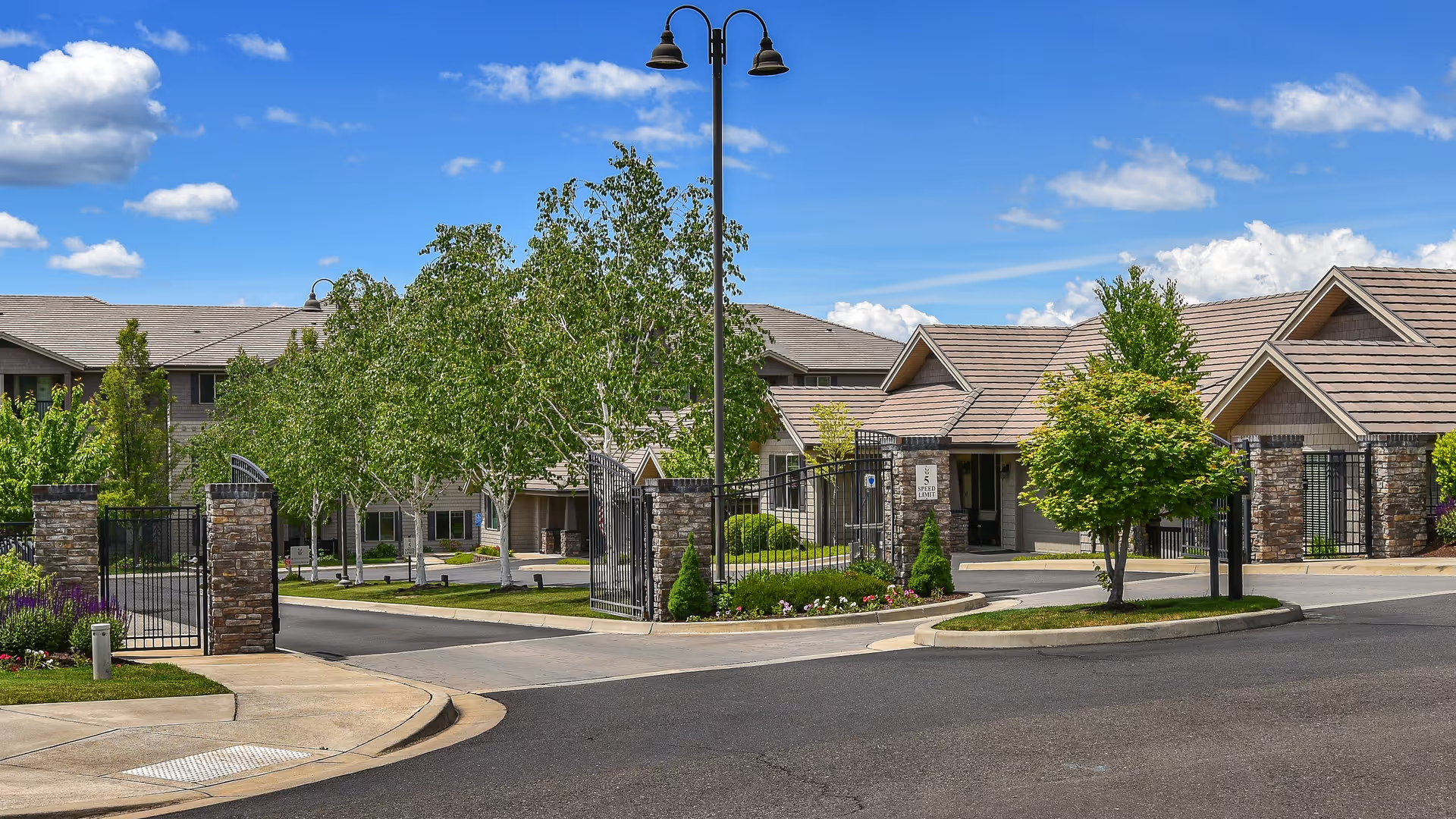
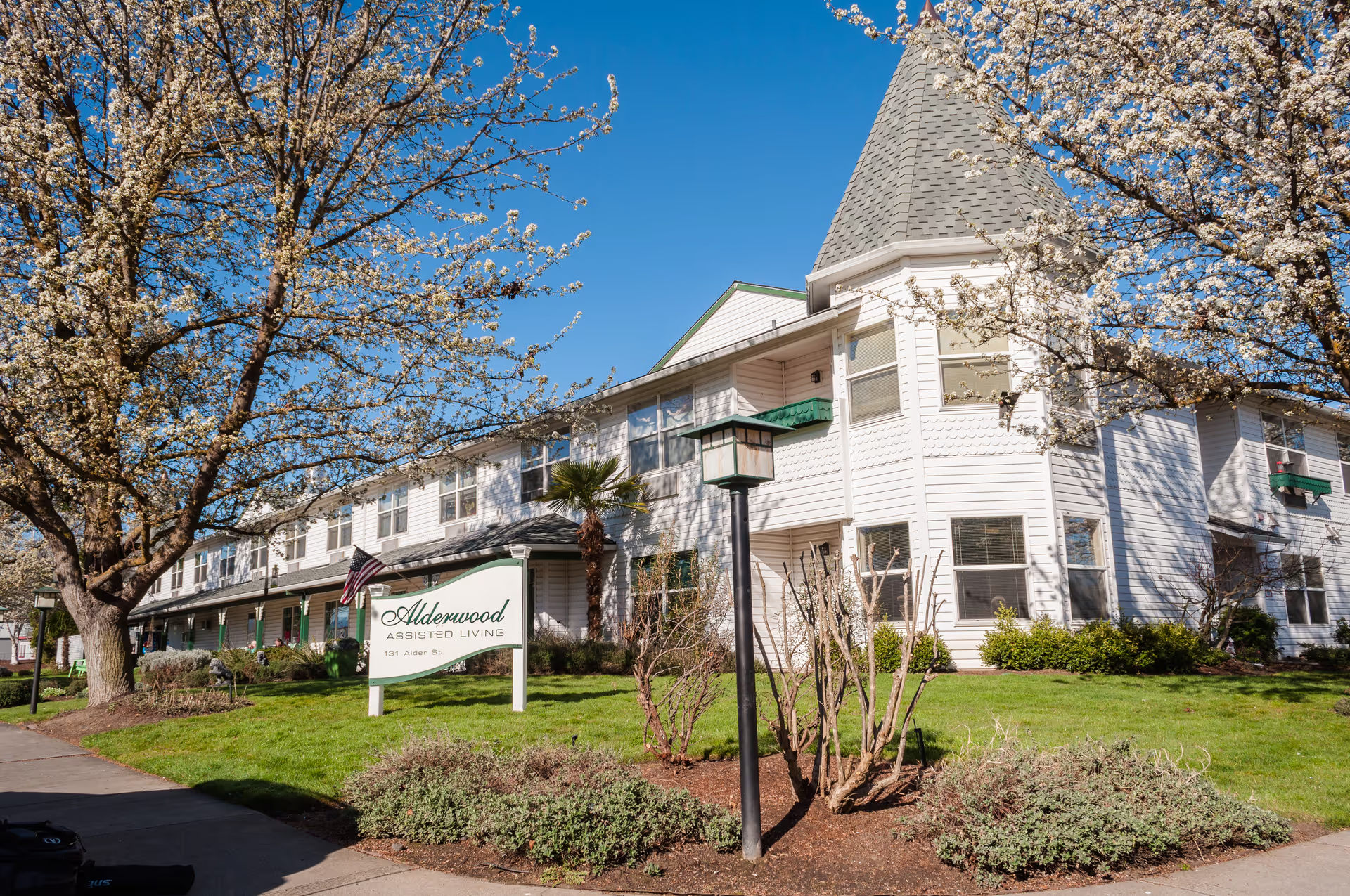
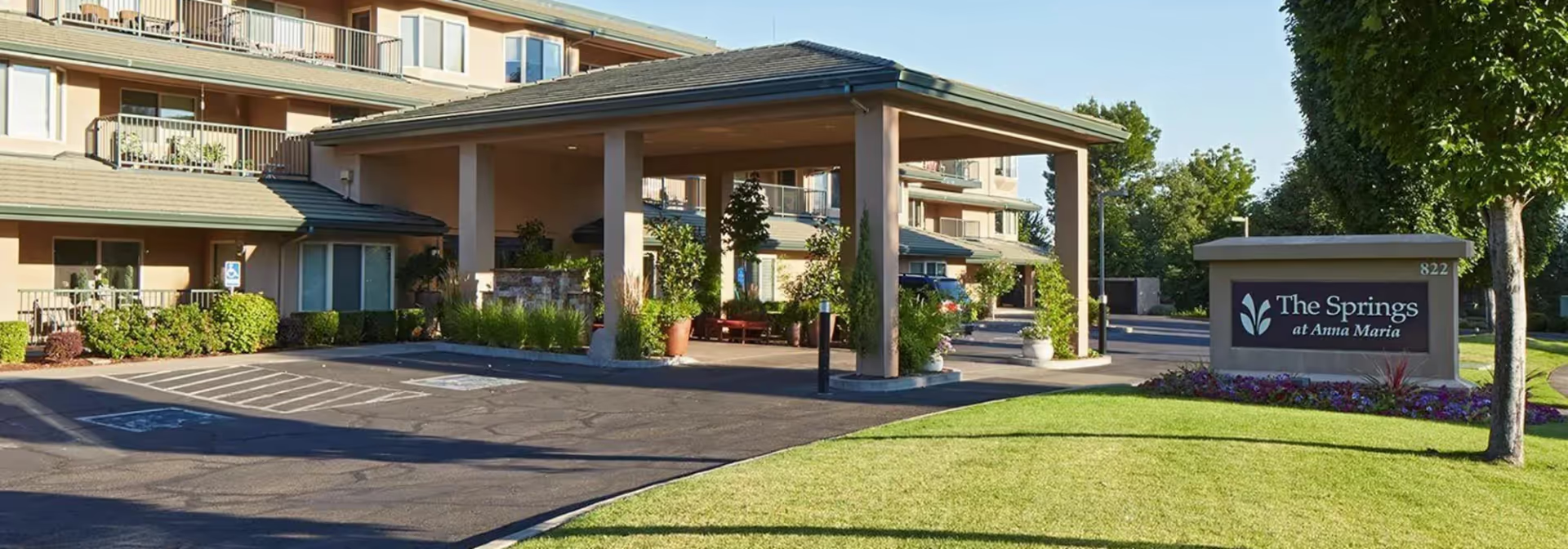
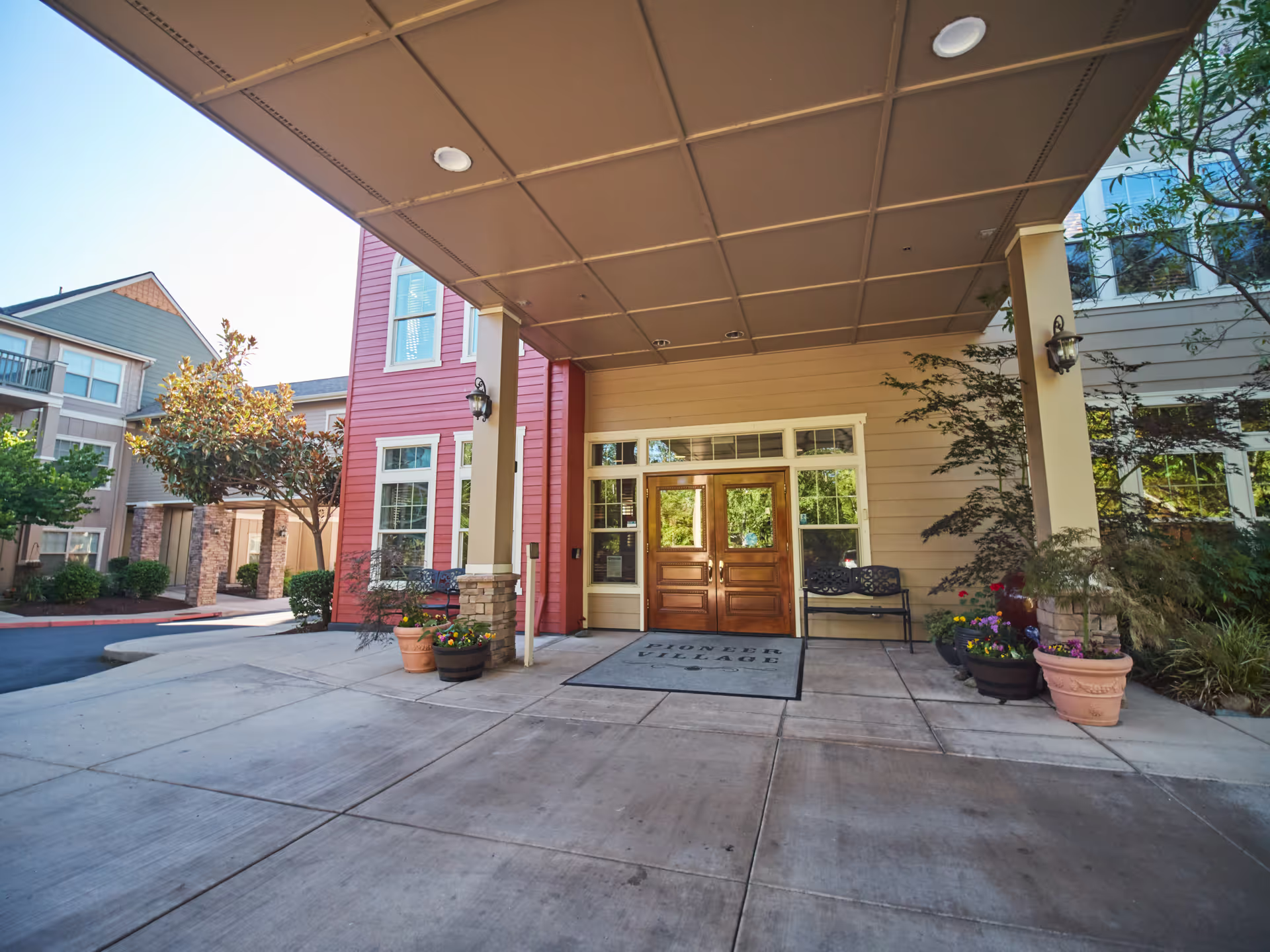
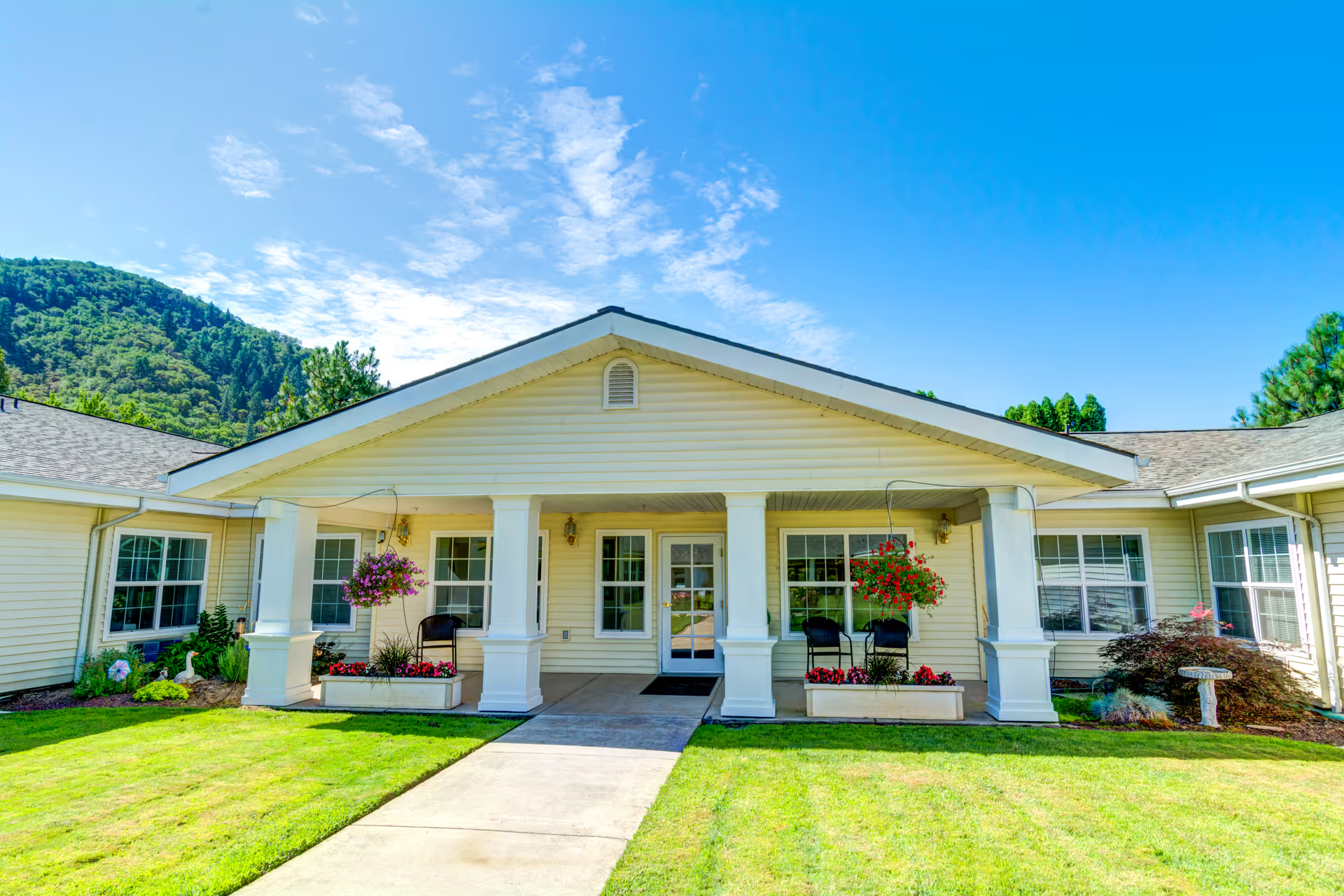
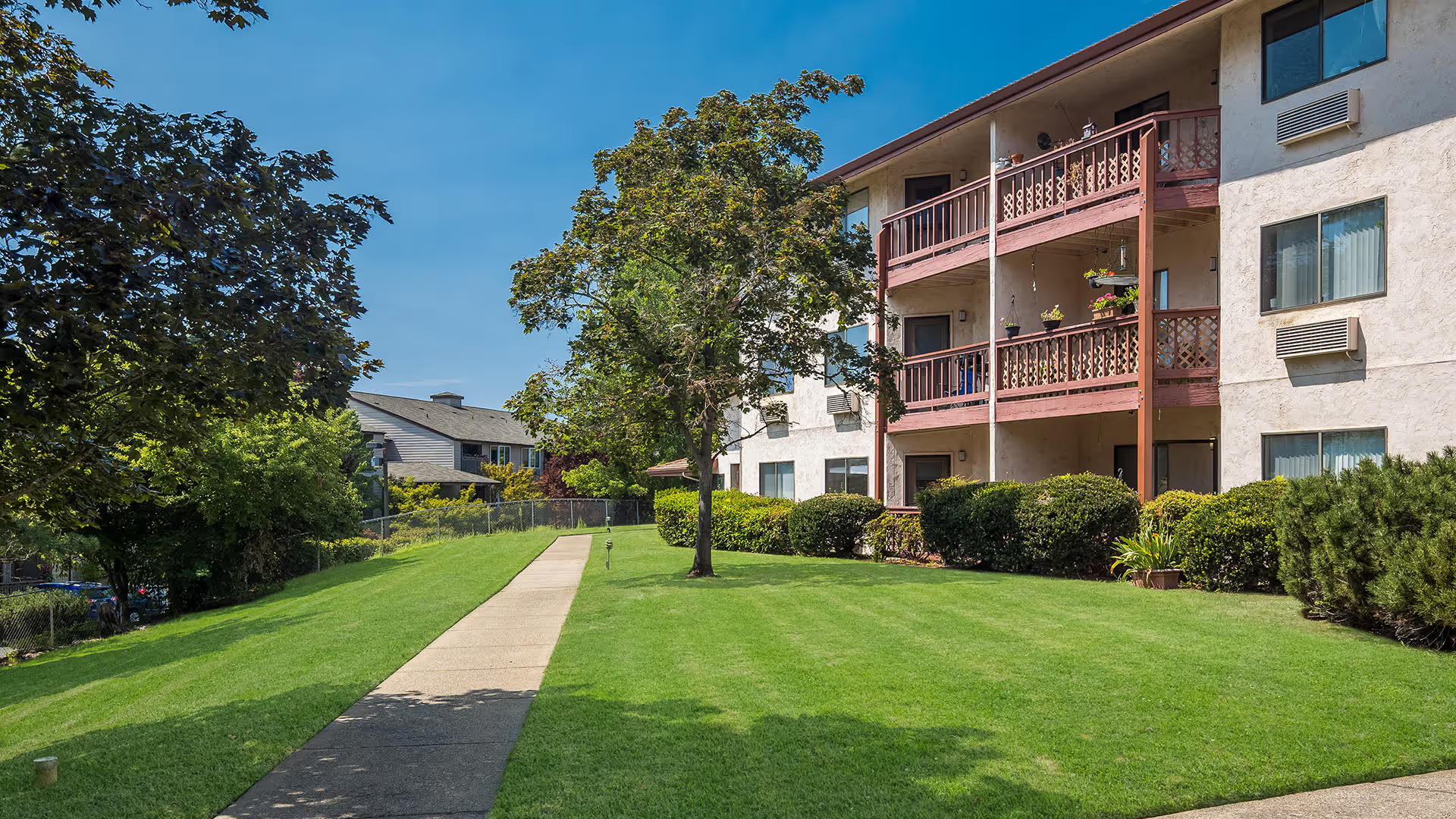
Rogue River Estates appears to function primarily as affordable, low-income housing with a resident community that many describe as friendly. Unit-level features noted positively include private bathrooms with bathtubs, basic in-unit kitchen appliances, and wall-mounted air-conditioning units. Several reviewers also described the exterior or grounds as attractive.
Physical conditions across units are mixed. Units are generally compact, with limited storage and smaller kitchen appliances; bathrooms are typically acceptable in size and include tubs. Natural light varies substantially by unit, and some units receive limited sunlight. Air-conditioning is present in the form of newer wall units, but reviewers indicated these units can be underpowered or struggle to keep pace in warmer conditions.
Significant operational concerns emerged around health, safety, and management practices. Multiple reviewers raised pest-control concerns and broader environmental-hazard concerns related to building materials that would merit direct verification and explanation from management. Reviewers also described instances where management communication and tenant-relations felt opaque, including difficulties families experienced in obtaining information or access after adverse events. These points suggest gaps in incident disclosure, family communication, and formal grievance or relocation procedures.
Information about clinical care, staffing, formal dining, and organized activities is limited in the available feedback. There are no consistent descriptions of structured care programs or activity schedules; prospective residents should therefore seek specific details about clinical services, staffing levels, meal arrangements, and social programming during a visit.
For families and prospective residents: inspect specific units for sunlight, storage capacity, appliance size, and HVAC performance; request documentation of pest-control measures and any environmental testing or remediation plans; and obtain written policies on incident disclosure, visitation, tenant-relocation, and family communication. These steps will help clarify whether the facility’s affordability and community strengths align with individual health, safety, and oversight needs.