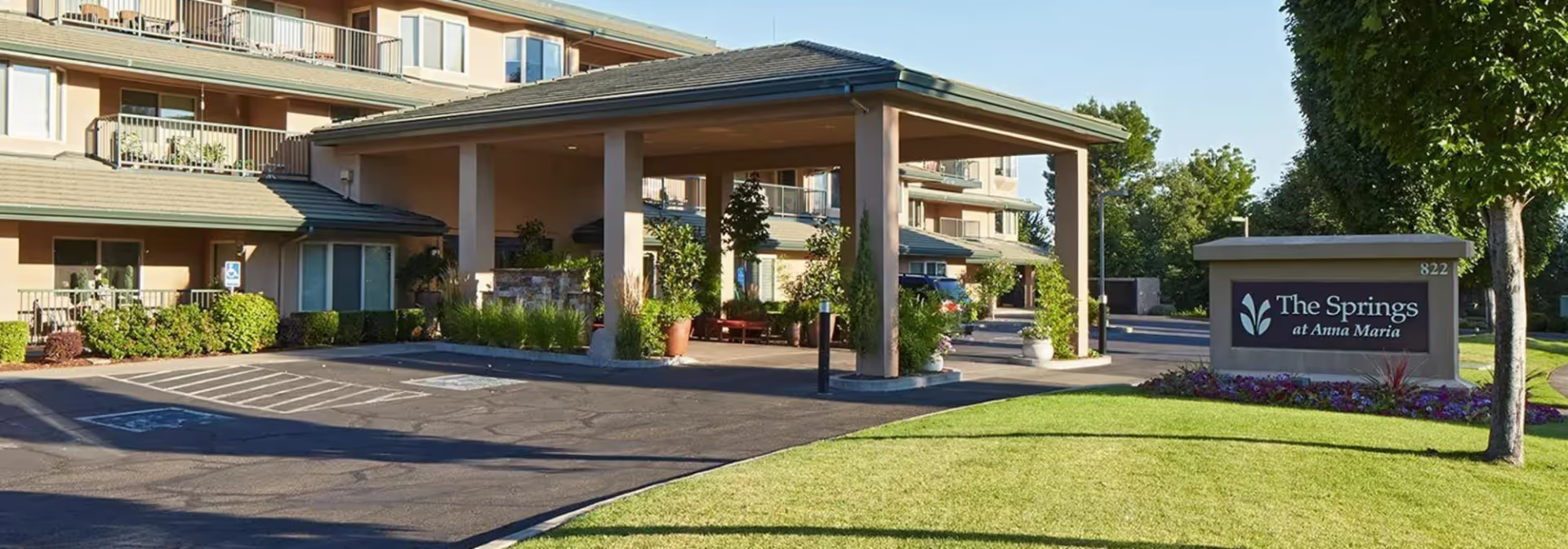
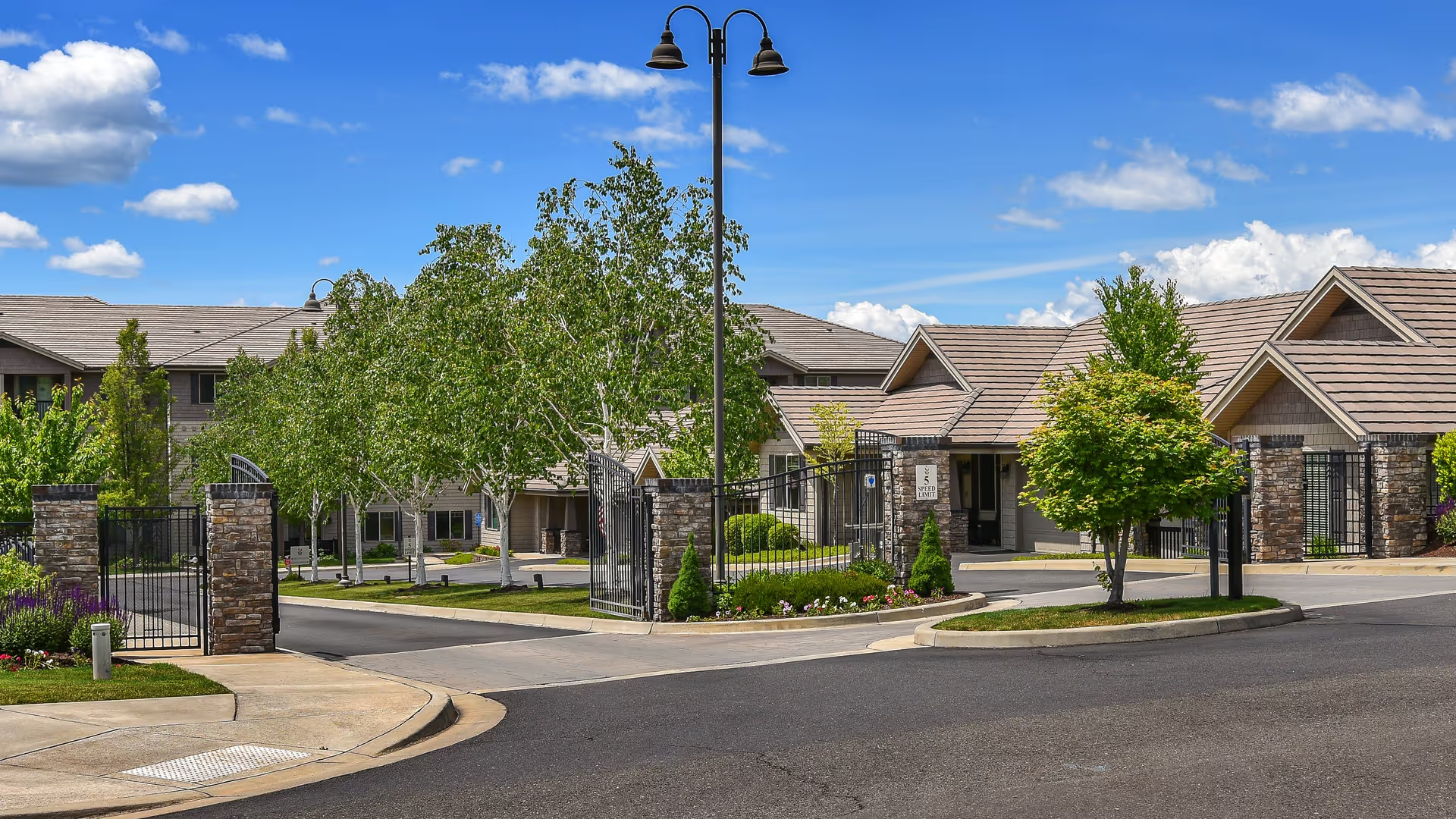
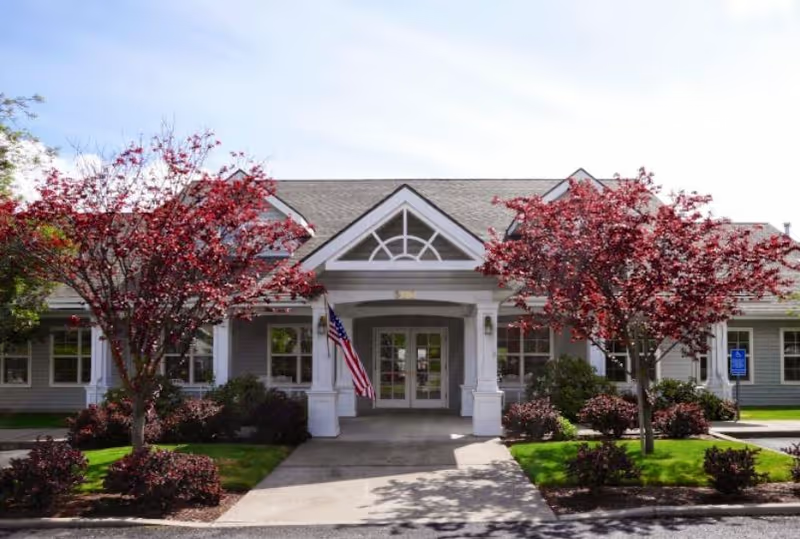
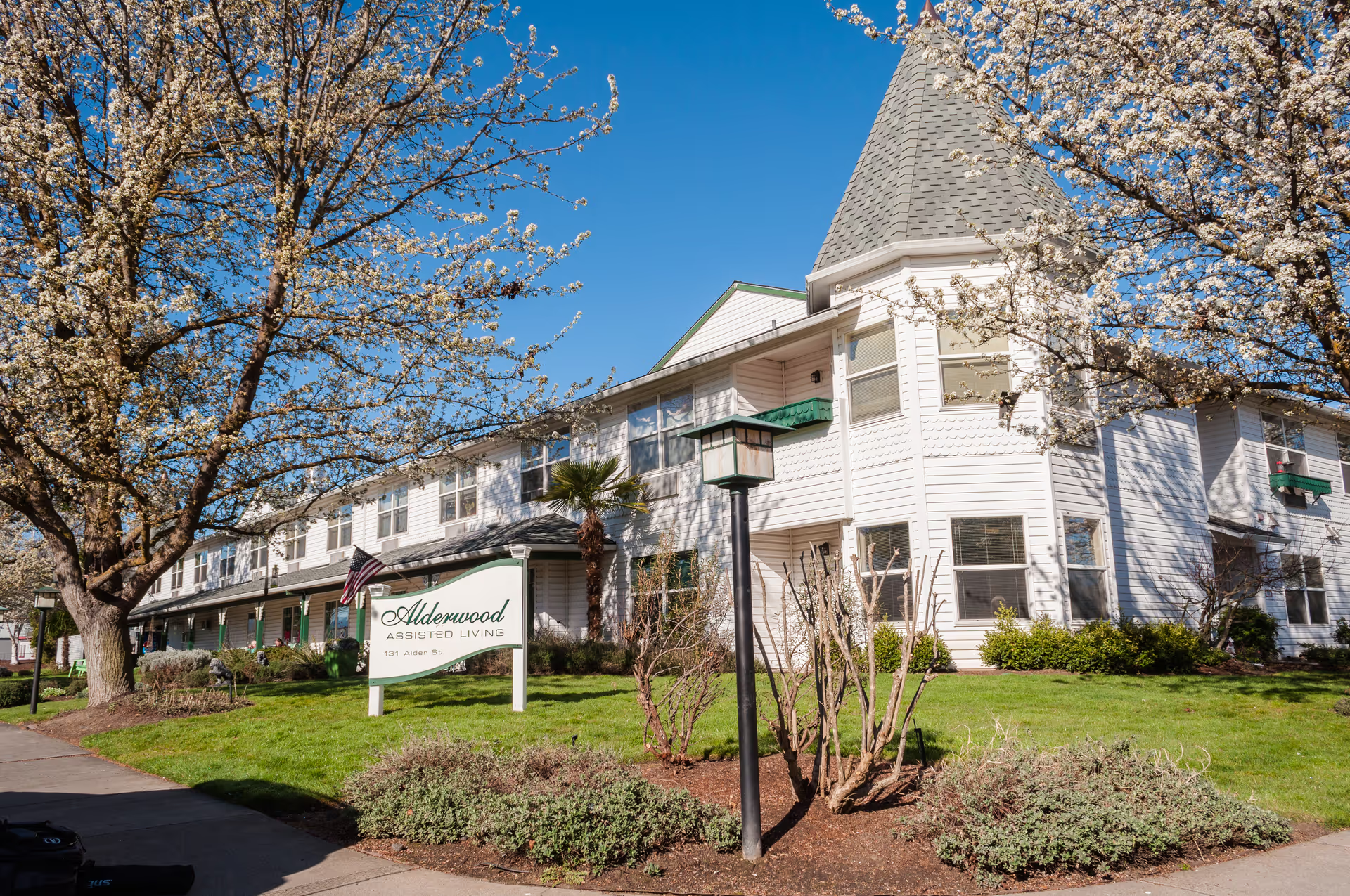
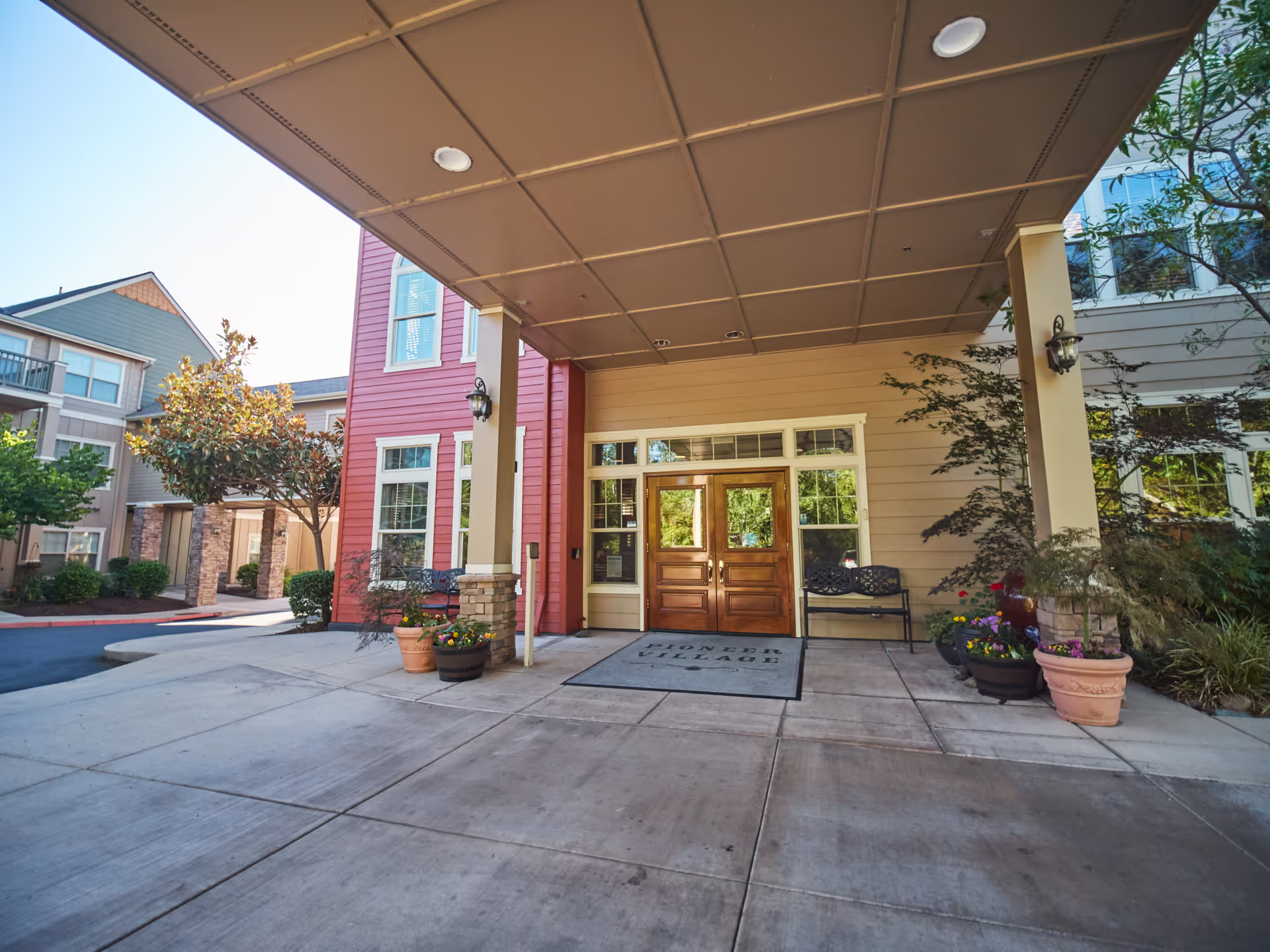
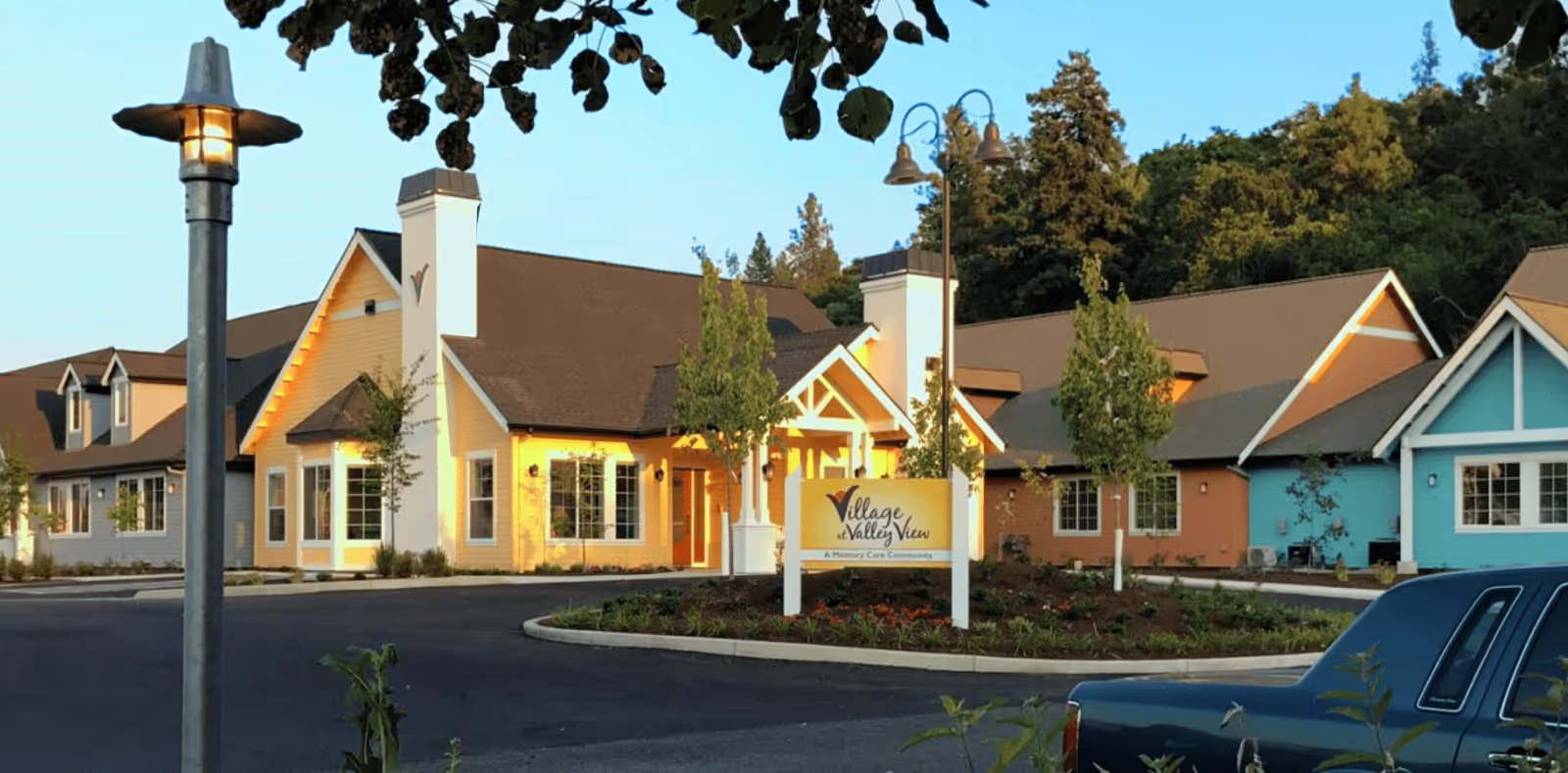
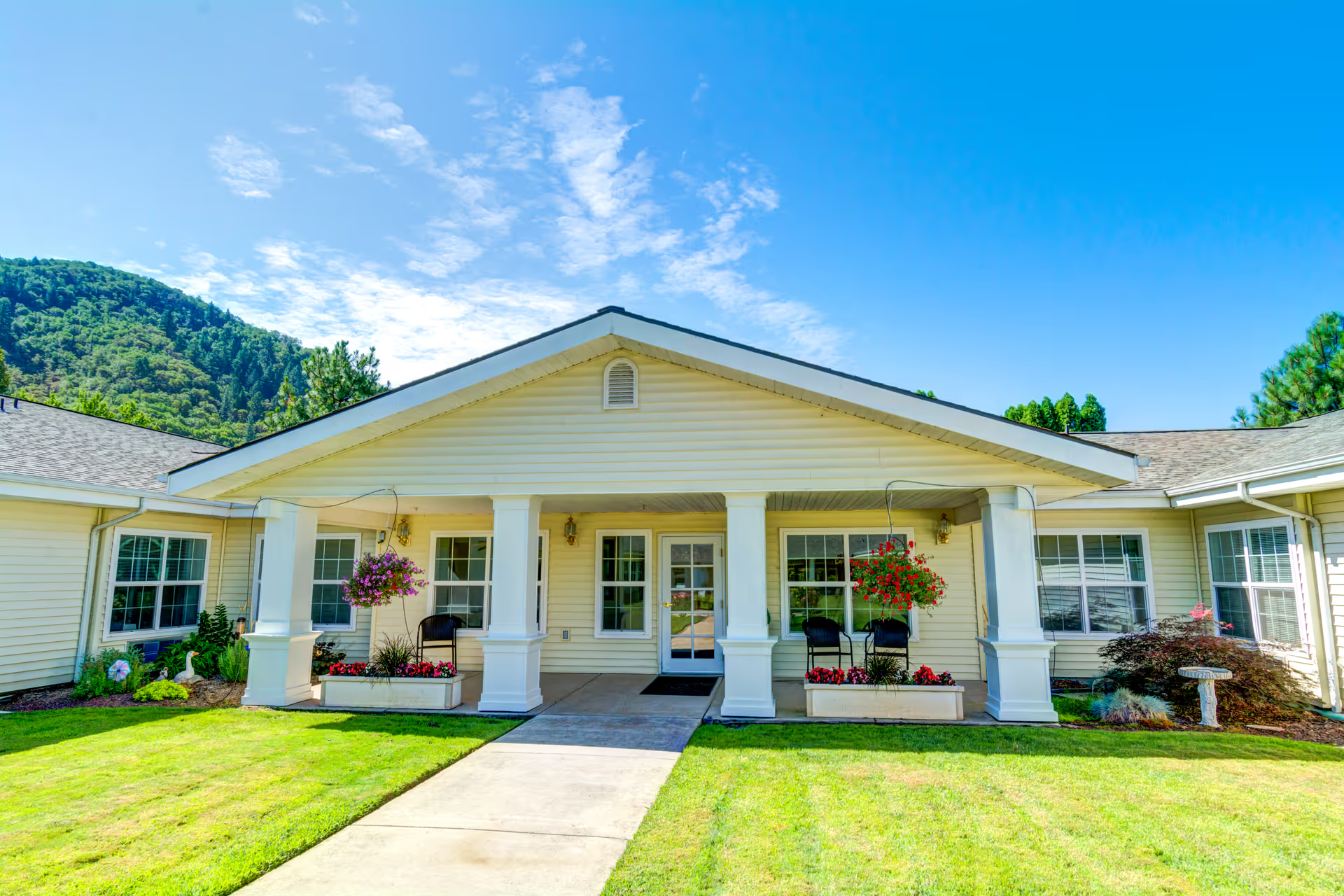
Rogue Valley Manor is presented across reviews as a large, well-resourced continuing-care retirement community with extensive amenities, a broadly active resident culture, and a resort-like campus. Strengths most consistently highlighted include the landscaped grounds and scenic valley views, a wide range of housing types (cottages, apartments, multi-bedroom floor plans), on-site medical and therapy services (including a hydrotherapy pool and robust gym), and a diverse, resident-driven activities program with more than 100 clubs. Recreational assets such as golf, pools, walking trails, and frequent organized outings complement a social calendar that reviewers describe as lively and relationship-oriented.
Staff and care receive mixed-but-primarily-positive commentary. Many reviewers praise caregiving and support staff as friendly, professional, and attentive, and clinical therapy programs are described as high-quality and well-equipped. The facility’s continuing-care model and on-site clinic are seen as major advantages for residents seeking long-term stability. At the same time, there are recurring operational concerns: intermittent understaffing, variability in clinical-care delivery between units, and evidence of workload pressures on frontline personnel. A small number of accounts raise serious clinical and sanitation concerns and describe gaps in care outcomes; these accounts, while not the majority, indicate variability in day-to-day care reliability and in how quickly clinical issues are escalated and communicated.
Dining and hospitality are major selling points for many residents: multiple dining venues, gourmet menus, fresh-ingredient meals, and attentive dining rooms receive frequent praise. However, several reviewers note inconsistent food quality over time, difficulties securing dining reservations, and limited vegetarian options relative to expectations. Housekeeping and service quality are generally described as high, but occasional sanitation or housekeeping concerns and lapses are mentioned and should be clarified during a visit.
Management and administration are portrayed ambivalently. Some reviewers commend engaged administration, resident partnerships, and responsive resident-run governance. Others describe slow administrative follow-up on complaints, unresolved customer-service issues (including communication-system outages), and a sense that the facility’s large scale creates an institutional feel that can reduce personalization. Financial concerns are prominent for prospective residents: the community operates on a high-cost model with a substantial entrance payment and ongoing fees, and several reviewers express concerns about perceived value, ancillary charges, and the financial impact on heirs.
Notable patterns to weigh during a tour: the community offers exceptional amenities, therapy services, and social programming that many residents find life-enhancing; however, experience appears to vary by building/unit and over time, particularly with staffing levels, dining consistency, and administrative responsiveness. Practical considerations that come up repeatedly include the high upfront cost and monthly fees, the physical topography of the campus (hills), and vulnerability to basin-related air-quality events. Prospective residents and families should prioritize direct questions about current staffing ratios, escalation and family-communication protocols, dining reservation policies and menu flexibility (including vegetarian options), housekeeping standards, and financial terms (entrance fees, ancillary charges, and refund policies). A visit to meet residents and observe meal service and a care unit in operation is advisable to assess fit and current service consistency.