Overall impression: Reviews present a facility with several clear strengths in direct caregiving and community amenities alongside operational inconsistencies that families should evaluate further. Strengths repeatedly cited include a warm, personable staff and clinical teams that deliver focused, timely interventions. Therapy services and hospice/end-of-life care are highlighted as high quality, and many reviewers described compassionate, skilled interactions between staff and residents.
Care and staff: Staff-related comments skew positive regarding compassion, knowledge, and efficiency — caregivers are described as attentive and capable, and some reviewers emphasized prompt problem-solving and follow-through. At the same time, a pattern of inconsistent responsiveness appears in multiple reviews: unanswered call lights, delays in attending to requests, and isolated omissions of basic assistance were noted. There are also specific concerns about how the facility manages transitions from hospital care; this suggests gaps in clinical coordination and training for higher-acuity post-discharge needs. Reviewers also noted instances implying weaker transfer- and fall-prevention practices, indicating that prospective families should review safety protocols and staff training around mobility and transfers.
Dining, activities, and daily life: The community offers accessible, ground-floor apartments with short walks to dining and common areas, plus pleasant outdoor spaces suitable for walking and pet visits. Exercise classes and other activities were mentioned as contributing to resident well-being. Dining received mixed feedback: while the proximity and layout are convenient, meal quality and consistency were described as needing improvement in some accounts. Housekeeping and basic-care consistency (for example, timely trash removal and provision of assistance with hydration) were raised as operational gaps by a subset of reviewers.
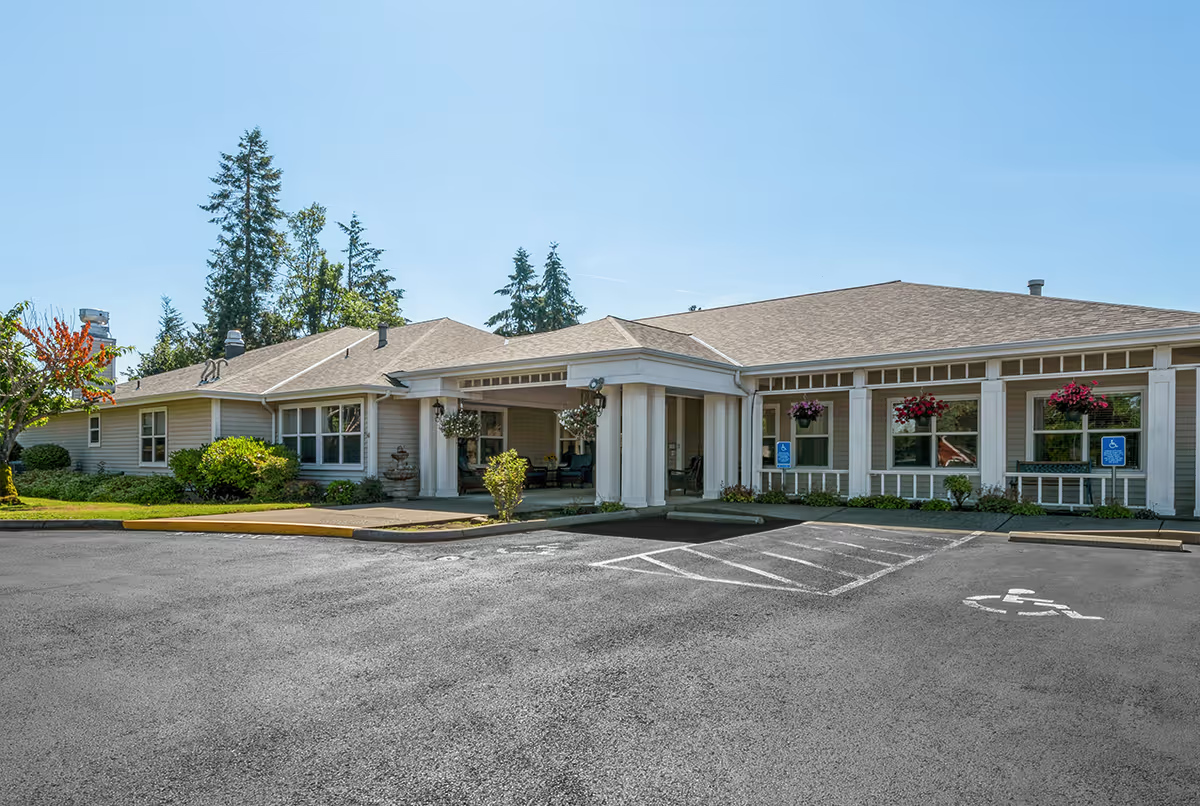
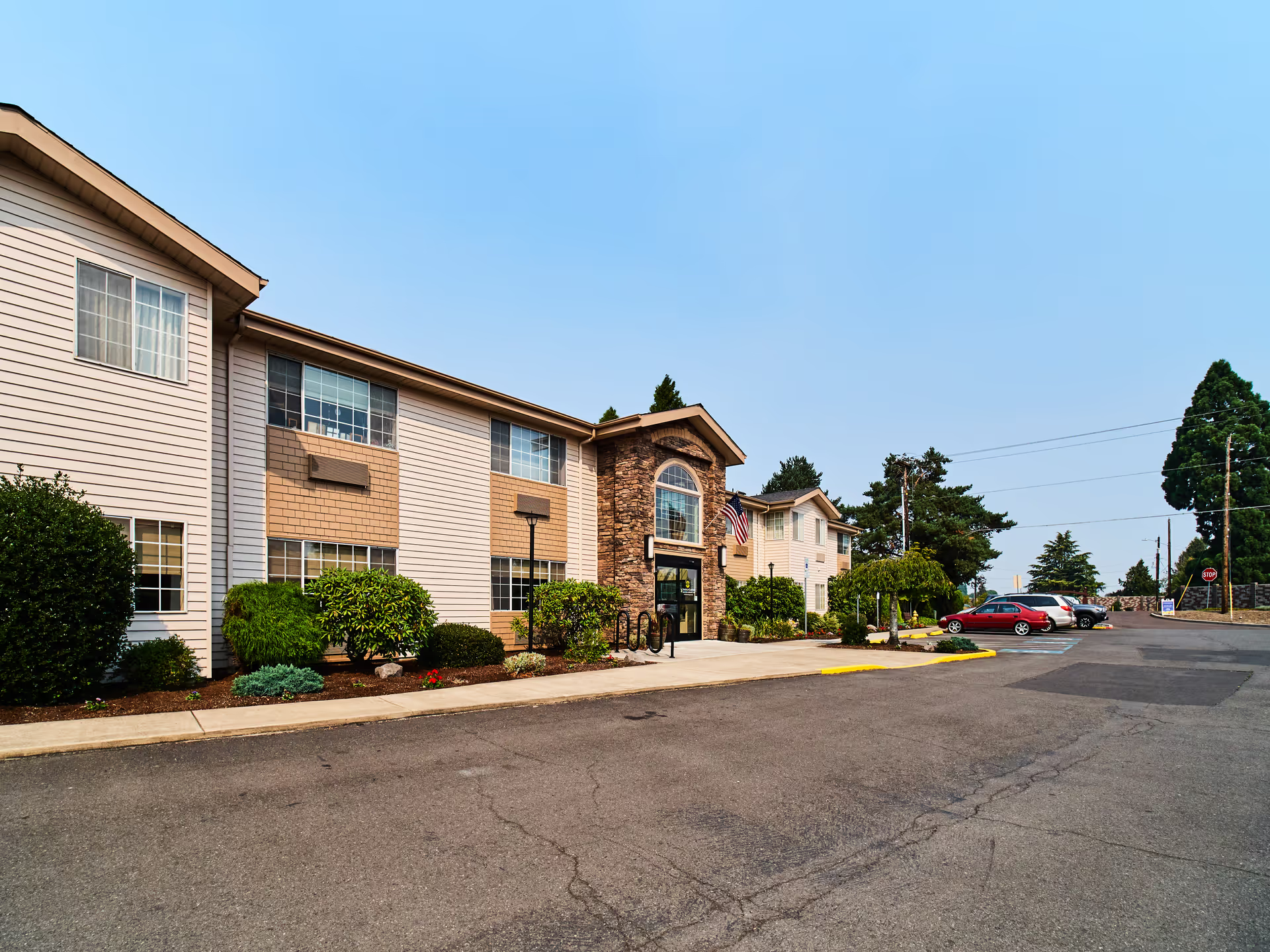
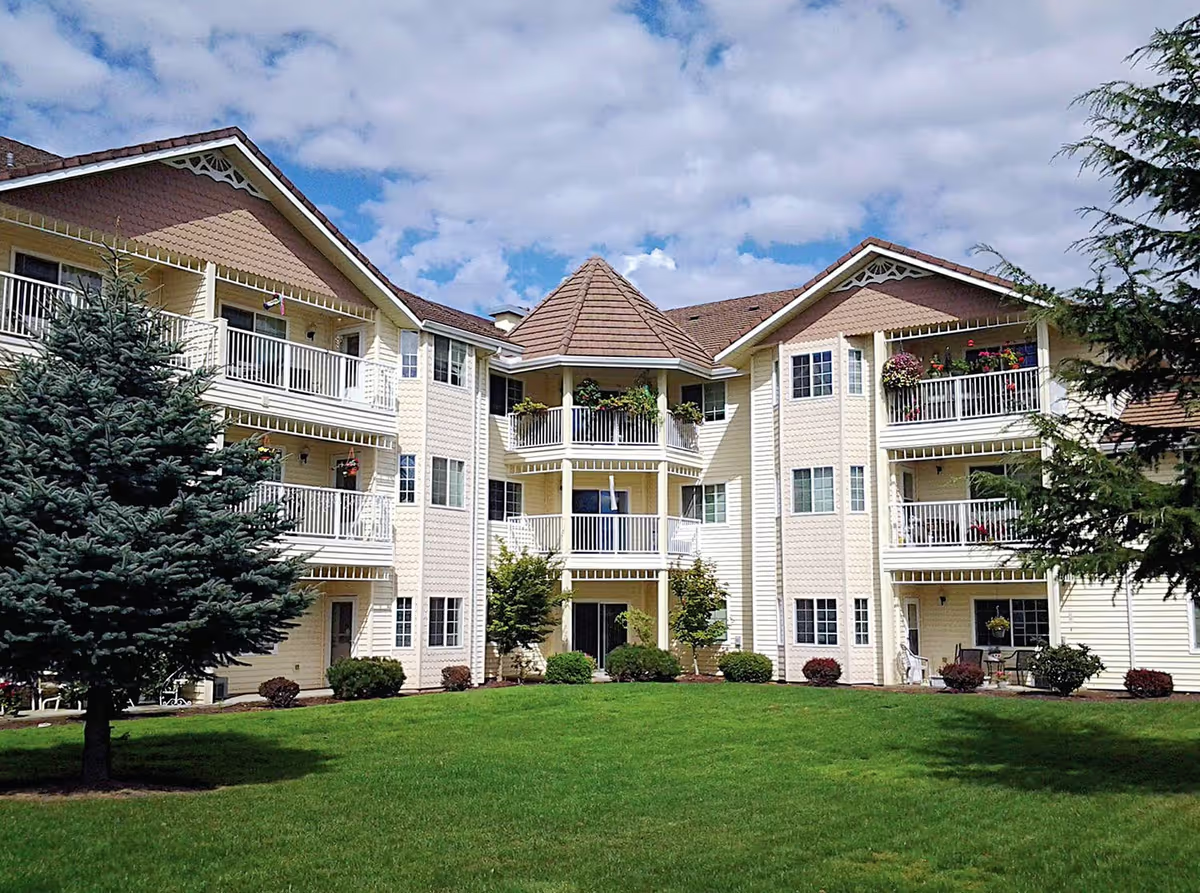
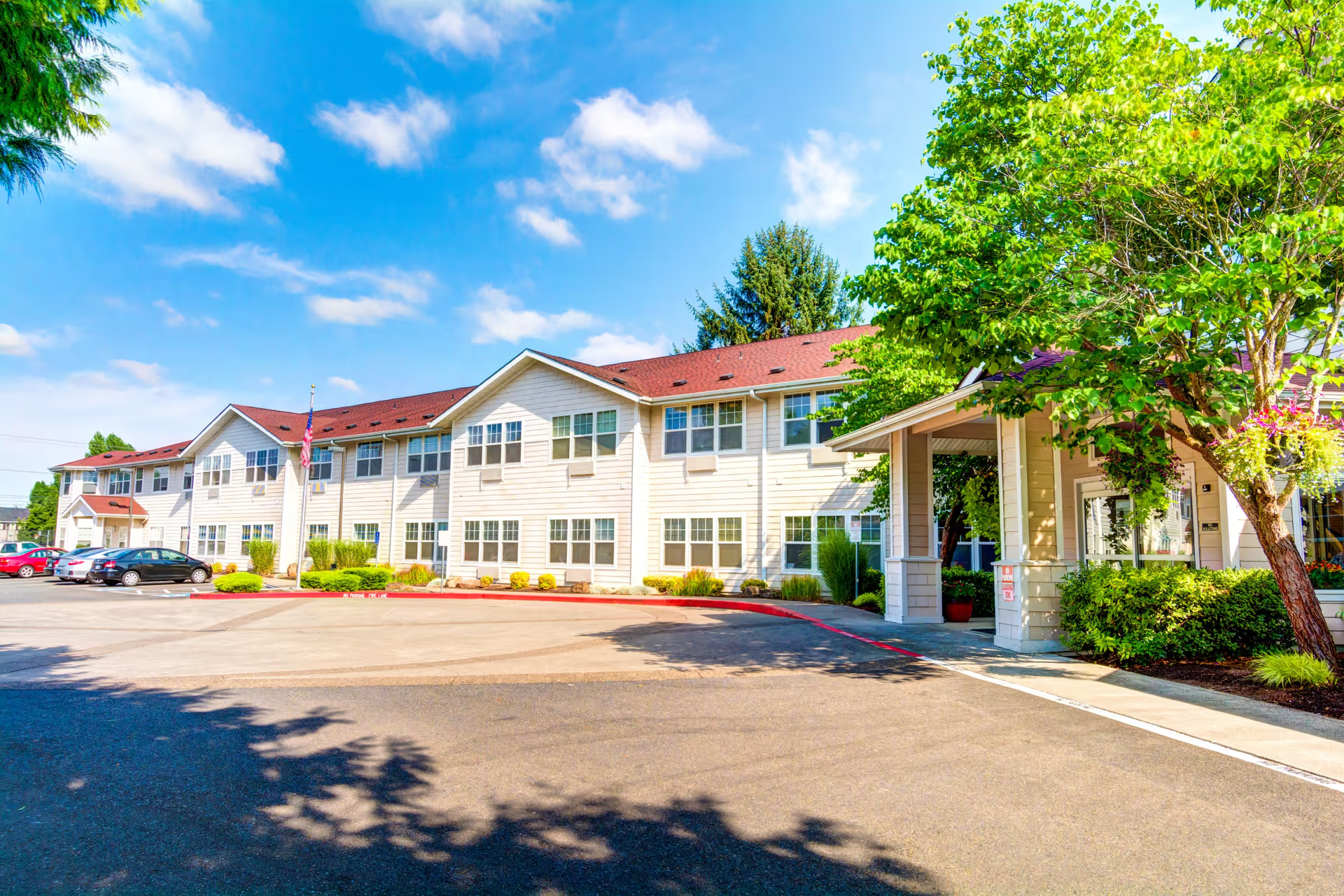
Facilities and management: Physical attributes such as well-kept grounds, walkable outdoor areas, a dog-friendly policy, and convenient location for local visitors are strengths. Several reviewers referenced a recent ownership or management change in 2024; this has created some operational uncertainty for families and may explain variance in service consistency. Where families praised the facility, they cited strong interpersonal interactions and reliable clinical supports; where concerns arose, they clustered around responsiveness, transition planning, safety practices, and routine housekeeping.
Notable patterns and guidance for families: The dominant positive themes are staff compassion, clinical and therapy quality, and a pleasant campus environment. The dominant negative themes are inconsistent responsiveness, gaps in post-hospital transition processes, fall-risk management, and variable housekeeping and dining. Prospective residents and families would benefit from asking the facility for current staffing ratios, written transfer and fall-prevention protocols, call-light response metrics, sample menus, housekeeping schedules, and an update on actions taken since the recent management transition. These targeted inquiries will help assess whether the operational gaps raised in reviews have been addressed and whether the caregiver strengths align with a prospective resident’s needs.