Reviews of Sapphire at Myrtle Point describe a mixed picture with distinct strengths in resident engagement and measurable operational weaknesses. Many accounts highlight positive interpersonal connections: staff and residents often form warm relationships, and programming such as social visits, garden-club activities, library access, and one-on-one moments are cited as meaningful quality-of-life contributors. Dining and therapy services are also frequently praised — reviewers note good meals and available physical therapy as reliable aspects of daily care.
At the care-delivery level, there is a consistent tension between reports of compassionate, attentive staff and accounts of inconsistent responsiveness. Several reviewers described staff members who are highly professional and make residents feel like family, and specific staff were named for helpful aftercare planning. However, other comments point to slow call-response times, insufficient staffing coverage, and delays in attending to toileting and bathing needs. Medication handling and clinical appointment coordination were also identified as areas needing improvement.
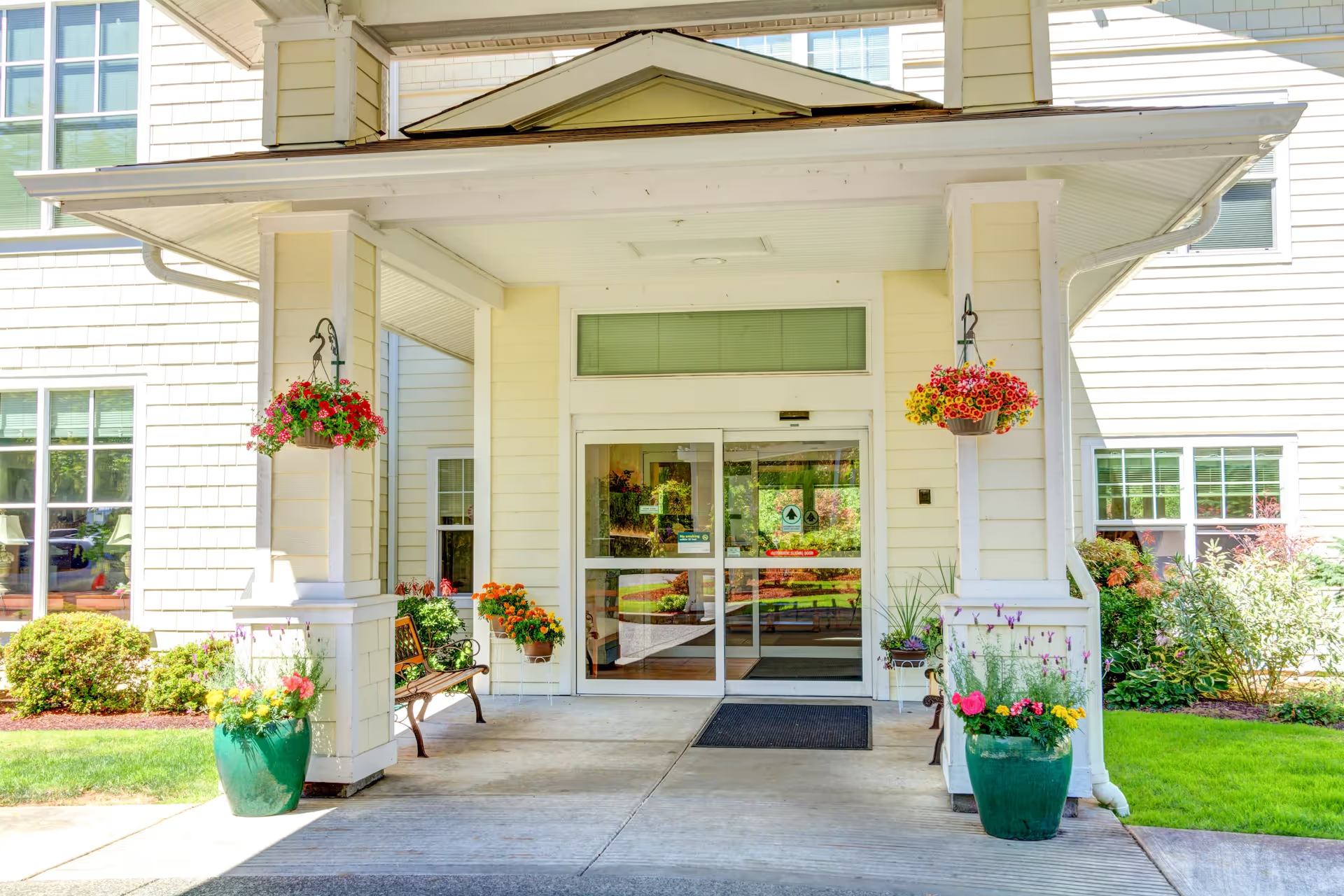
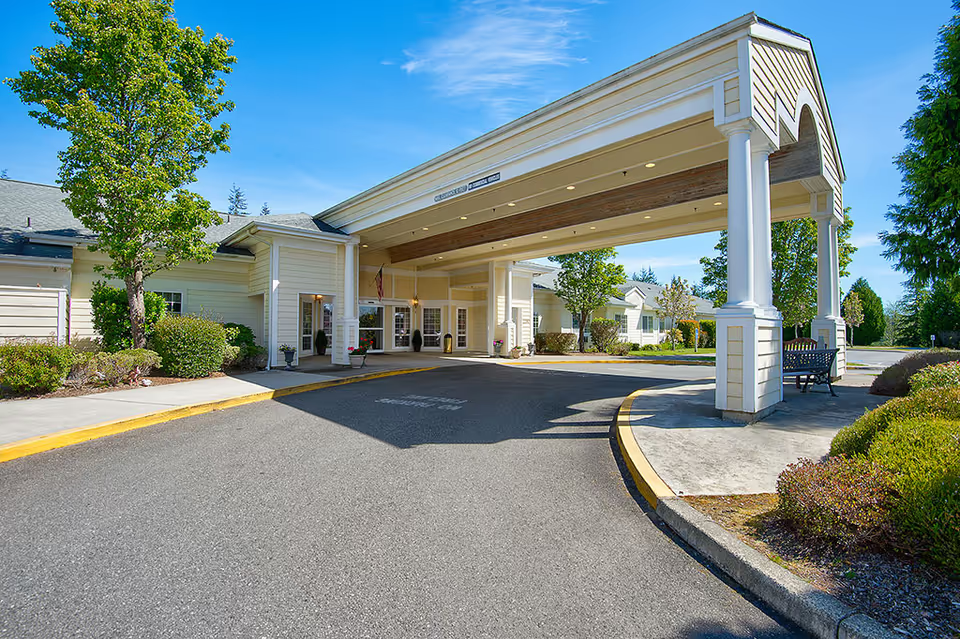
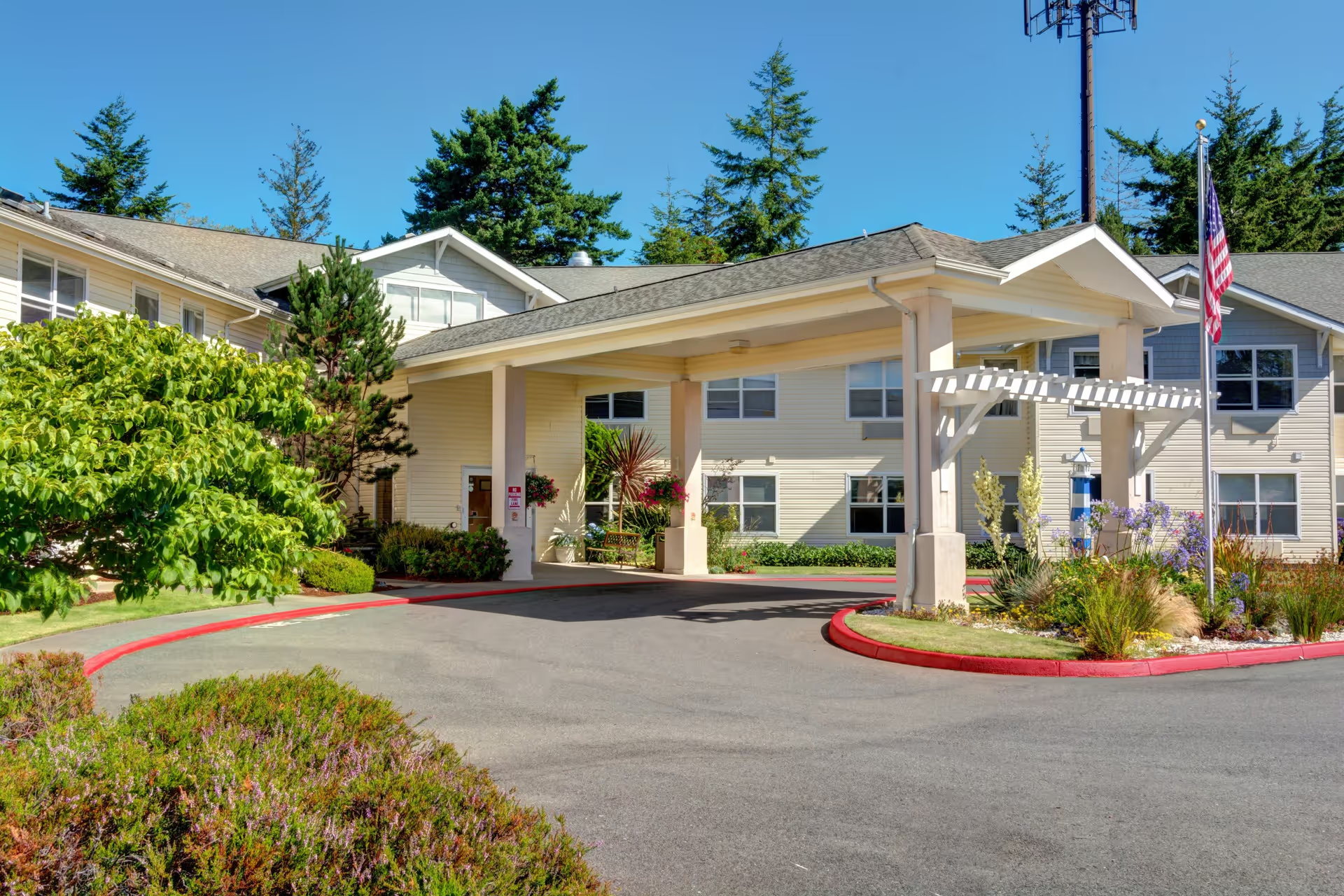
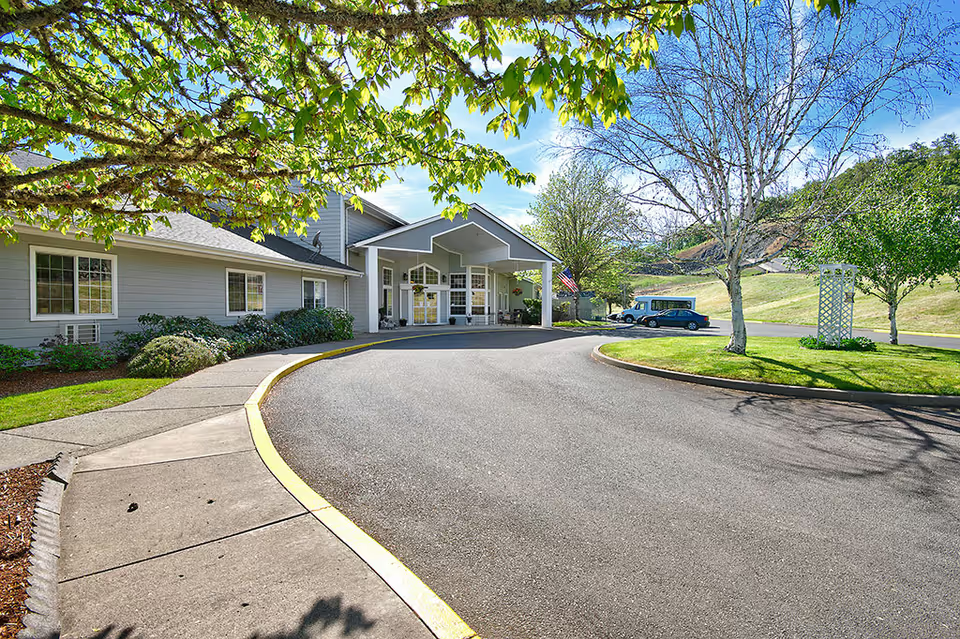
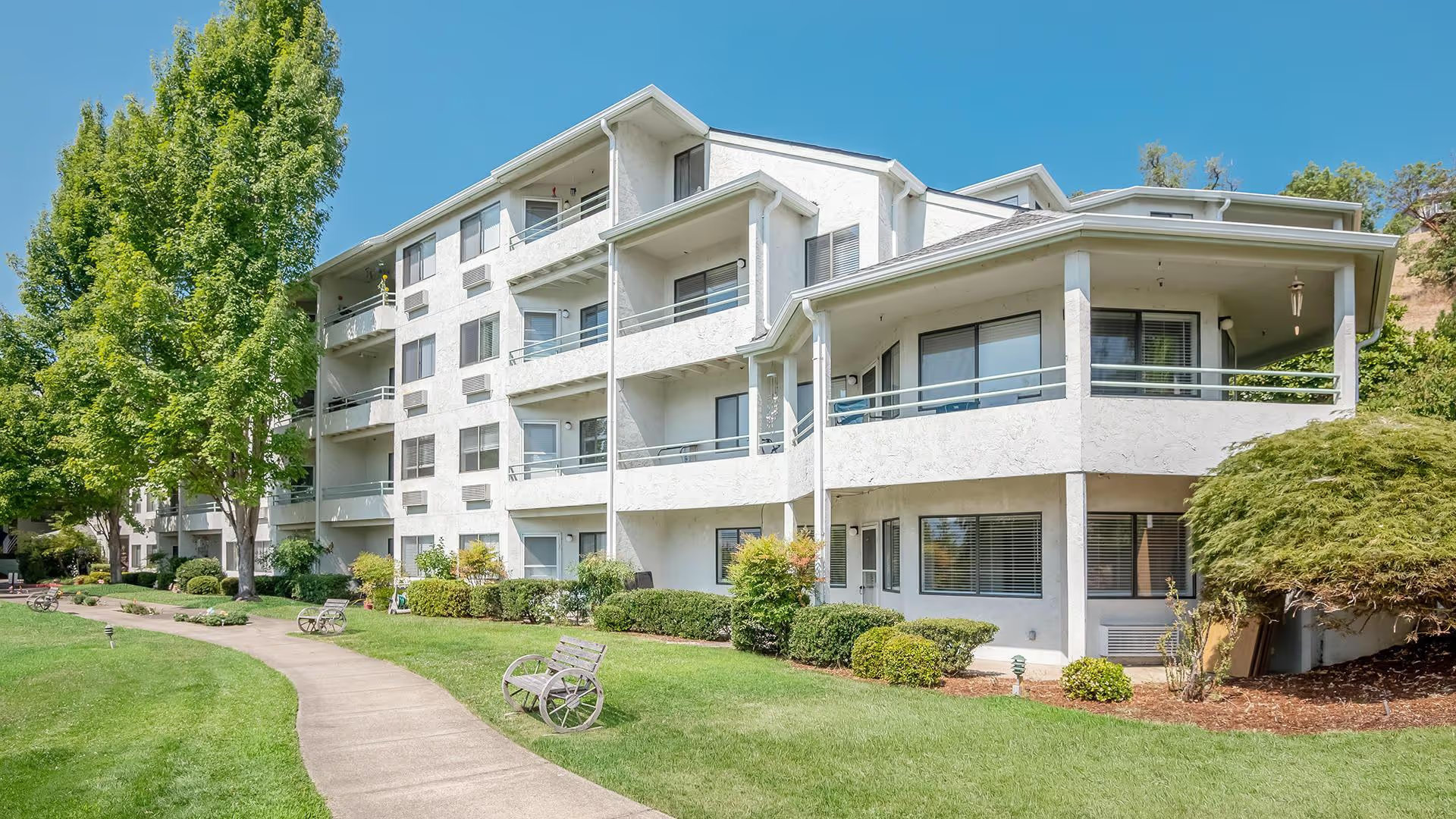
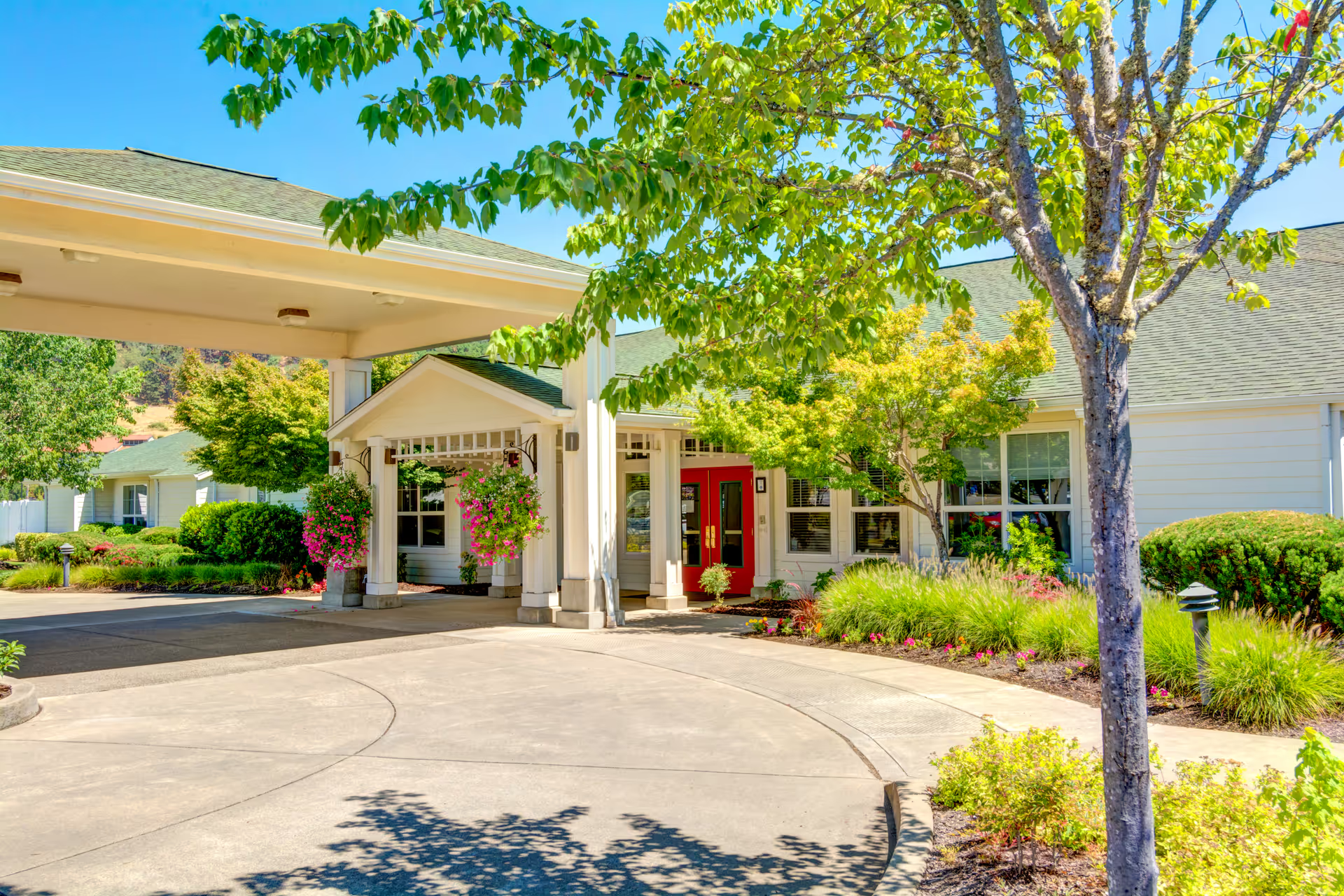
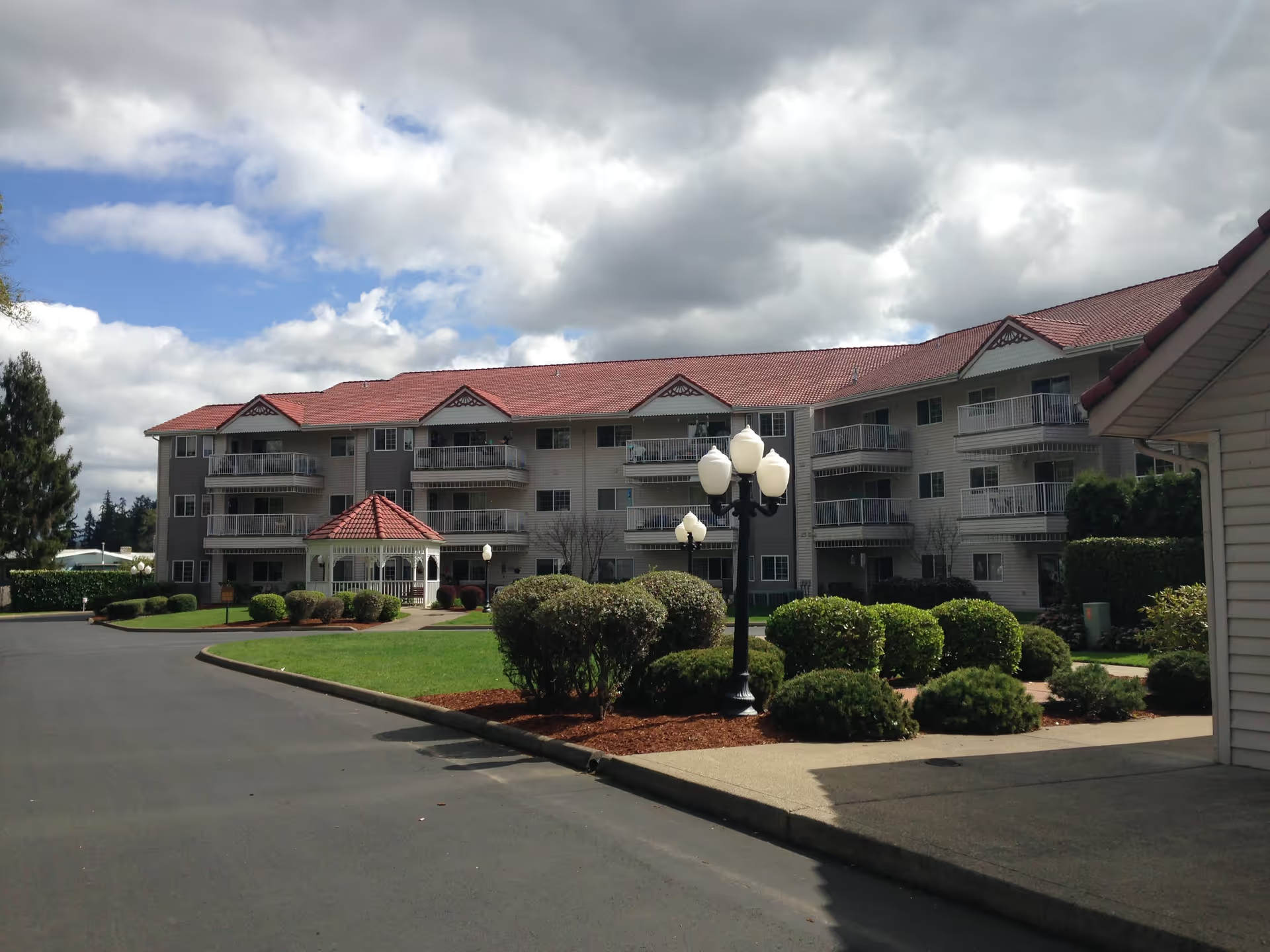
Facility and environment concerns focus on maintenance and cleanliness. The building is described as older with worn finishes, dated furnishings, and rooms in need of updating; reviewers noted sanitation concerns and reliability issues such as hot-water outages that affected showering. Activity- and outdoor-space offerings (including a smoking area and garden-club involvement) are positive counterpoints, but the physical plant appears to require ongoing upkeep.
Administrative and management issues emerged as a recurrent theme. Families raised questions about billing transparency, paperwork practices, and contract clarity, with at least one significant billing dispute cited. There are also allegations regarding loss or disposal of personal belongings and inconsistent communication around visitation — including instances where families or visitors were told they were not welcome without clear explanation. Infection-control procedures were described as strict, which some families appreciated, but communication around policy application and visitation flexibility was a source of frustration.
Overall, Sapphire at Myrtle Point shows strengths in social programming, therapeutic services, and in the dedication of individual staff members. Prospective residents and families should weigh those positives against operational weaknesses: variable staffing and responsiveness, maintenance and cleanliness deficits, and administrative/billing transparency concerns. A focused review of medication procedures, staffing levels, property-management practices, and a walk-through of current room conditions and plumbing/infrastructure reliability would be prudent steps for families evaluating placement.