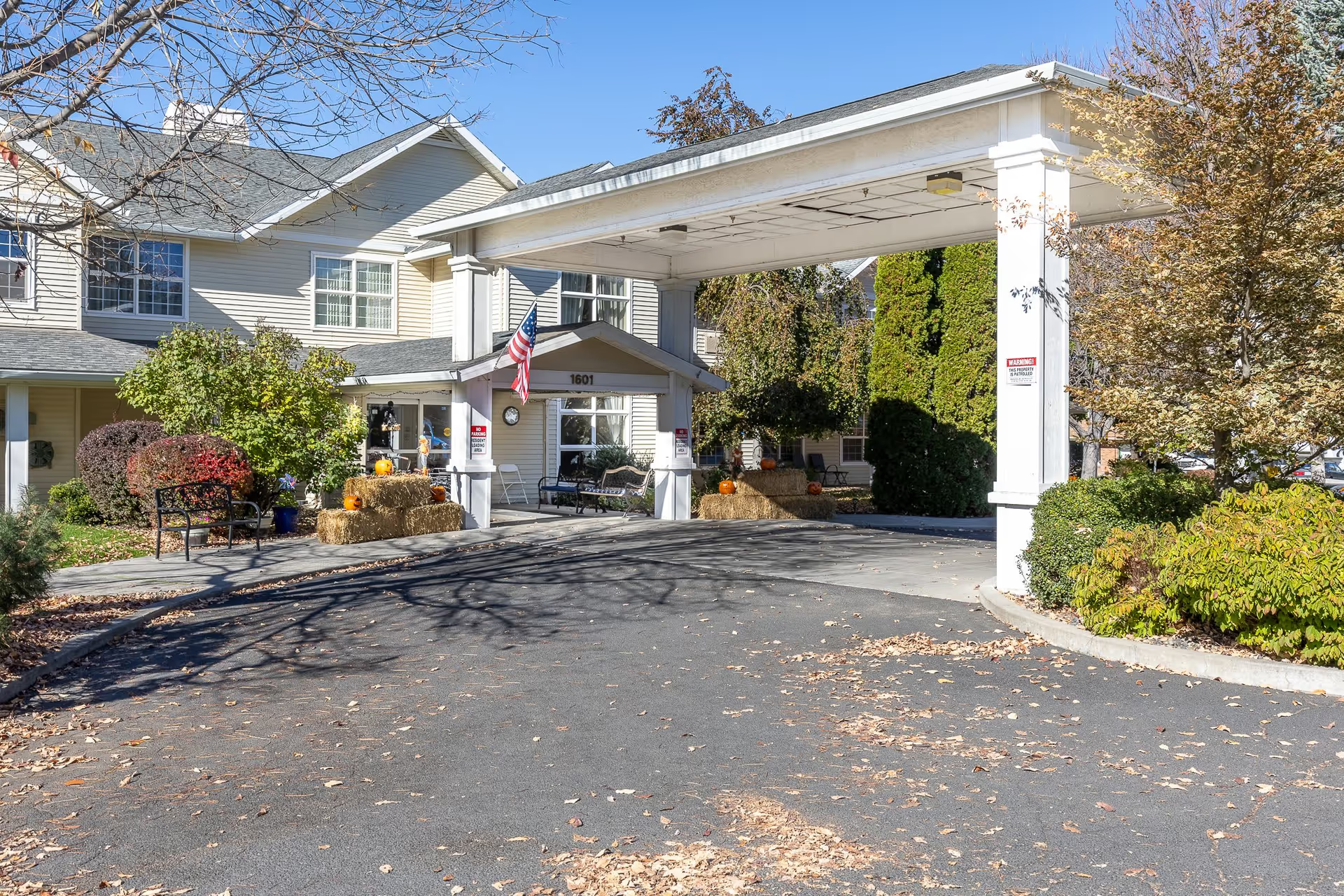
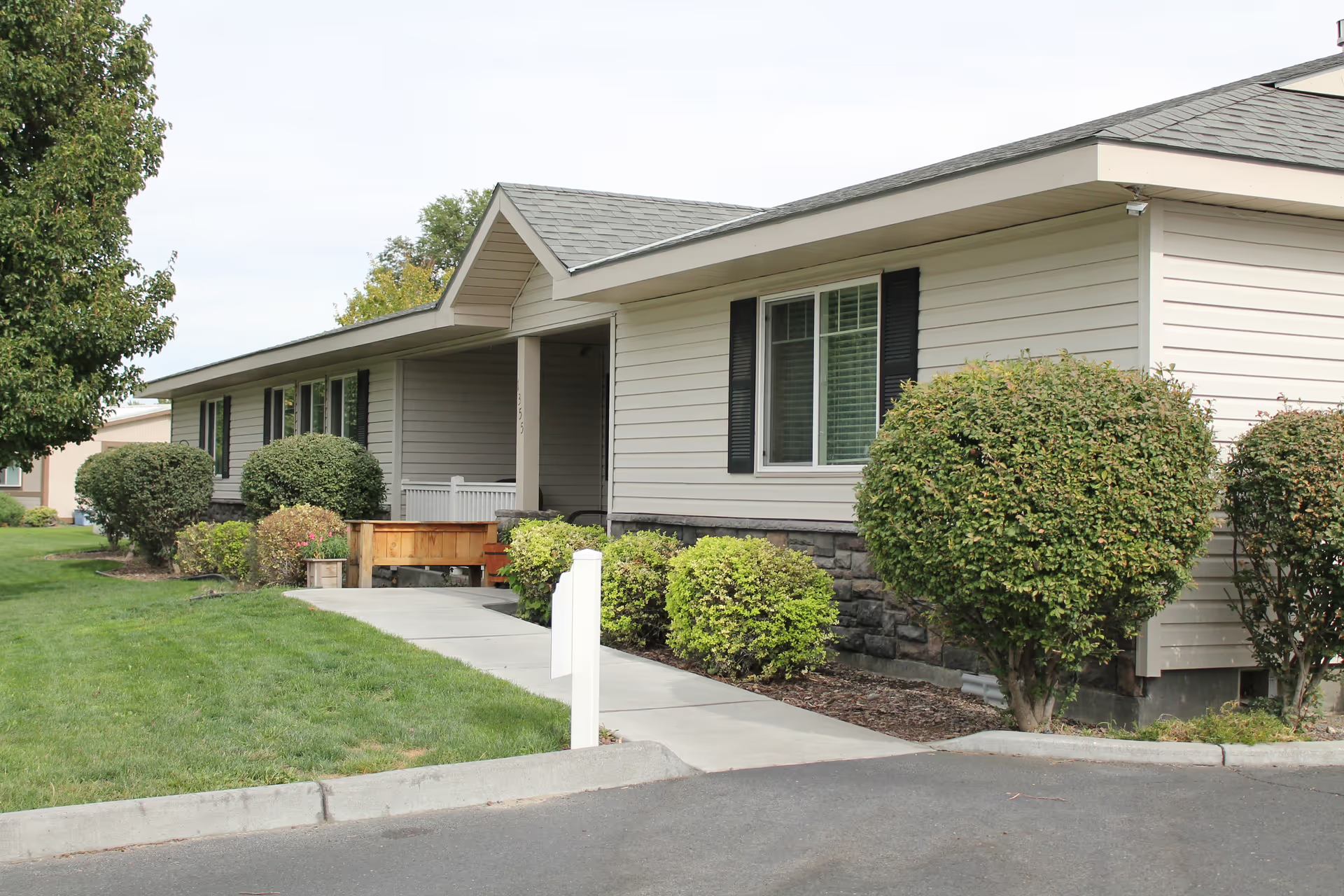
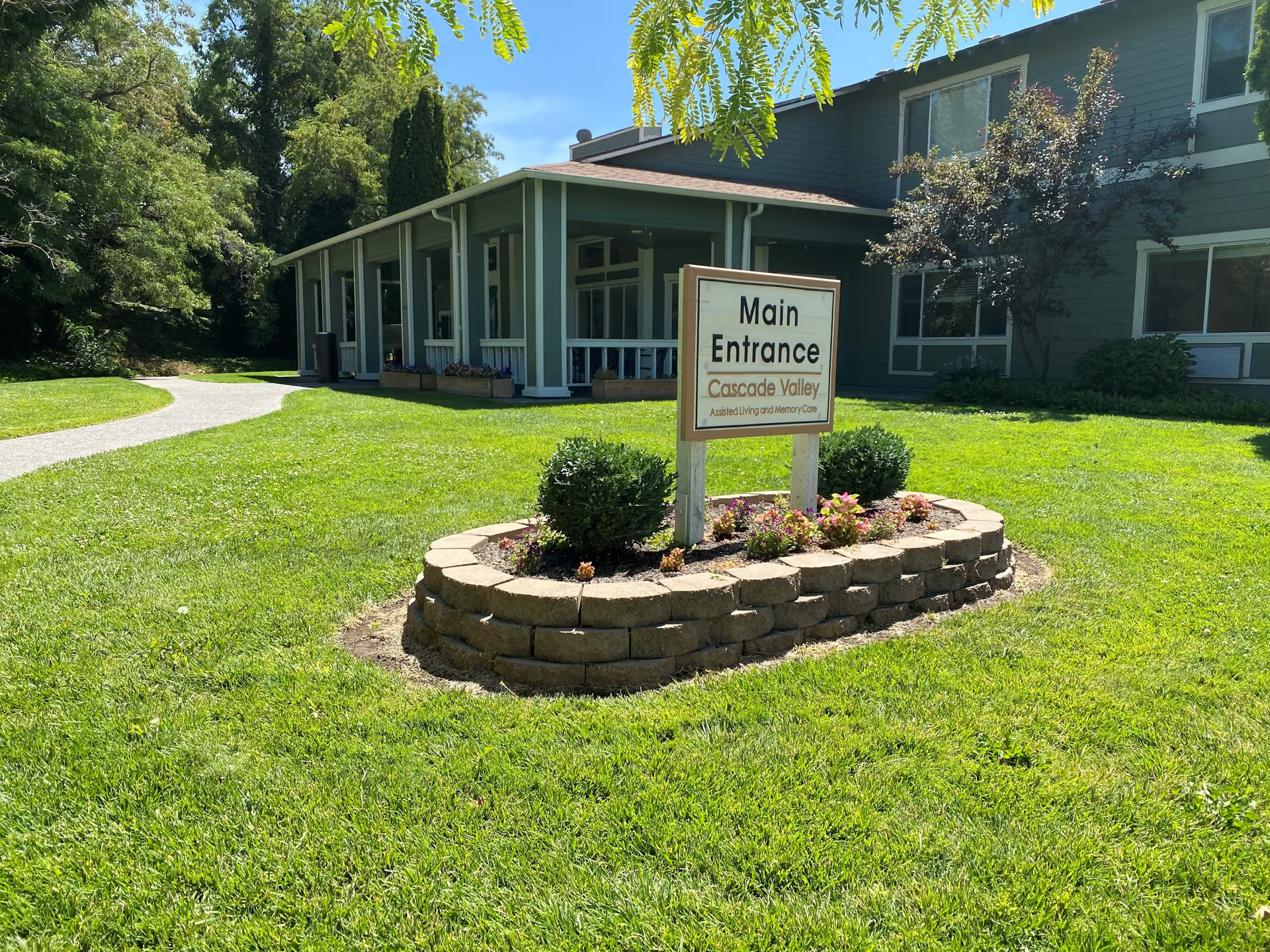
Overall impression: Reviews of Juniper House exhibit a clear split between families praising the facility and others raising operational concerns. Many accounts describe a clean, comfortable environment with long-tenured leadership and hands-on caregivers; other accounts highlight inconsistencies in core care processes and professionalism. Prospective residents should expect a facility that can provide attentive, personable care in many cases, but should verify procedures and staffing for consistency.
Care quality: Several reviewers praised attentive, hands-on caregiving and regular communication with families. At the same time, there are notable concerns about clinical operations: medication-management controls are inconsistent in some accounts, and there are indications of gaps in emergency escalation and incident response. Personal-care delivery (including bathing and incontinence-related assistance) is described as uneven, with occasional delays or missed services. These patterns suggest variability in the consistency and reliability of day-to-day clinical care across shifts.
Staff and professionalism: Staffing characterizations are mixed. Many describe friendly, hardworking staff and experienced managers who engage with families. Conversely, other accounts point to variable staff conduct — distraction by personal devices, inappropriate on-duty behavior, favoritism, and conversational tone that some families found insensitive. Staff morale appears uneven; while some teams are praised for dedication, others are described as abrupt or unavailable at times. Long staff tenure and a visible management presence are strengths, but professionalism and behavior standards may differ by shift or individual.
Dining and housekeeping: The facility is frequently described as clean and well-kept, with spotless common areas and tidy rooms for many residents. However, several comments raise sanitation and housekeeping inconsistencies: odors in some areas, leftover food in dining spaces, and rooms that may not be cleaned without family prompting. These observations point to variable housekeeping performance rather than a consistently poor environment.
Activities and services: Recreational programming receives mixed feedback. Families note a comfortable, pleasant setting and resident satisfaction with daily life, but the activity offerings appear limited in some respects (for example, an exercise program described as primarily a DVD-based class). Transportation options are limited (no shuttle), which may affect access to offsite appointments and outings.
Management and communication: Management is often described as experienced and communicative, with transparent updates and encouragement of family involvement. At the same time, some reviewers described abrupt administrative interactions and uneven responsiveness to concerns. This suggests that administrative style and responsiveness may vary depending on timing and personnel.
Notable patterns and guidance for families: The dominant positive themes are cleanliness, comfortable rooms, and caring staff in many instances. The dominant negative themes are operational consistency — specifically medication management, incident-response, personal-care scheduling, housekeeping, and staff professionalism. Prospective families should ask specific questions during tours about medication administration protocols, emergency/incident procedures, staffing ratios (including night coverage), housekeeping schedules, activity calendars, and transportation options. Observe staff–resident interactions on multiple units and shifts if possible, and request documentation or explanations of the facility's protocols for medication checks, incident escalation, and personal-care scheduling to assess consistency.