Overall impression: Reviews convey a largely positive picture of Suttle Care & Retirement Inc., with many families praising the facility's compassionate, family-like approach and a focus on resident quality of life. Strengths most frequently highlighted include attentive caregiving, skilled clinical and end-of-life support, a clean and well-kept environment, and a range of amenities that support an engaging, home-like experience.
Care and staff: Commenters consistently describe staff as caring, professional, and well trained. Many accounts note individualized, accommodating care plans and specific examples of staff going "above and beyond." The facility's culture is repeatedly characterized as warm and familial; staff–resident interactions and the emphasis on connection are framed as clear assets. At the same time, there are indications of variability in interpersonal style and responsiveness among some employees, and a small number of critiques focus on the tone of communication from particular administrative staff.
Dining: Direct commentary on dining quality is limited in the provided summaries. The broader praise for amenities and overall care suggests dining is not a dominant concern for reviewers, but prospective families may wish to request current menus and sample meals during a visit to assess fit and dietary accommodations.
Activities and quality of life: The facility receives strong marks for its activities programming, with references to adventure-oriented and engaging offerings that contribute to residents' quality of life. Reviewers emphasize a sense of connection, social engagement, and programming designed to keep residents active and involved.
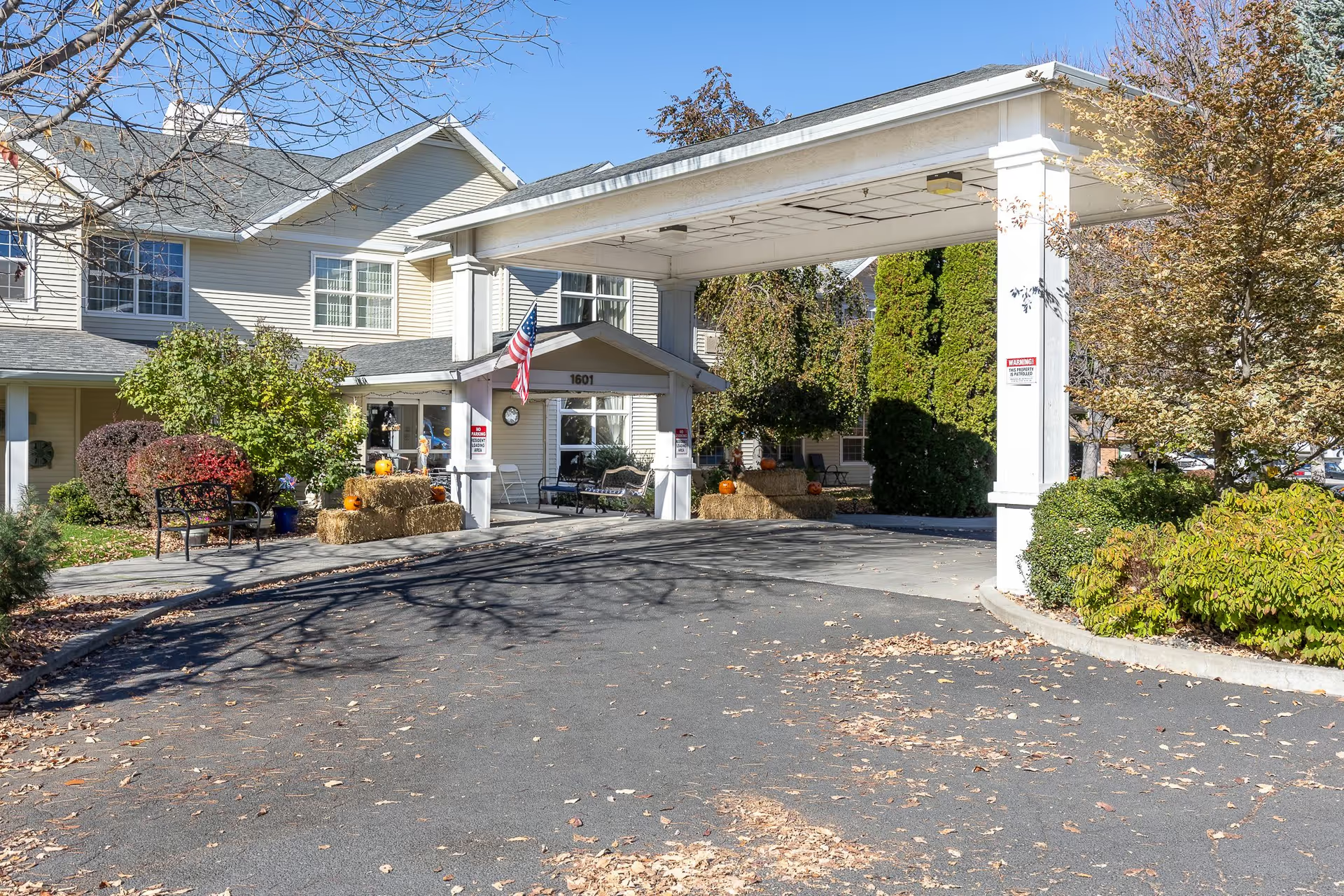
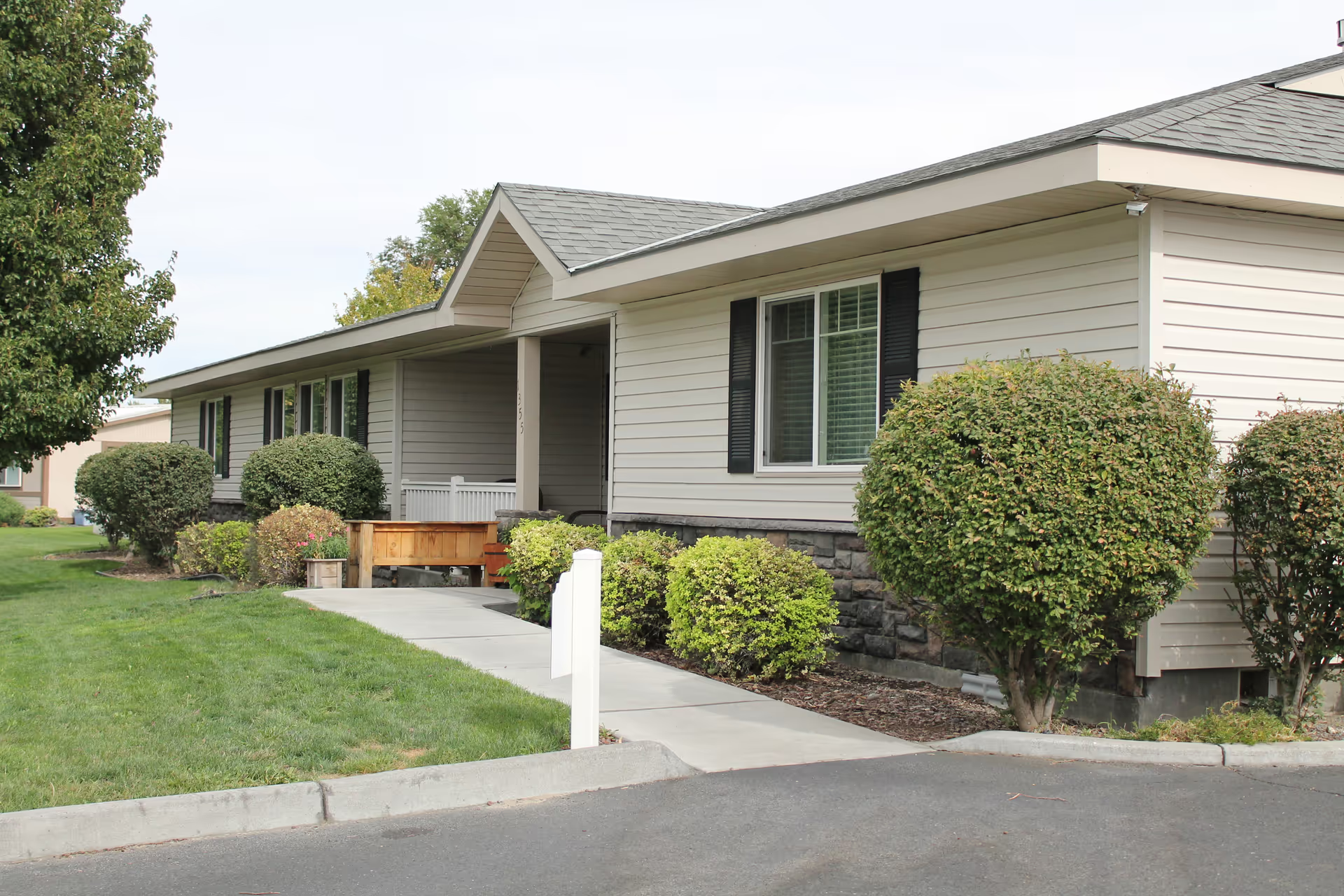
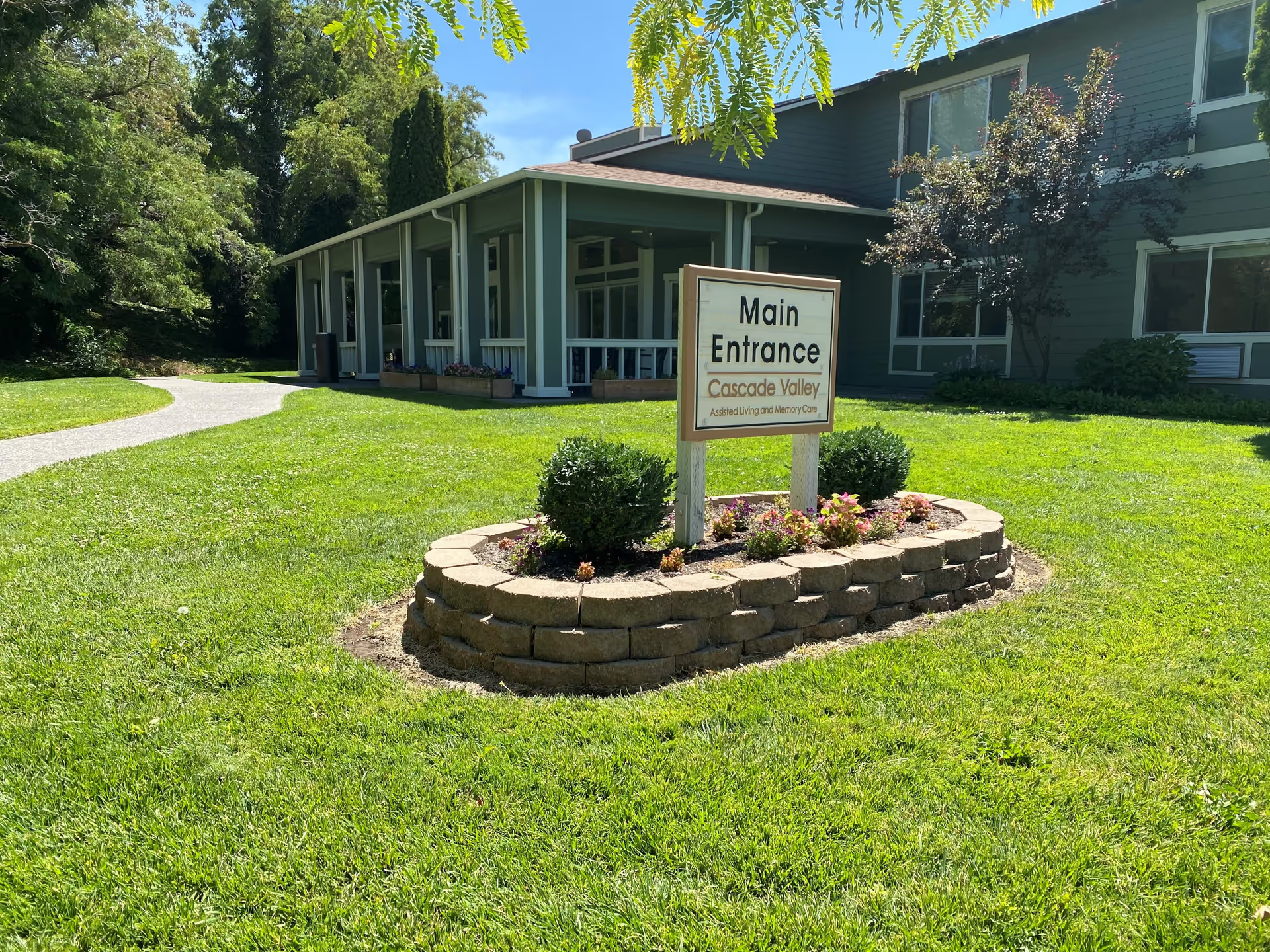
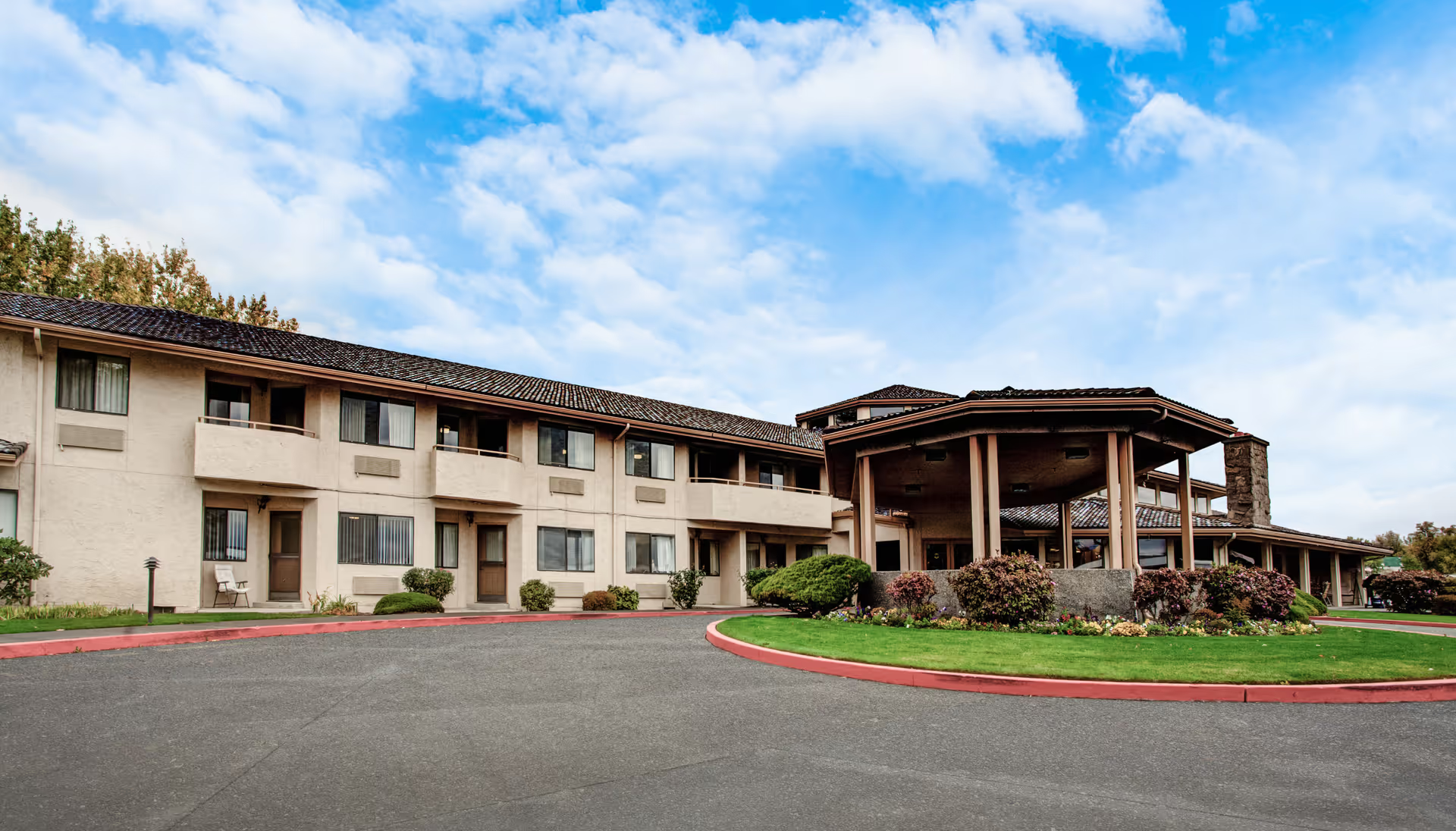
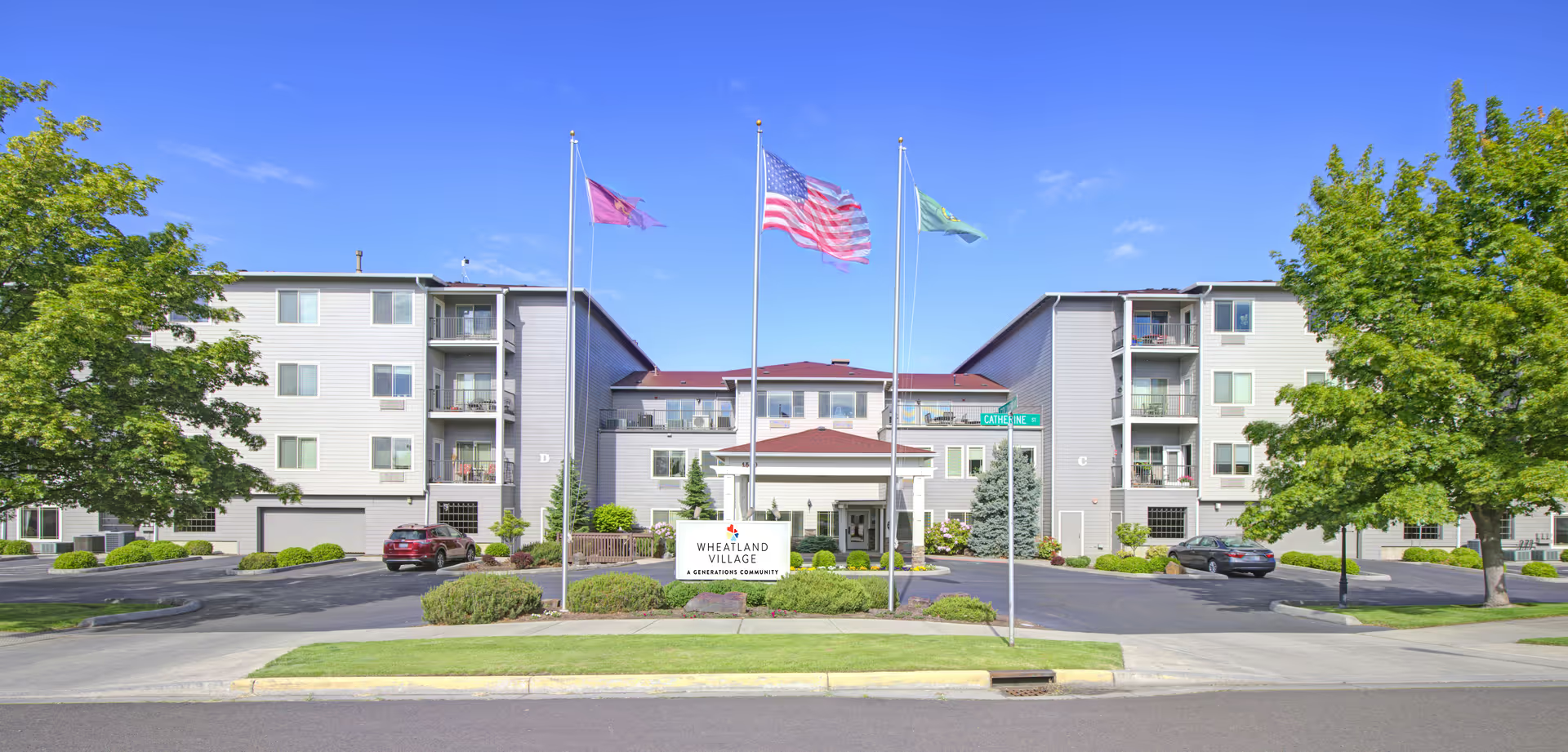
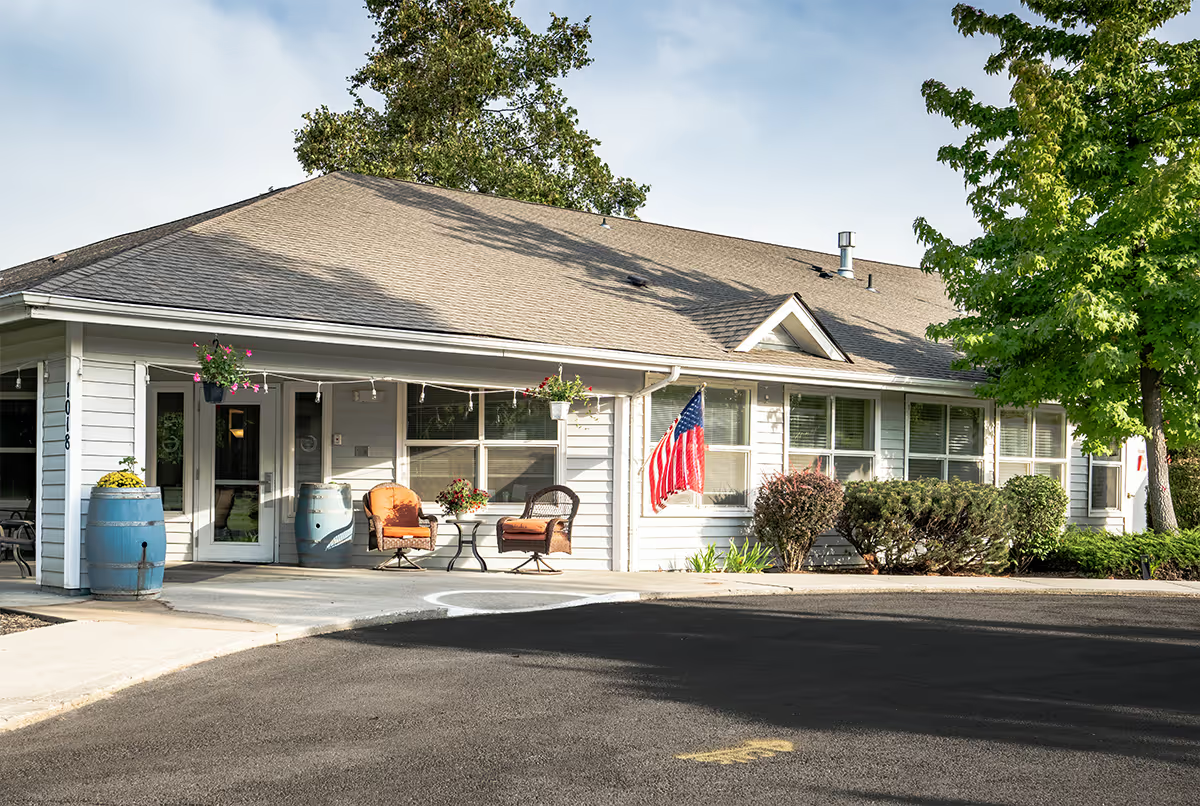
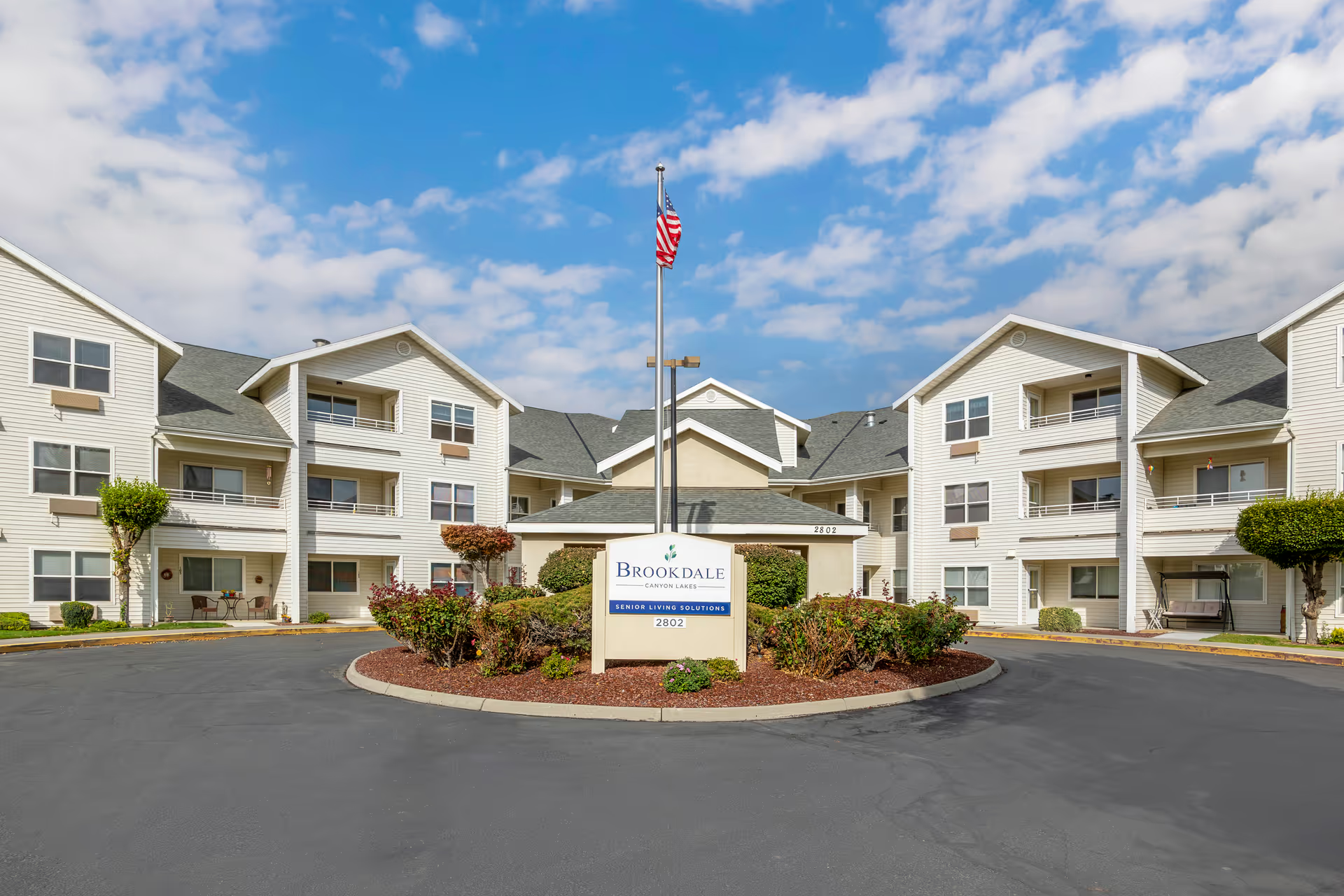
Facilities and environment: Multiple comments describe the building as beautiful, clean, peaceful, and well maintained. The home-like atmosphere and family-owned character are presented as distinguishing features that contribute to a welcoming environment.
Management and operations: Management receives generally favorable mentions for being supportive and effective, with specific praise for managers and ownership who are perceived as caring and involved. However, there are notable concerns about inconsistent administrative professionalism, occasional deficits in supervisory consistency, and a need for clearer, more transparent follow-up when serious incidents or questions arise. Several summaries reference staffing challenges during COVID-19 or similar high-demand periods, indicating that contingency staffing and infection-control staffing capacity are areas for inquiry.
Notable patterns and considerations for families: The dominant pattern is one of high-quality, compassionate care delivered in a home-like, well-maintained setting. Counterbalancing this are a smaller number of strong criticisms centered on administrative tone, variable communication, contingency staffing during outbreaks, and perceived gaps in accountability or incident follow-up. Prospective residents and families should consider on-site visits, meet front-line caregivers and administrators, ask specifically about contingency staffing plans and incident-investigation procedures, and seek recent references to confirm current performance. These steps can help verify that the facility's prevailing strengths align with individual needs and expectations.