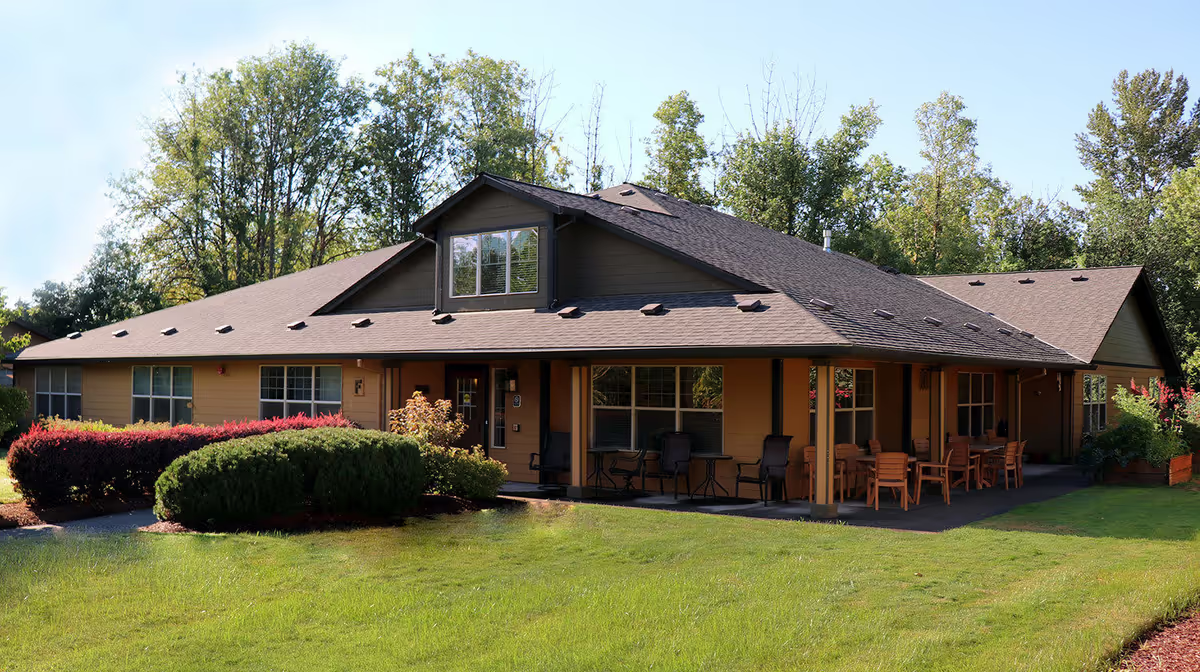
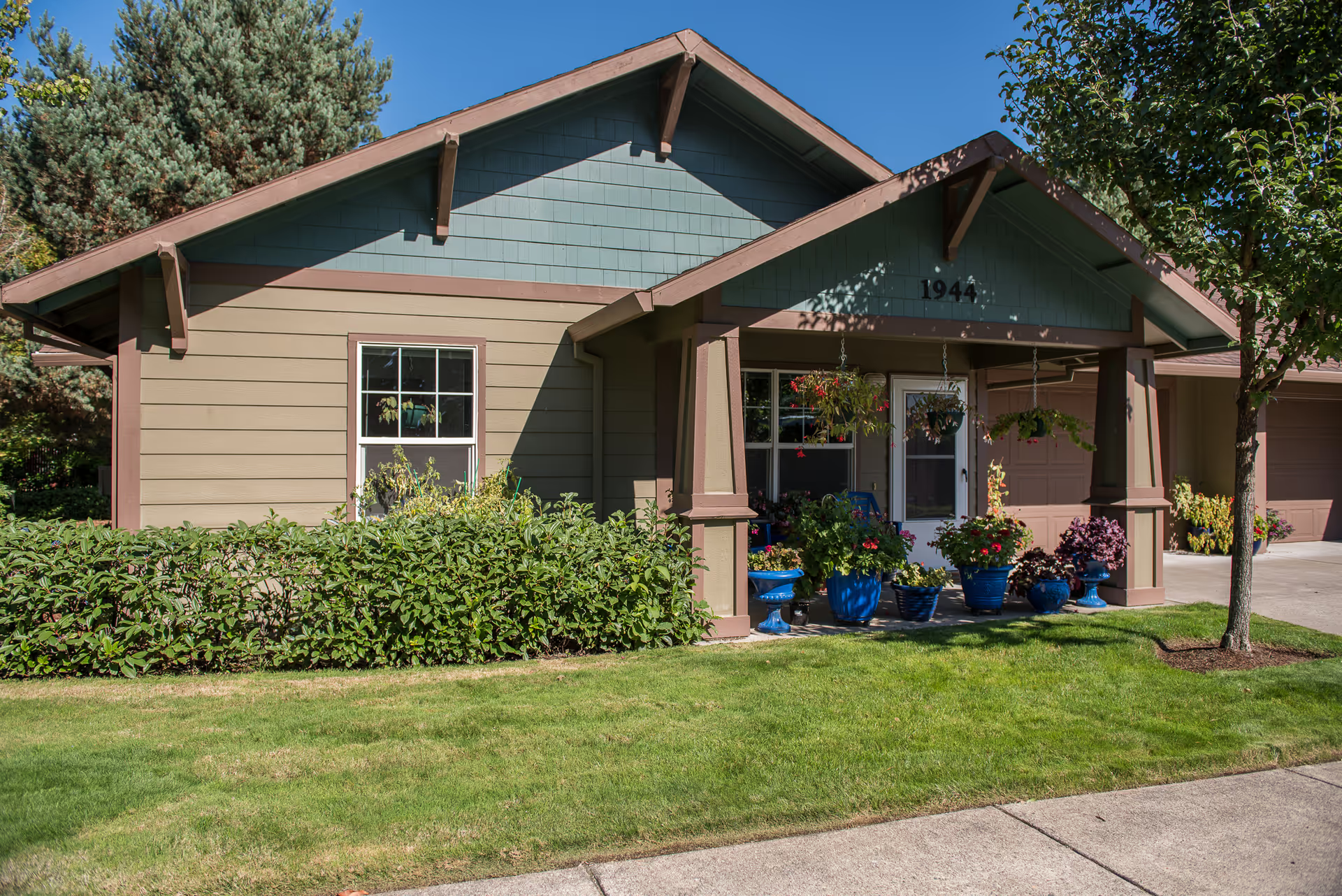
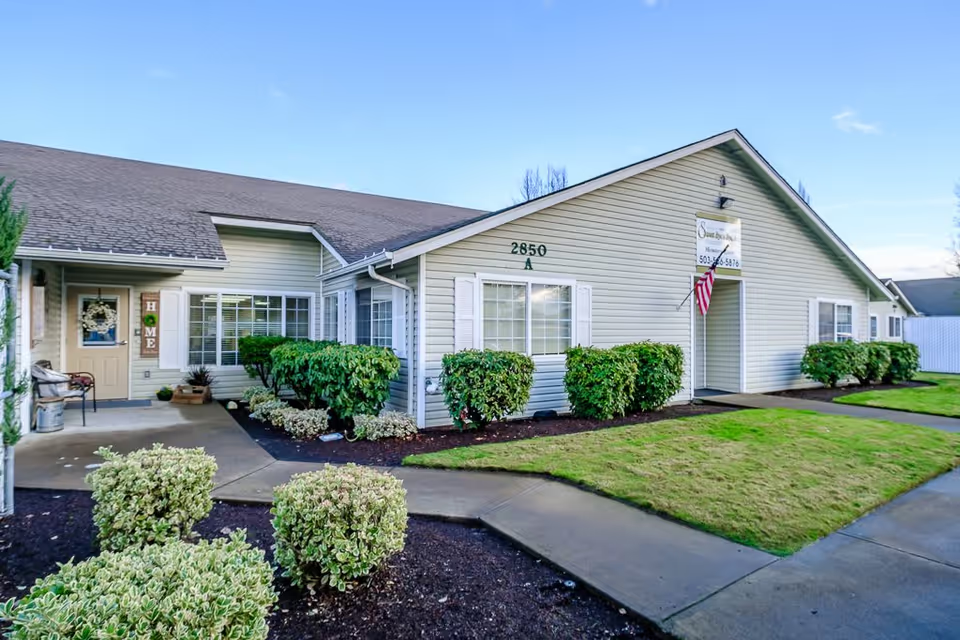
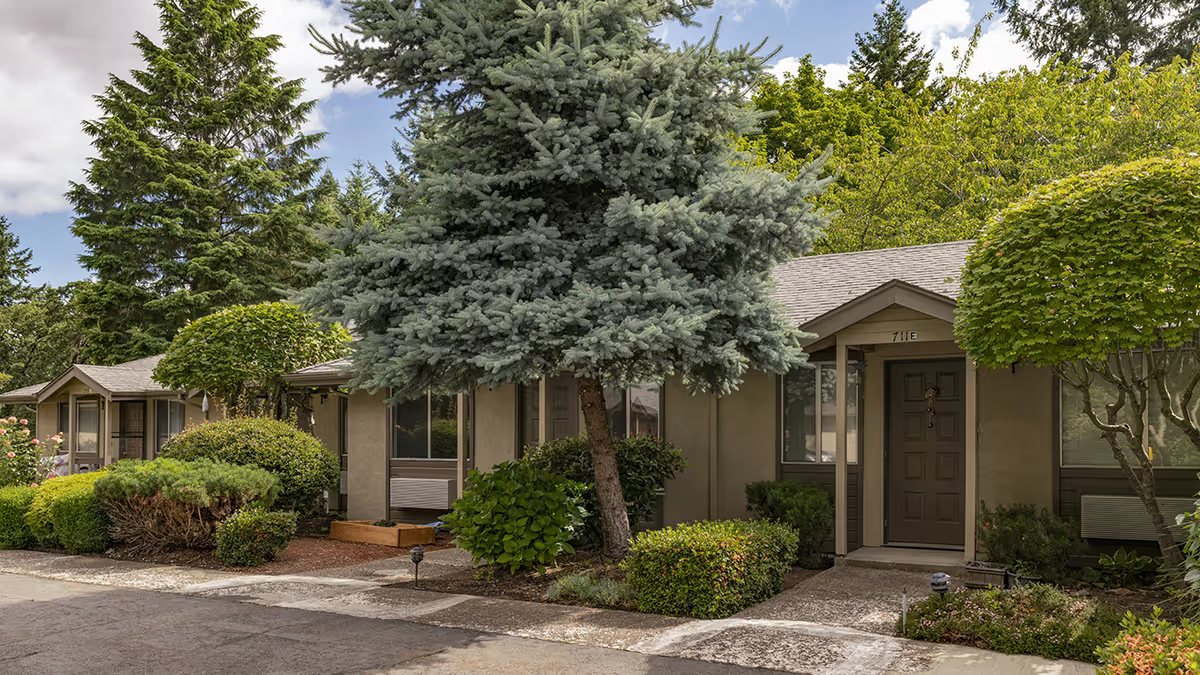
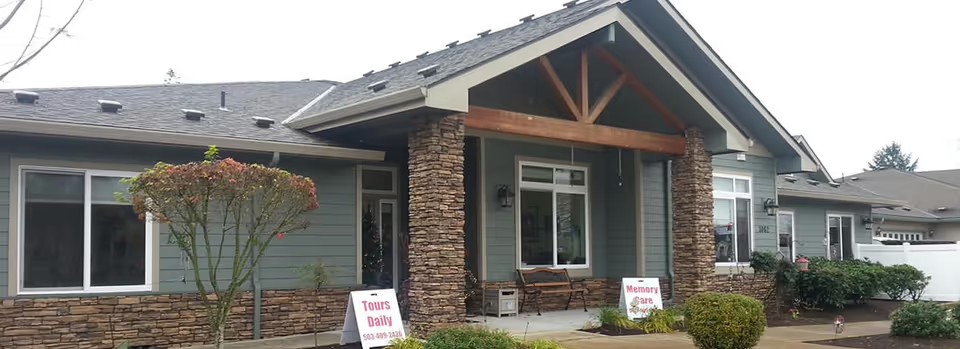
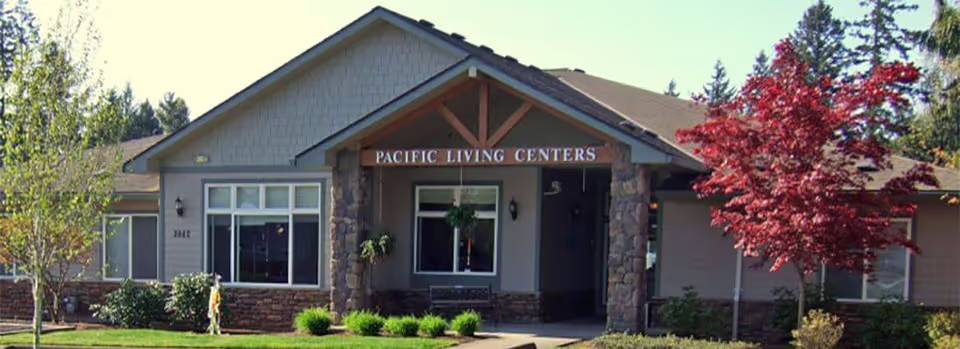
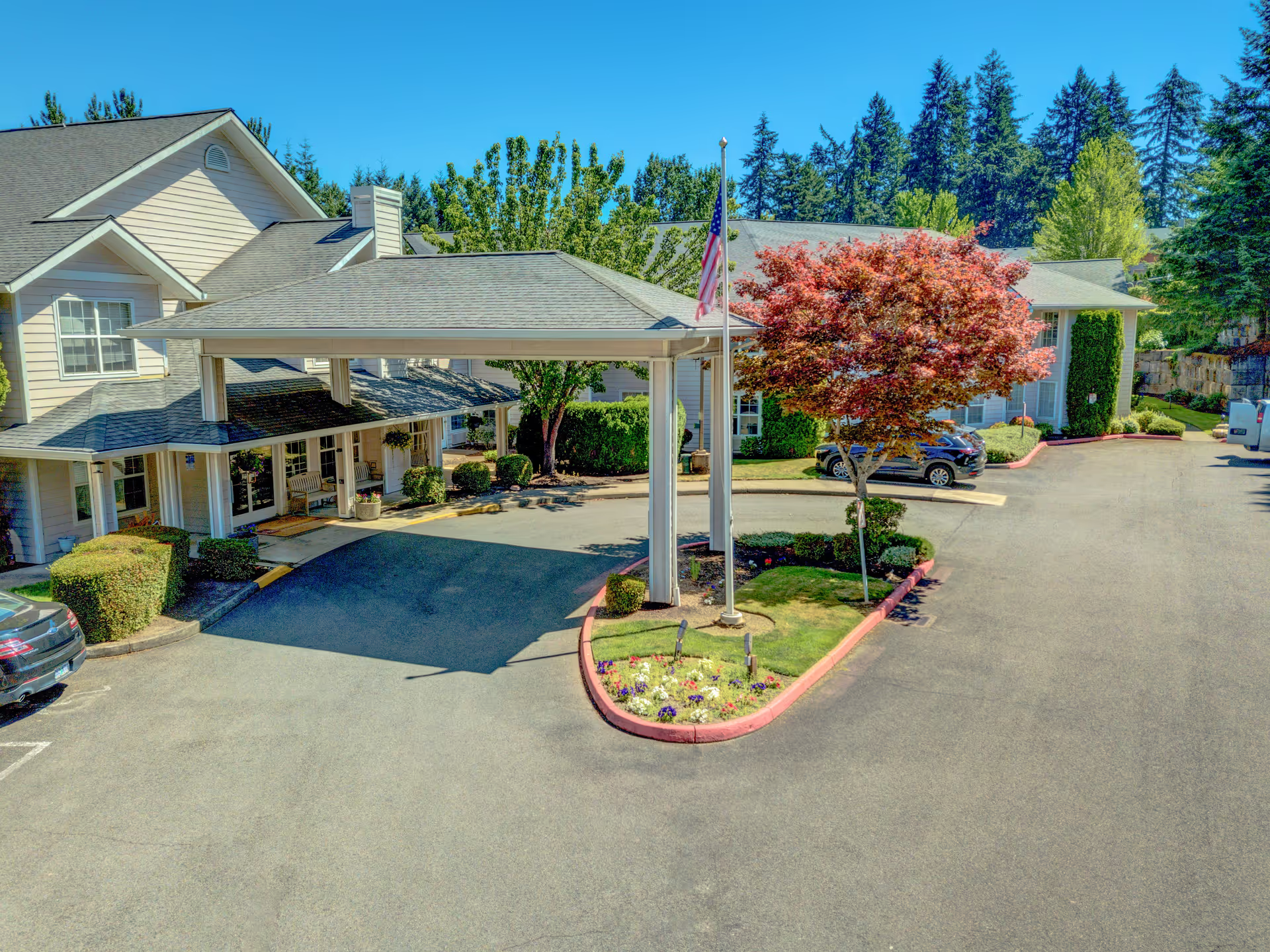
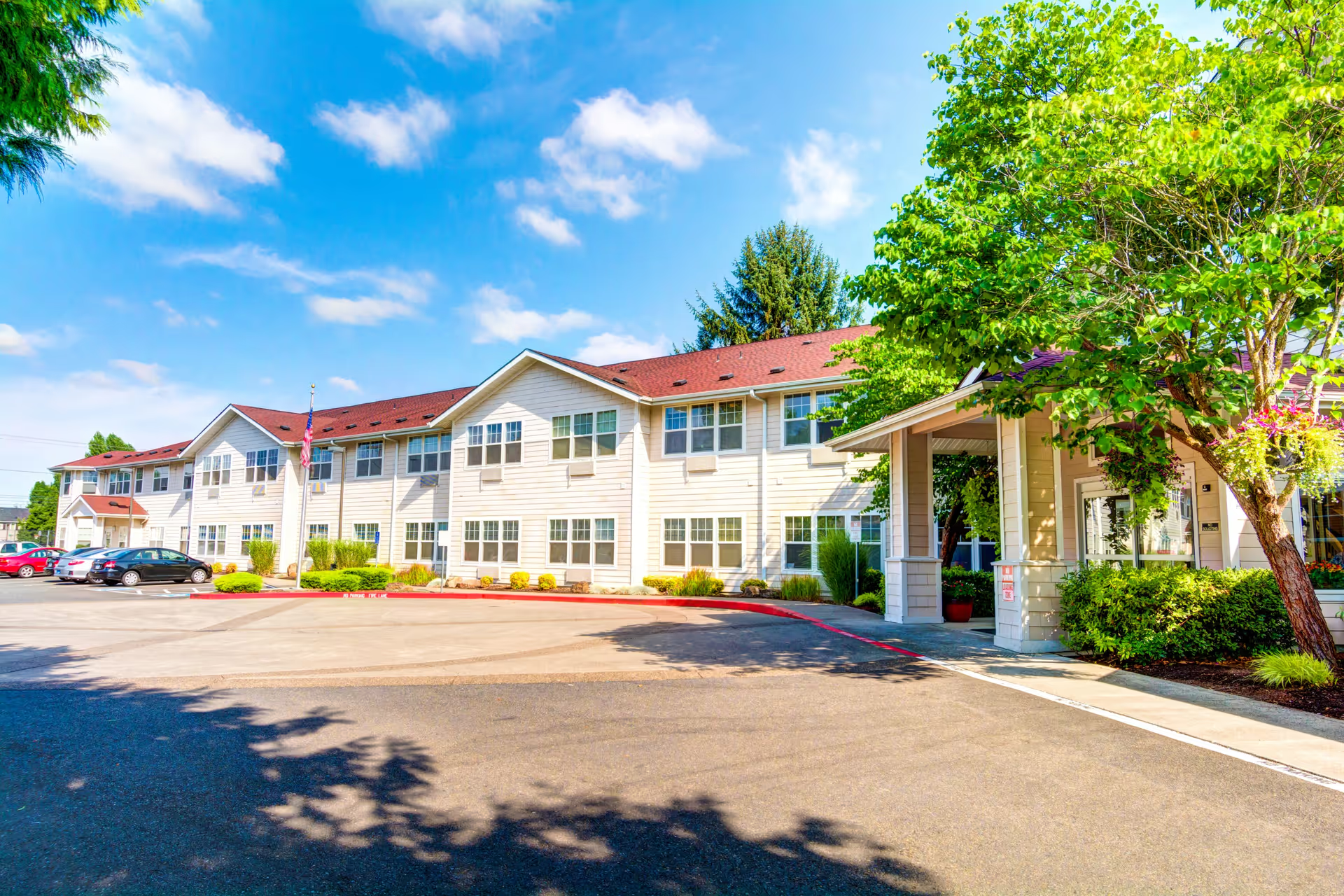
Applewood Retirement appears to position itself as a budget-friendly, community-style senior residence with strengths in staffing demeanor, dining structure, and social programming. Reviewers frequently characterize the staff as friendly, attentive and helpful, and many families appreciated a warm first impression and responsive move-in procedures. The facility emphasizes value: below-market rents, all-inclusive pricing that often covers three daily meals and utilities, and additional conveniences such as an on-site beverage station, laundry, and complimentary tours.
Dining and activities are recurring strengths for many residents. The community offers restaurant-style, multi-course meals, a broad activity calendar (Bible study, Bingo, card games, exercise, casino and restaurant outings), and scheduled transportation to shopping and medical appointments. Common spaces and the dining room are often described as roomy and conducive to group activities, and amenities such as exercise rooms, libraries, and small garden/patio areas support an active lifestyle for independent residents.
Operational patterns are mixed. Several reviewers praised weekly housekeeping and generally clean units, while others reported sanitation and pest-control concerns and variable housekeeping follow-through. Comments point to an aging physical plant: small apartment footprints, dated finishes, and occasional extended maintenance outages (for example, elevator downtime) that can affect daily life. Accessibility for residents with significant mobility needs is sometimes limited, and top-floor access and evacuation logistics were specifically questioned.
Clinical-service availability and care level expectations show inconsistency across accounts. Some families describe on-site caregiver services and medication management; others state the community does not provide assisted-living level care or medication administration. This inconsistency suggests families should confirm in writing which clinical services are provided, and under what conditions residents must transition to higher-care settings.
Management and operational reliability present another mixed pattern. Positive notes reference accommodating ownership and helpful leadership, but other comments describe communication gaps, slow or uneven responsiveness to concerns, and changes under new management that impacted service timeliness (for example, longer dining waits). There are also accounts raising security and incident-follow-up questions; at least one serious security-related incident was described with limited follow-up, so prospective residents and families should ask about incident response protocols, security measures, and complaint-resolution processes.
Bottom line: Applewood appears to offer strong value for largely independent seniors who want social programming, regular meals, and an on-site activity schedule at a lower price point. The community may be a strong fit for residents who prioritize affordability and social engagement and who do not require consistent assisted-living or clinical oversight. Families seeking reliable assisted-living services, consistent housekeeping and sanitation standards, robust emergency preparedness, or a recently renovated physical plant should verify those items directly with management and review written service agreements before committing.