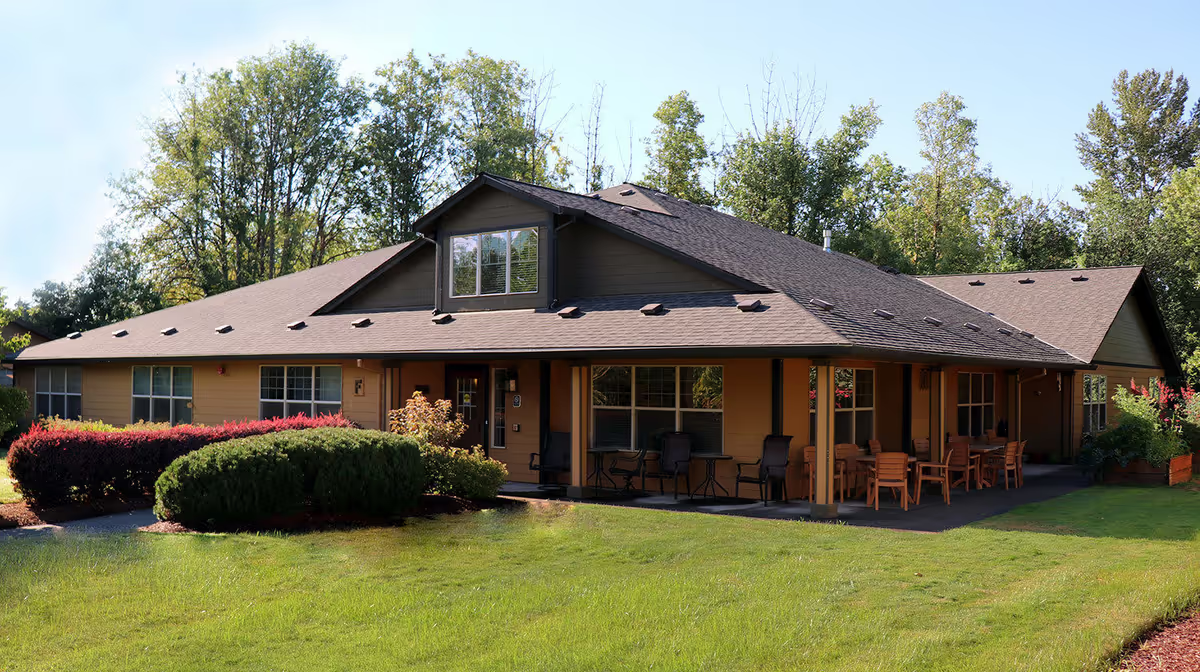
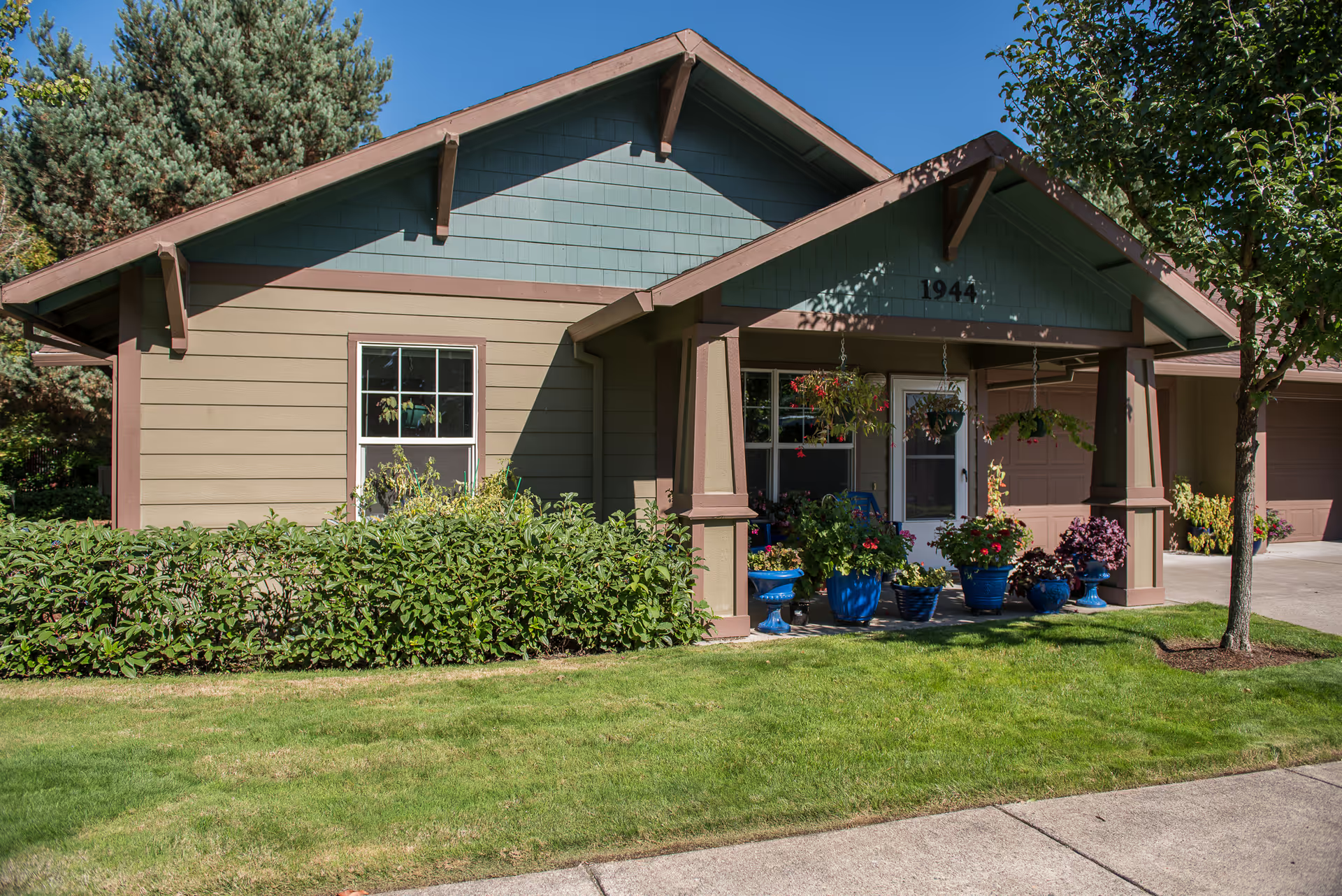
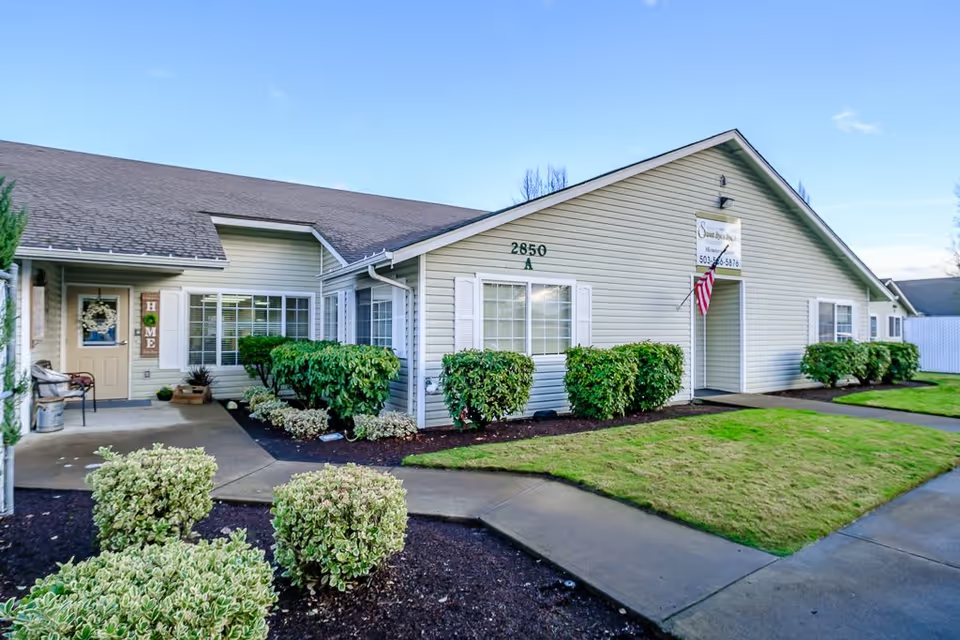
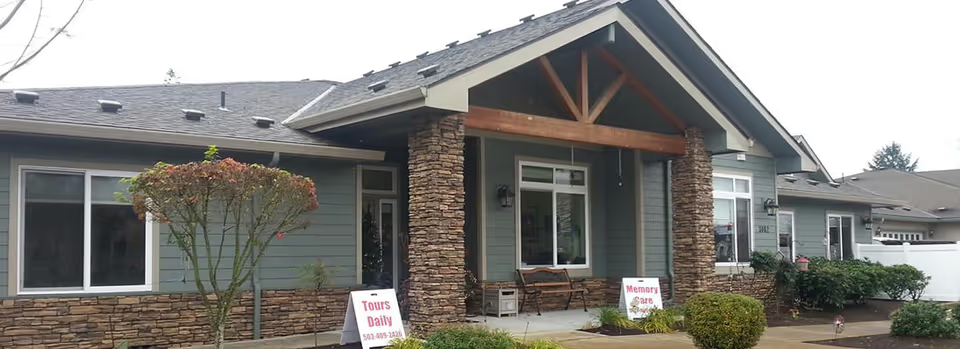
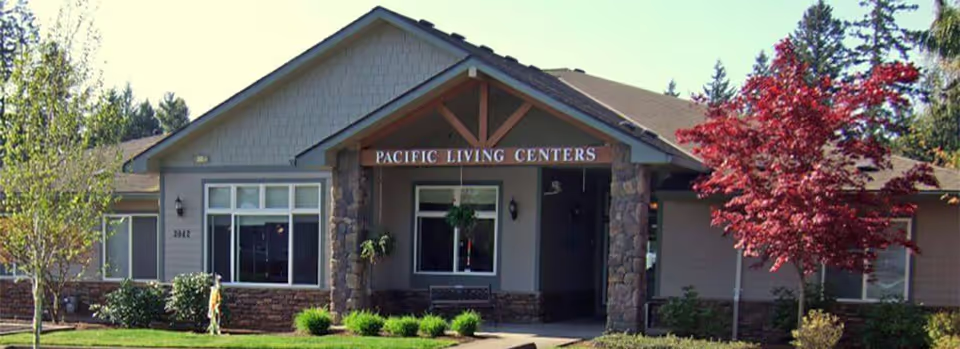
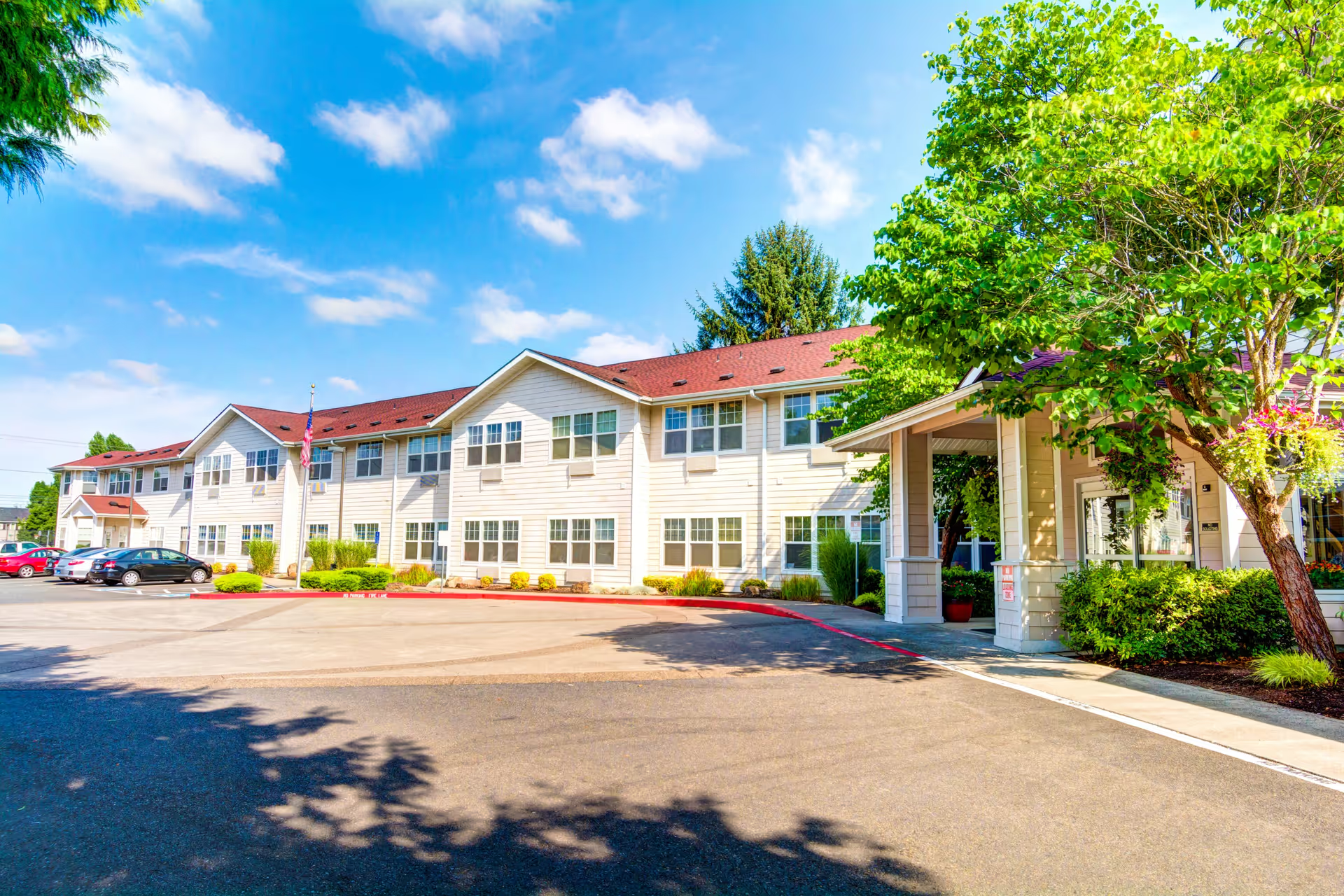
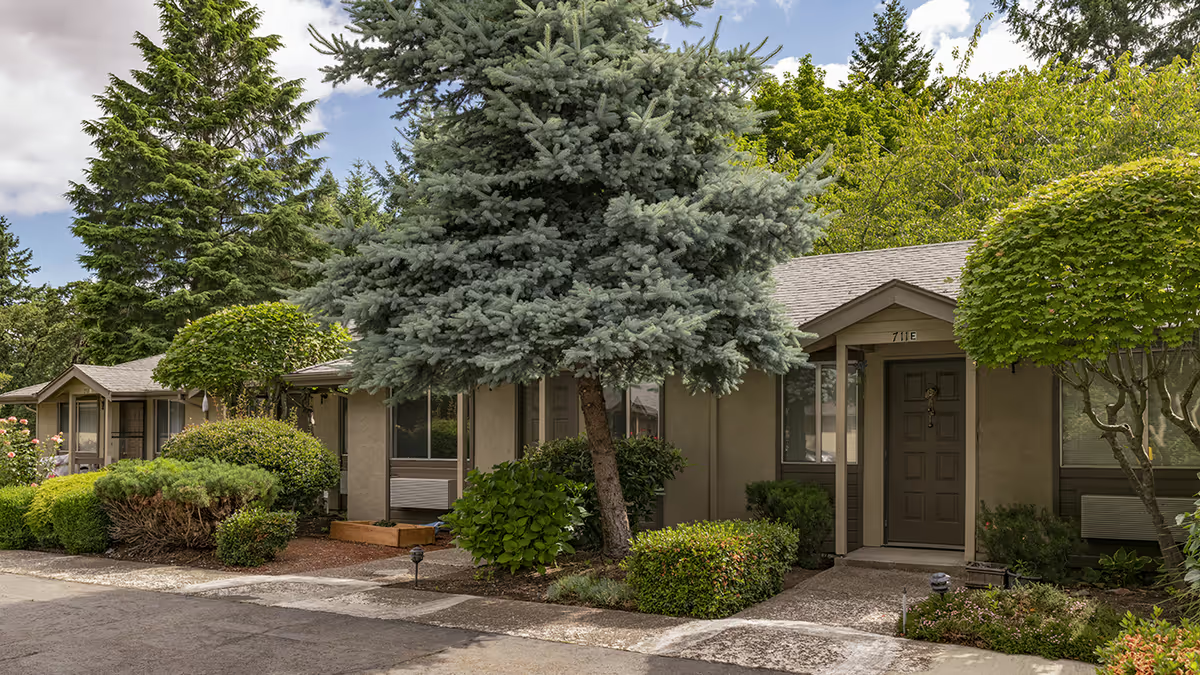
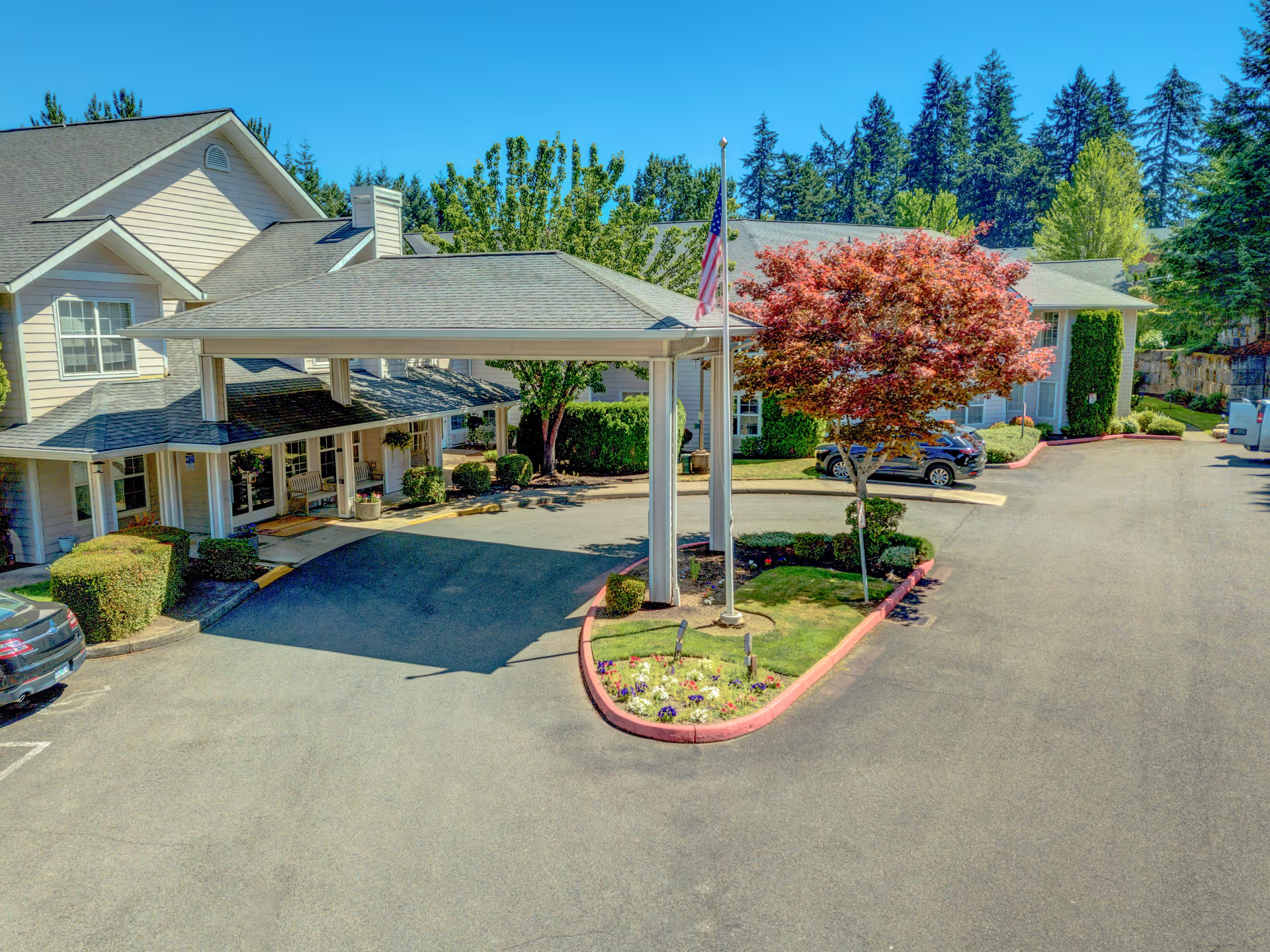
Overall impression: Reviews convey a facility with many positive strengths alongside several operational weaknesses families should assess. Strengths most frequently noted include a caring, family‑oriented staff culture, experienced nursing personnel, and particular competence in dementia and end‑of‑life care. The property is described as clean and modern, with pleasant outdoor spaces, roomy common areas and resident rooms, and generally competitive pricing.
Care and staff: Staffing is the most consistently praised aspect. Numerous descriptions emphasize compassionate, gentle, and devoted caregivers who treat residents like family; reviewers also highlight staff experience with dementia and challenging behaviors. At the same time, there is a pattern of inconsistency in staff engagement and friendliness — some families reported less involved or less responsive staff at times. Reviewers also pointed to variability in nursing responsiveness and communication; nursing staff are both commended for helpful explanations and cited as a concern in other comments. Prospective families should clarify staffing ratios, shift coverage, and communication protocols during intake.
Dining and activities: The activities program stands out as an active, engaged component of daily life, with staff who keep residents involved. Dining impressions are mixed: several accounts describe good, enjoyable meals, while others report disappointing meal experiences. This suggests meal quality and service may vary over time or between units; visitors might plan to sample a meal and ask about meal-service continuity and dietary accommodations.
Safety, clinical oversight, and memory care: Some reviewers raised serious safety and clinical concerns, including falls and subsequent hospitalizations. These descriptions point to potential gaps in fall‑prevention protocols, clinical oversight, and incident response, rather than isolated administrative matters. The memory‑care unit offers security but also shows weaknesses in perimeter control and resident separation, with instances of residents wandering into other areas. Families of persons with cognitive impairment should ask about wandering‑prevention measures, supervision practices, emergency response procedures, and recent incident histories.
Facilities and location: The physical plant is generally described as modern, secure, and attractive, with pleasant plantings, courtyards, and walkways that support outdoor activity. Some reviewers noted limitations in layout or design that may affect supervision or flow. Location feedback is mixed: while some found the facility accessible, others perceived it as isolated; assess travel time and local amenity access according to your needs.
Management and notable patterns: Management receives praise for affordability and for staff who explain services, but concerns about inconsistent care quality and communication recur. There are strong indicators of a positive workplace culture in many accounts, which can support stable care; however, variability between shifts or units appears to be a recurring theme. Given reports of adverse clinical events, families should request information on staff training, turnover, incident reporting, and quality‑improvement measures.
Recommendation for prospective families: During a visit, observe staff–resident interactions across shifts, tour the memory‑care unit and perimeter controls, sample a meal, and ask for specific information on fall‑prevention, staffing ratios, recent clinical incidents, and communication protocols with families. These targeted inquiries will help clarify whether the facility’s frequently praised strengths outweigh the operational inconsistencies noted in some accounts.