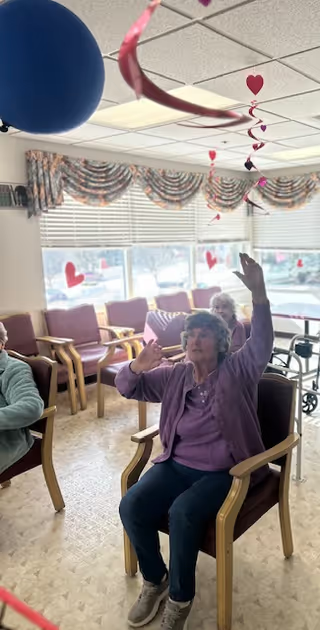
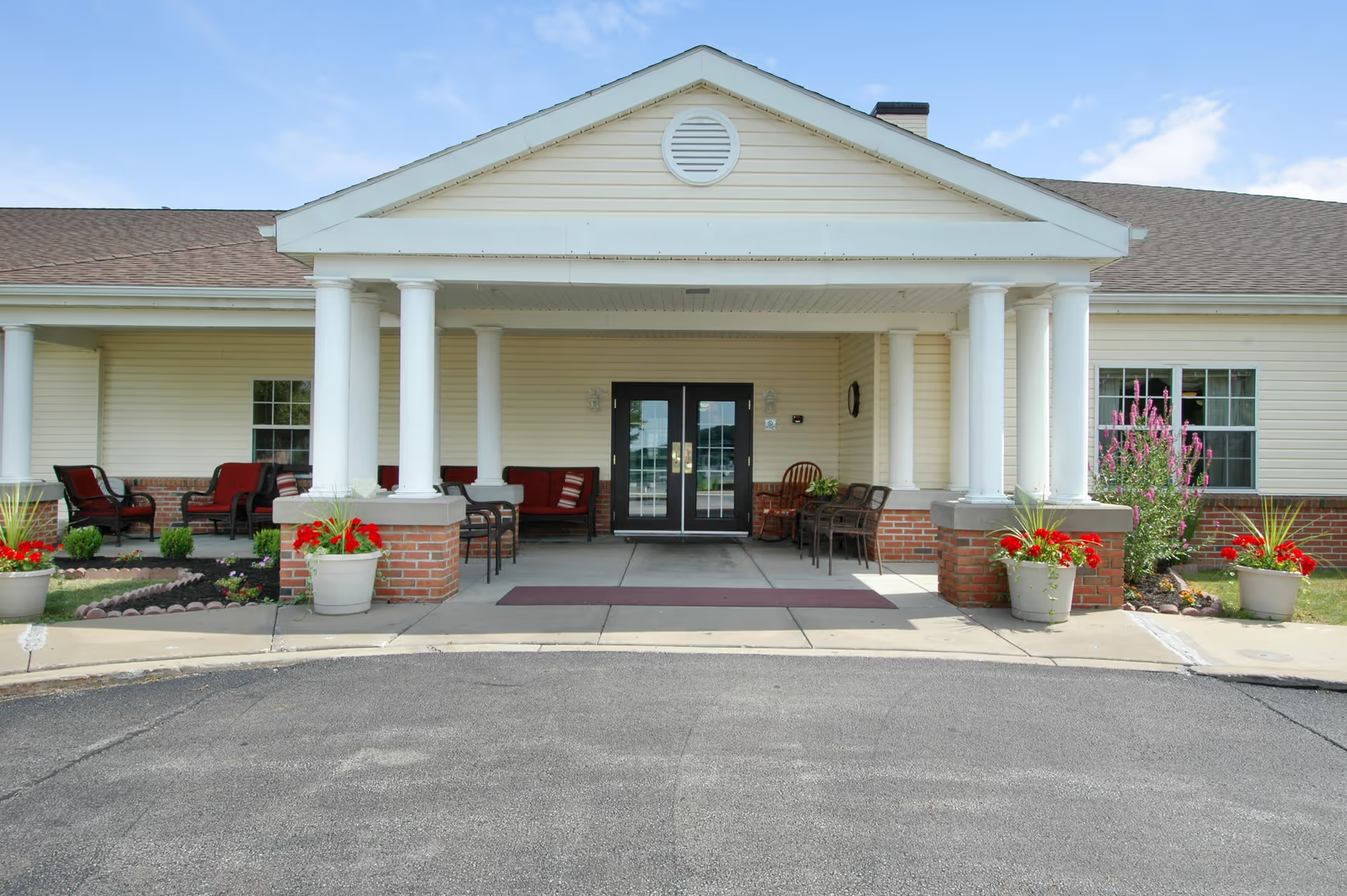
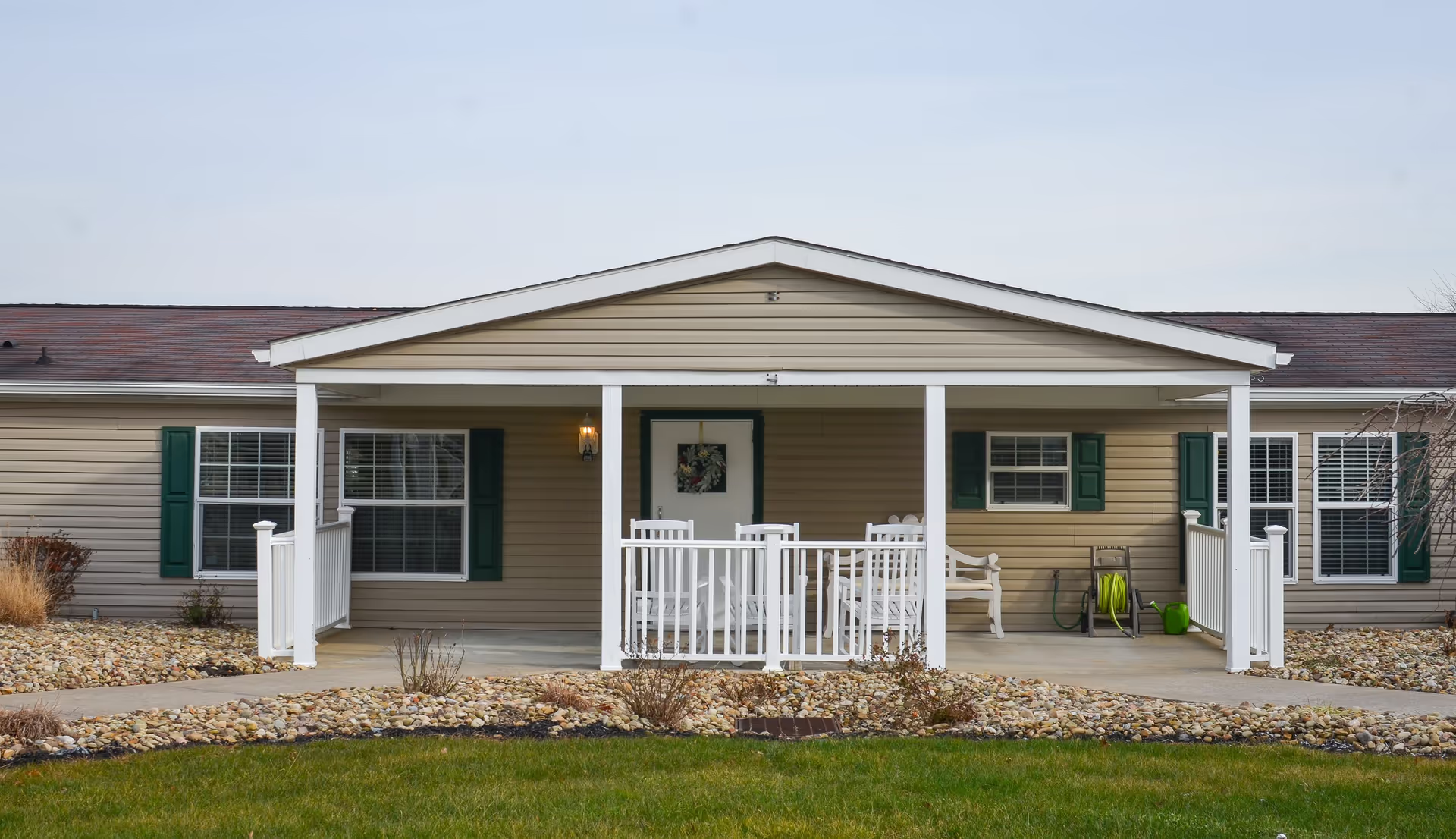
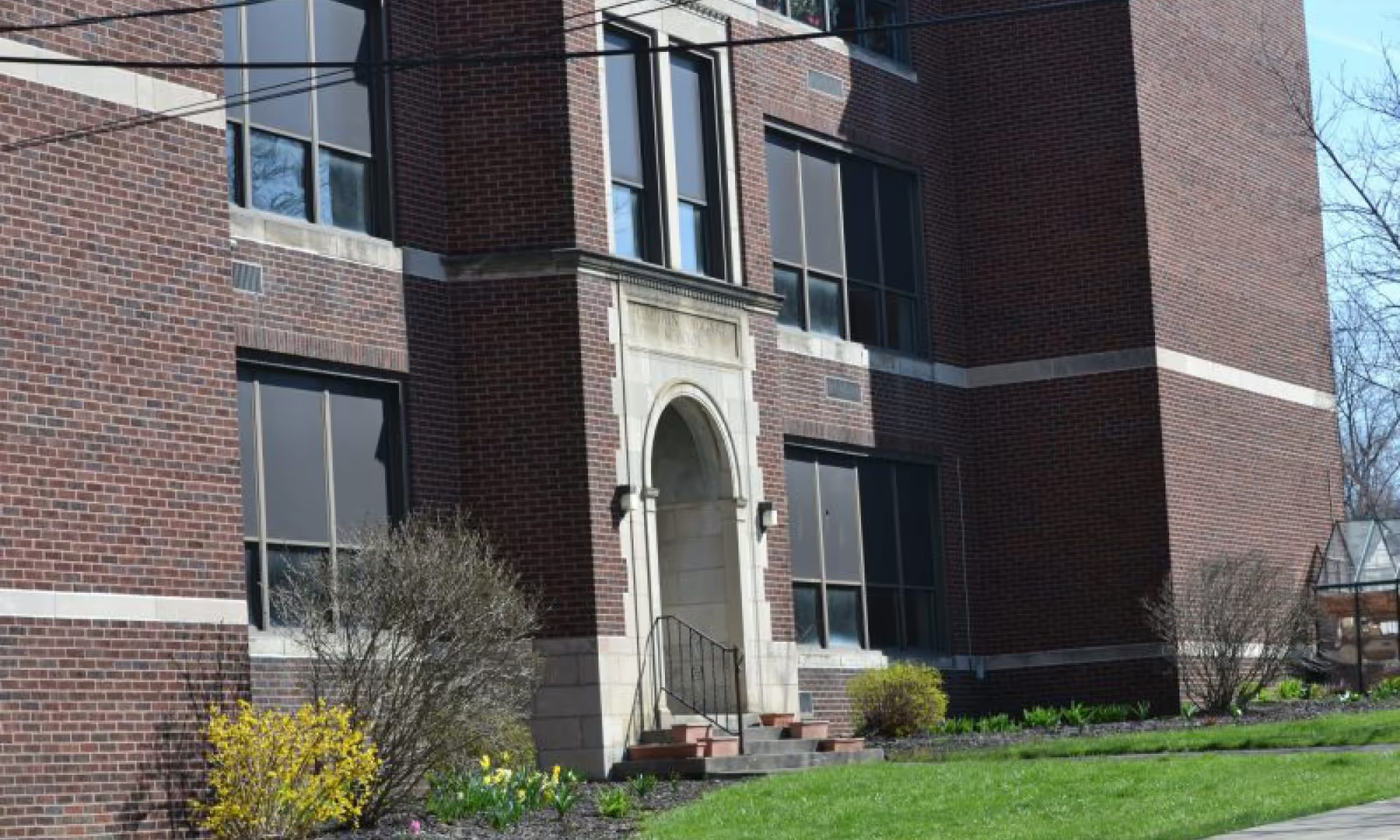
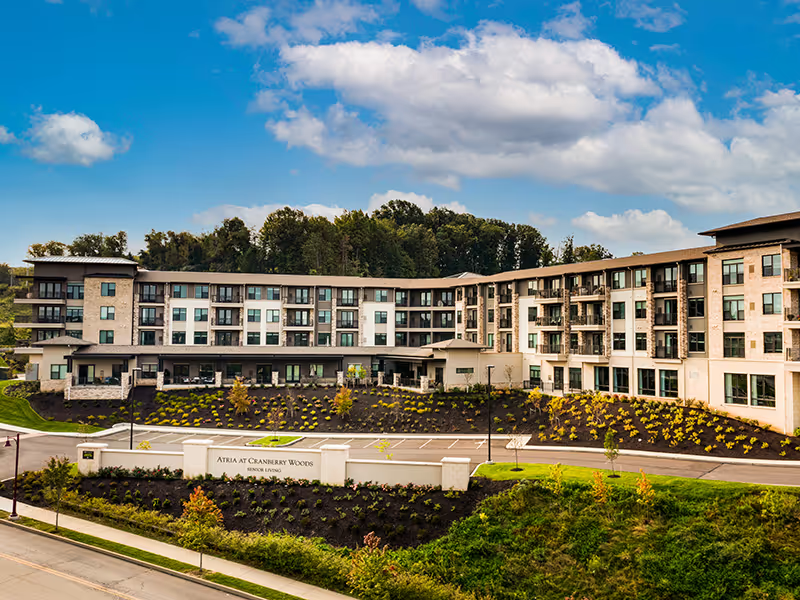
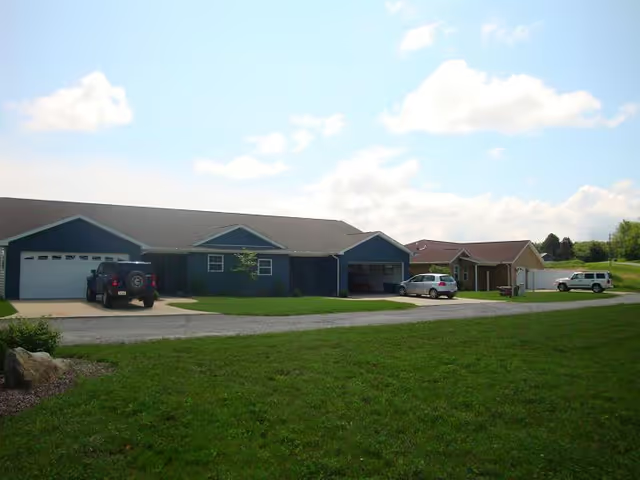
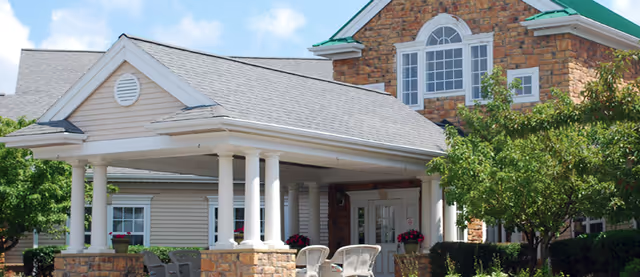
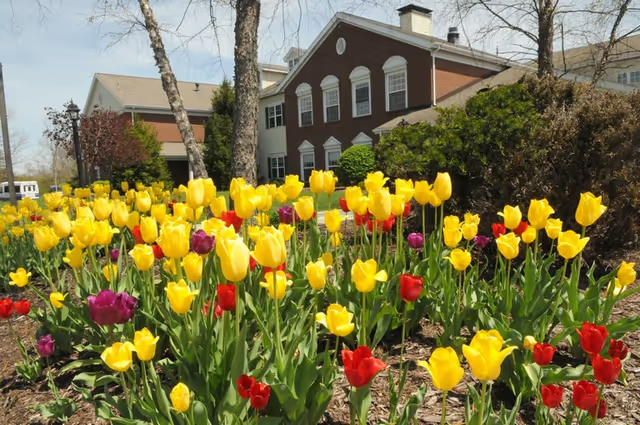
Franciscan Manor is consistently described as an attractive, historic facility with hotel-like public spaces and well-maintained grounds. Many families praise the building’s aesthetic character, abundant parking, porch and outdoor walking areas, on-site chapel, and a formal dining room that feels upscale. Amenities frequently cited include an active calendar of daily and weekly activities (bingo, musical entertainment, outings, choir), an on-site beauty salon and gift shop, and available rehabilitation/physical-therapy services. These features make the campus appealing for independent, short-term respite, and rehabilitation stays.
Care quality impressions are mixed. Numerous accounts reflect compassionate, attentive staff who know residents’ names, provide respectful assistance, and support smooth transitions into the community; several families described feeling reassured by staff responsiveness and by hospice or rehab services when used. Conversely, a recurrent pattern centers on uneven clinical competence and supervision—especially for residents with advanced cognitive impairment or complex medical needs. Specific operational gaps noted include inconsistent medication-administration practices, uneven incontinence-care consistency, and occasions when assistance was delayed. These indicate the facility may be stronger for lower-dependency residents and short-term rehabilitative care than for residents requiring specialized dementia services or high-acuity nursing support.
Staffing and management present a similarly mixed picture. Many reviewers describe a warm, welcoming front desk, helpful activities and dining personnel, and administrators who facilitate family involvement. At the same time, recurring concerns include short staffing (leading to longer call-light waits), variable caregiver skill levels and turnover, and the need for additional dementia-focused training for newer staff. Several families also raised issues about management communication and billing processes, including delays in resolving financial questions; these reflect operational areas that prospective residents and families should clarify during admissions.
Dining and activities are clear strengths for much of the resident population: the food is frequently described as chef-prepared with a varied menu served in an elegant dining room, and programming is robust and family-friendly. That said, there are isolated but repeated comments about inconsistent meal quality and meal-temperature control, so expectations around dining can vary by dining period or kitchen shift.
From a facilities perspective, Franciscan Manor offers an upscale, clean, and odor-free environment with multiple room types and comfortable common areas. However, some units—described as later additions—have smaller rooms and limited maneuvering space, and a few reviewers noted accessibility constraints in certain entries or corridors (narrow passages, columns obstructing aisles). Prospective residents with mobility aids should confirm room dimensions and circulation paths during a tour.
Overall, reviewers’ experiences are polarized: many families describe high satisfaction, compassionate staff, engaging programming, and peace of mind, while a subset report substantive operational and clinical concerns that affected clinical outcomes or day-to-day comfort. The facility appears well suited for independent seniors, those seeking short-term rehabilitation, or families prioritizing environment and activity programming. Families of residents with advanced dementia or significant nursing needs should probe staffing ratios, dementia-care training, medication-management protocols, and recent management responses to clinical concerns before committing.