Overall impression: Providence Health & Rehab Center elicits a strongly mixed set of impressions. Many families and residents describe excellent clinical rehabilitation, attentive bedside care, and an overall clean environment that supports recovery and family communication. At the same time, a recurring set of operational weaknesses—most notably inconsistent staffing, slow responses to resident needs, and variable management practices—produces a notable gap between the facility’s strengths and the day-to-day experience for some residents.
Care and staffing: The facility’s physical and occupational therapy teams receive consistent praise for producing good functional outcomes; multiple accounts describe proactive therapists and visible rehab progress. Nursing and caregiver staff are often described as compassionate and caring, with frequent mention of staff who personalize care and keep families informed. However, staffing levels are uneven across shifts, with particular concerns about night and second-shift coverage. Those staffing gaps are linked to delays in attending to call bells and toileting needs, occasional medication-timing problems, inconsistent documentation, and reports of transfer- and fall-safety lapses. A minority of reviews reference serious clinical escalations and at least one legal action; these are best interpreted as signals to verify current safety protocols and incident-response practices during any evaluation.
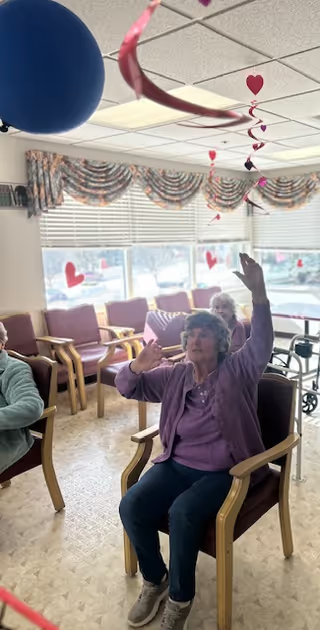
Dining, activities, and daily life: The facility offers an active recreation program with bingo, live music, memory-care activities, and opportunities for outdoor walks; these programs are credited with improving mood and engagement for many residents. Meal service and food quality are more variable in reviewer accounts—some families find the food satisfactory and accommodations (for example, gluten-free options) are available, while others report inconsistent temperature, limited menu variety, and occasional service issues. Activity schedules may be present on paper but not always consistently executed; families seeking robust day-to-day engagement should observe program delivery during a visit.
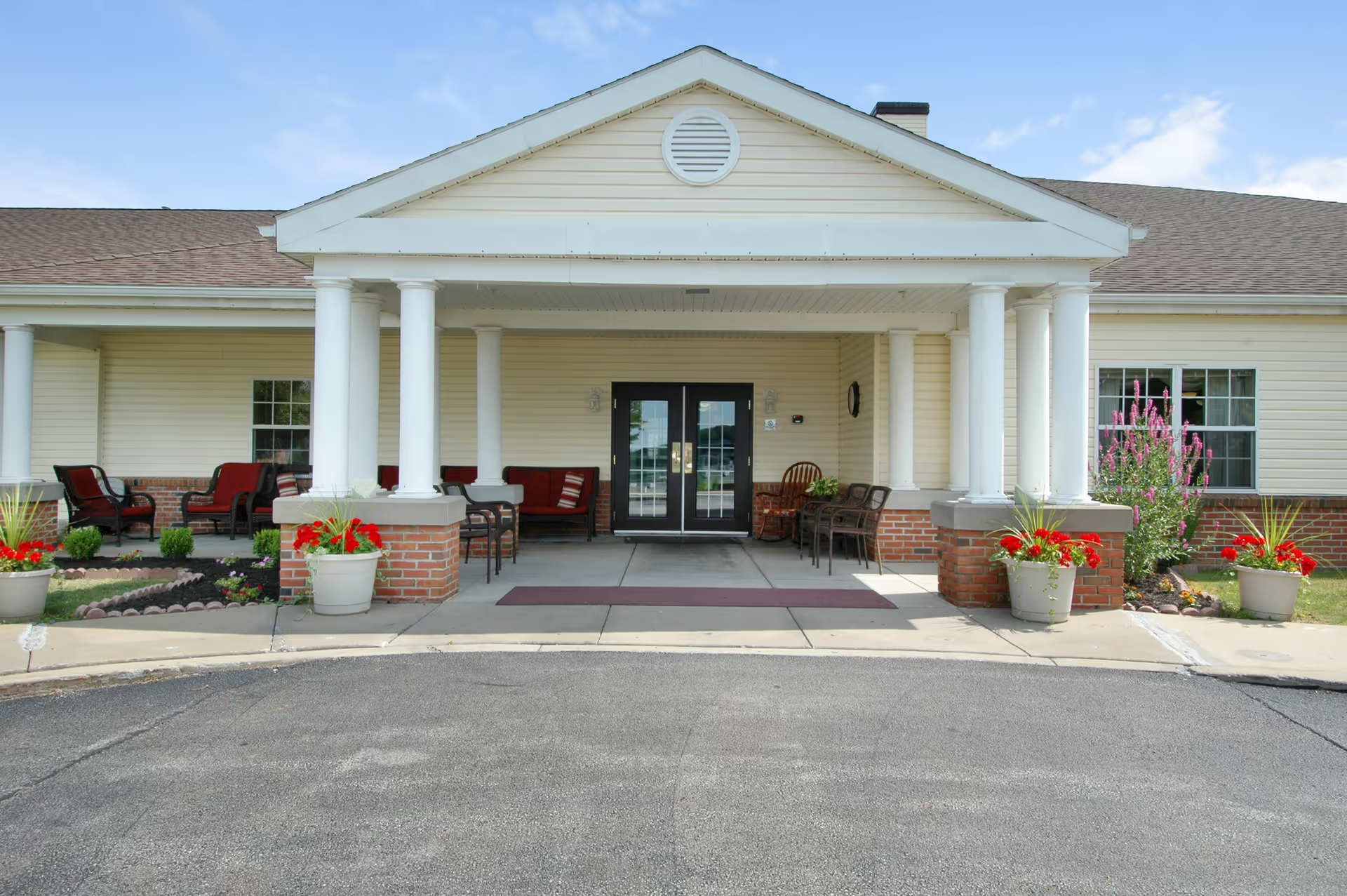
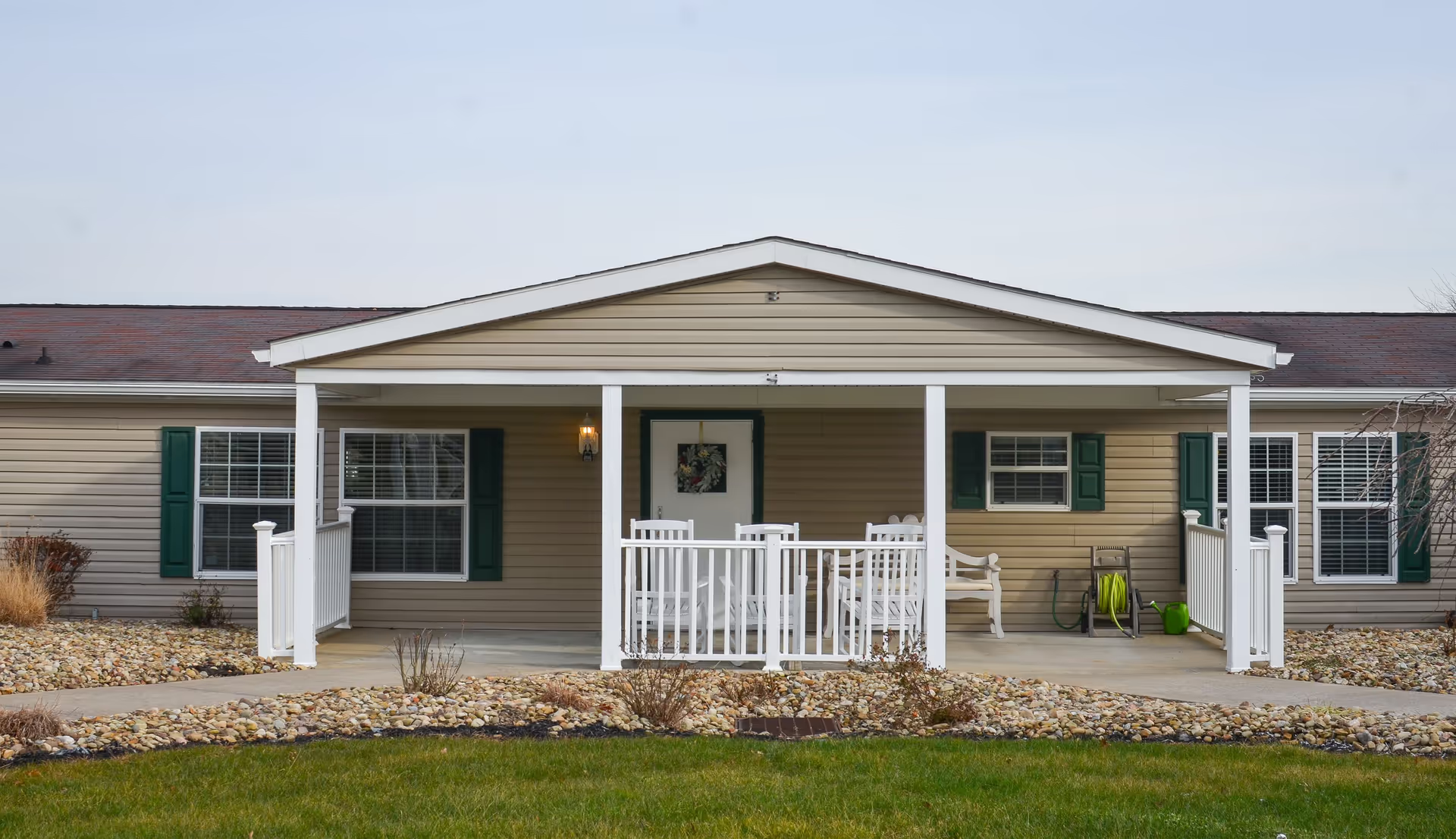
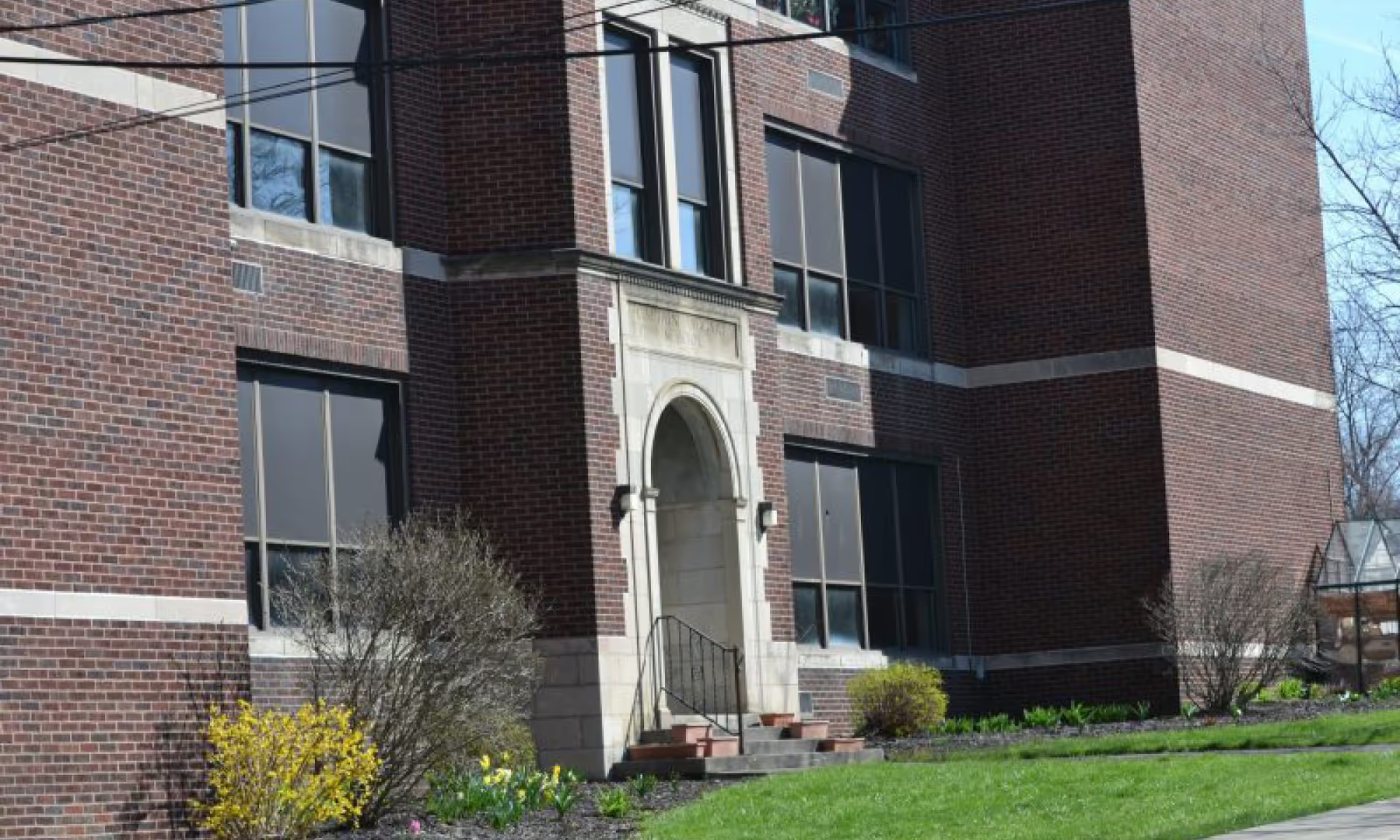
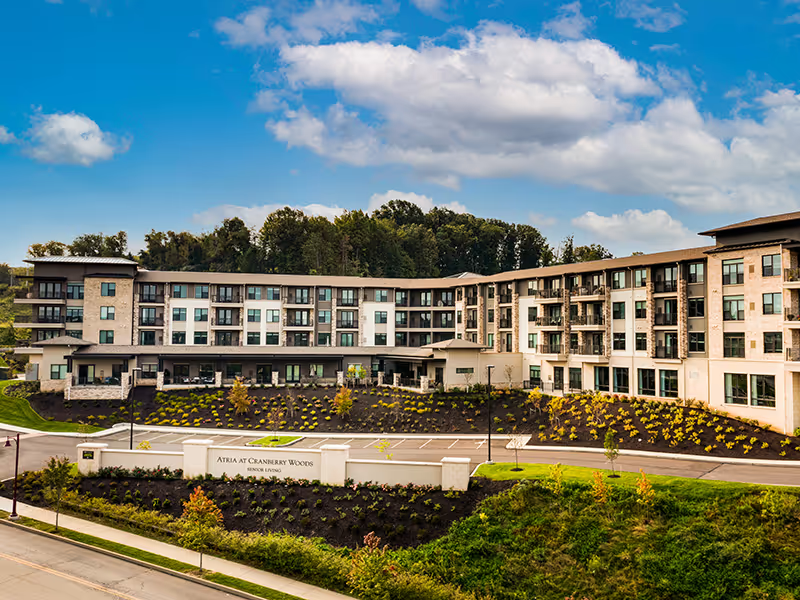
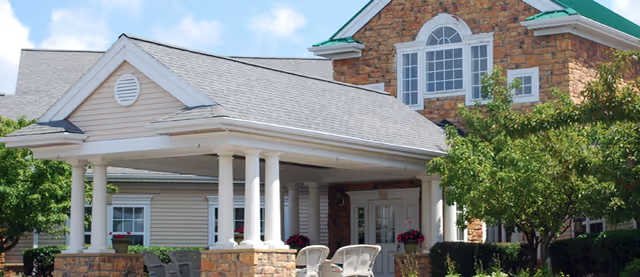
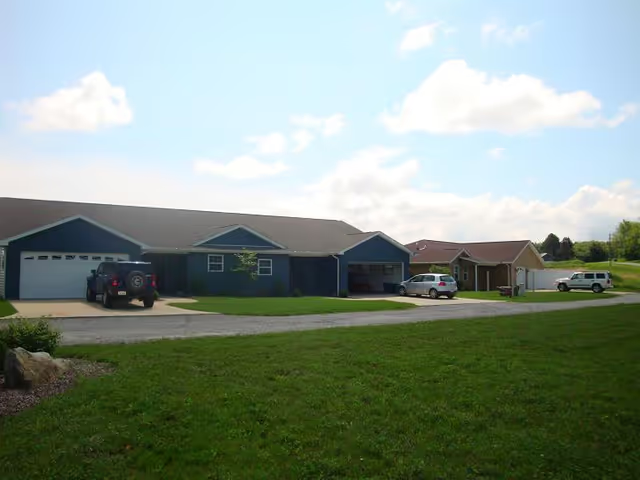
Facilities and management: The building is described as older but generally clean, with well-kept common areas; rooms can be small and double-occupancy is used in some cases. The facility supports family connection through window/video visits and can assist with Medicaid paperwork and admissions logistics. Management impressions vary: some reviewers describe responsive leadership that addresses concerns, while others describe a culture focused on metrics and inconsistent supervisory follow-through. Additional operational issues that prospective families should evaluate include billing clarity (several accounts raised concerns about unexpected charges), privacy and documentation consistency, and visible supervisory presence on night shifts.
What to watch for when evaluating: Because reviewer experiences range from highly positive to seriously concerned, prospective residents and families should (1) verify staffing ratios and ask about typical coverage on the shifts that will matter most for the resident, (2) observe mealtime and an activity session in person, (3) ask for current incident/quality metrics (falls, pressure-injury prevention, call-bell response times) and how families are notified of clinical events, (4) review billing policies and any ancillary charges in writing, and (5) check how the facility personalizes care plans and coordinates with physicians and families. Doing these checks will help determine whether Providence’s well-regarded therapy and many compassionate staff align with the operational reliability you require.